Craig Biggio Rookie Cards
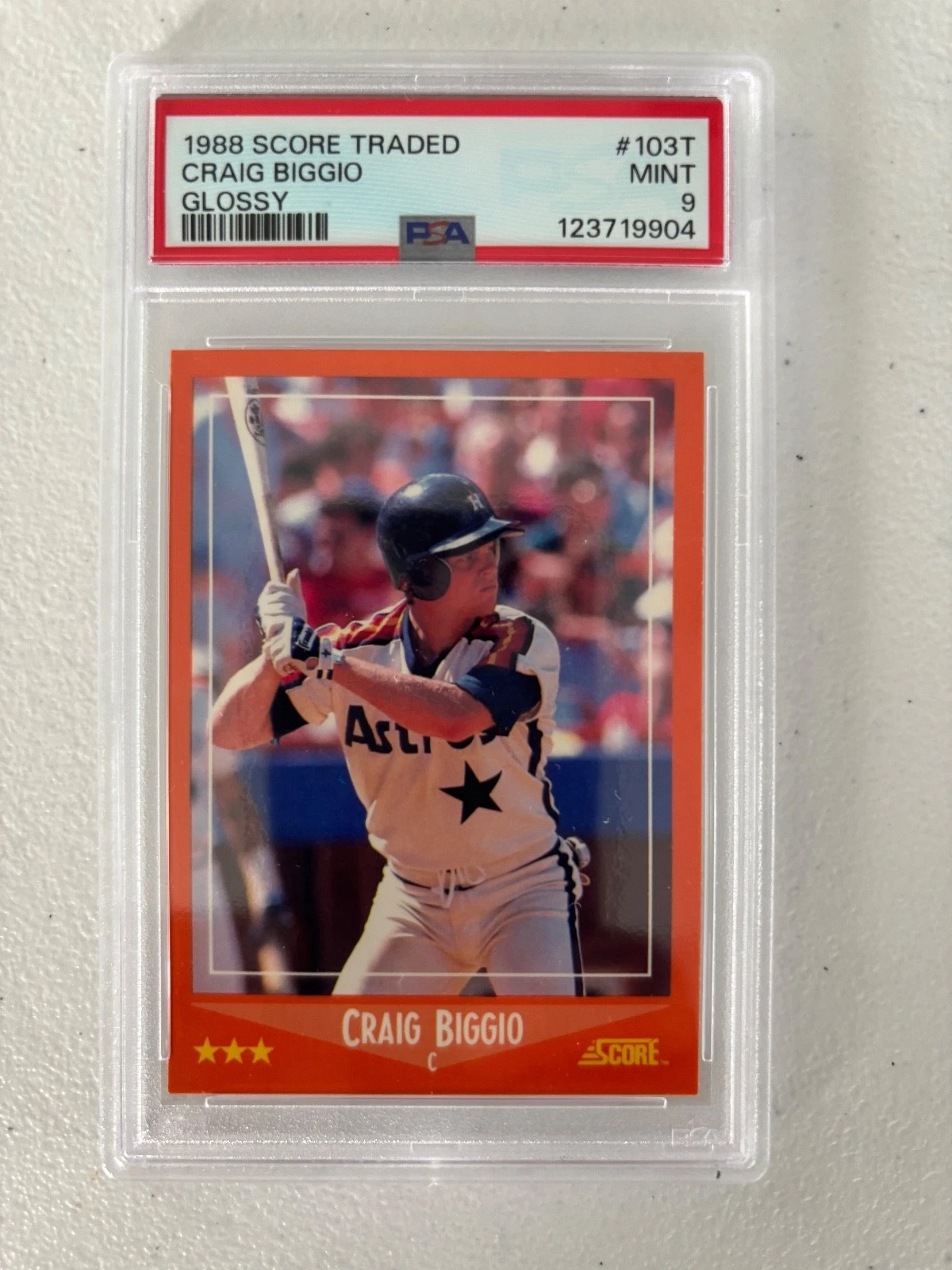
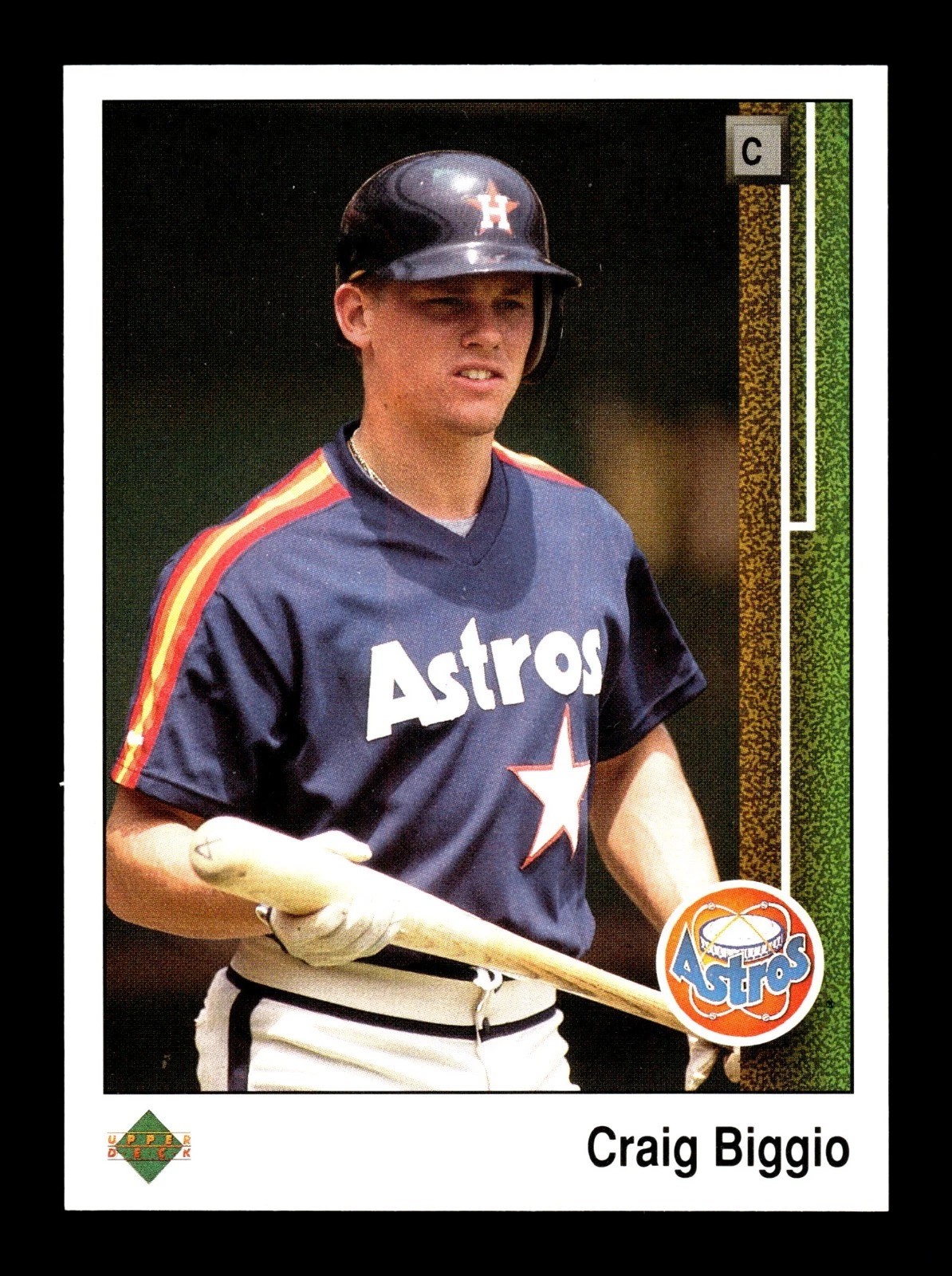
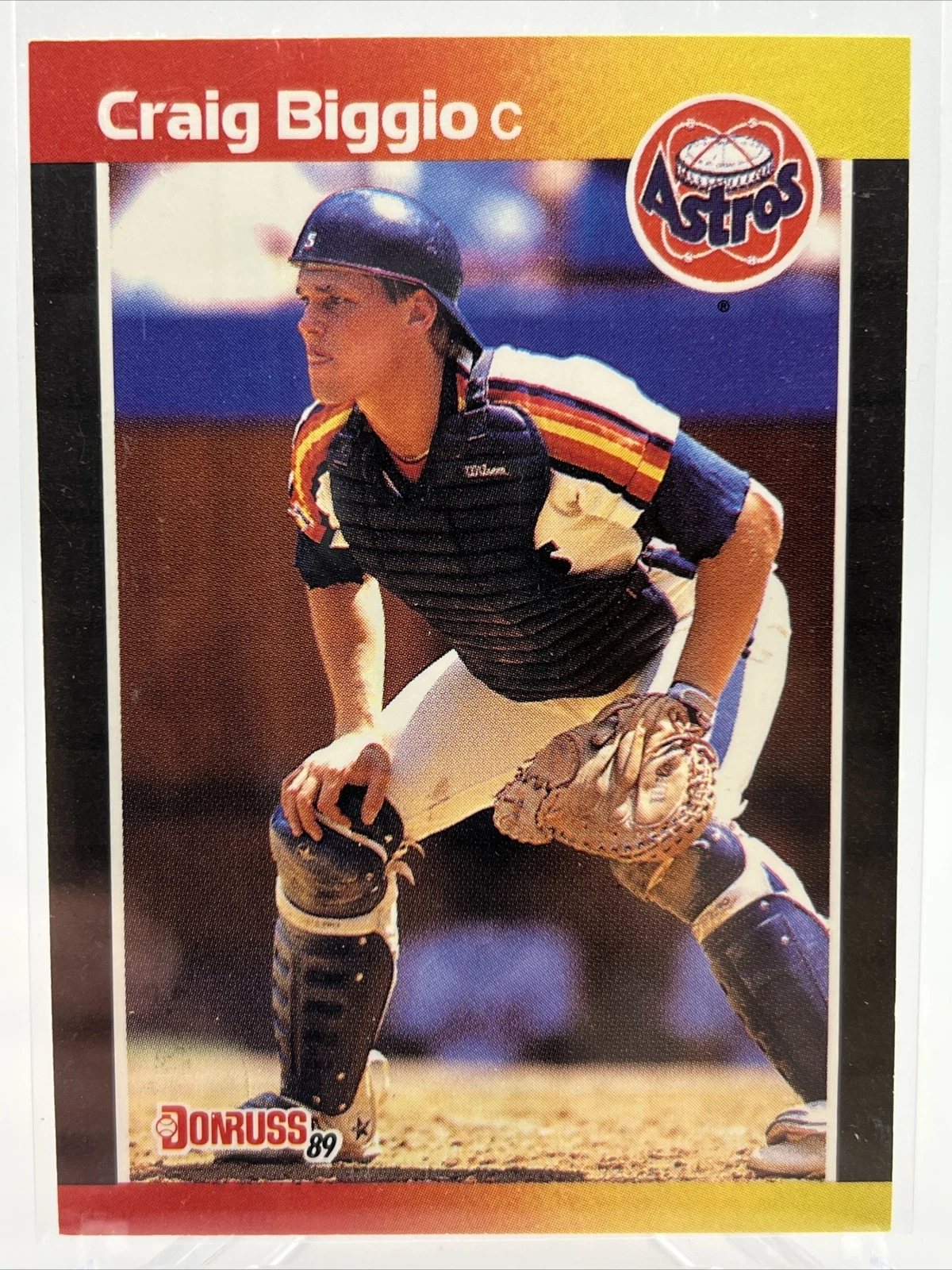
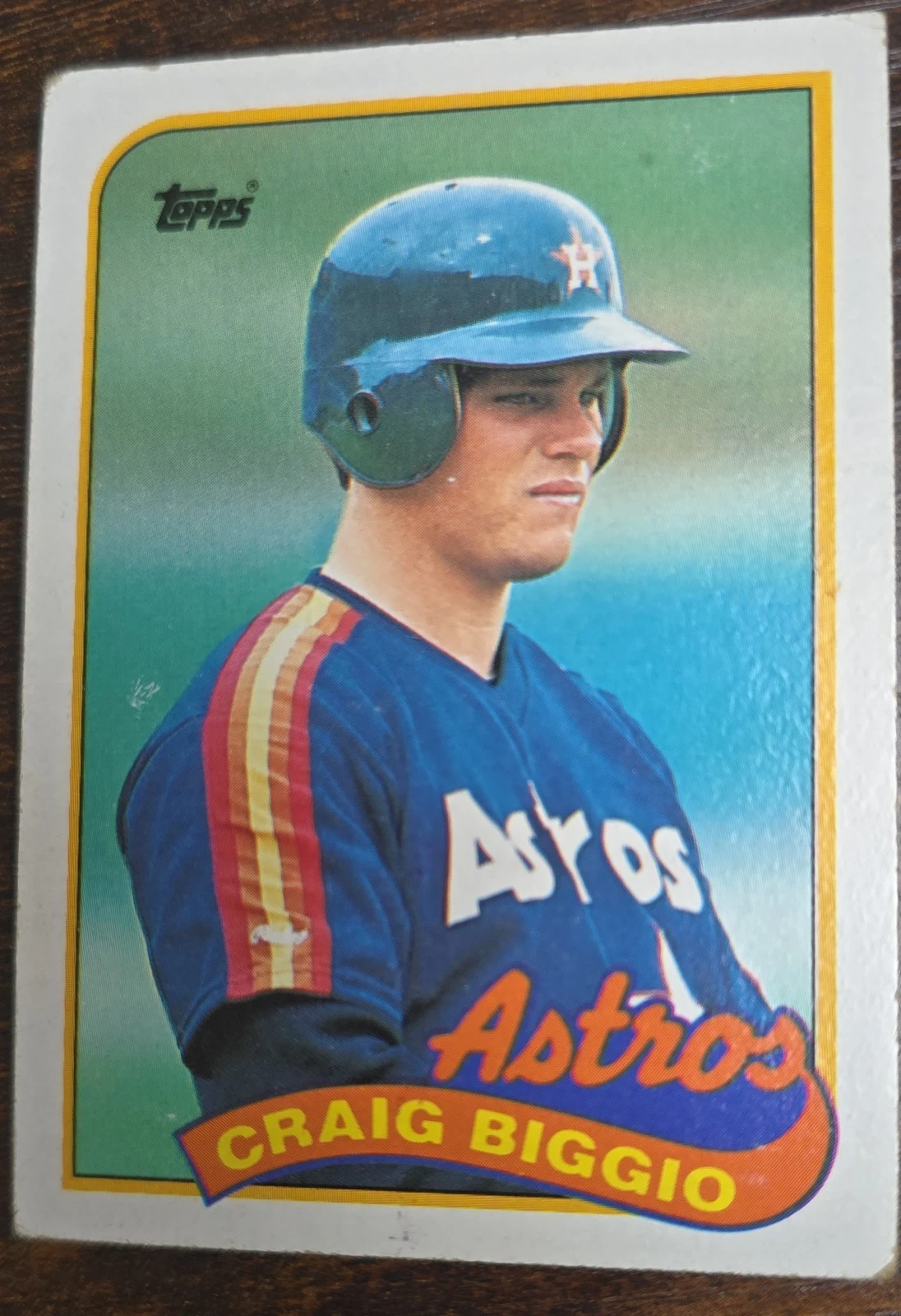
Craig Biggio rookie cards center on 1988 Score Traded #103T and his mainstream 1989 base cards. Raw copies are usually affordable, while top grades and premium factory versions can sell for much more.
Rookie year: 1988Flagship RC: 1988 Score Traded #103T / 1989 Topps #49 / 1989 Upper Deck #273Top recent sale: Gem grades and premium factory versions (like Topps Tiffany) tend to lead the strongest recent sale prices for Biggio’s key rookie cards.See live listings
Best Craig Biggio Rookie Cards

Values & Trends
Craig Biggio rookie cards are classic late-1980s baseball collecting: raw copies are easy to find, but true gem grades are not. Most collectors anchor a Biggio rookie collection with 1988 Score Traded #103T, then add mainstream 1989 issues like Topps #49 and Upper Deck #273. Premium factory versions such as Topps Tiffany can trade well above base cards, especially in top grades.
- Condition drives value: For Junk Wax-era rookies, the main scarcity is high-grade eye appeal. Centering, clean corners, and a smooth surface matter more than “rare parallels.”
- Set recognition matters: Topps and Upper Deck are the most searched and most liquid for most collectors. Bowman and factory versions add depth once you own the core cards.
- Factory premiums: Topps Tiffany (and similar premium factory releases) can be a smarter upgrade path than buying multiple base copies, because supply is lower and demand concentrates in top grades.
Buying Guide: How to Pick Craig Biggio Rookie Cards
- Start with 1988 Score Traded #103T: It is Biggio's key rookie-year card in an update-style Score release. Buy the cleanest copy you can, not the cheapest one.
- Add one mainstream 1989 flagship: 1989 Topps #49 and 1989 Upper Deck #273 are easy to search, easy to compare, and widely recognized across the hobby.
- Use set + number in every search: "Craig Biggio 1988 Score Traded 103T" filters out unrelated cards and helps you compare the exact same card by grade and condition.
- Know your upgrade lane: If you want a "one-card" upgrade, consider Topps Tiffany #49 or a higher-grade copy of Score Traded #103T instead of buying multiple lower-grade base cards.
- Grade selectively: Grading fees add up fast on mass-printed cards. Use the $80 rule and these PSA grade basics before submitting.
Full Rookie Card Checklist
| Image | Card | Year | # | Details | 90d Avg RAW | 90d Avg PSA 8 | 90d Avg PSA 9 | 90d Avg PSA 10 | eBay |
|---|---|---|---|---|---|---|---|---|---|
Score Traded Rookie Card Craig Biggio · Score Traded | 1988 | 103T | — | — | — | — | — | eBay | |
Topps Rookie Card Craig Biggio · Topps | 1989 | 49 | — | — | — | — | — | eBay | |
Upper Deck Rookie Card Craig Biggio · Upper Deck | 1989 | 273 | — | — | — | — | — | eBay | |
Donruss Rookie Card Craig Biggio · Donruss | 1989 | 561 | — | — | — | — | — | eBay | |
Topps Tiffany Rookie Card Craig Biggio · Topps Tiffany | 1989 | 49 | — | — | — | — | eBay |
True RC, Autos and Serials
For Craig Biggio, most collectors focus on his late-1980s pack-issued and update-style rookie-year cards rather than modern-style low-serial parallels. The core "true rookie" conversation usually starts with 1988 Score Traded #103T, then expands to the mainstream 1989 base cards (Topps, Upper Deck, Bowman, Fleer, Donruss). Autographs and numbered parallels are not the main value engine for Biggio's rookie year the way they are for modern players, so condition and grade are the biggest levers.
Best Boxes & Sets to Pull Craig Biggio Rookie Cards
- 1988 Score Traded (Factory Set)MLBIncludes Craig Biggio #103T
- 1989 Topps Baseball (Sealed Box)MLBLook for Topps #49
- 1989 Upper Deck Baseball (Sealed Box)MLBLook for Upper Deck #273
- 1989 Bowman Baseball (Sealed Box)MLBLook for Bowman #259
- 1989 Topps Tiffany (Factory Set)MLBPremium factory version of Topps #49
Grading & Population
With Biggio rookies, the market pays for clean centering and sharp corners. Many raw cards look fine at a glance, but tiny print specks, rough cuts, and corner wear can keep grades down. If you want a long-term hold, focus on eye appeal and buy the best copy you can within your budget.
- Compare graders and label standards: PSA vs CGC vs BGS vs SGC
- Learn what grades actually mean: PSA grades explained
- If you buy higher-end slabs, reduce risk with a quick fake slab check
About Craig Biggio
Craig Biggio is a Houston Astros icon and a Baseball Hall of Famer (2015). He reached the 3,000-hit club, played both catcher and second base at a high level, and became one of the most complete players of his era. That long, team-legacy career keeps steady collector demand for his rookie-year cards, with the best copies concentrating in high grades and premium factory versions.
Resources & Related Guides
FAQ
What is Craig Biggio's true rookie card?
Most collectors start with 1988 Score Traded #103T as Craig Biggio's key rookie-year card. Many collections also add his mainstream 1989 base cards like Topps #49 and Upper Deck #273 for broader set recognition.
How much is a Craig Biggio rookie card worth?
Value depends on the exact card, condition, and grade. Raw copies are often affordable, while gem grades and premium factory versions like Topps Tiffany can sell for much more. Always compare recent sales for the same set and grade.
Which Craig Biggio rookie card is best to buy first?
If you want one classic choice, start with a clean 1988 Score Traded #103T. If you want a second card with strong search demand, add 1989 Topps #49 or 1989 Upper Deck #273 in the best condition you can afford.
What is Topps Tiffany, and why is it more expensive?
Topps Tiffany cards were premium factory-set versions with different stock and lower supply than regular packs. For many 1980s and 1990s players, Tiffany rookies can command higher prices in the same grade because they are harder to find. Learn more in our complete guide: <NuxtLink to="/blog/learn/what-is-topps-tiffany" class="underline text-brand-neongreen hover:opacity-80">What is Topps Tiffany?</NuxtLink>
Should I grade a Craig Biggio rookie card?
Grading makes the most sense for sharp copies with strong centering, clean corners, and minimal surface flaws. For well-loved copies, it can be better to keep them raw and use grading fees for a higher-quality upgrade instead.
Where can I buy Craig Biggio rookie cards?
Marketplaces like eBay usually have the widest selection of Craig Biggio rookies in raw and graded form. Search by set and card number, filter by grade or condition, and review photos and seller feedback carefully.
More MLB Rookie Cards
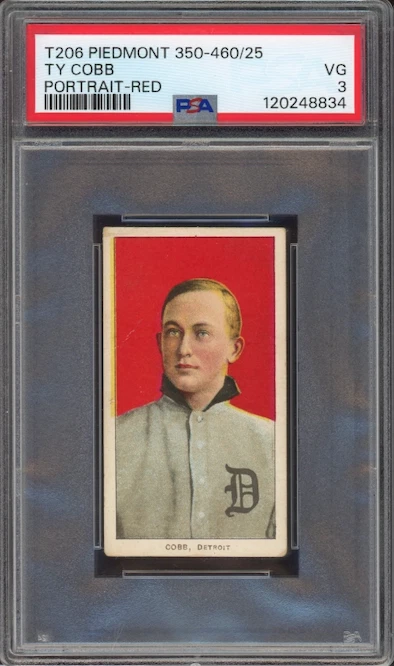
Ty Cobb
Rookie Year: 1905
1909-11 T206 White Border (Cobb portraits and batting poses)
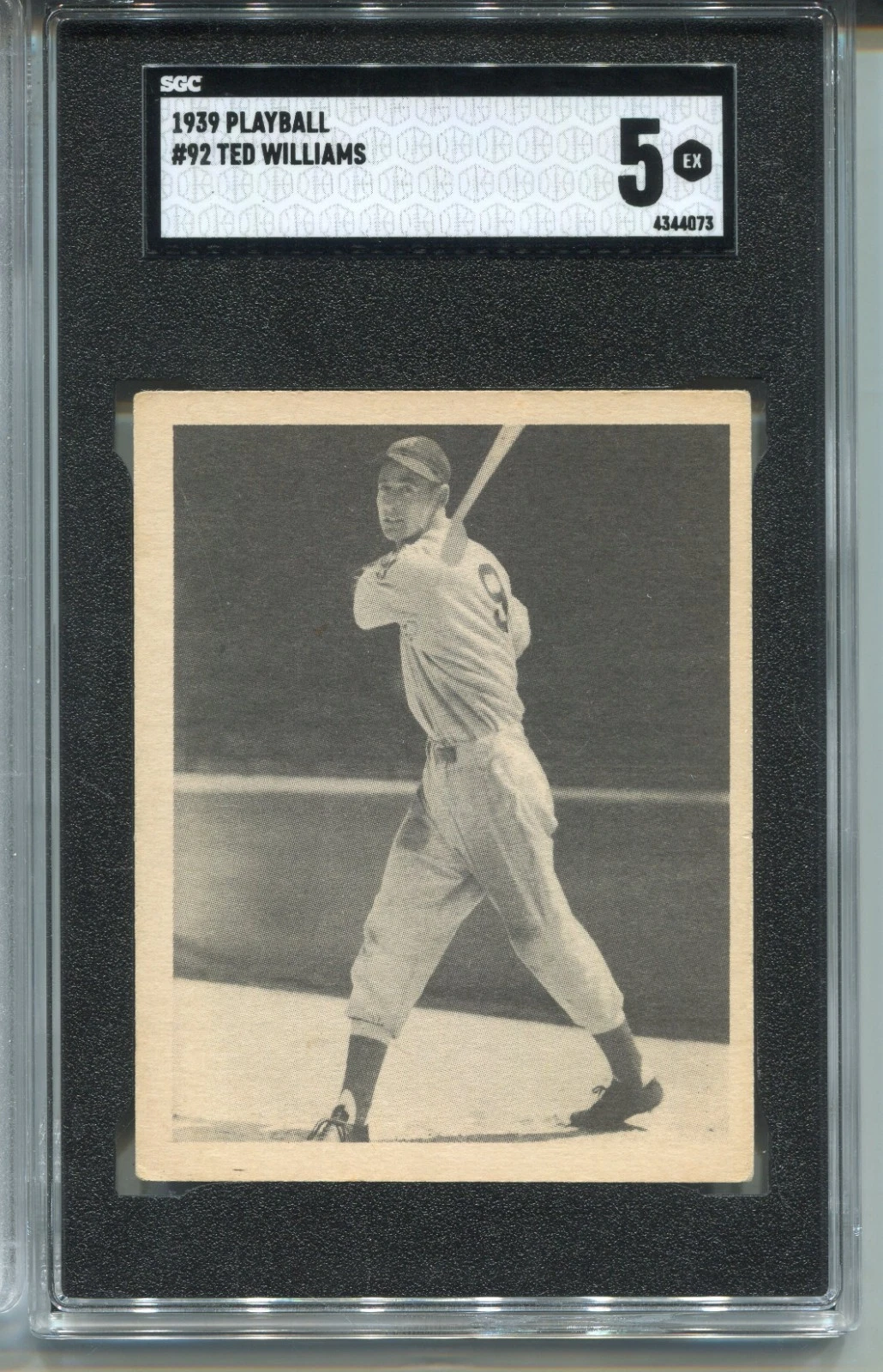
Ted Williams
Rookie Year: 1939
1939 Play Ball #92
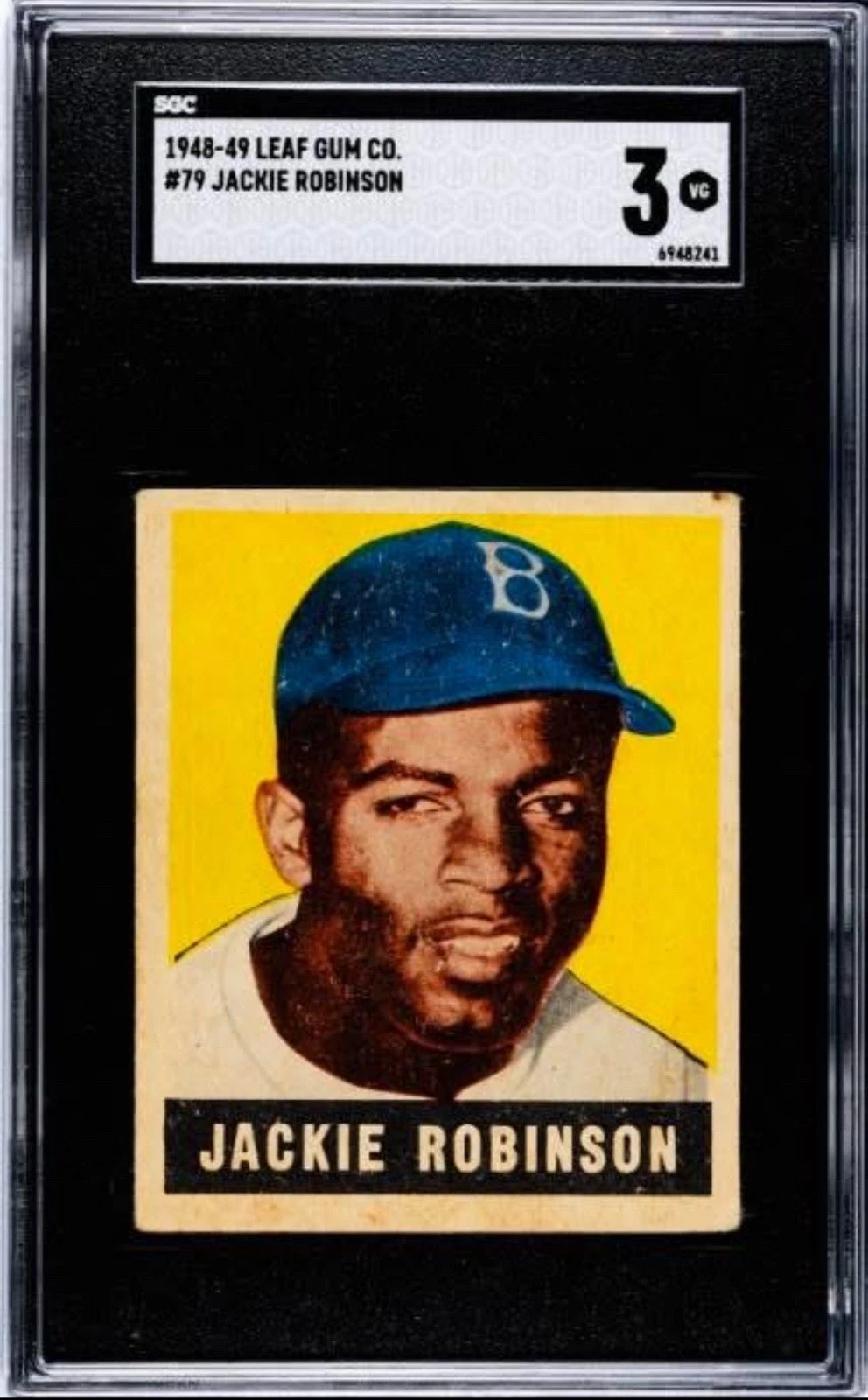
Jackie Robinson
Rookie Year: 1948
1948 Leaf #79
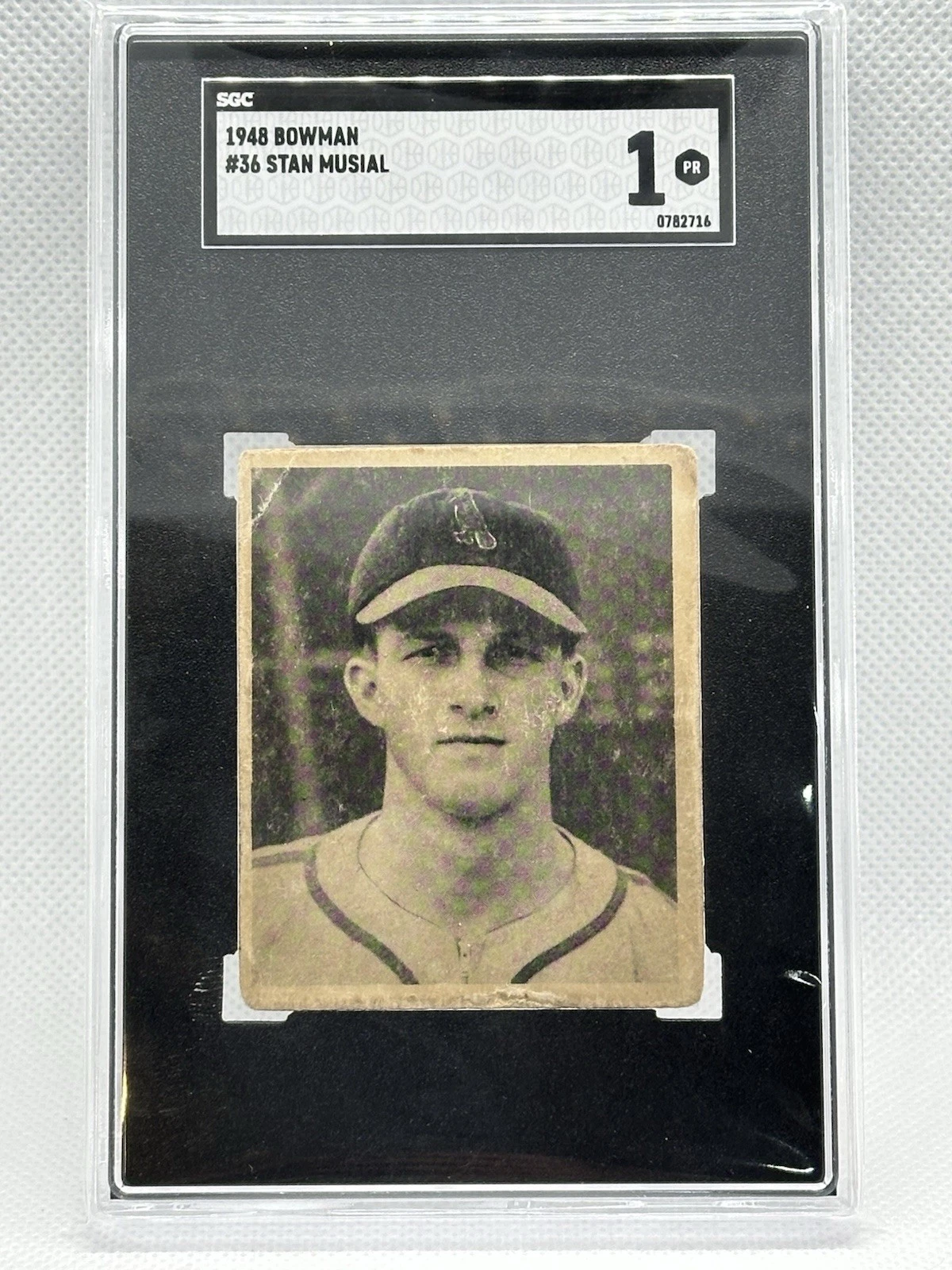
Stan Musial
Rookie Year: 1948
1948 Bowman #36 / 1948 Leaf #4
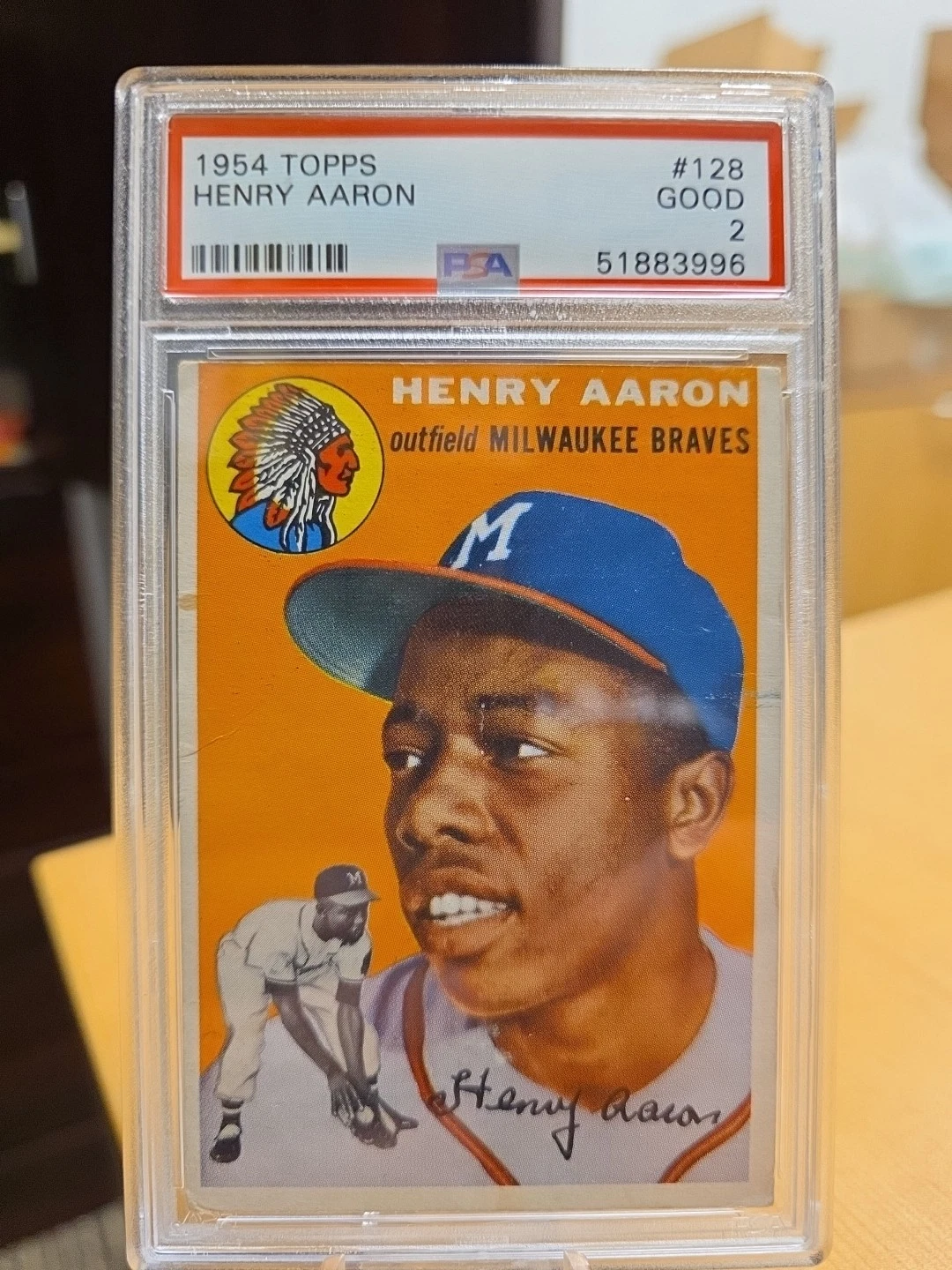
Hank Aaron
Rookie Year: 1954
1954 Topps #128 / 1954 Bowman #66
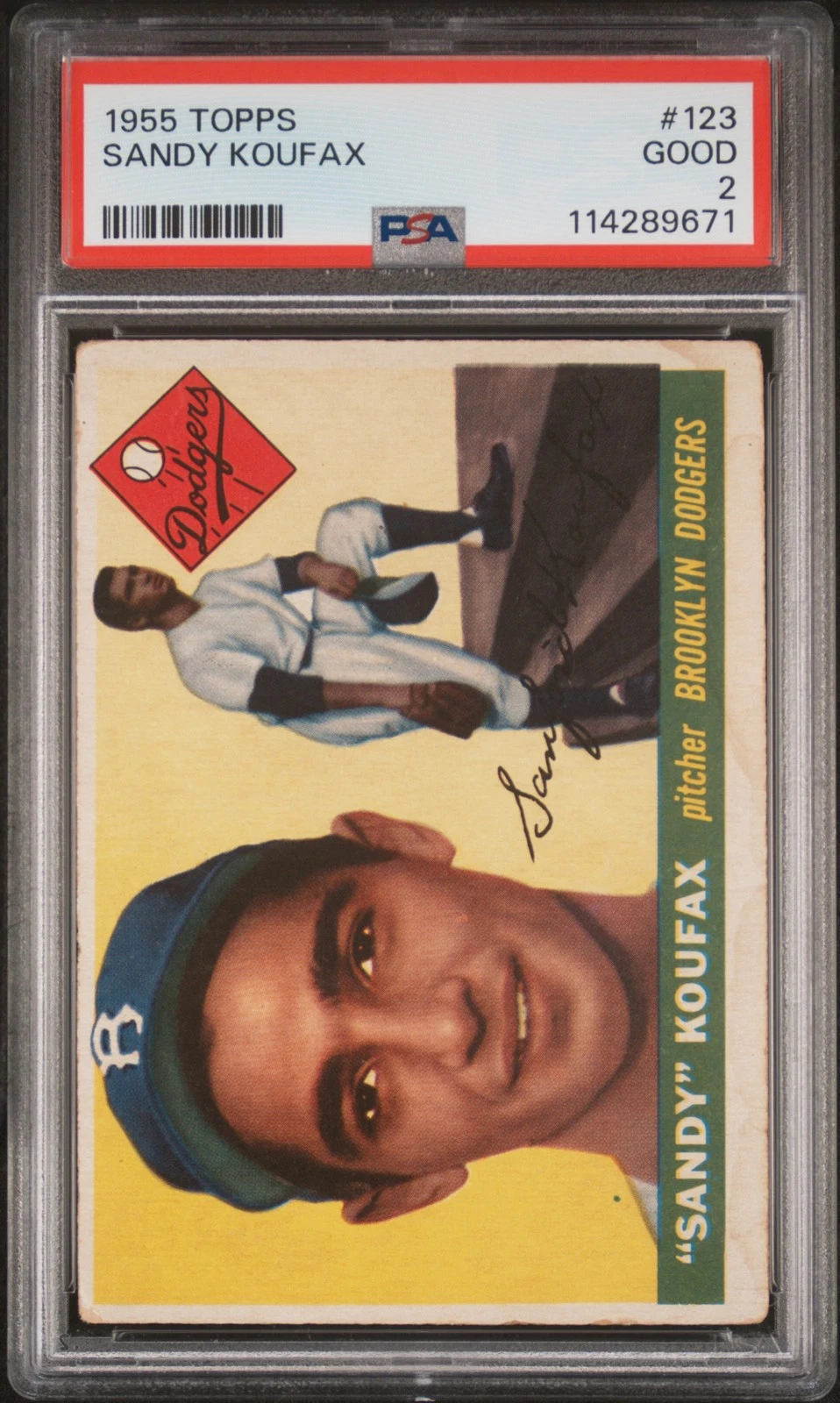
Sandy Koufax
Rookie Year: 1955
1955 Topps #123
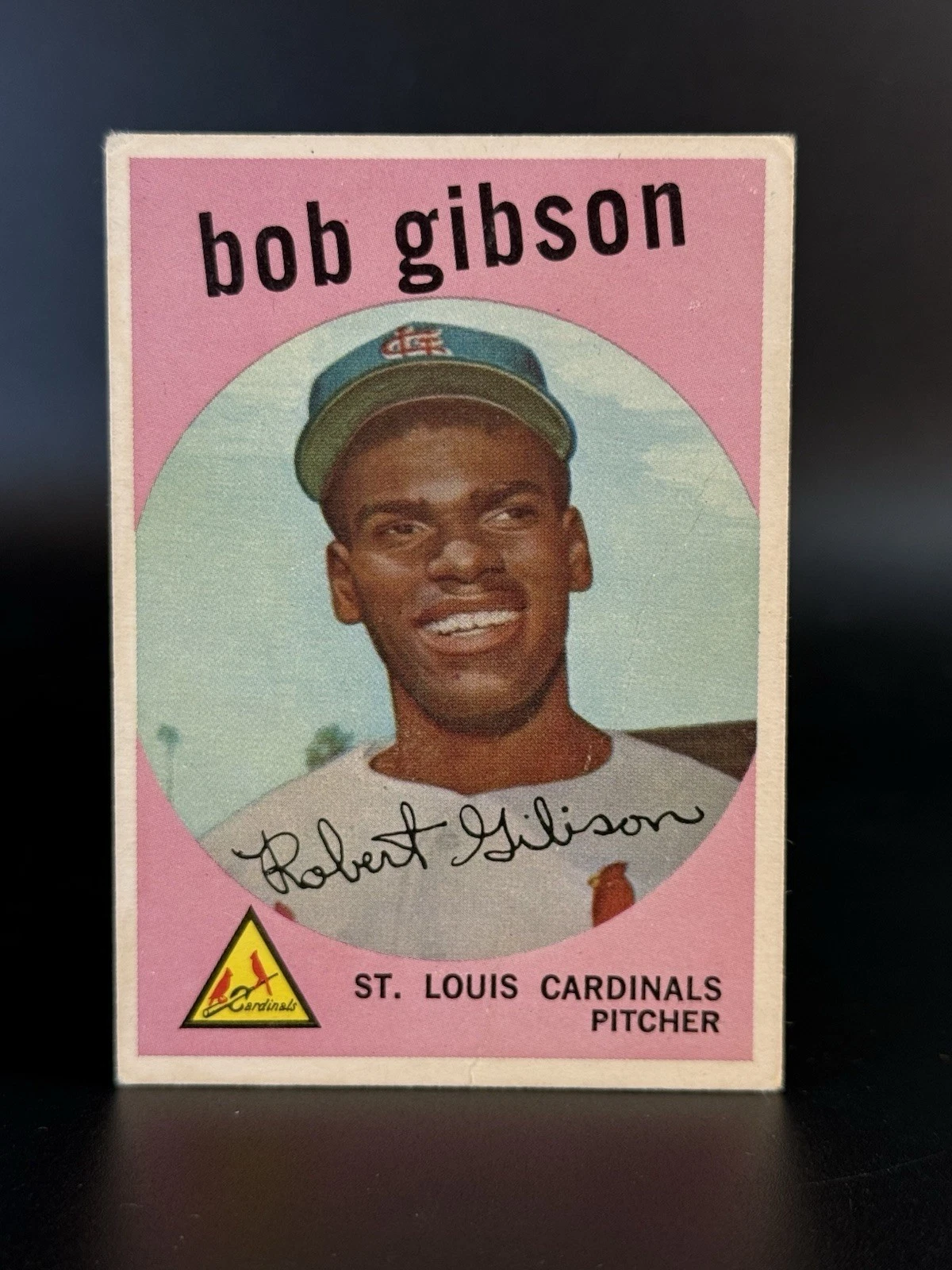
Bob Gibson
Rookie Year: 1959
1959 Topps #514
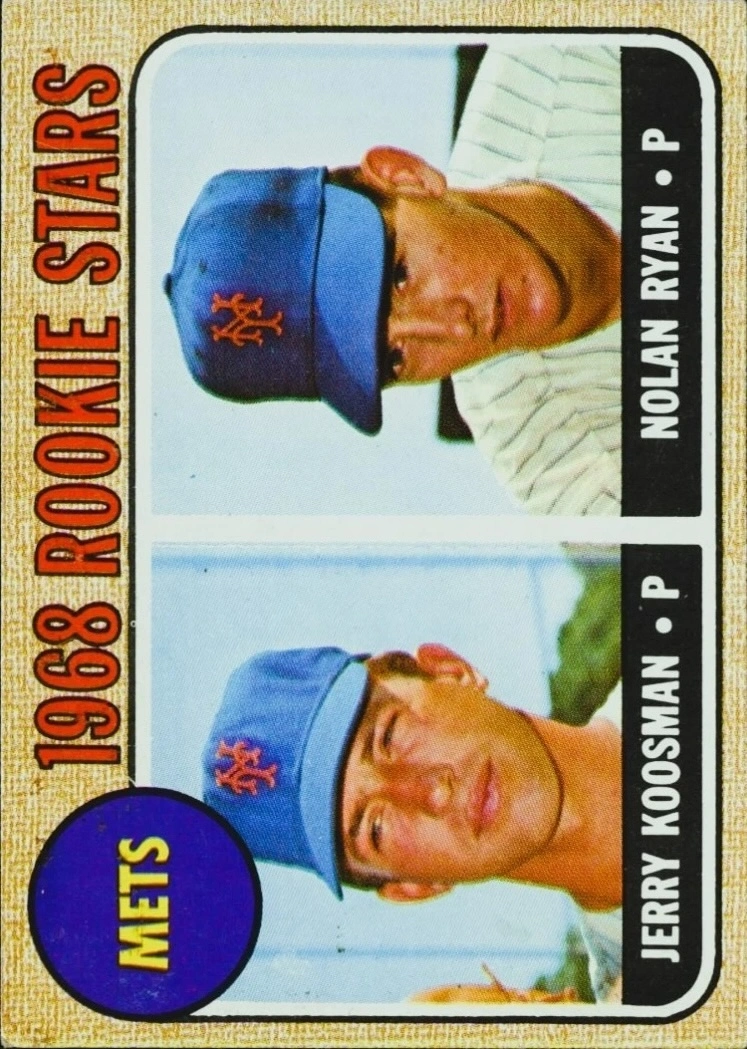
Nolan Ryan
Rookie Year: 1968
1968 Topps #177 Mets Rookie Stars
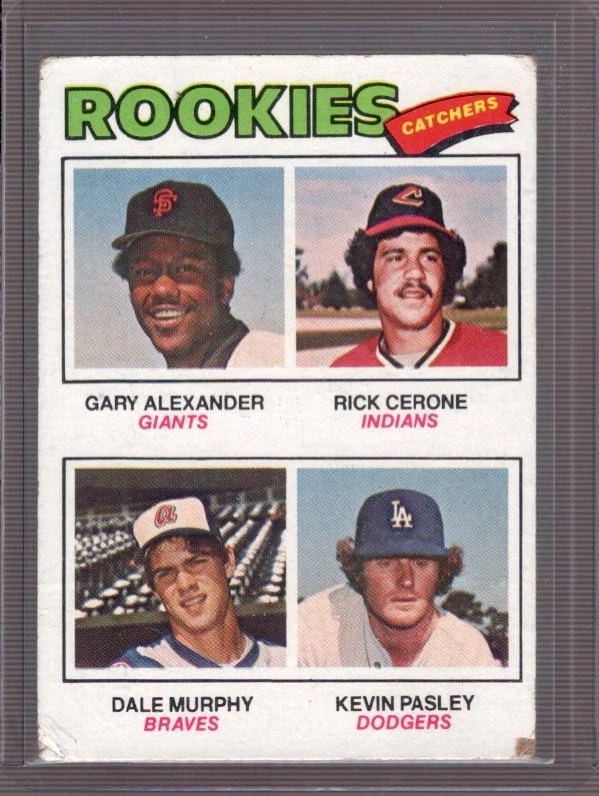
Dale Murphy
Rookie Year: 1977
1977 Topps #476
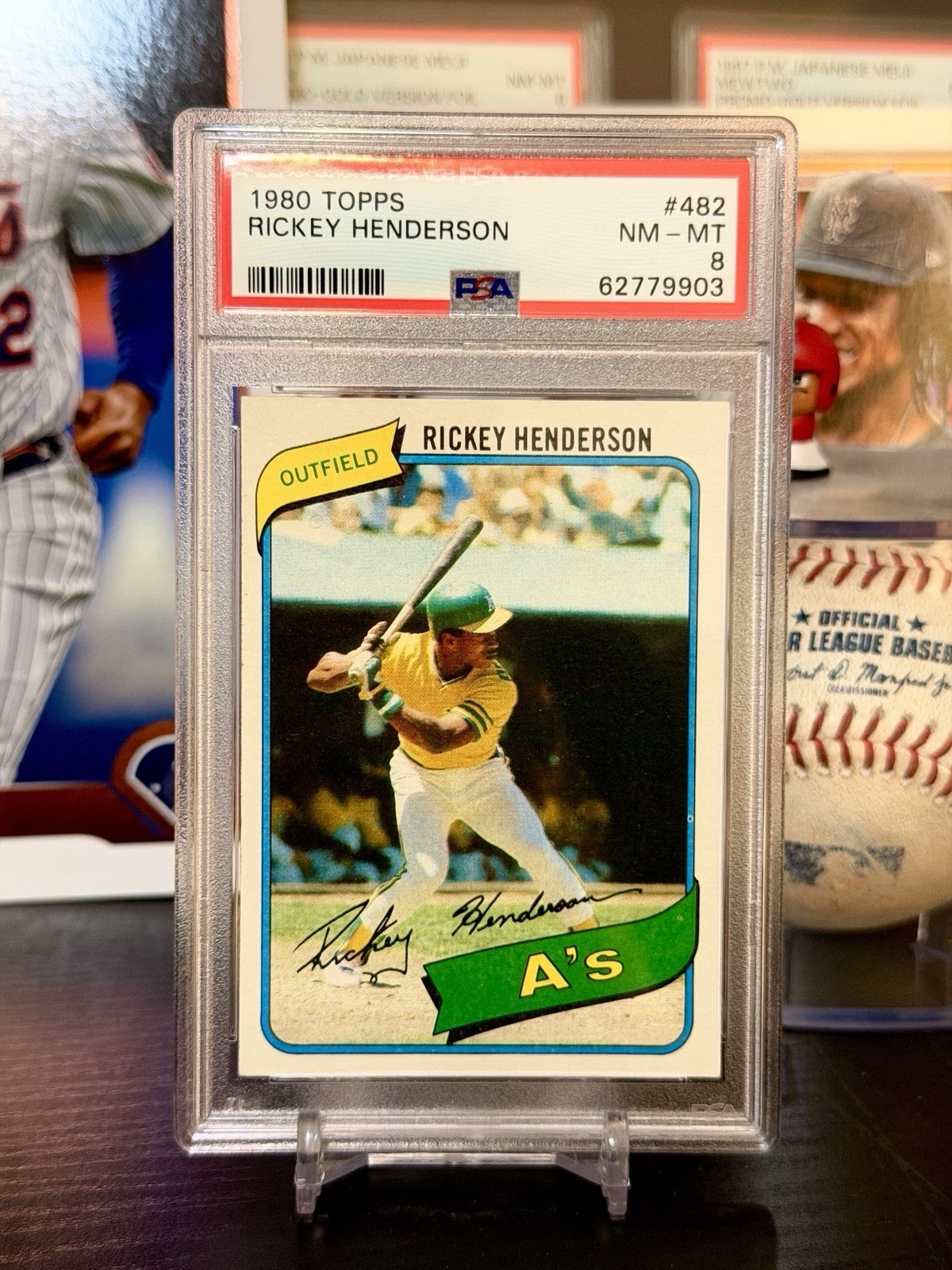
Rickey Henderson
Rookie Year: 1979
1980 Topps #482
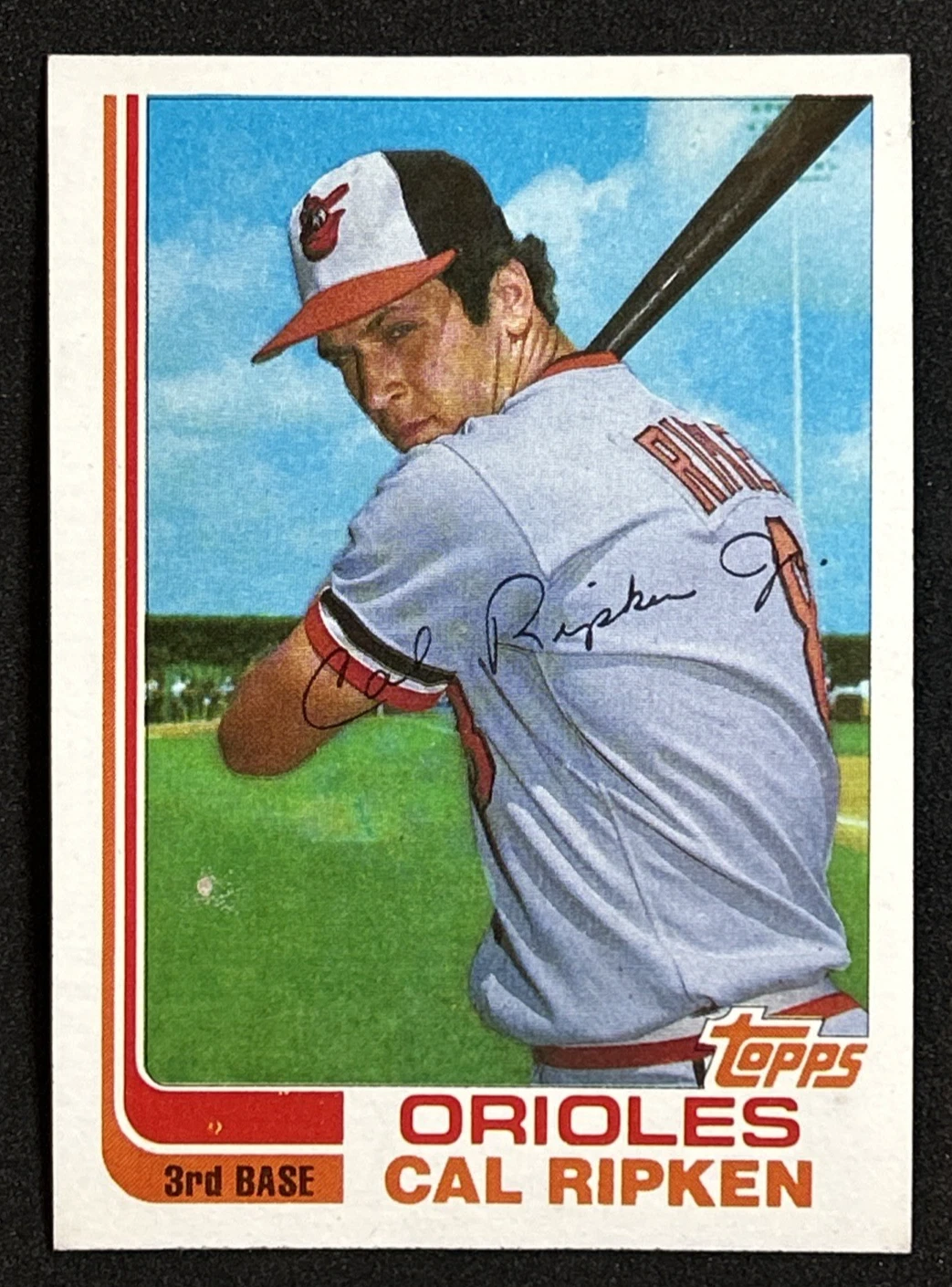
Cal Ripken Jr.
Rookie Year: 1982
1982 Topps Traded #98T / 1982 Donruss #405 / 1982 Fleer #176

Roger Clemens
Rookie Year: 1984
1985 Topps / Donruss / Fleer
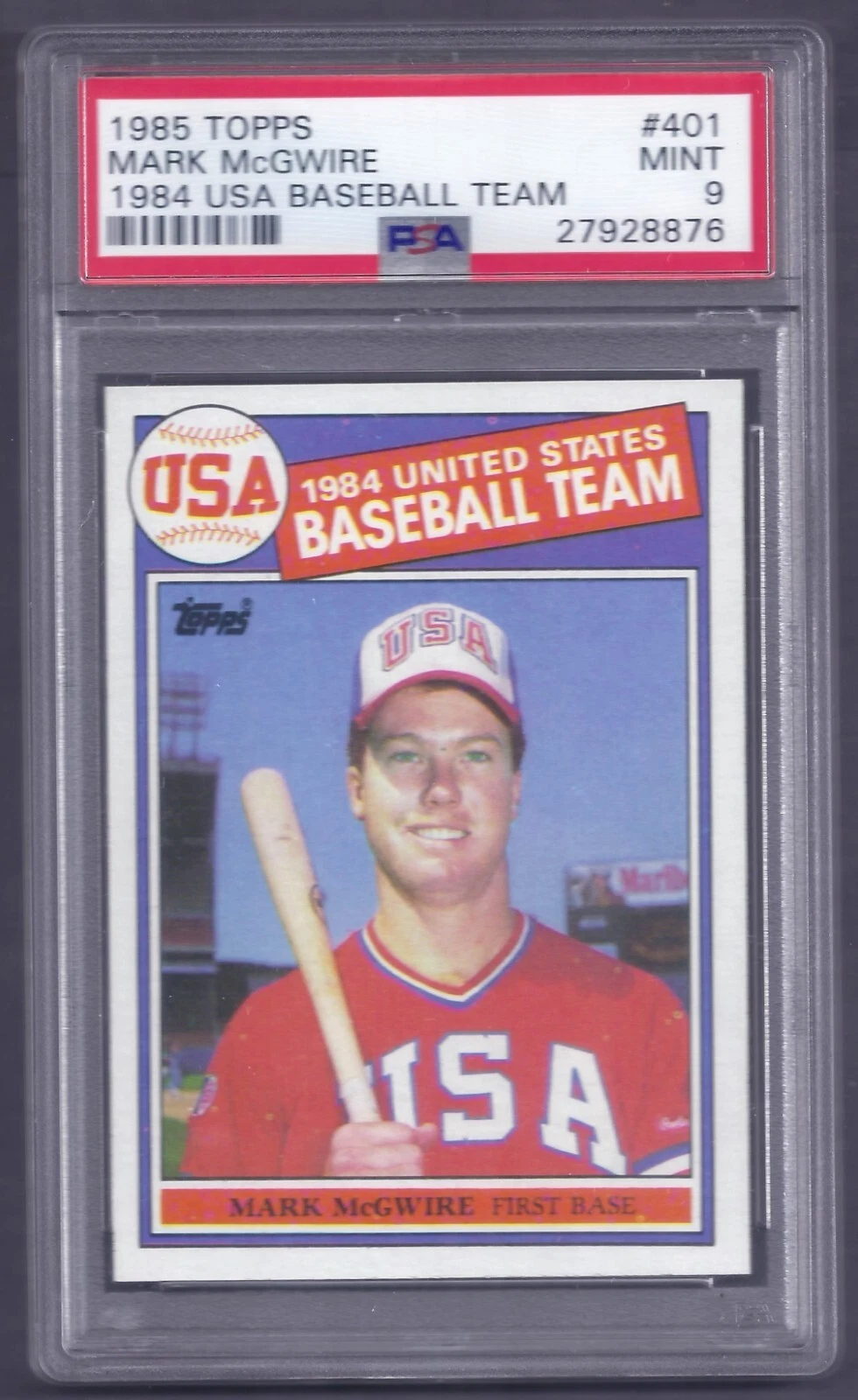
Mark McGwire
Rookie Year: 1985
1985 Topps #401 (Team USA) / 1985 Topps Tiffany #401
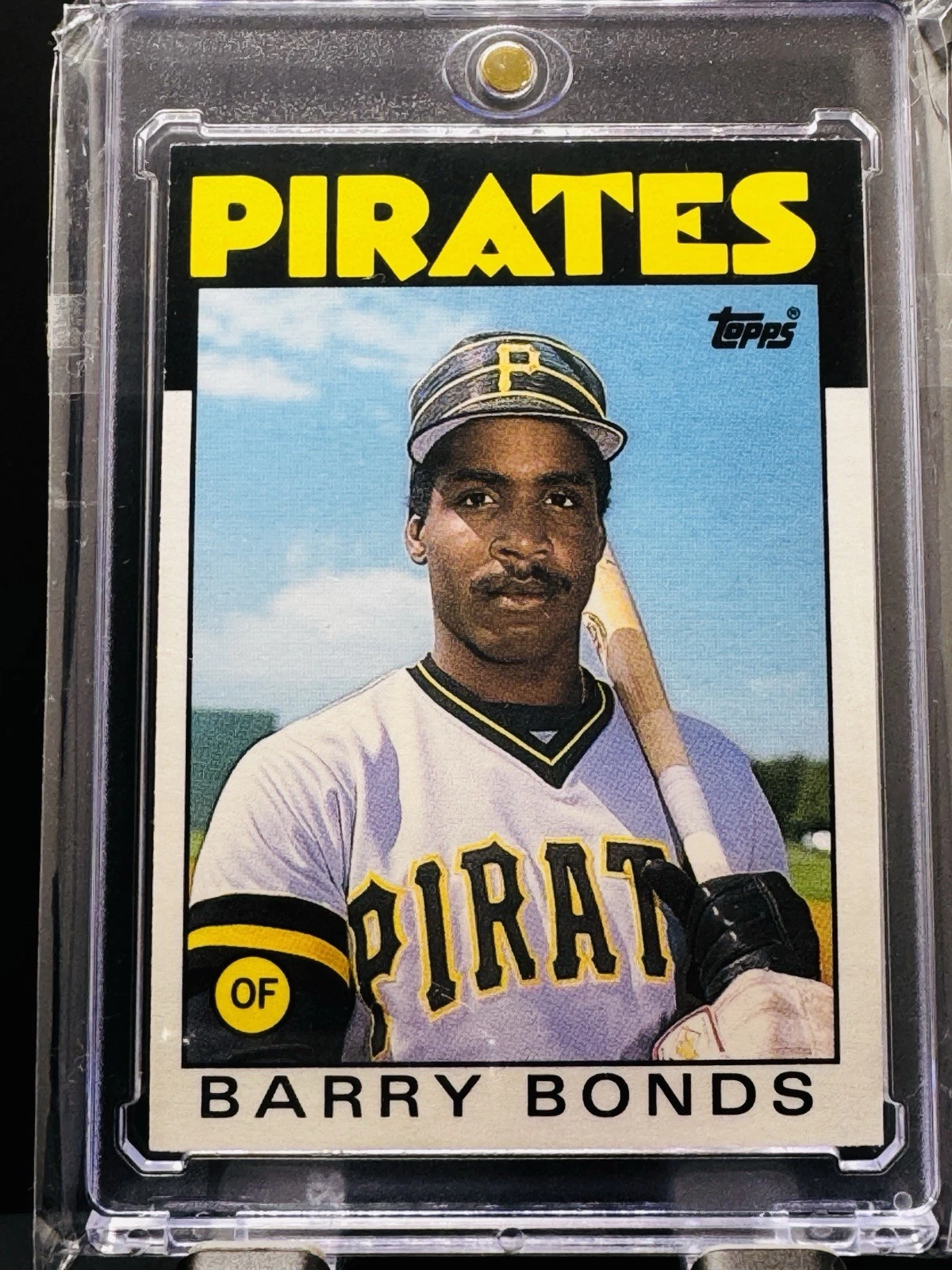
Barry Bonds
Rookie Year: 1986
1986 Topps Traded #11T / Fleer Update #U-14 / Donruss The Rookies #11
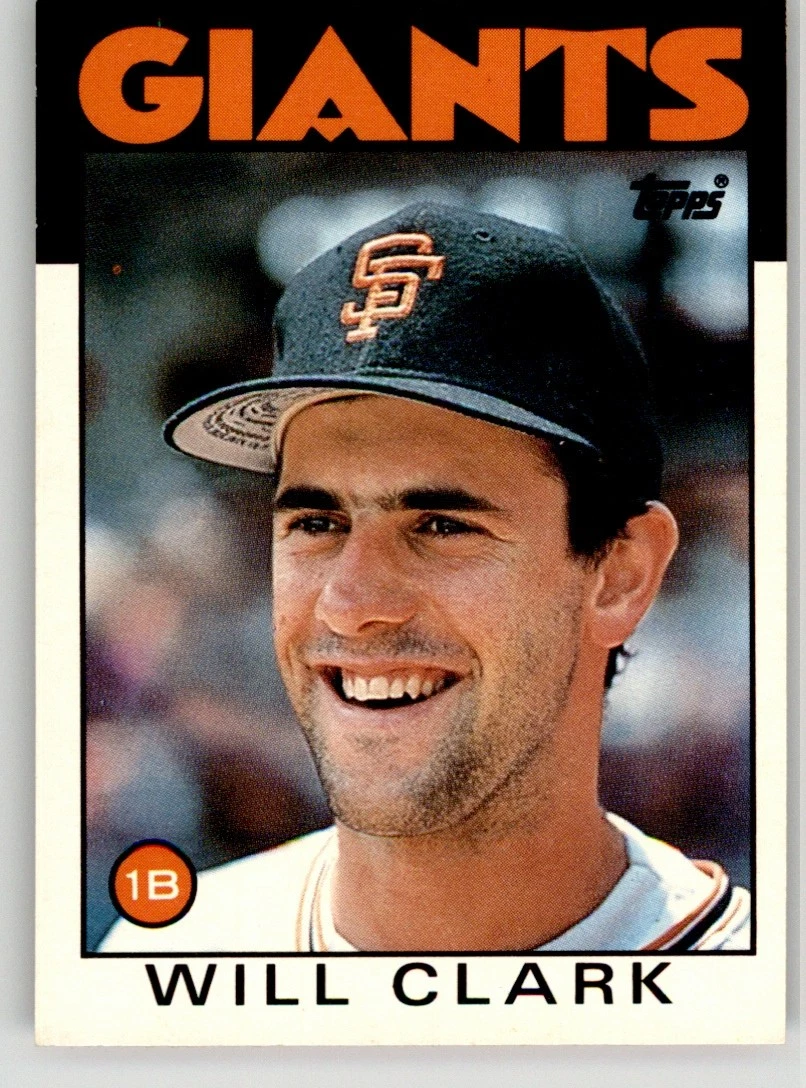
Will Clark
Rookie Year: 1986
1986 Topps Traded #24T / Donruss The Rookies #32 / Fleer Update #U-25
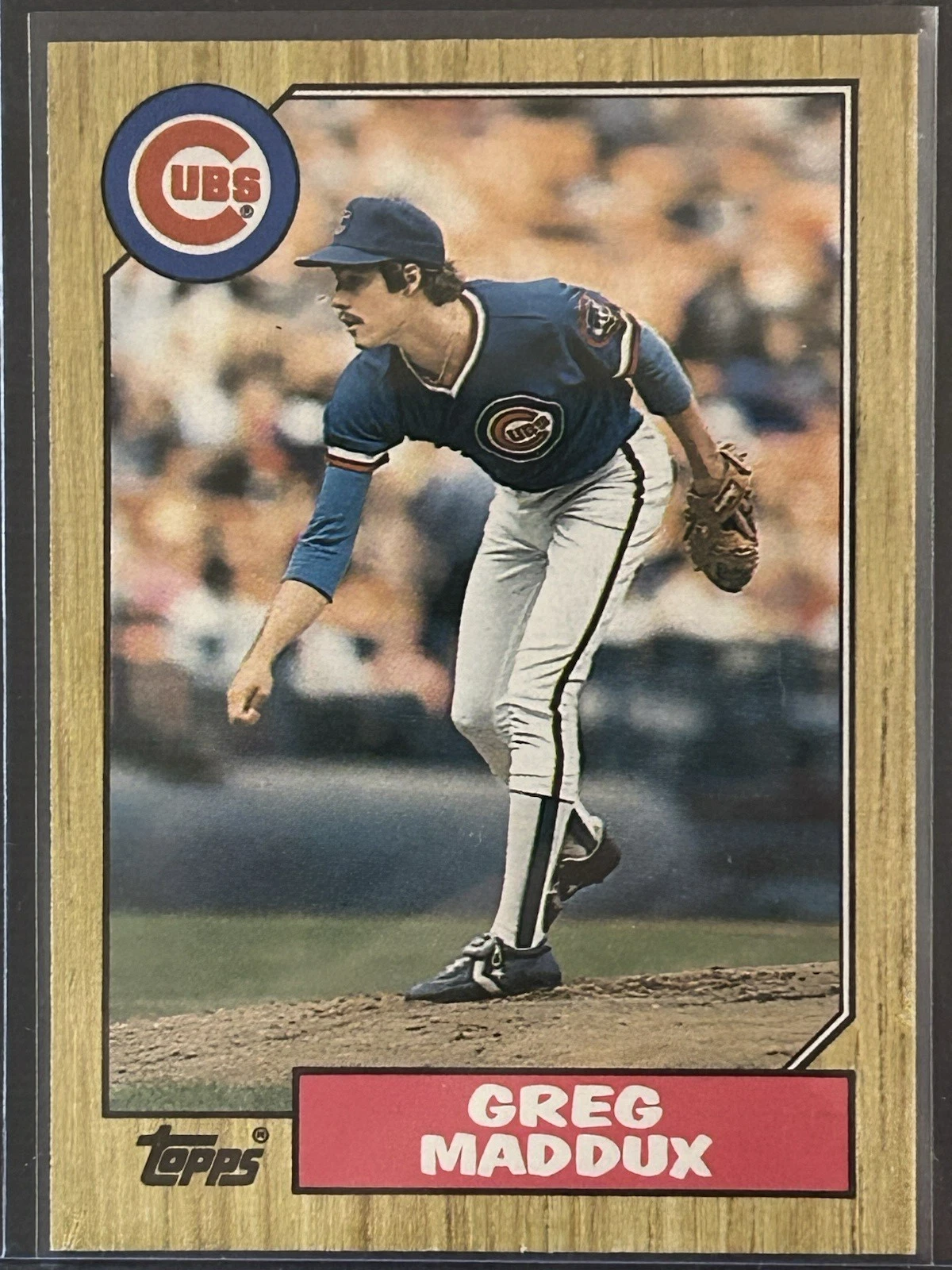
Greg Maddux
Rookie Year: 1987
1987 Topps Traded #70T / Fleer Update #U-68 / Donruss #36
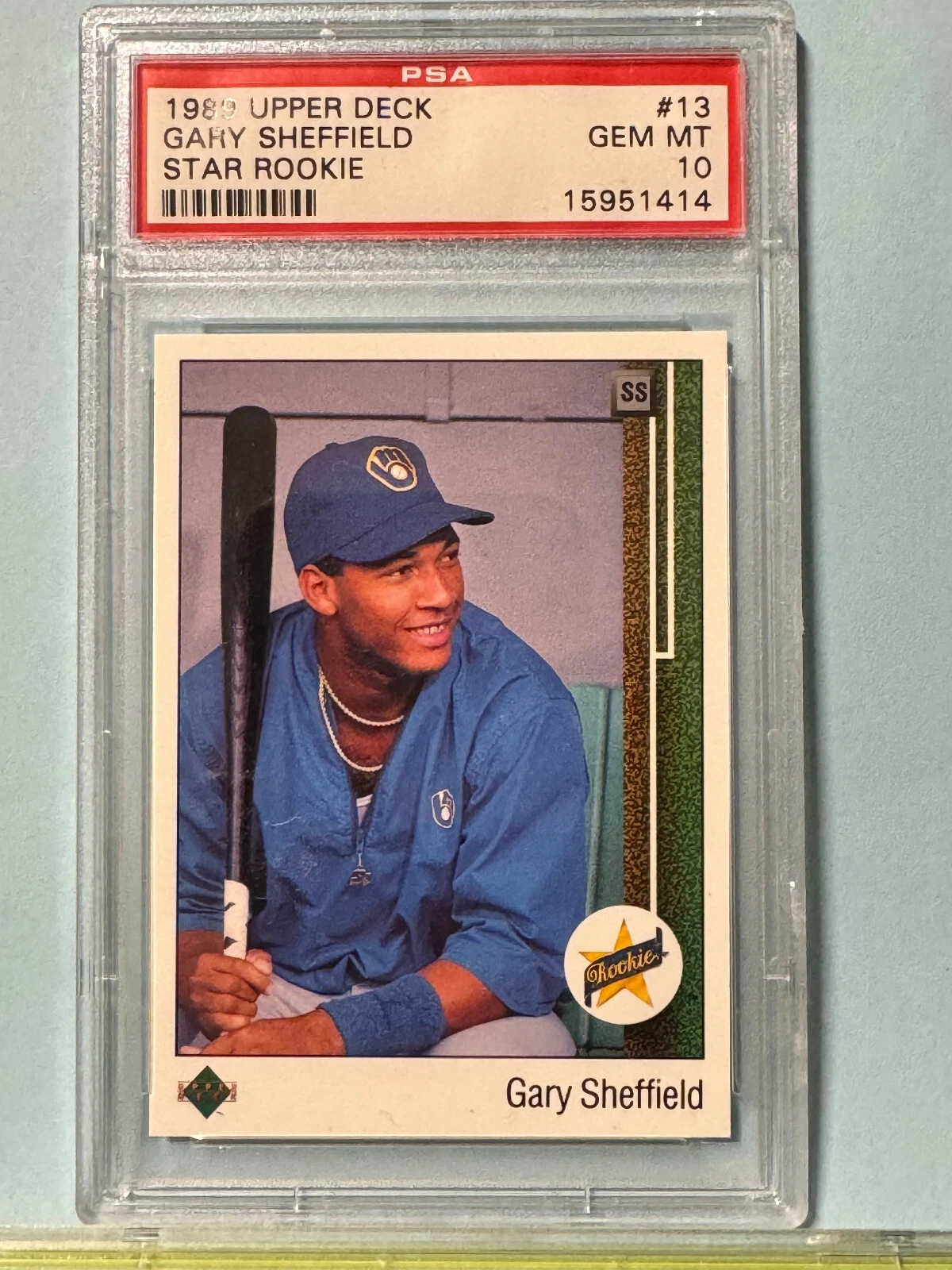
Gary Sheffield
Rookie Year: 1989
1989 Upper Deck #13 / Topps #343 / Fleer #196
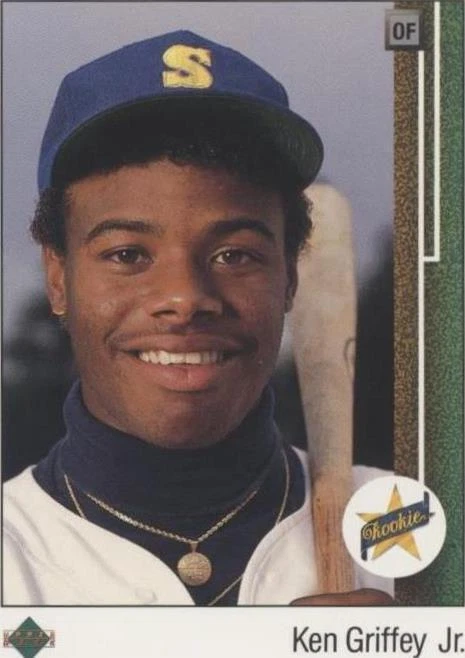
Ken Griffey Jr.
Rookie Year: 1989
1989 Upper Deck / Fleer / Bowman / Topps Traded / Donruss
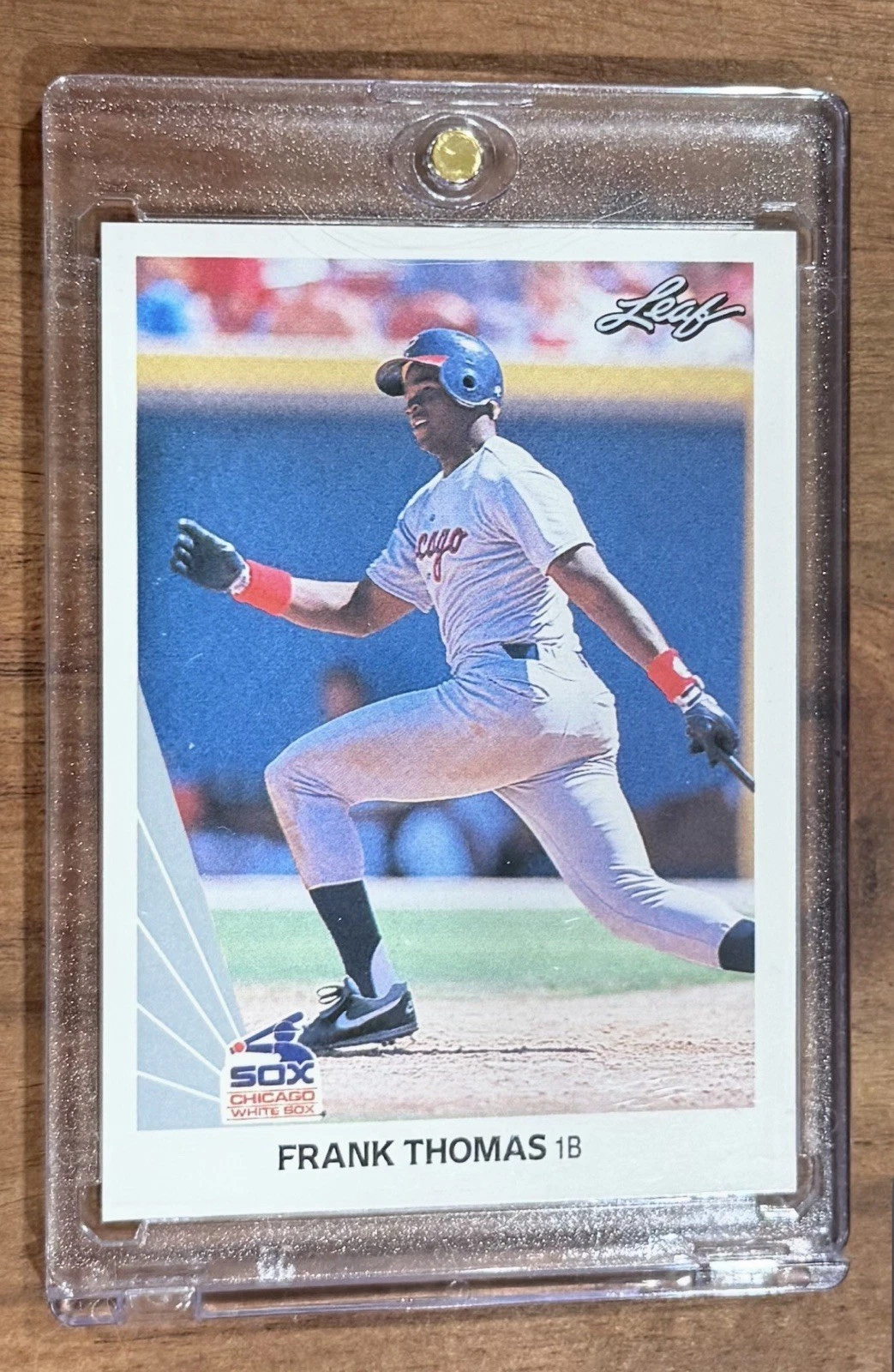
Frank Thomas
Rookie Year: 1990
1990 Leaf #300 / 1990 Topps #414 / 1990 Bowman #320
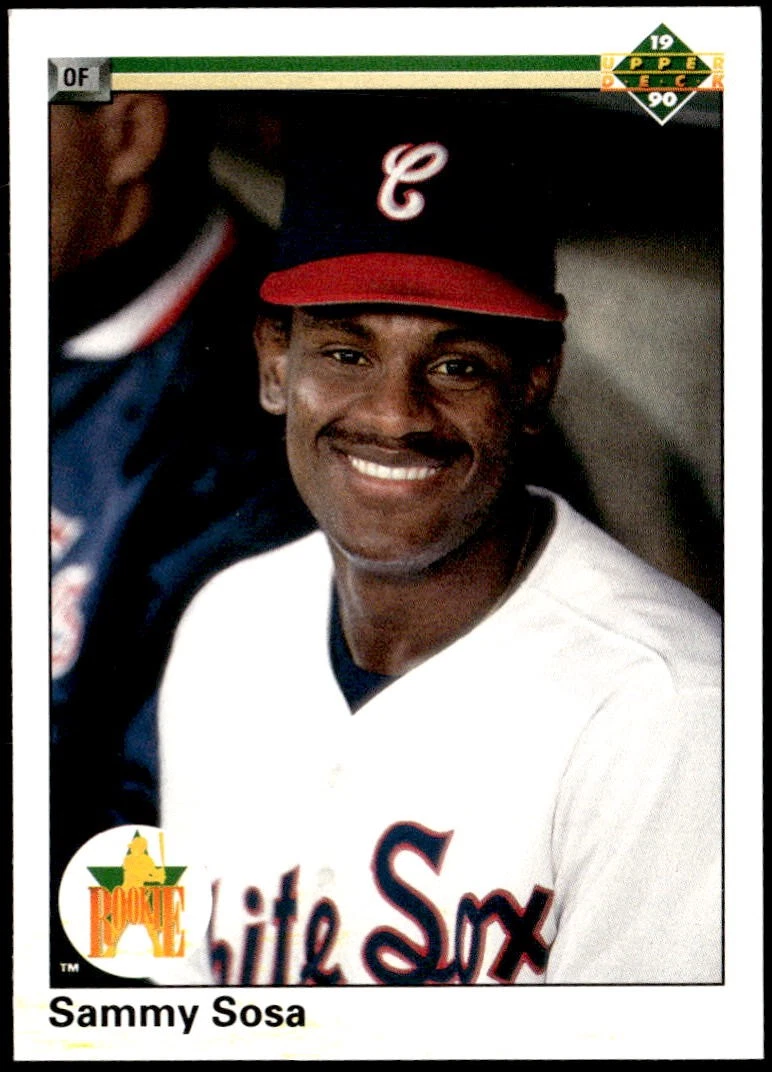
Sammy Sosa
Rookie Year: 1990
1990 Upper Deck #17 / 1990 Topps #692 / 1990 Leaf #220
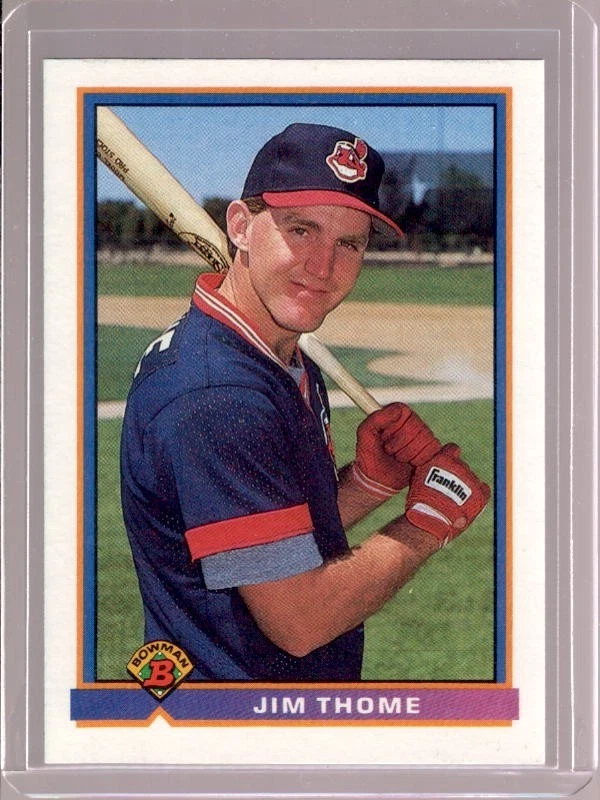
Jim Thome
Rookie Year: 1991
1991 Bowman #68 / 1991 Upper Deck Final Edition #17F
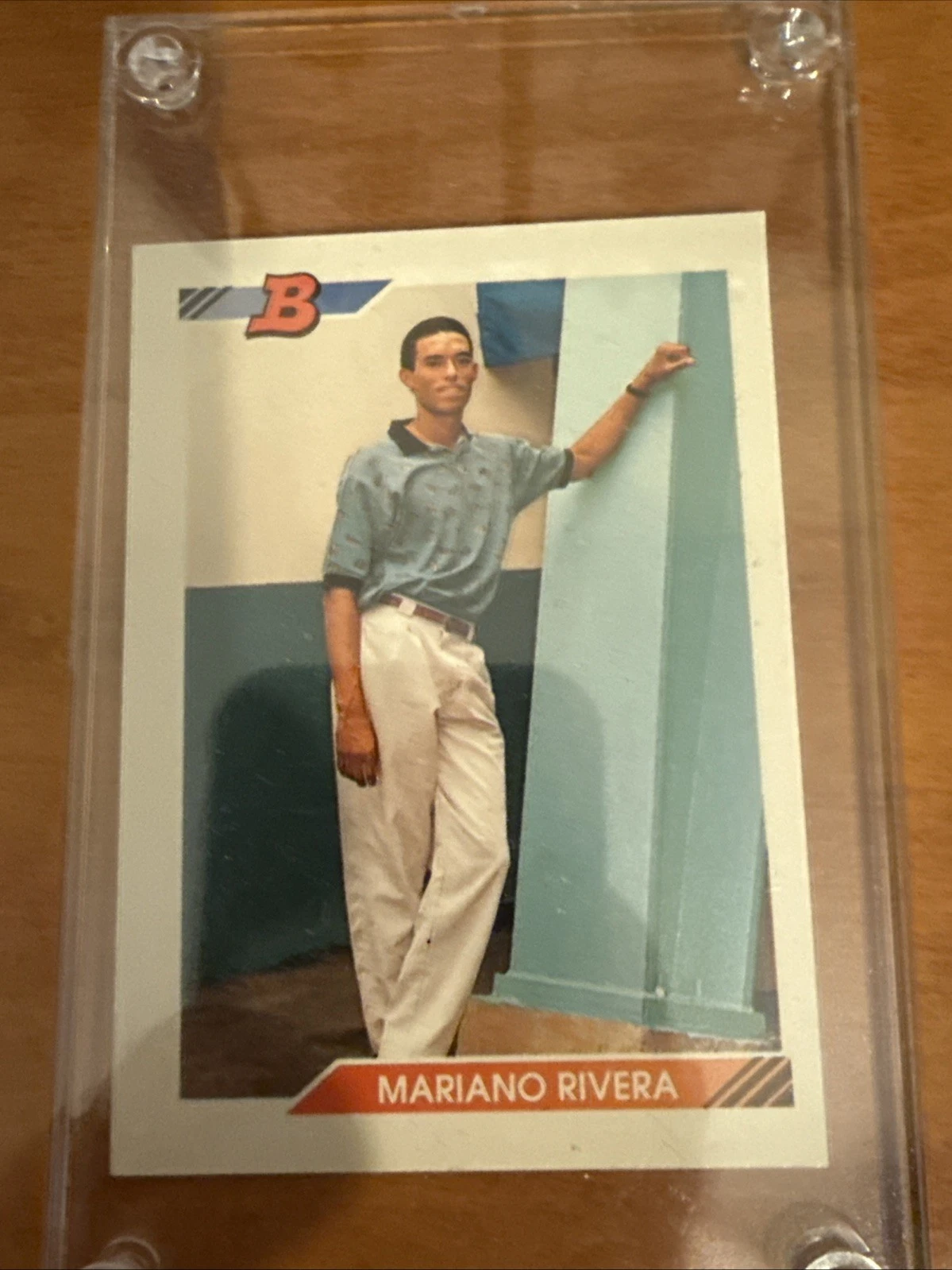
Mariano Rivera
Rookie Year: 1992
1992 Bowman #302
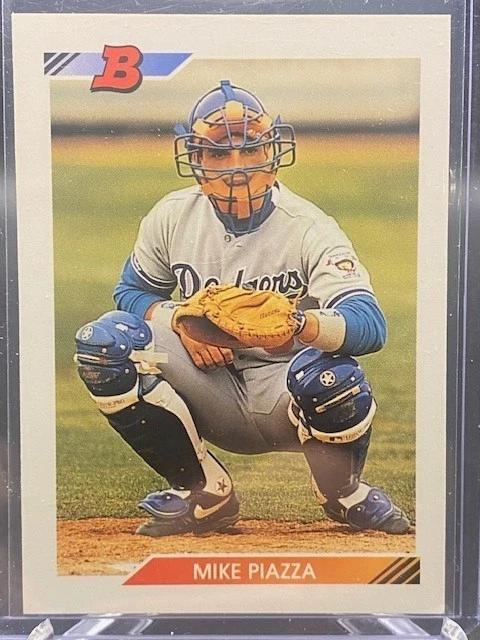
Mike Piazza
Rookie Year: 1992
1992 Fleer Update #U-92 / Bowman #461
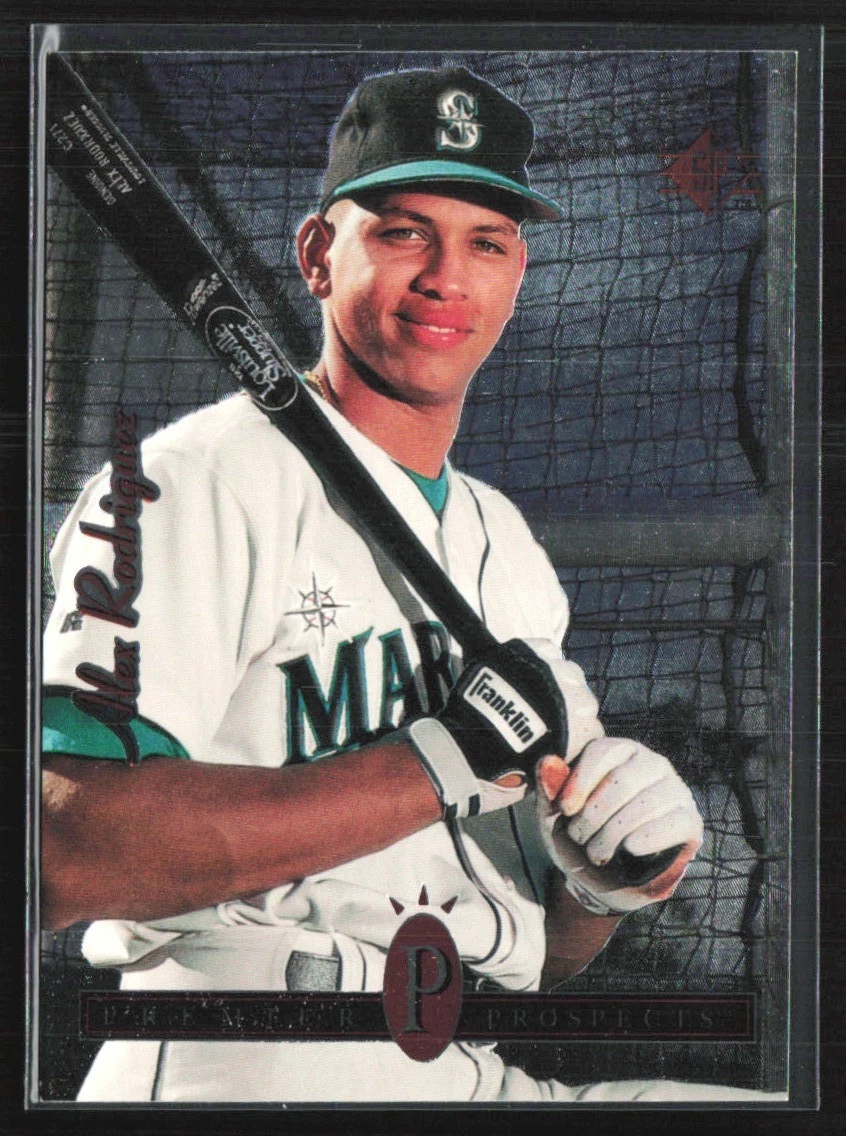
Alex Rodriguez
Rookie Year: 1994
1994 SP / Upper Deck / Bowman / Flair
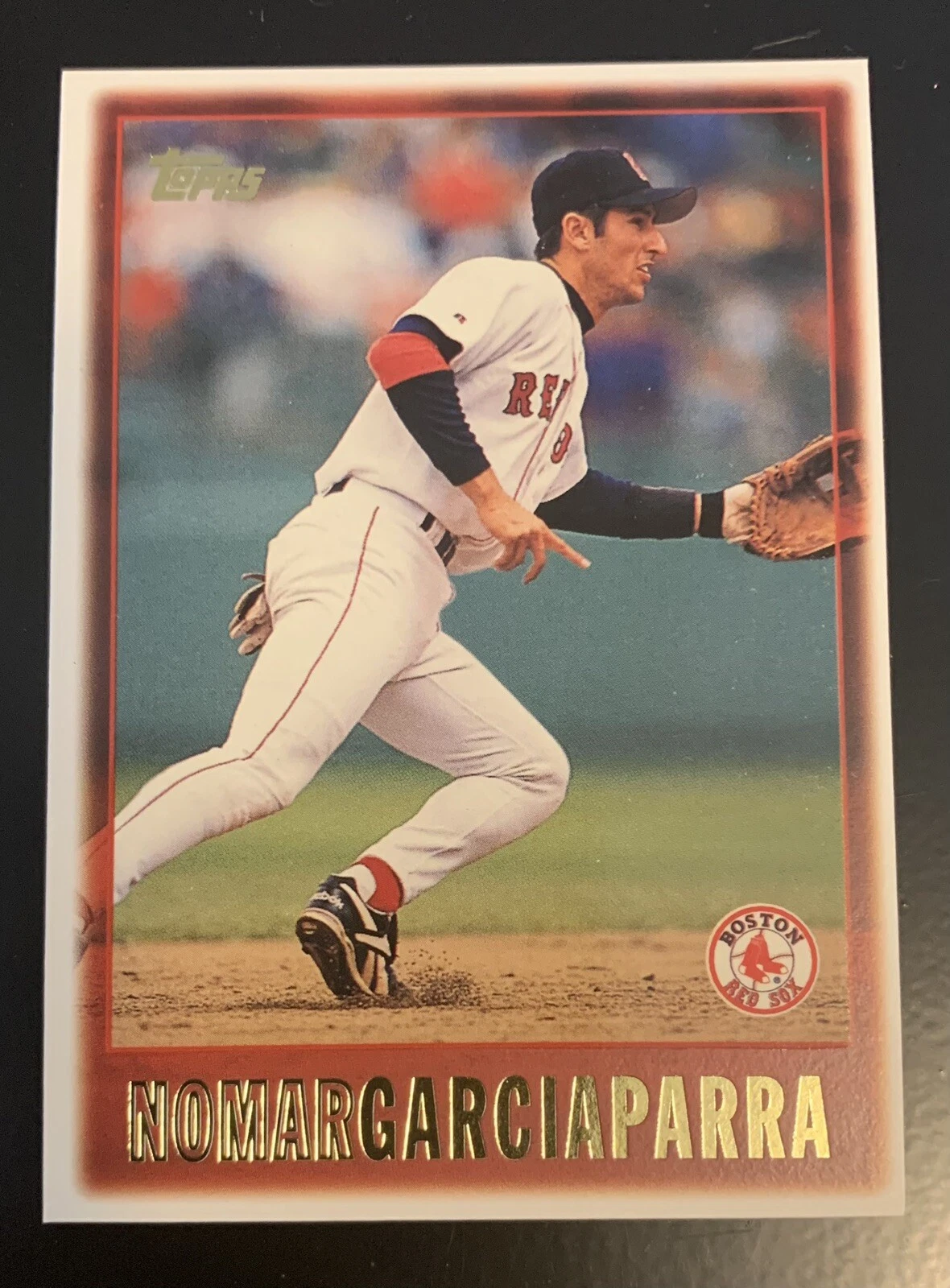
Nomar Garciaparra
Rookie Year: 1997
1997 Topps #293 / 1997 Topps Chrome #99 / 1997 Bowman Chrome #224
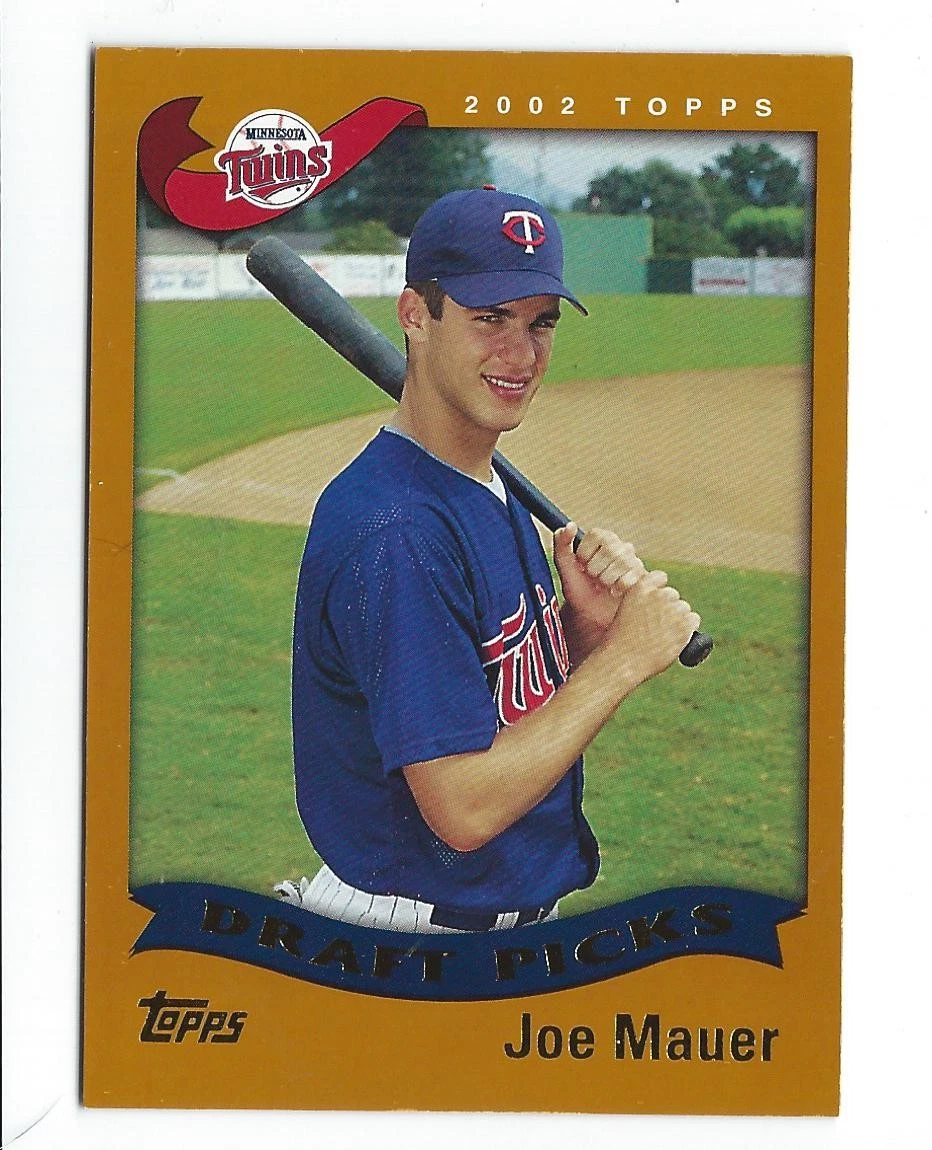
Joe Mauer
Rookie Year: 2004
2002 Topps #622 / 2002 Bowman #379 / 2002 Bowman Chrome Auto #391
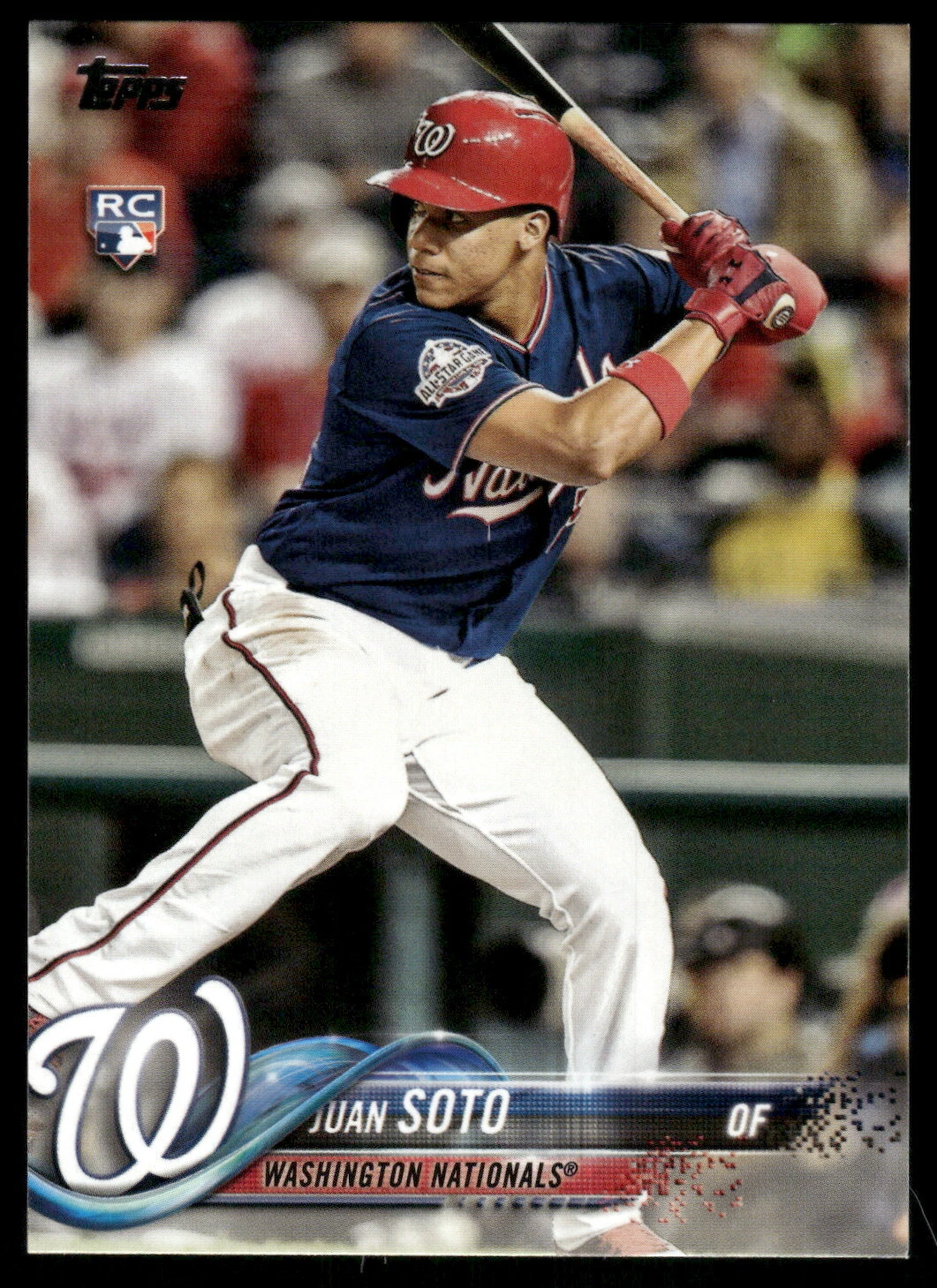
Juan Soto
Rookie Year: 2018
2018 Topps Update #US300
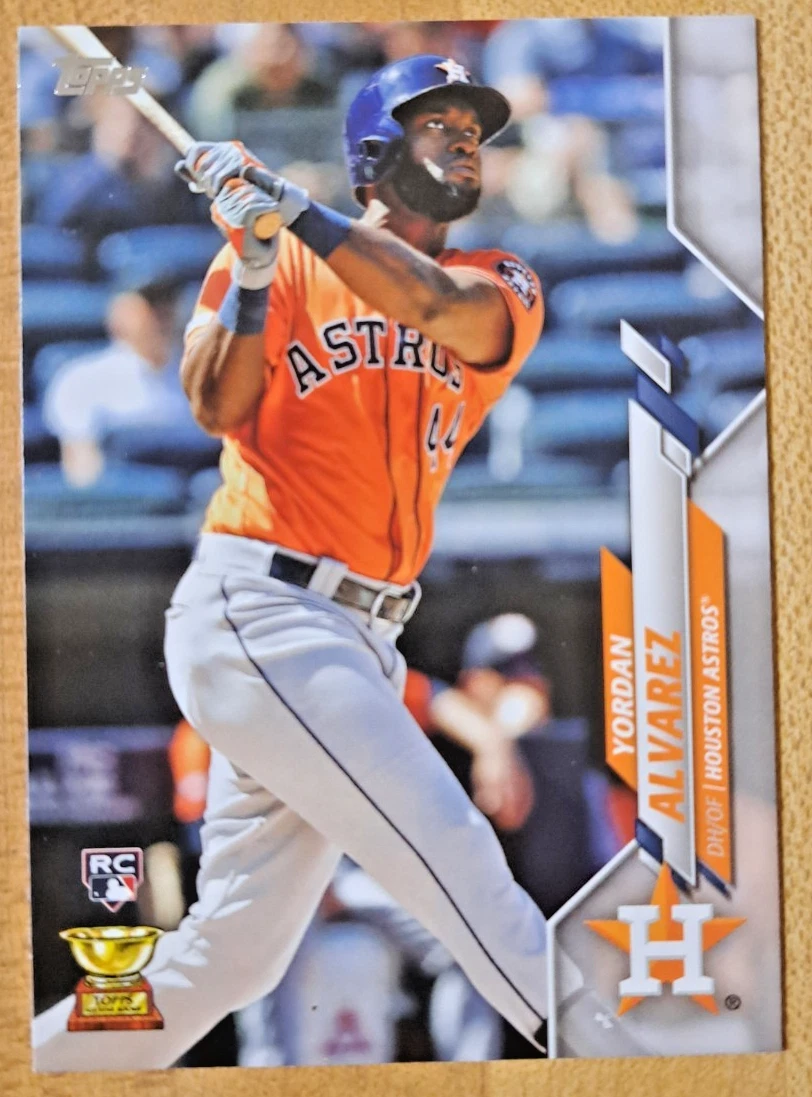
Yordan Alvarez
Rookie Year: 2019
2020 Topps Series 1 #276 / 2020 Topps Chrome #200
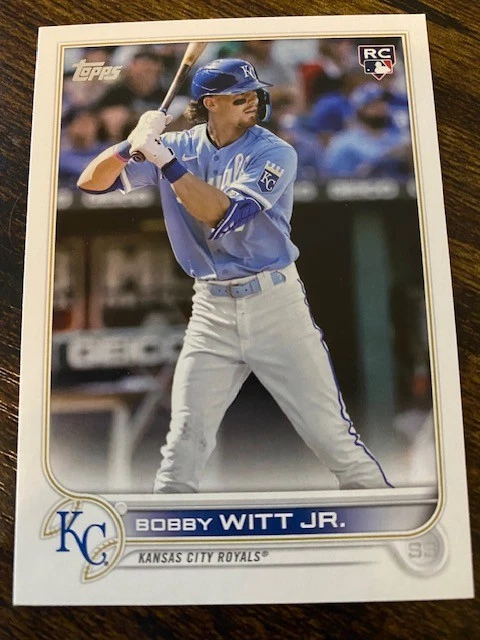
Bobby Witt Jr.
Rookie Year: 2022
2022 Topps Series 2 #660 / 2022 Topps Chrome Update #USC35
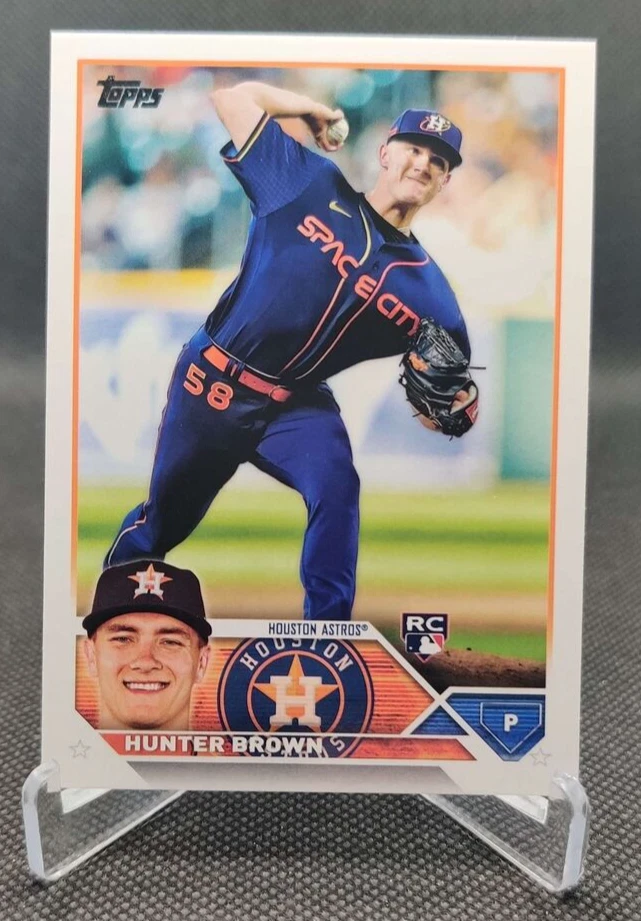
Hunter Brown
Rookie Year: 2023
2023 Topps Series 1 #111 / 2023 Topps Chrome #197
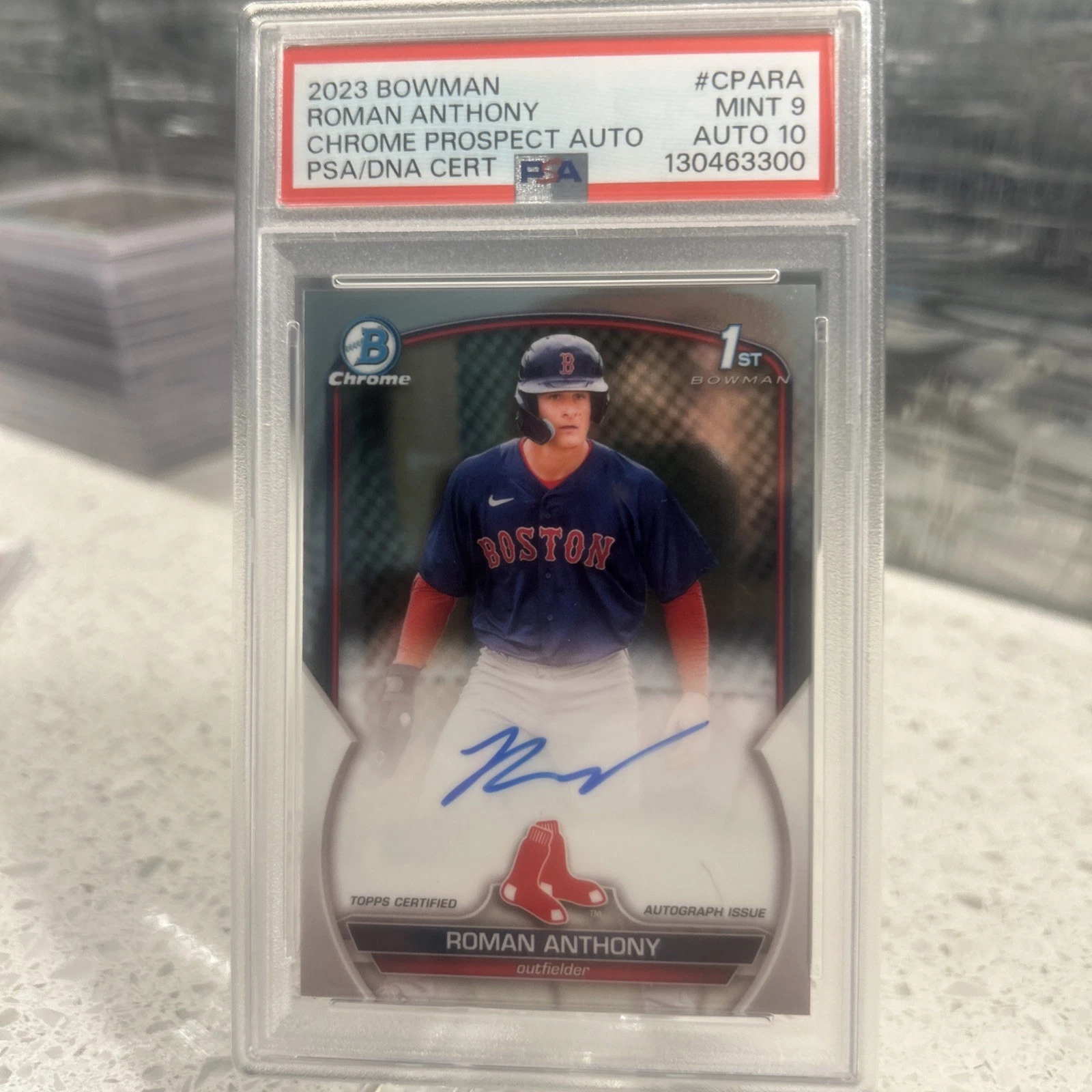
Roman Anthony
Rookie Year: 2023
2023 Bowman Chrome Draft 1st Bowman
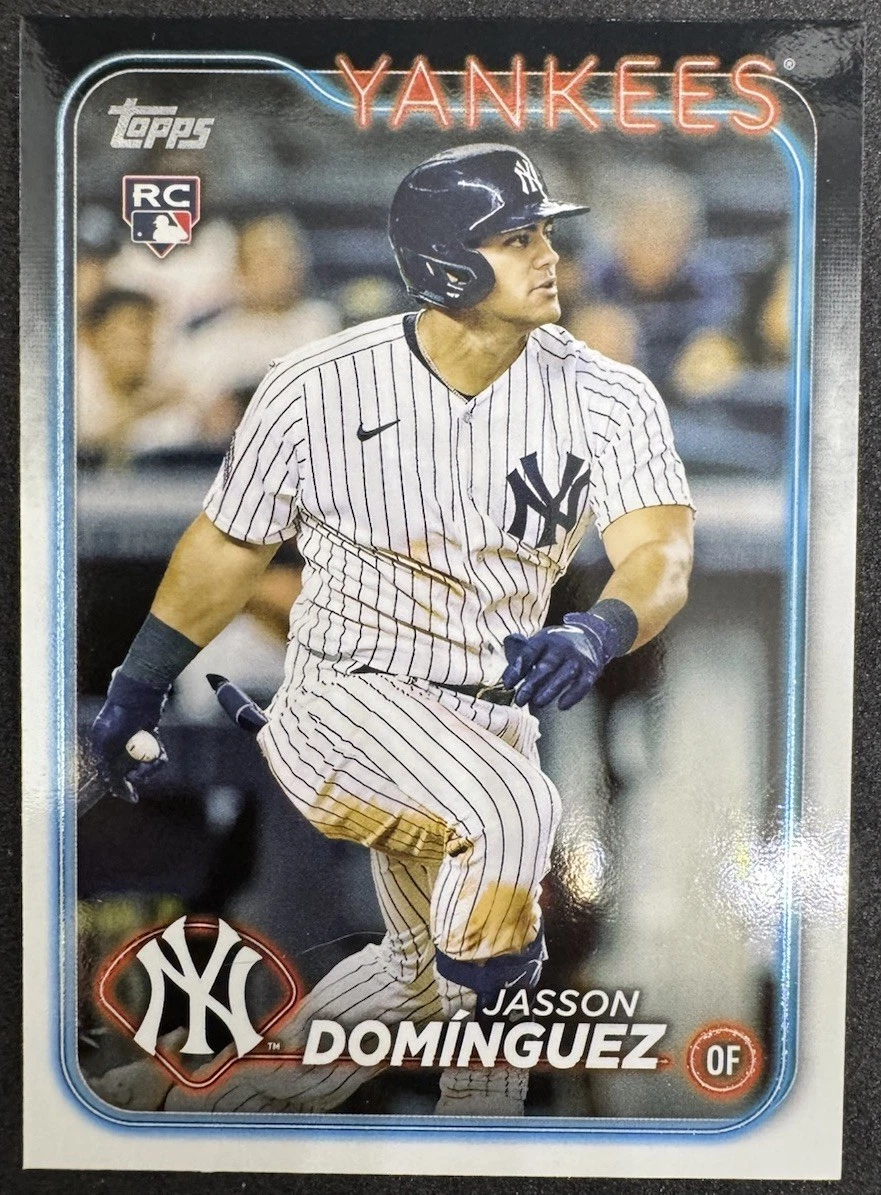
Jasson Domínguez
Rookie Year: 2024
2024 Topps Series 1 #60 / Topps Chrome / Heritage
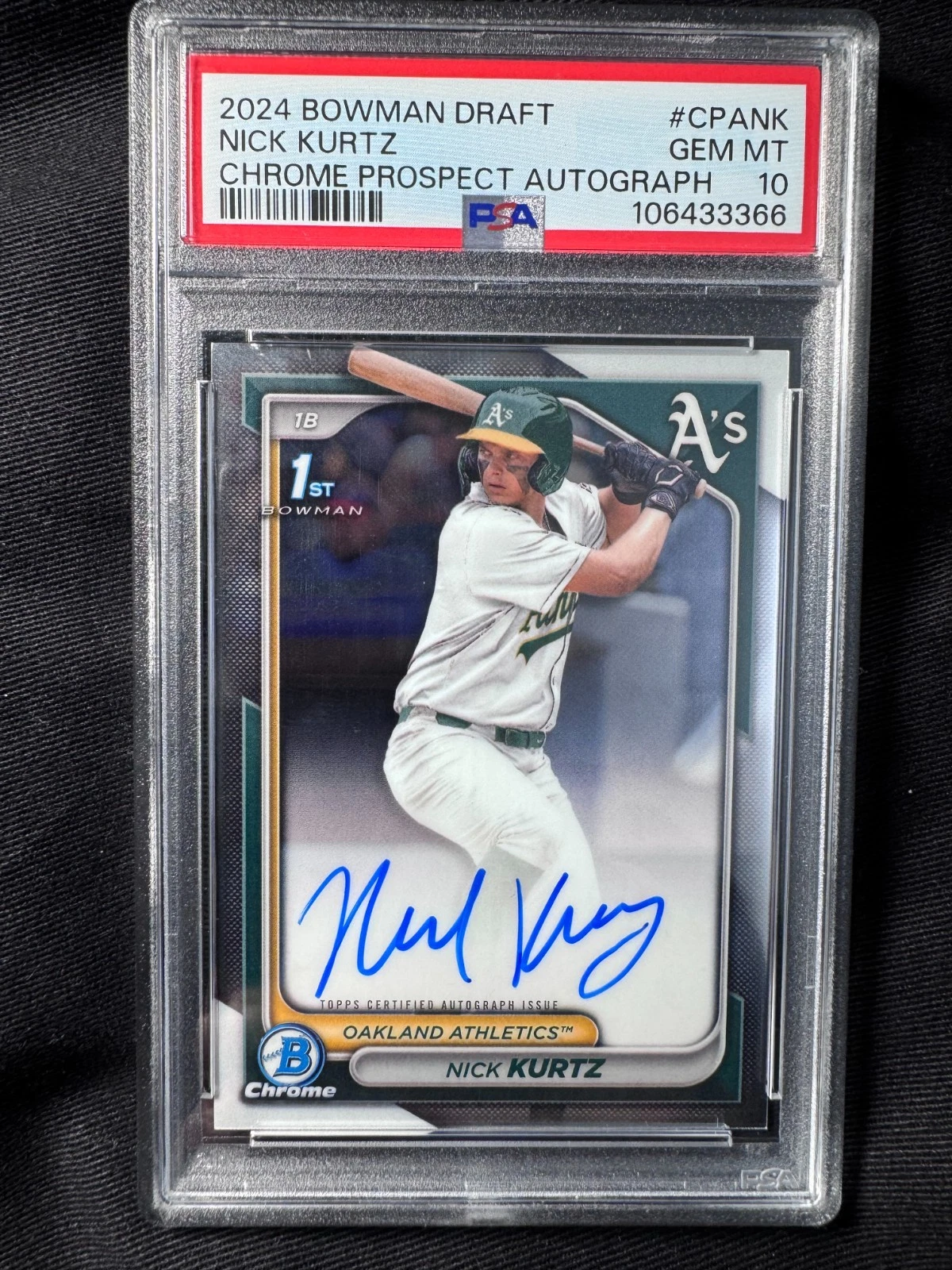
Nick Kurtz
Rookie Year: 2024
2024 Bowman Draft 1st Bowman

Paul Skenes
Rookie Year: 2024
2023 Bowman Chrome Draft / 2024 Topps Chrome Update
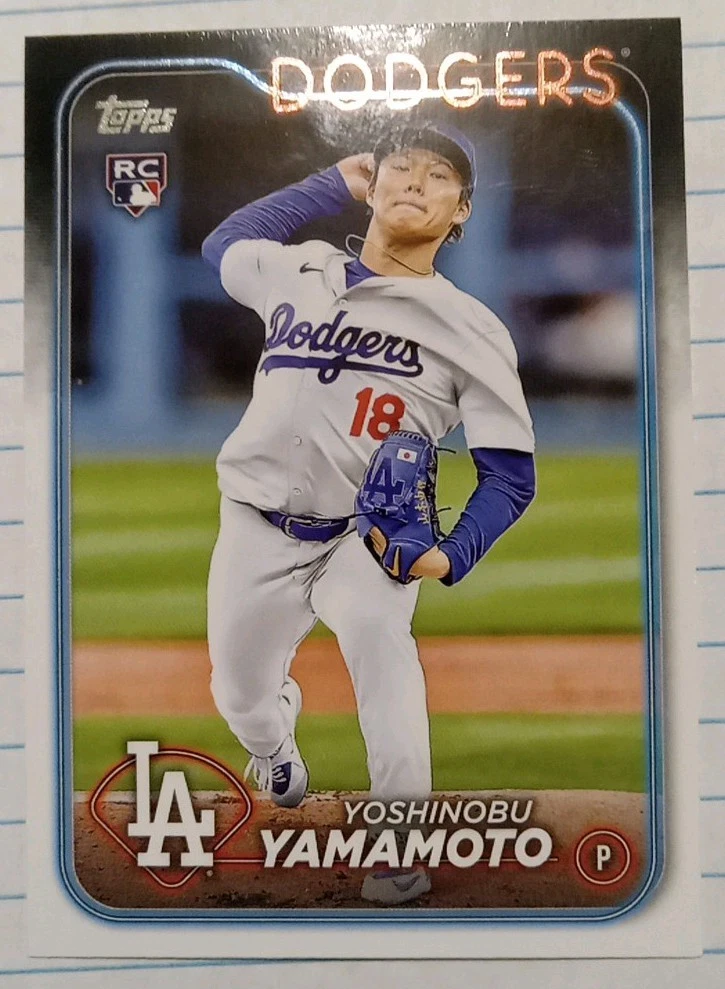
Yoshinobu Yamamoto
Rookie Year: 2024
2024 Topps Series 2 #553 / 2024 Topps Update #US149 Rookie Debut
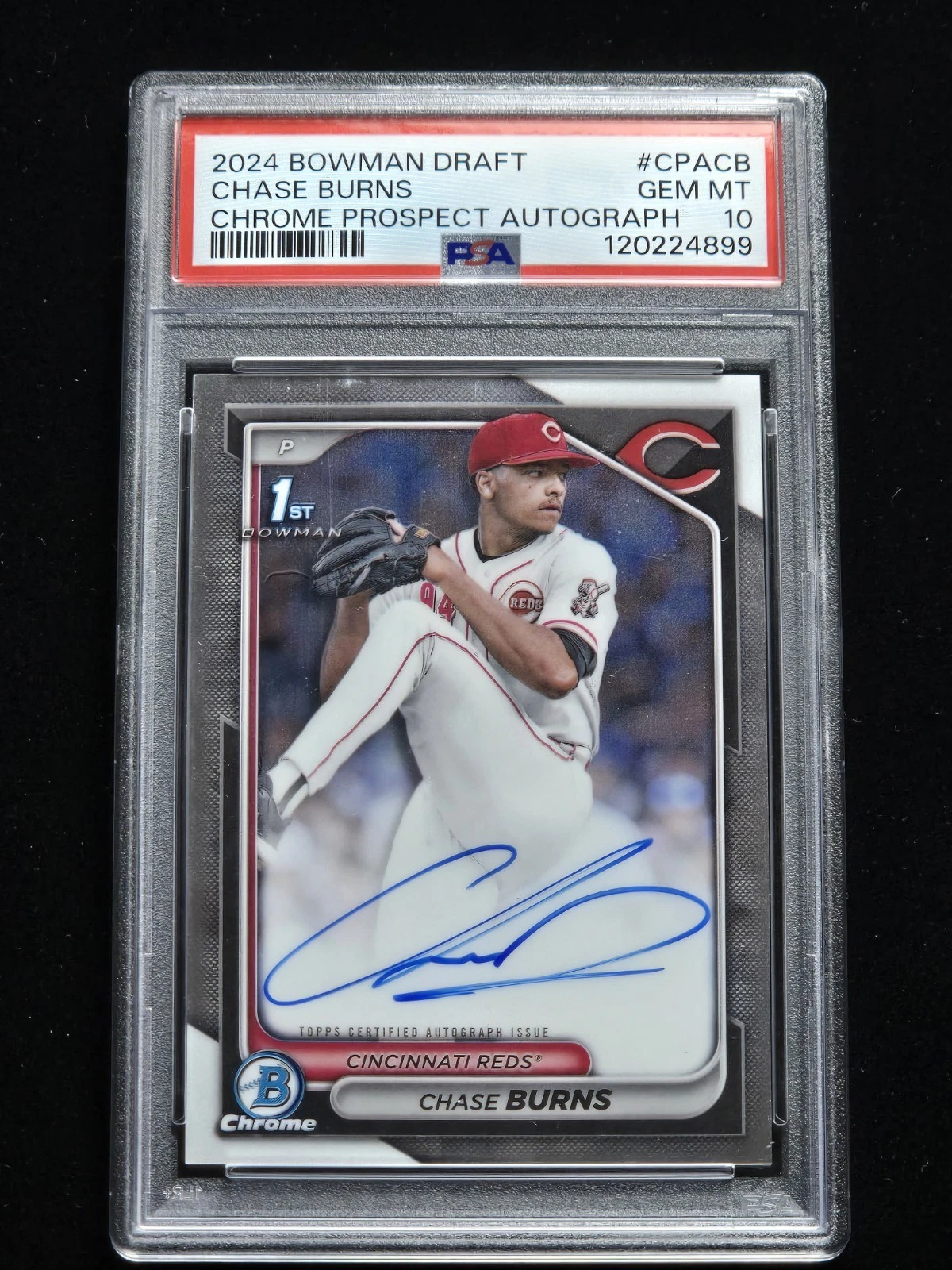
Chase Burns
Rookie Year: 2025
2025 Topps / Topps Chrome
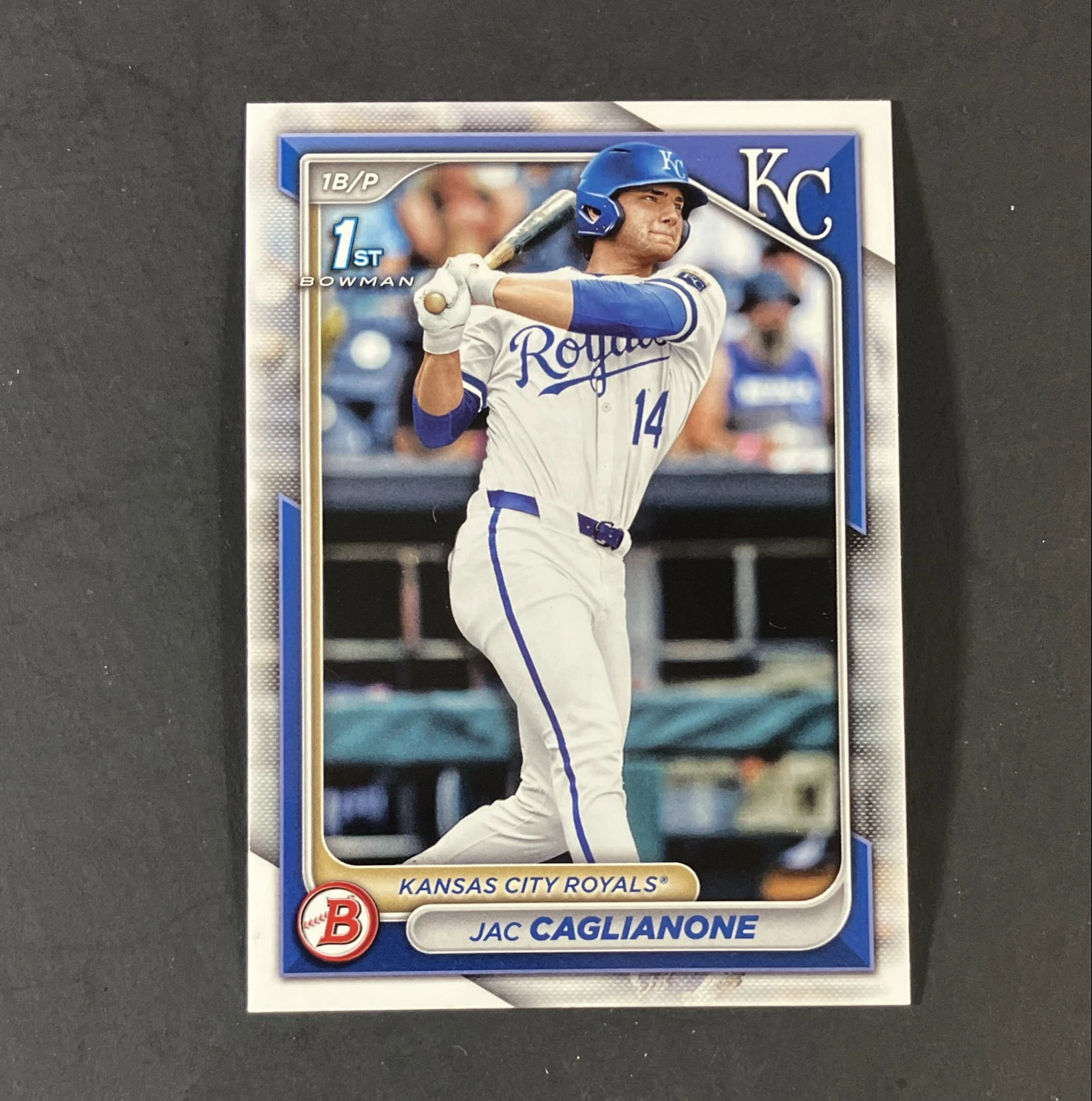
Jac Caglianone
Rookie Year: 2025
2024 Bowman Draft #BD-8 (1st Bowman) / 2026 Topps RC (expected)
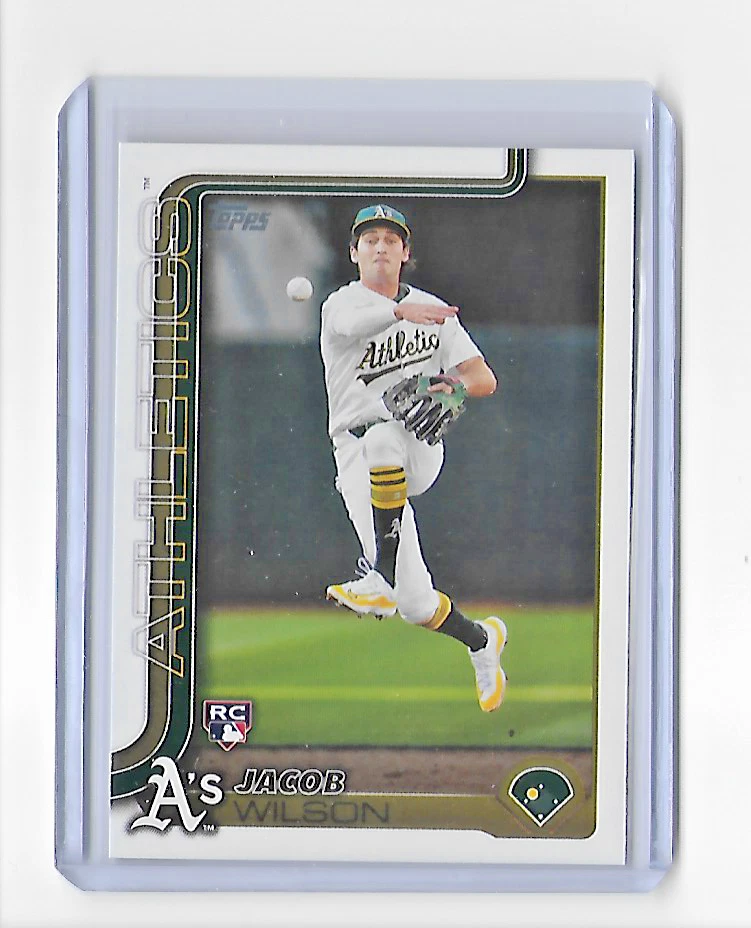
Jacob Wilson
Rookie Year: 2025
2025 Topps Series 1 #314 / 2025 Topps Chrome #96