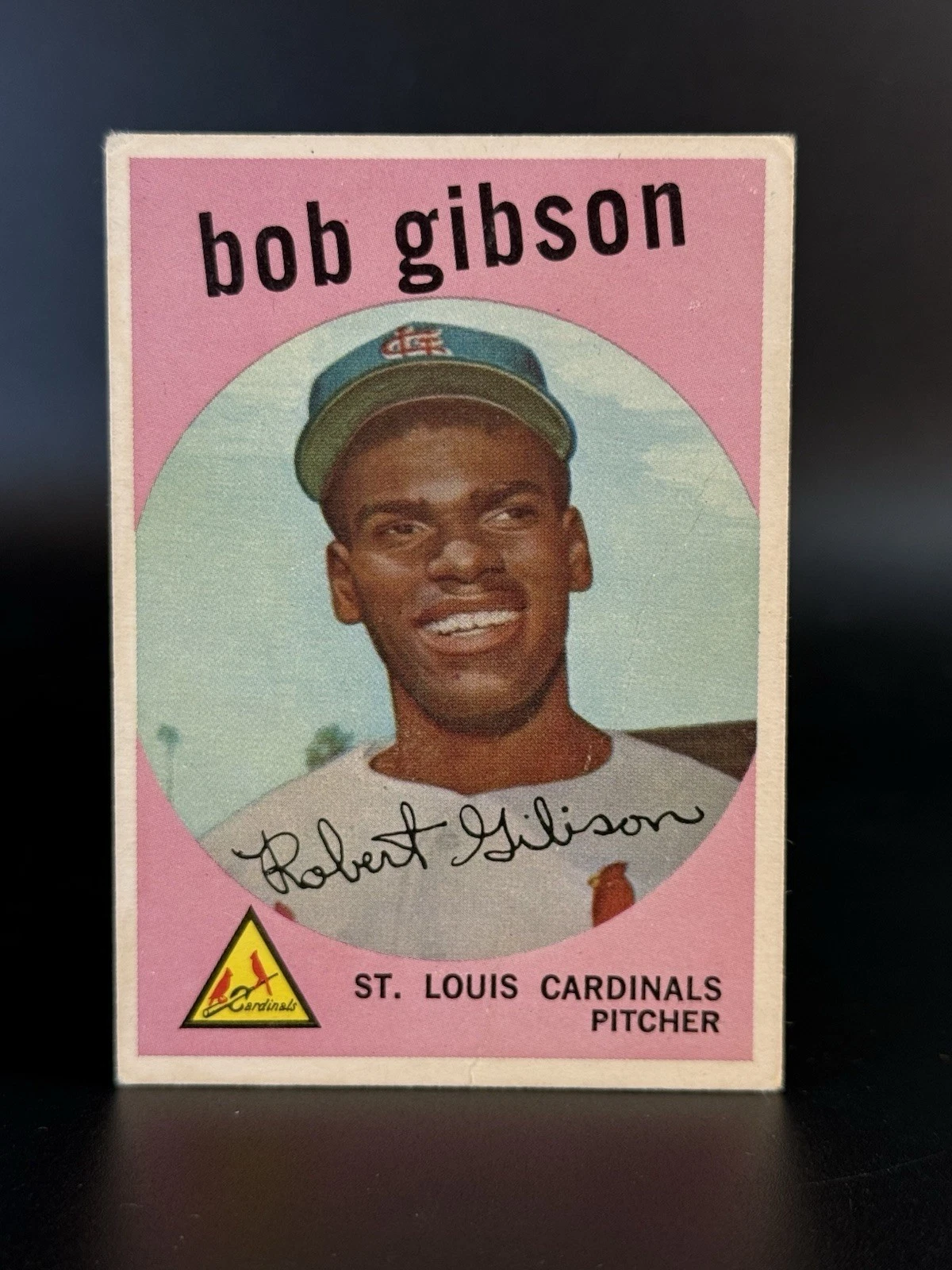
Bob Gibson Rookie Cards
The 1959 Topps Bob Gibson is a condition-sensitive vintage key. High grades are scarce due to print defects on the pink background, making nice mid-grade copies the target for most collectors.
Rookie year: 1959Flagship RC: 1959 Topps #514Top recent sale: High-grade PSA 8s and 9s command massive premiums, but eye-appealing PSA 4-5s see strong, steady volume.See live listings
Best Bob Gibson Rookie Cards & Early Issues
Values & Trends
Bob Gibson’s 1959 Topps rookie card is a blue-chip vintage staple. While his later dominance defined the "Year of the Pitcher" in 1968, his rookie card captures him early in his Cardinals tenure. Values are driven heavily by eye appeal, as the vibrant pink background on the 1959 Topps design is notorious for showing print defects and wear.
- Condition sensitivity: The solid pink circular background behind Gibson’s portrait acts as a magnet for "snow" (print spots) and surface scratches. Finding a clean, unblemished copy is challenging and commands a premium.
- Centering struggles: 1959 Topps cards are frequently found off-center. Collectors often pay significantly more for a PSA 5 with perfect centering than a PSA 7 that is noticeably miscut.
- Hall of Fame stability: As one of the most intimidating pitchers in history and a first-ballot Hall of Famer, Gibson’s market is remarkably stable. It doesn't see the wild swings of modern prospects but sees consistent long-term appreciation in mid-to-high grades.
Buying Guide: How to Pick Bob Gibson Rookie Cards
- Focus on eye appeal over technical grade especially with the 1959 Topps pink background. A lower-grade card with deep color and a clean portrait often looks better in a display than a higher-grade copy with distracting print snow.
- Watch for "snow" and print lines in the solid color areas. These defects are common in the 1959 set and can significantly hurt the visual appeal of the card, even if corners are sharp.
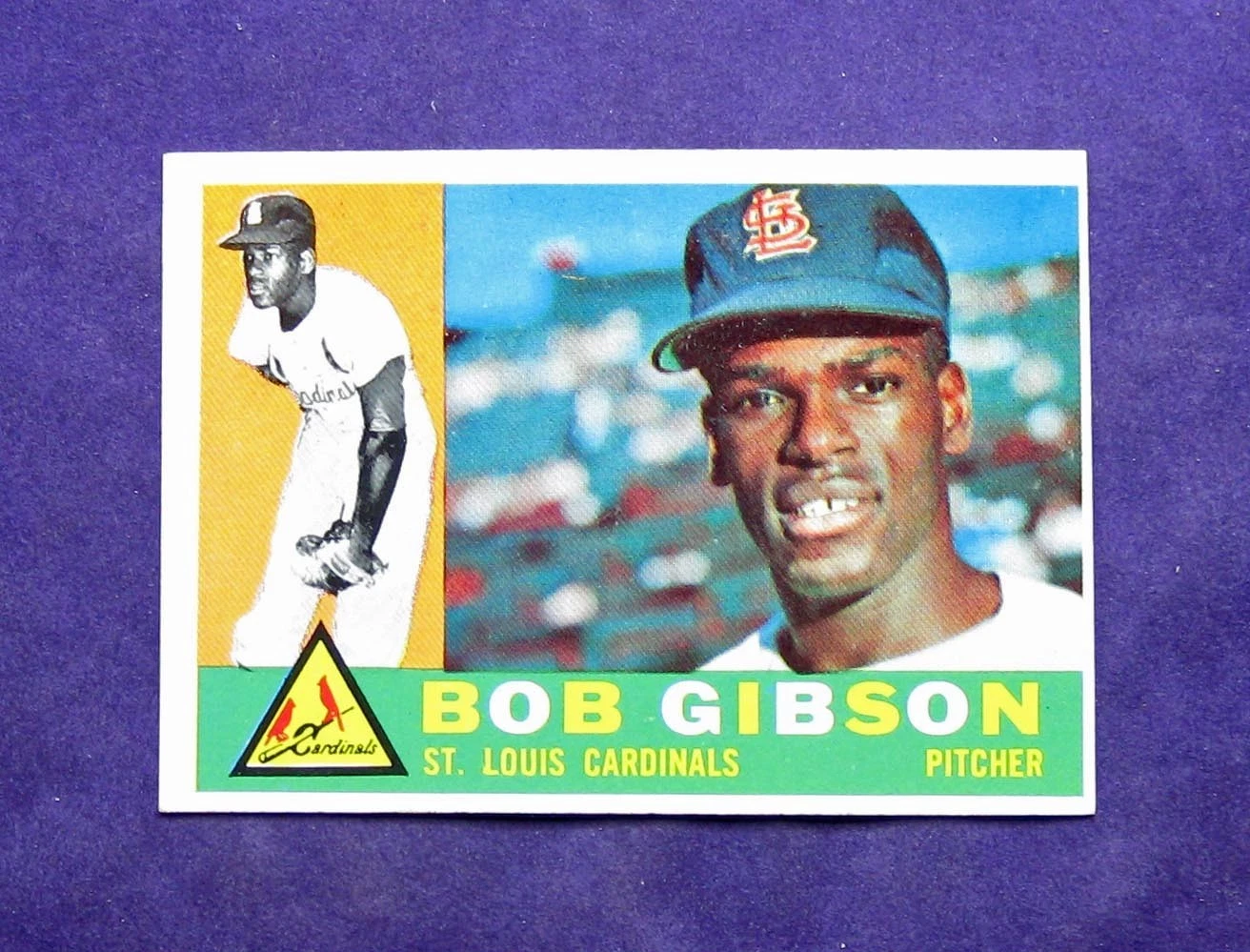
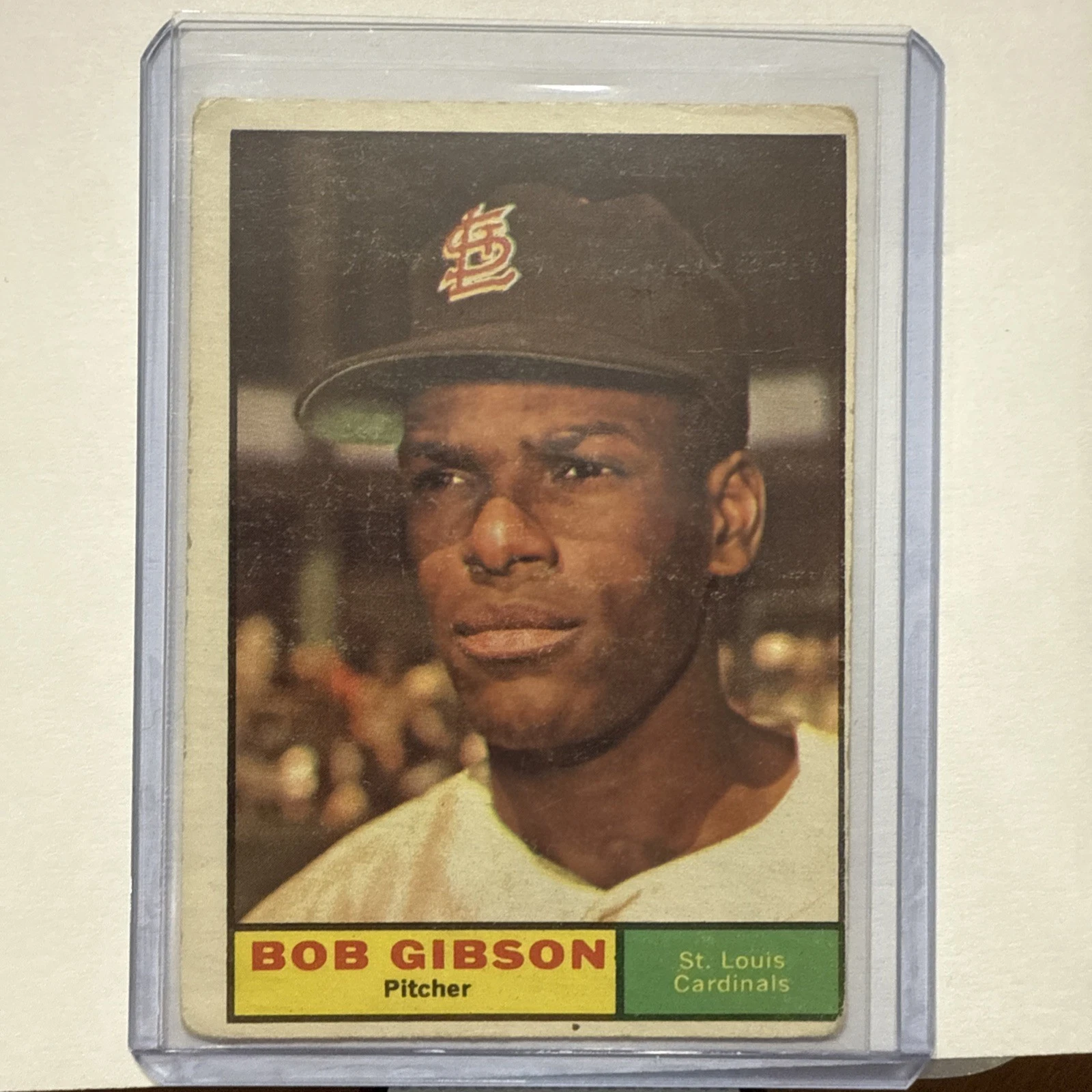
- Consider the "True RC" vs. Second Year gap. The 1959 Topps #514 is his only recognized rookie card and carries a hefty price tag. For collectors on a budget, his 1960 Topps #73 or 1961 Topps #211 offer excellent vintage alternatives at a fraction of the cost.
- Check centering on the back as well as the front. While front centering is key for display, serious vintage collectors also look for reasonable centering on the reverse, which can affect the overall grade ceiling.
- Buy graded for authentication since vintage cards are targets for alterations or counterfeits. For a card of this magnitude, sticking to PSA, SGC, or BVG slabs is the safest route. For more on grading, see our grading guide .
Full Rookie Card Checklist
True RC, Autos and Serials
Bob Gibson has only one recognized "True Rookie Card": the 1959 Topps #514. Unlike modern players with dozens of parallels, Gibson collectors focus entirely on this single vintage issue. However, he signed many cards in later years for products like Topps Archives, Tier One, and Five Star, giving collectors a chance to add certified on-card autographs to their collection alongside the vintage original.
Best Boxes & Sets to Pull Bob Gibson Rookie Cards
Grading & Population
The 1959 Topps Bob Gibson is a challenging grade. The colored background reveals wear instantly. While thousands have been graded, high grades are exceptionally rare. PSA 8s are considered investment-grade treasures, and anything higher is virtually nonexistent in the open market.
- The PSA 8 Cliff: Prices jump exponentially from PSA 7 to PSA 8. Most collectors find the "sweet spot" in the PSA 3 to PSA 5 range, where the card presents well but remains attainable.
- SGC Appeal: SGC is very popular for vintage cards like this. The black insert in the SGC slab frames the pink 1959 design beautifully, making SGC copies highly desirable for display.
- Authenticity First: Even low-grade raw copies should be approached with caution unless you are an expert in spotting reprints or trimming. A low-grade slab (PSA 1-2) is often a better buy than a raw card of questionable origin.
About Bob Gibson
Bob Gibson, known as "Hoot" or "Gibby," was one of the fiercest competitors to ever step on a mound. A lifelong St. Louis Cardinal, he dominated the 1960s with an aggressive style and an overwhelming fastball. His 1968 season is legendary—posting a 1.12 ERA that was so dominant it helped lower the pitcher's mound the following year. A two-time World Series champion and MVP, Gibson’s legacy keeps his 1959 rookie card permanently on the want list of every serious baseball card collector.
Resources & Related Guides
FAQ
What is the true Bob Gibson rookie card?
Bob Gibson has only one true rookie card: the 1959 Topps #514. It is his first major league card and the only one issued during his rookie season.
How much is a 1959 Topps Bob Gibson worth?
Values depend heavily on condition. A low-grade (PSA 1-2) copy might sell for $100-$200, while a nice mid-grade (PSA 4-5) can range from $400 to $800. High-grade copies (PSA 8+) are extremely rare and can sell for thousands of dollars.
Why is the Bob Gibson rookie card hard to grade?
The 1959 Topps design features a solid pink circular background behind Gibson’s photo. This area easily shows print "snow" (white spots), scratches, and wear. Centering is also a common issue with this set.
Is the 1960 Topps Bob Gibson a rookie card?
No, the 1960 Topps #73 is his second-year card. While it is a popular and more affordable vintage card, it is not considered a rookie card by collectors.
Should I buy a raw or graded Bob Gibson rookie?
For a card of this value and vintage, buying graded (PSA, SGC, BVG) is highly recommended to ensure authenticity and that the card has not been altered or trimmed.
More MLB Rookie Cards
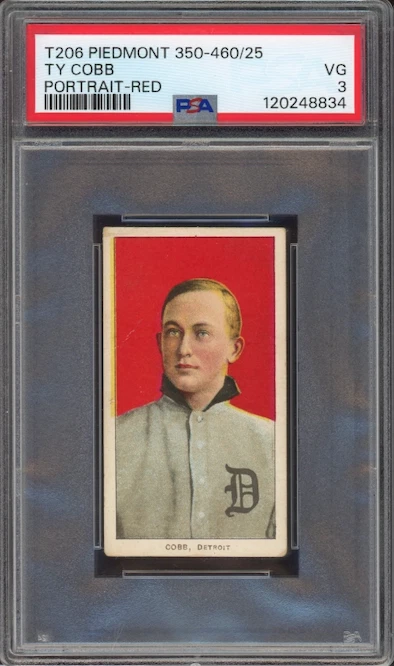
Ty Cobb
Rookie Year: 1905
1909-11 T206 White Border (Cobb portraits and batting poses)
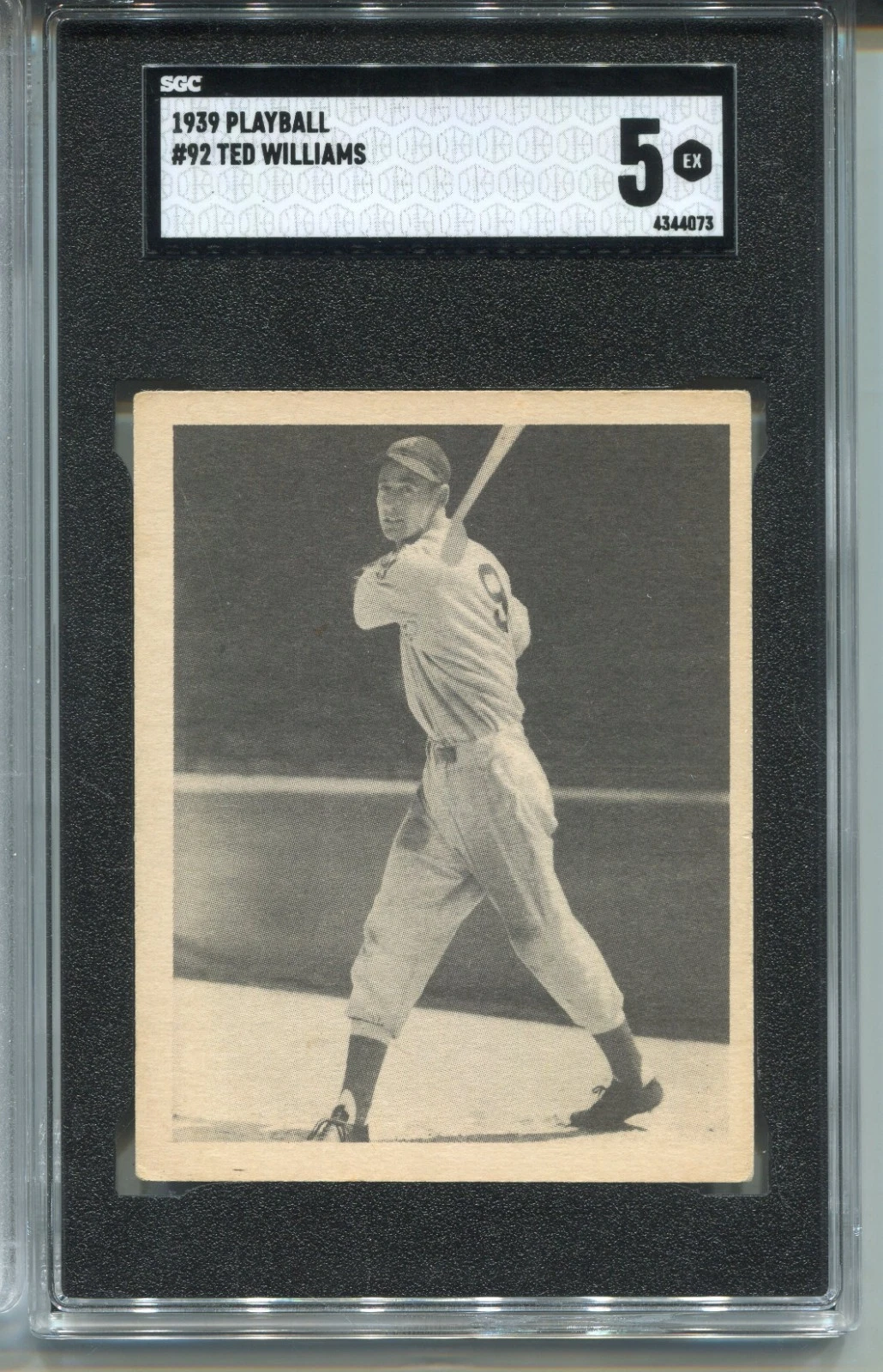
Ted Williams
Rookie Year: 1939
1939 Play Ball #92
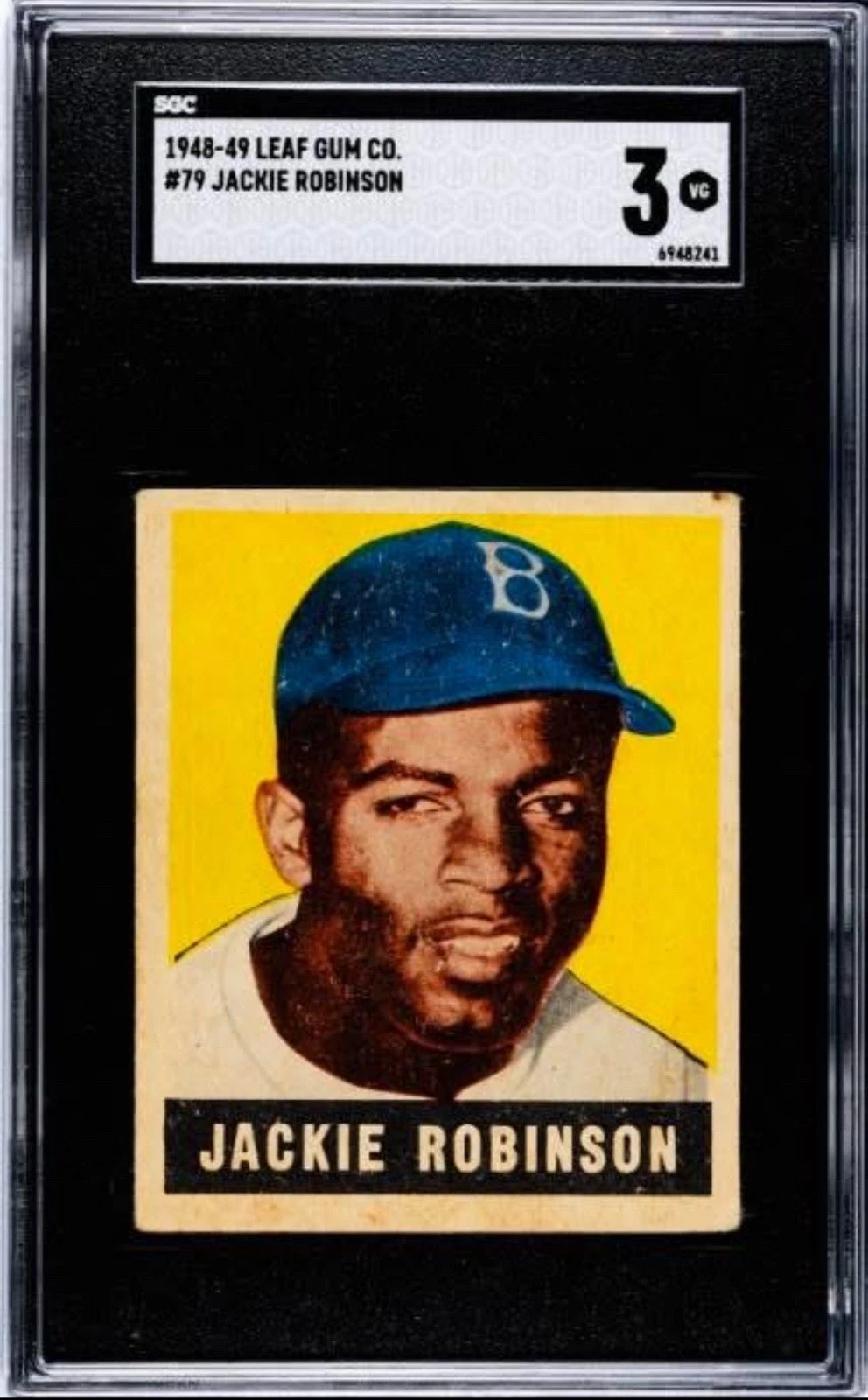
Jackie Robinson
Rookie Year: 1948
1948 Leaf #79
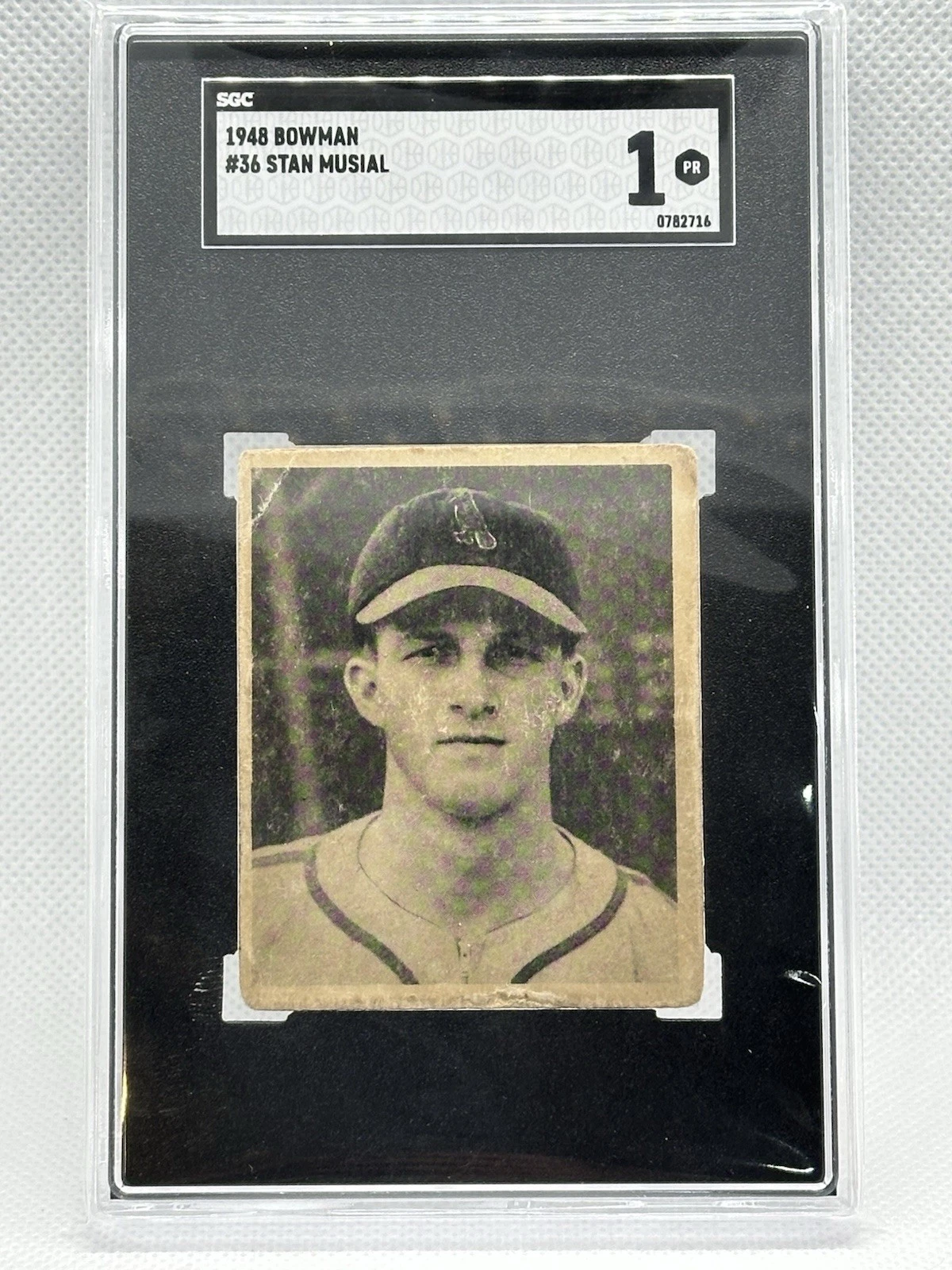
Stan Musial
Rookie Year: 1948
1948 Bowman #36 / 1948 Leaf #4
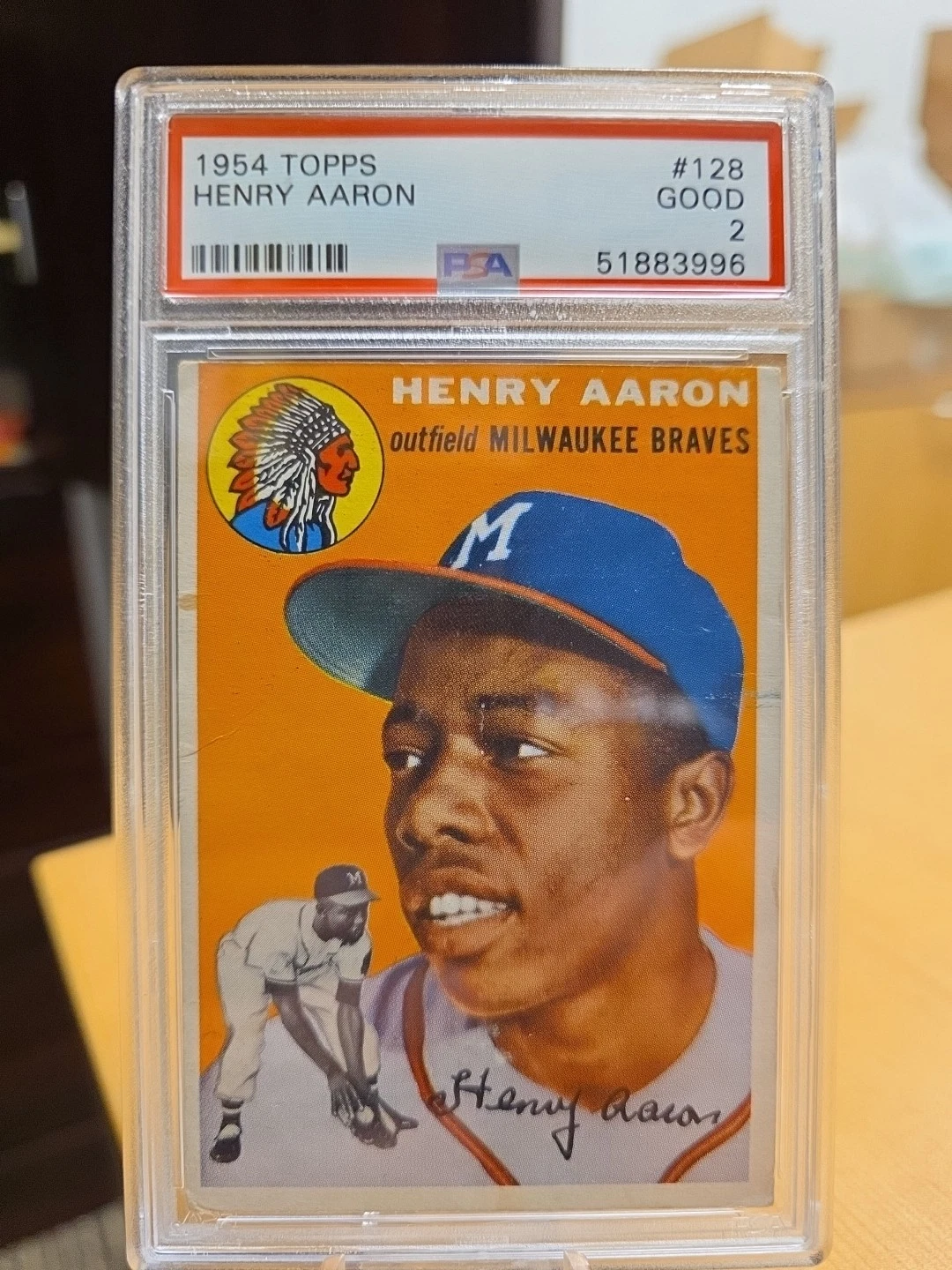
Hank Aaron
Rookie Year: 1954
1954 Topps #128 / 1954 Bowman #66
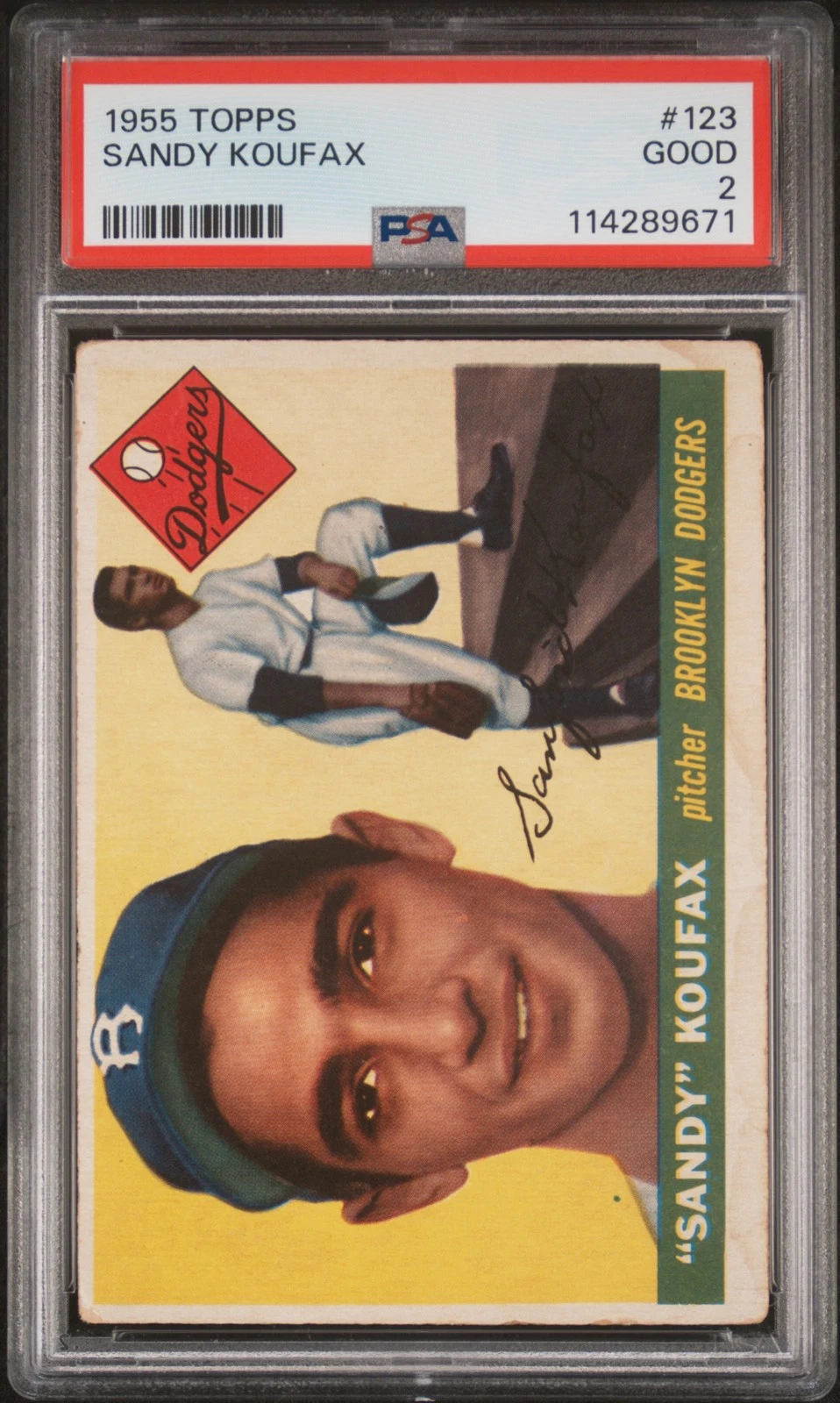
Sandy Koufax
Rookie Year: 1955
1955 Topps #123
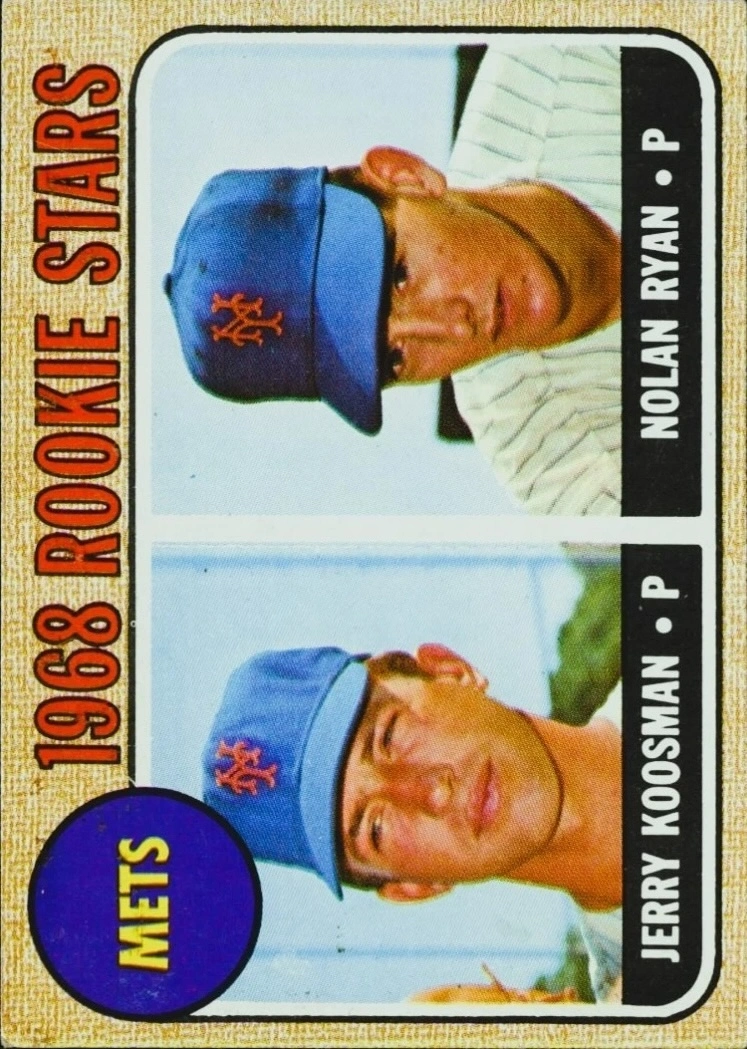
Nolan Ryan
Rookie Year: 1968
1968 Topps #177 Mets Rookie Stars
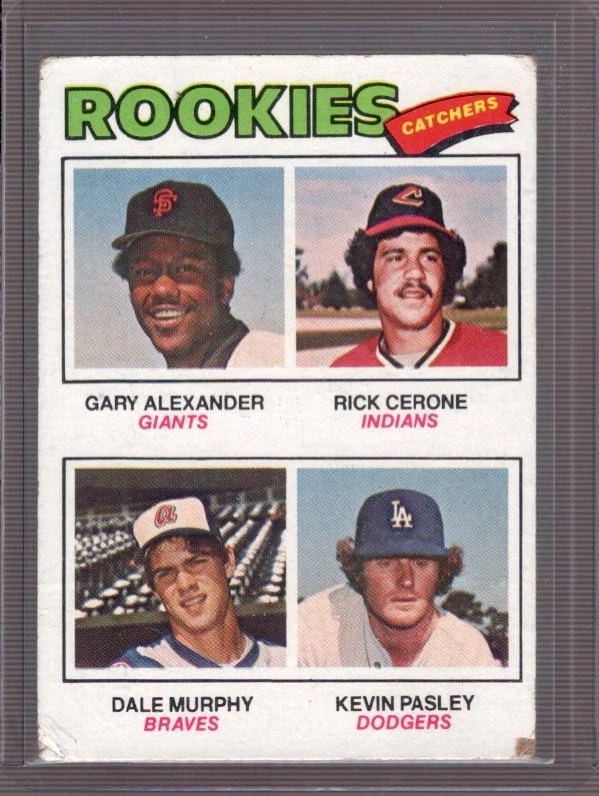
Dale Murphy
Rookie Year: 1977
1977 Topps #476
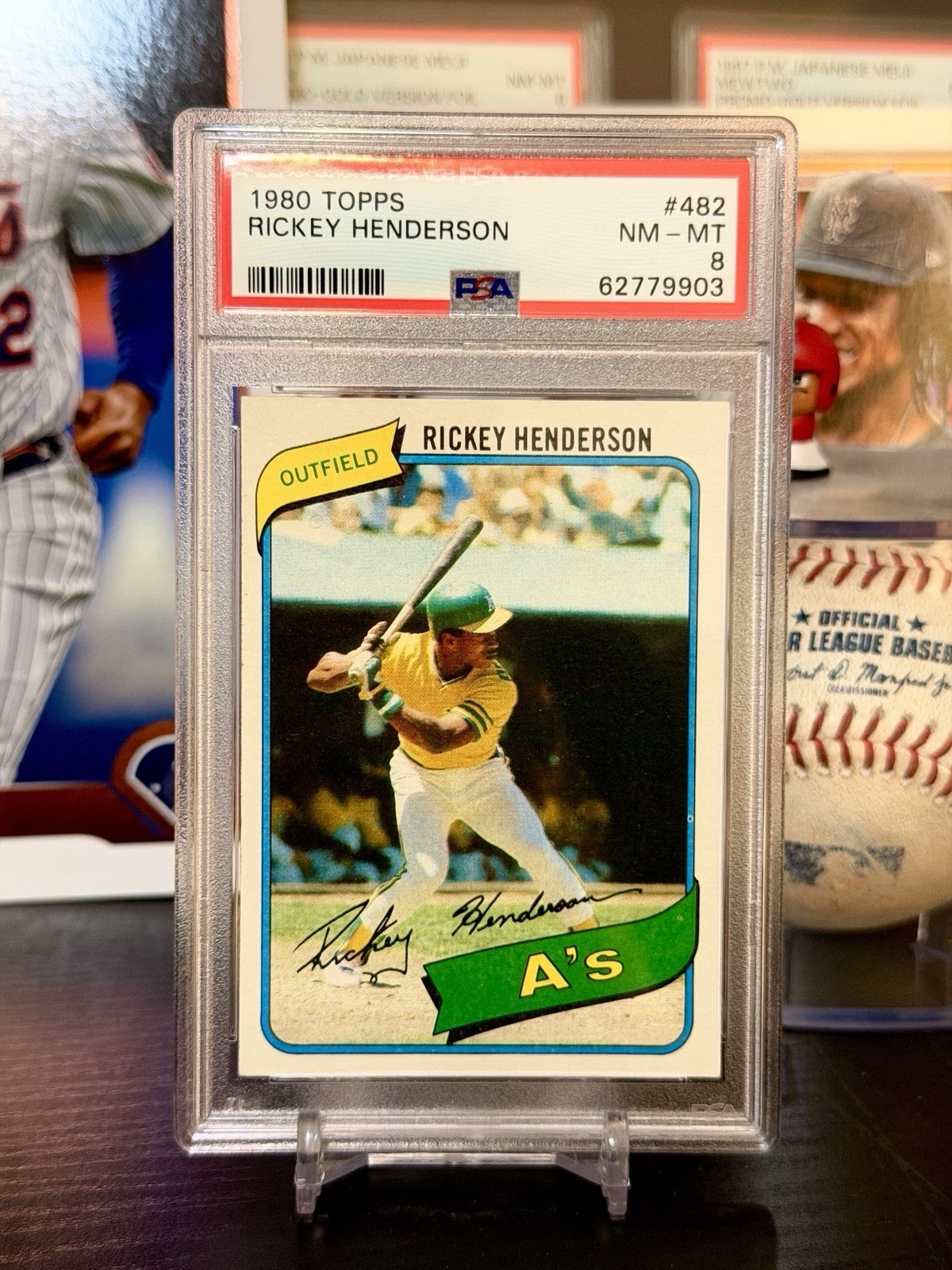
Rickey Henderson
Rookie Year: 1979
1980 Topps #482
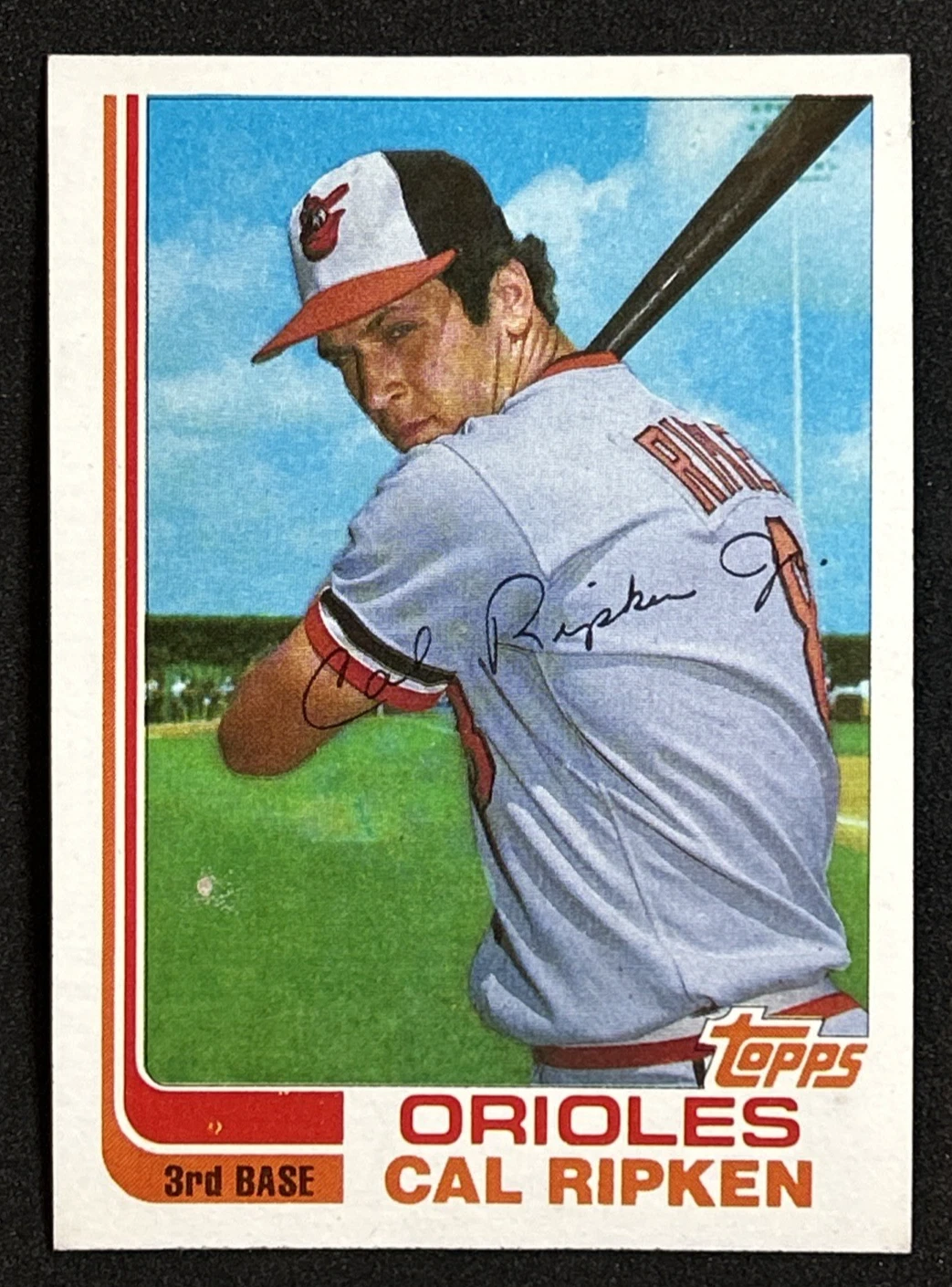
Cal Ripken Jr.
Rookie Year: 1982
1982 Topps Traded #98T / 1982 Donruss #405 / 1982 Fleer #176

Roger Clemens
Rookie Year: 1984
1985 Topps / Donruss / Fleer
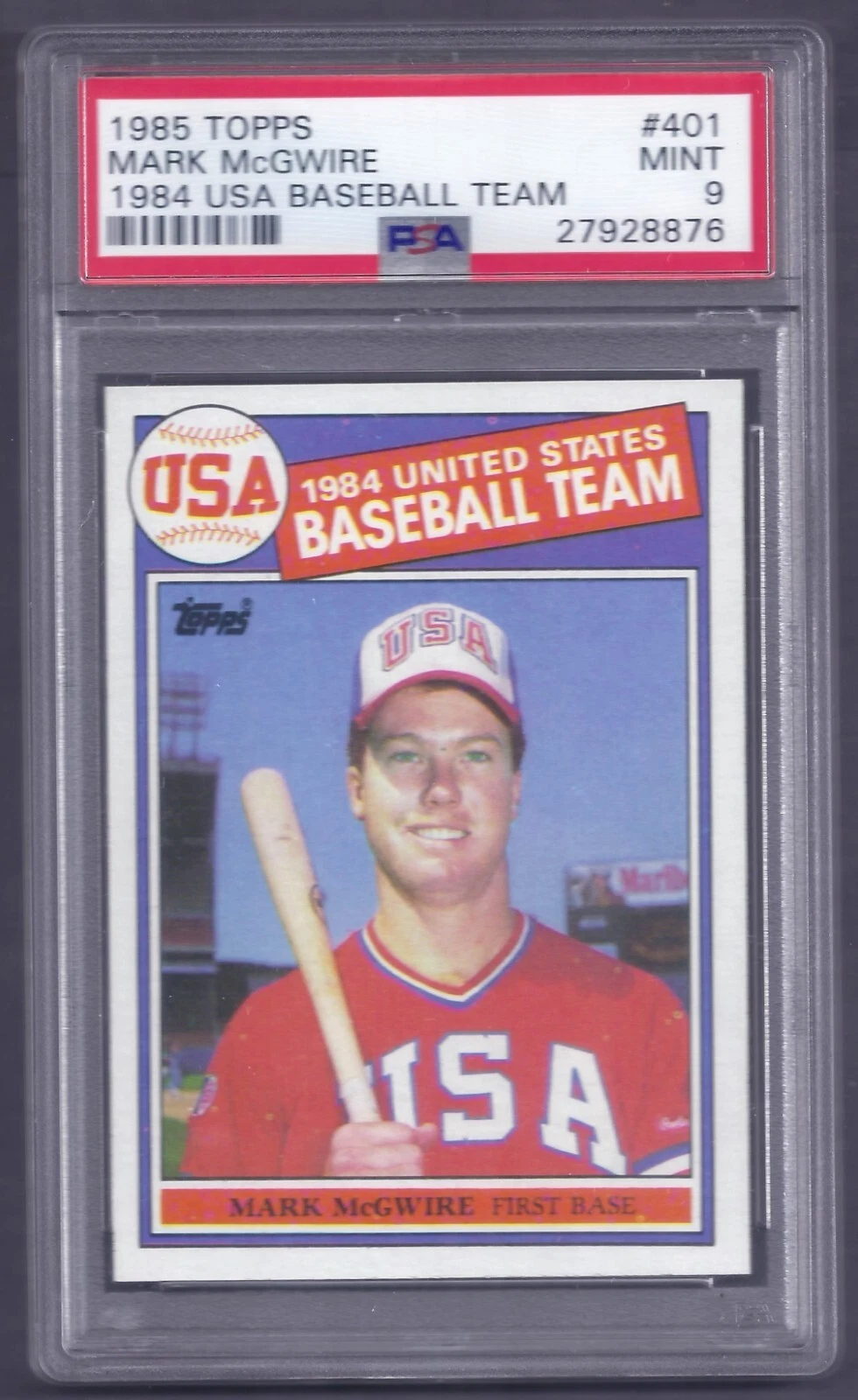
Mark McGwire
Rookie Year: 1985
1985 Topps #401 (Team USA) / 1985 Topps Tiffany #401
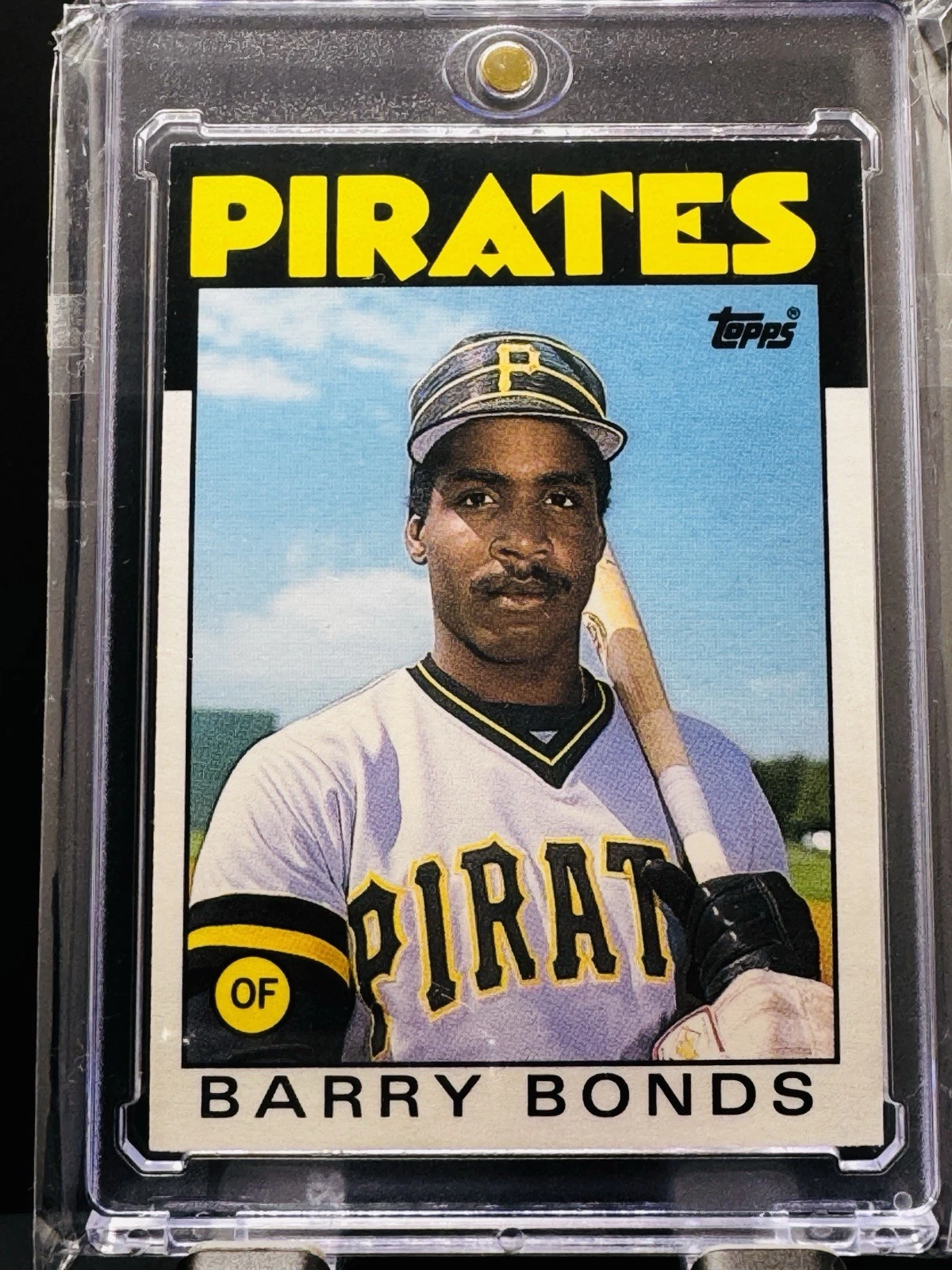
Barry Bonds
Rookie Year: 1986
1986 Topps Traded #11T / Fleer Update #U-14 / Donruss The Rookies #11
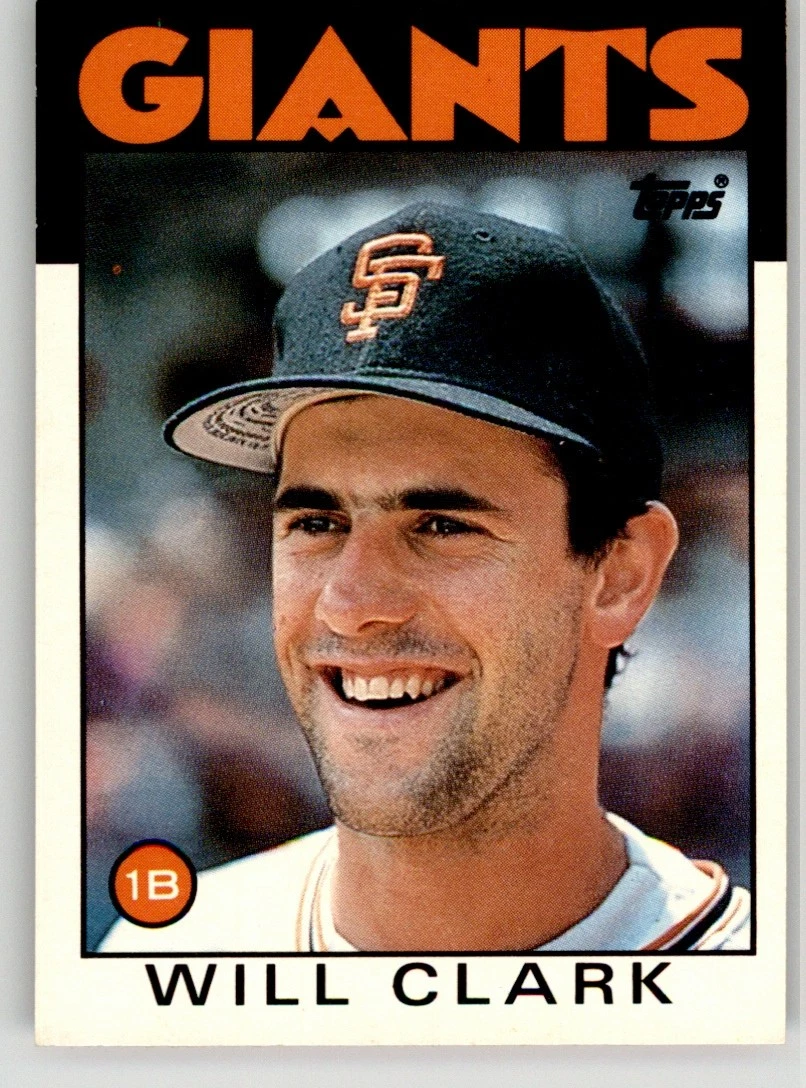
Will Clark
Rookie Year: 1986
1986 Topps Traded #24T / Donruss The Rookies #32 / Fleer Update #U-25
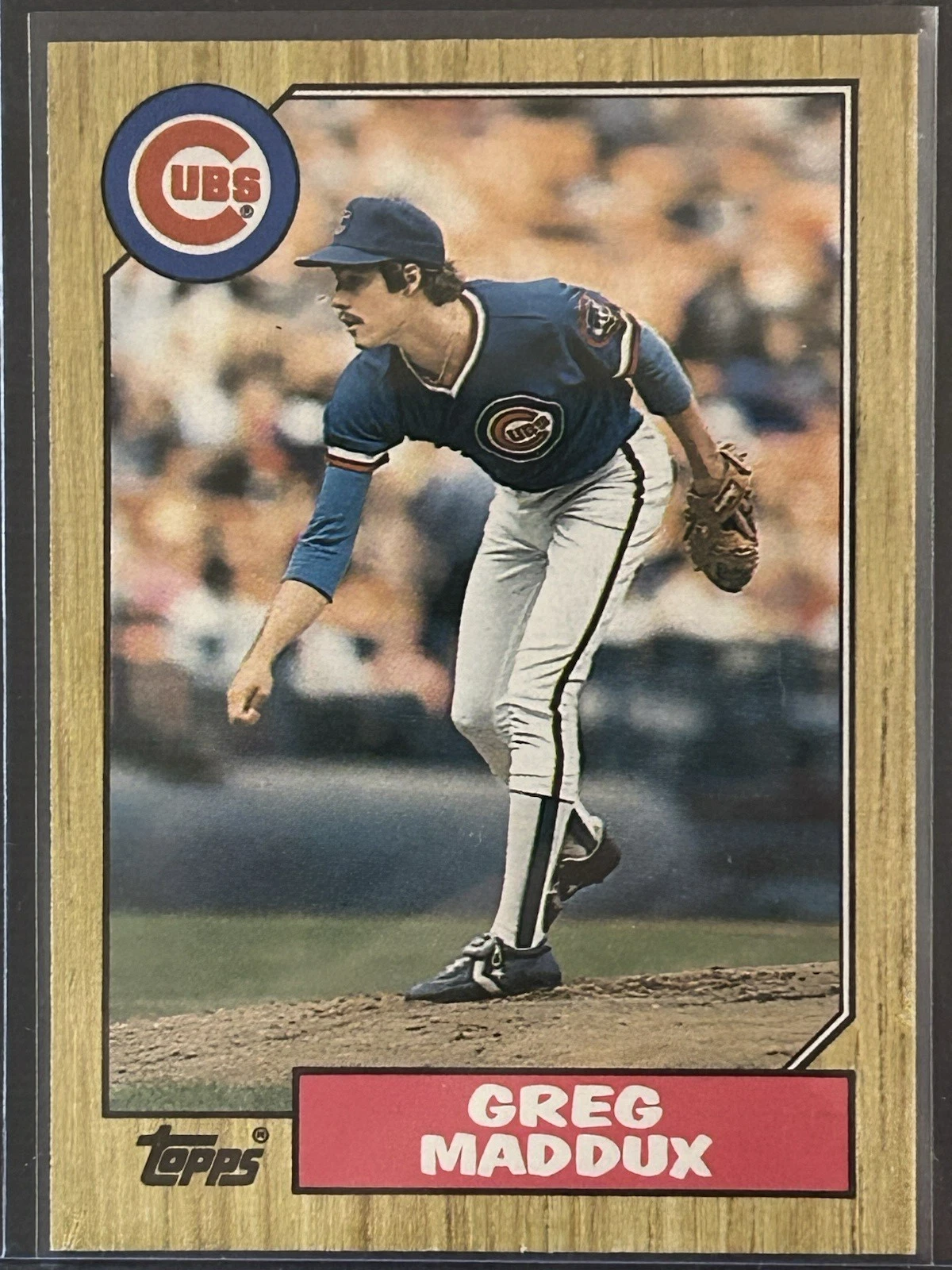
Greg Maddux
Rookie Year: 1987
1987 Topps Traded #70T / Fleer Update #U-68 / Donruss #36
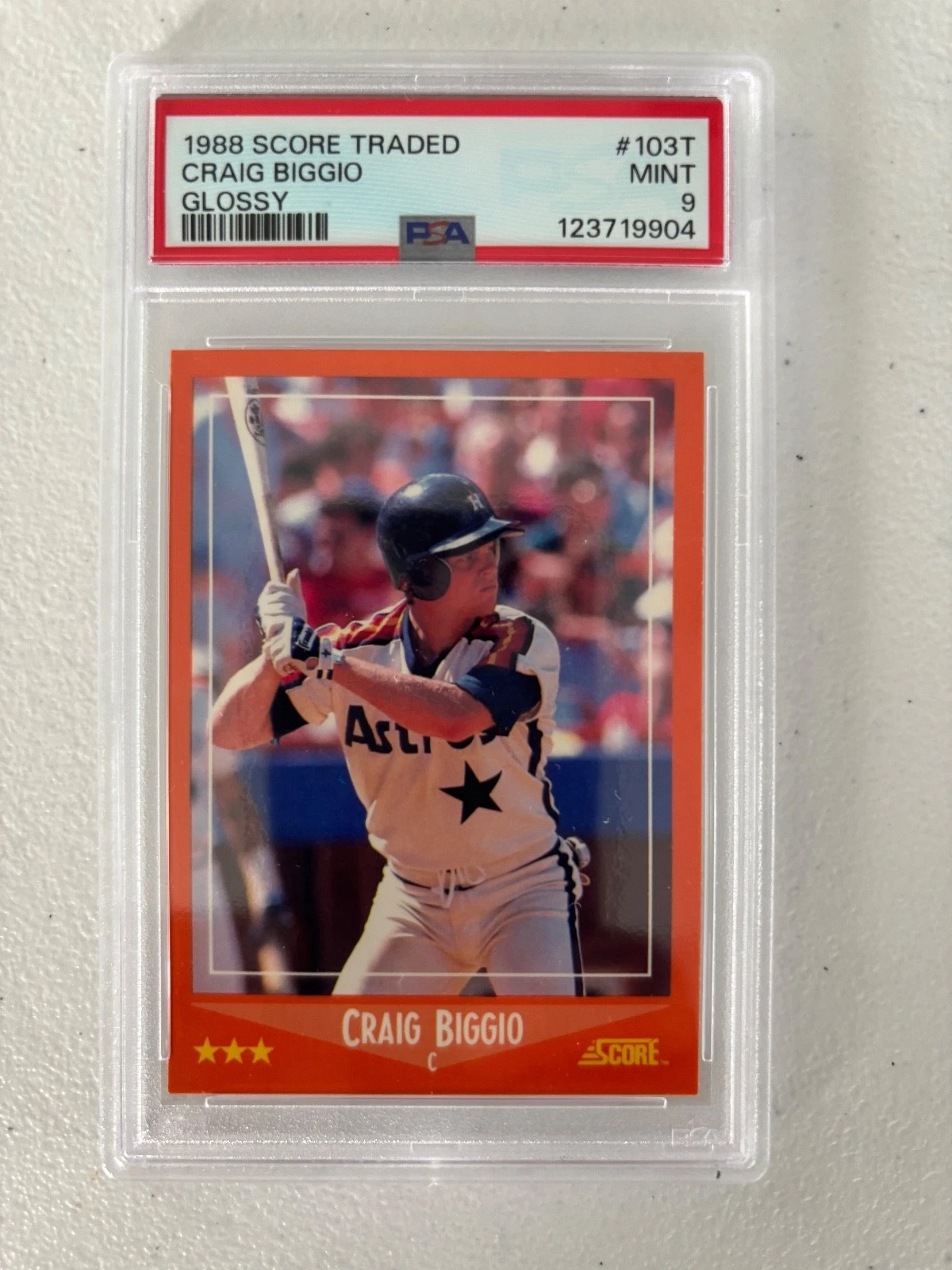
Craig Biggio
Rookie Year: 1988
1988 Score Traded #103T / 1989 Topps #49 / 1989 Upper Deck #273
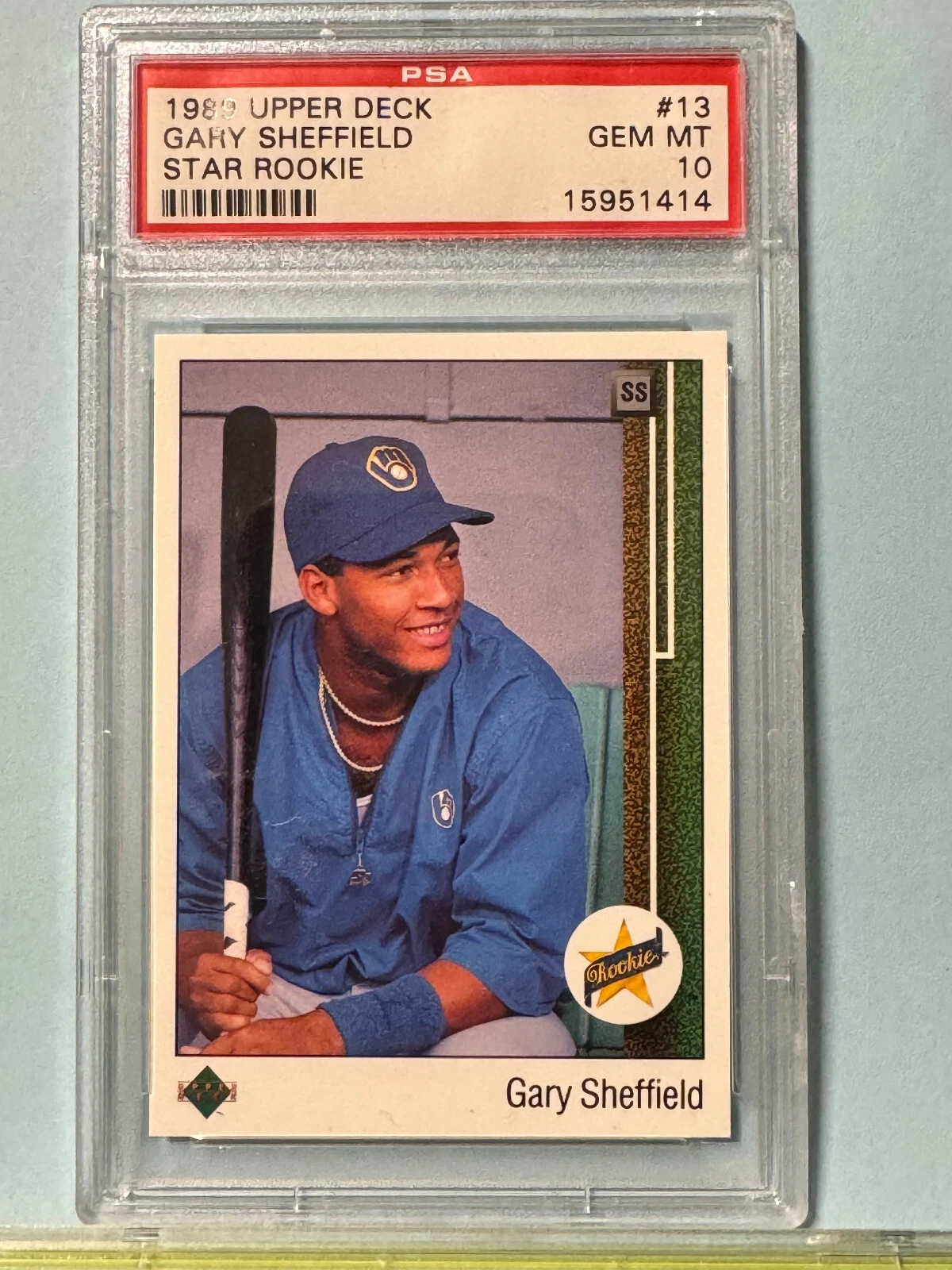
Gary Sheffield
Rookie Year: 1989
1989 Upper Deck #13 / Topps #343 / Fleer #196
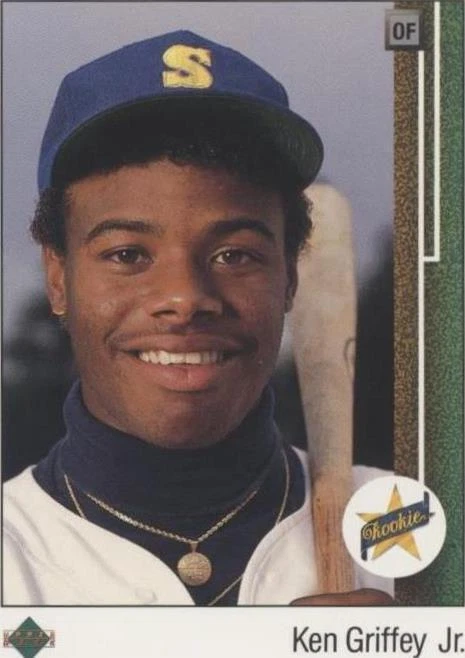
Ken Griffey Jr.
Rookie Year: 1989
1989 Upper Deck / Fleer / Bowman / Topps Traded / Donruss
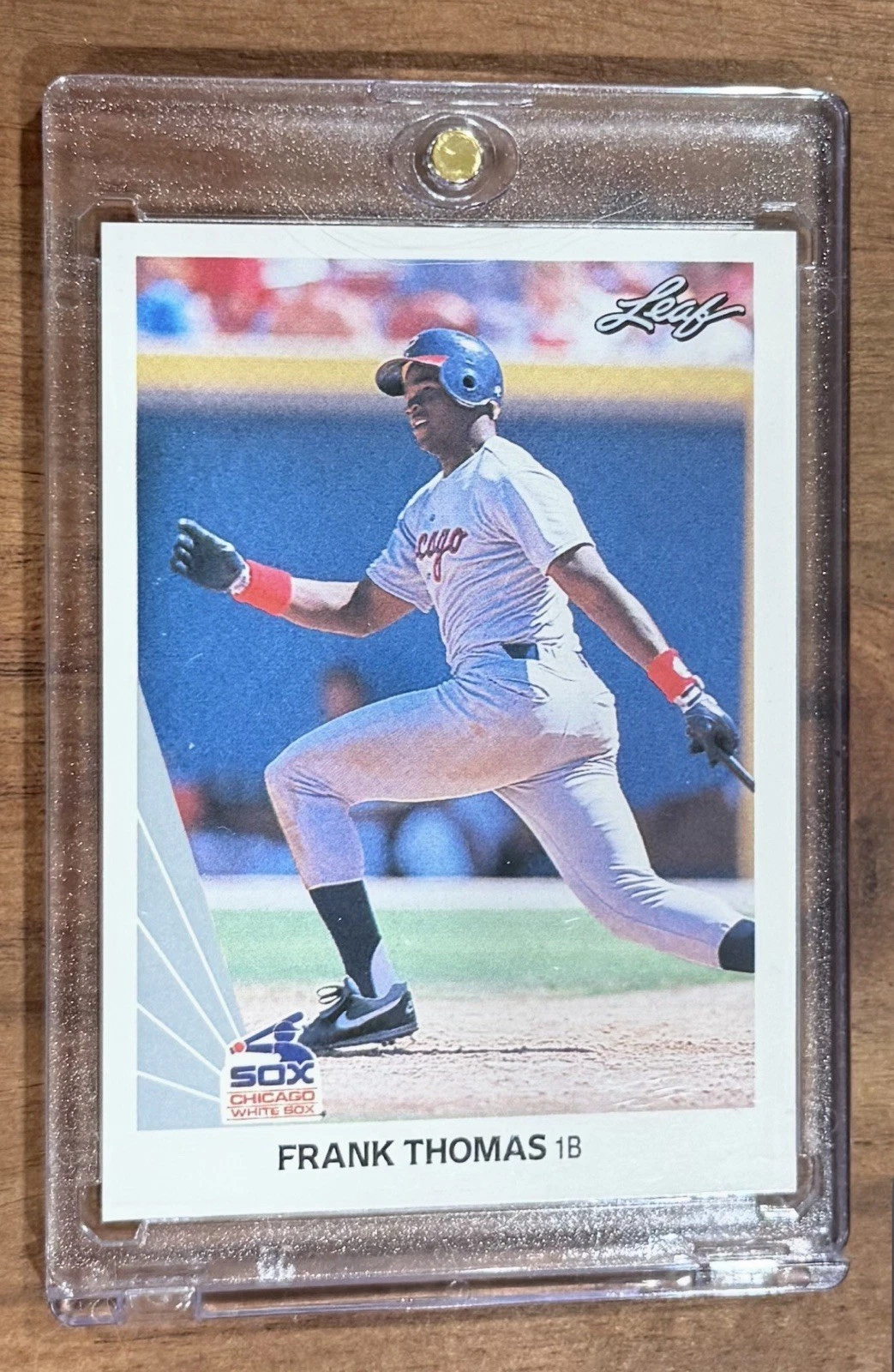
Frank Thomas
Rookie Year: 1990
1990 Leaf #300 / 1990 Topps #414 / 1990 Bowman #320
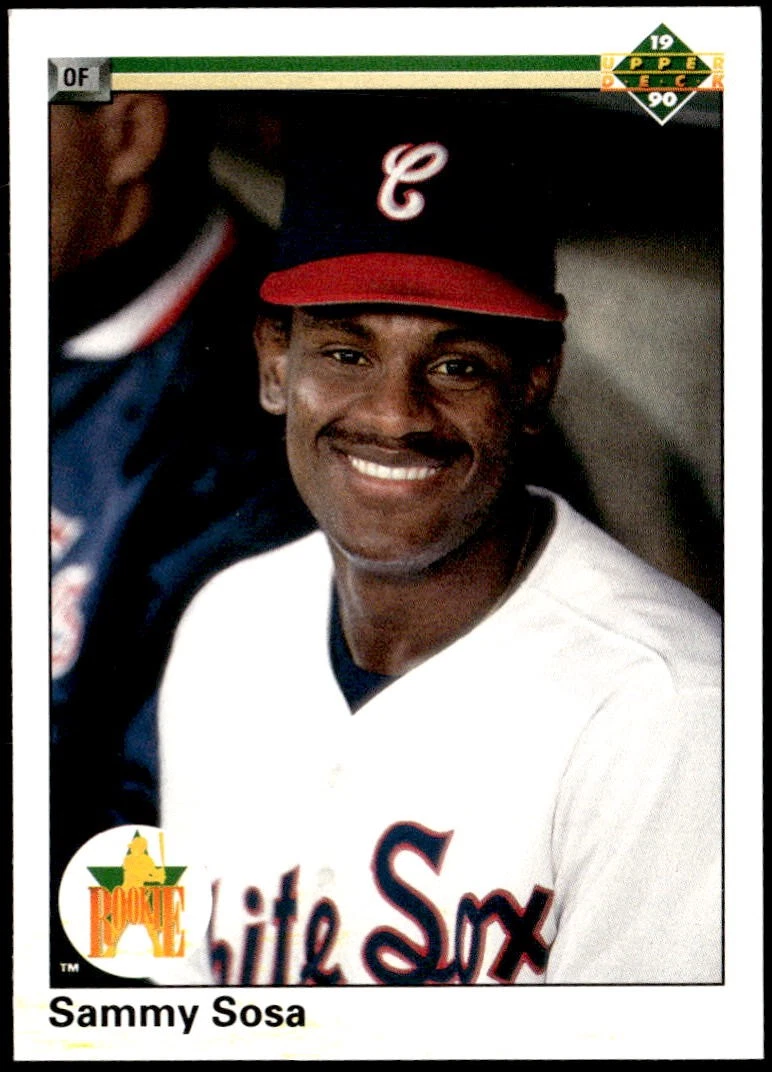
Sammy Sosa
Rookie Year: 1990
1990 Upper Deck #17 / 1990 Topps #692 / 1990 Leaf #220
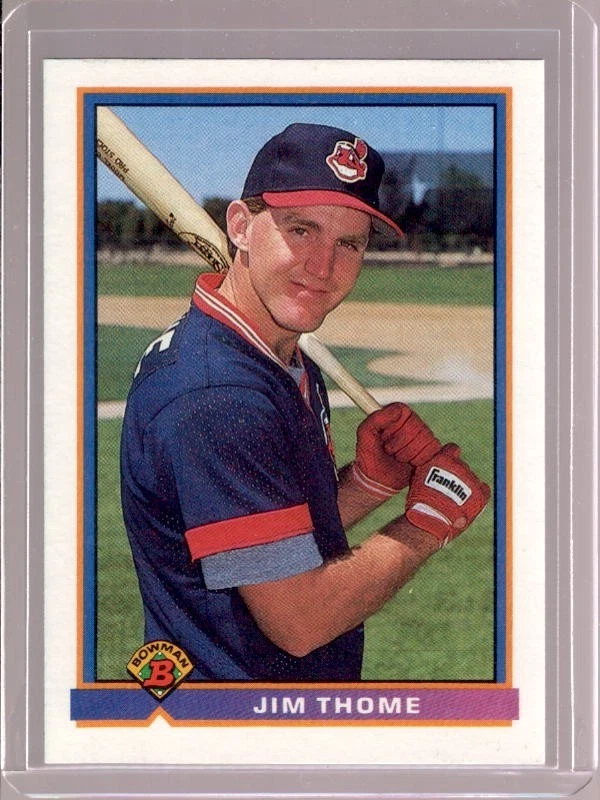
Jim Thome
Rookie Year: 1991
1991 Bowman #68 / 1991 Upper Deck Final Edition #17F
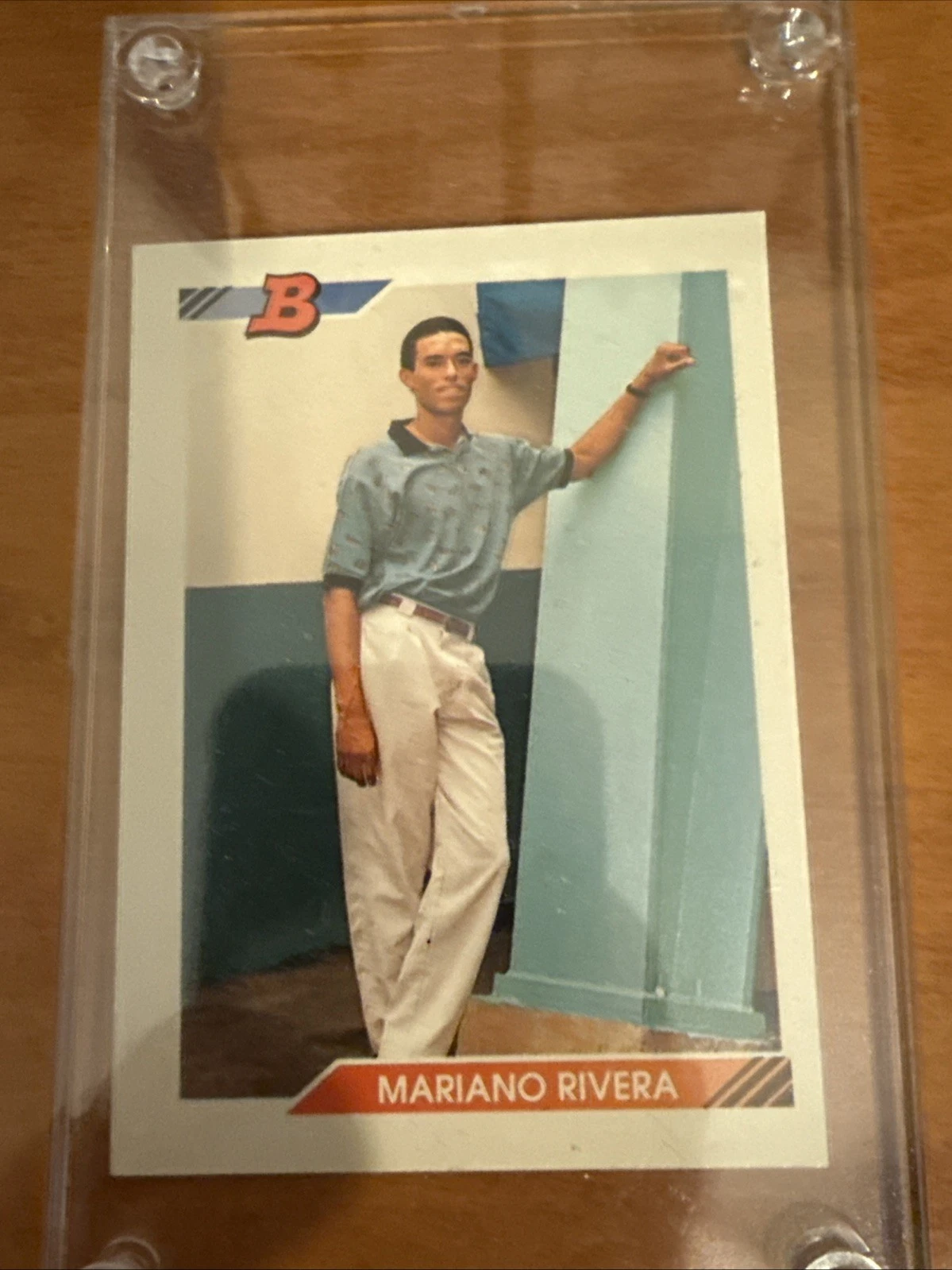
Mariano Rivera
Rookie Year: 1992
1992 Bowman #302
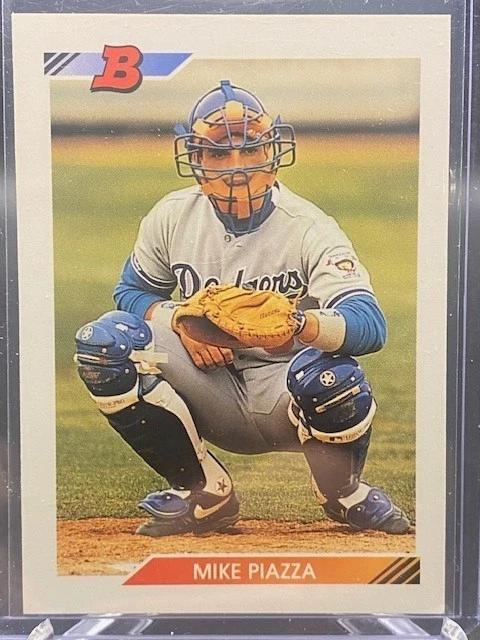
Mike Piazza
Rookie Year: 1992
1992 Fleer Update #U-92 / Bowman #461
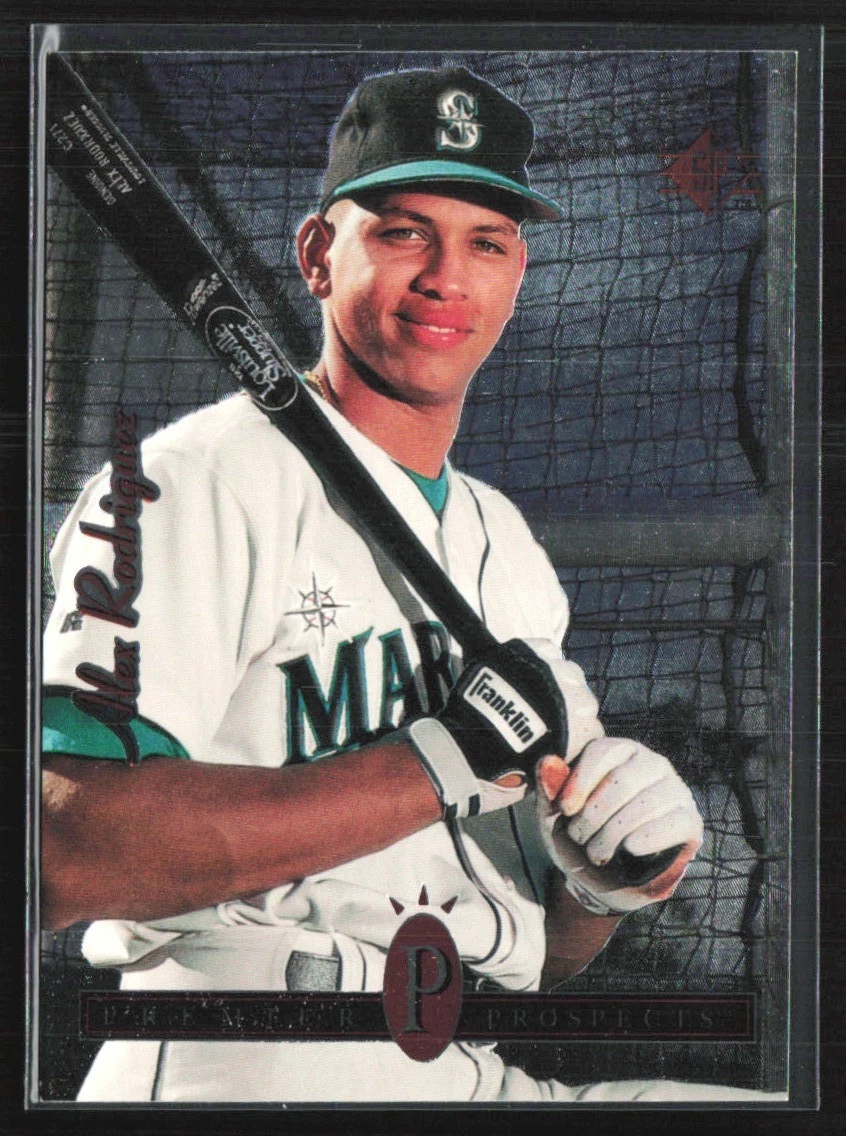
Alex Rodriguez
Rookie Year: 1994
1994 SP / Upper Deck / Bowman / Flair
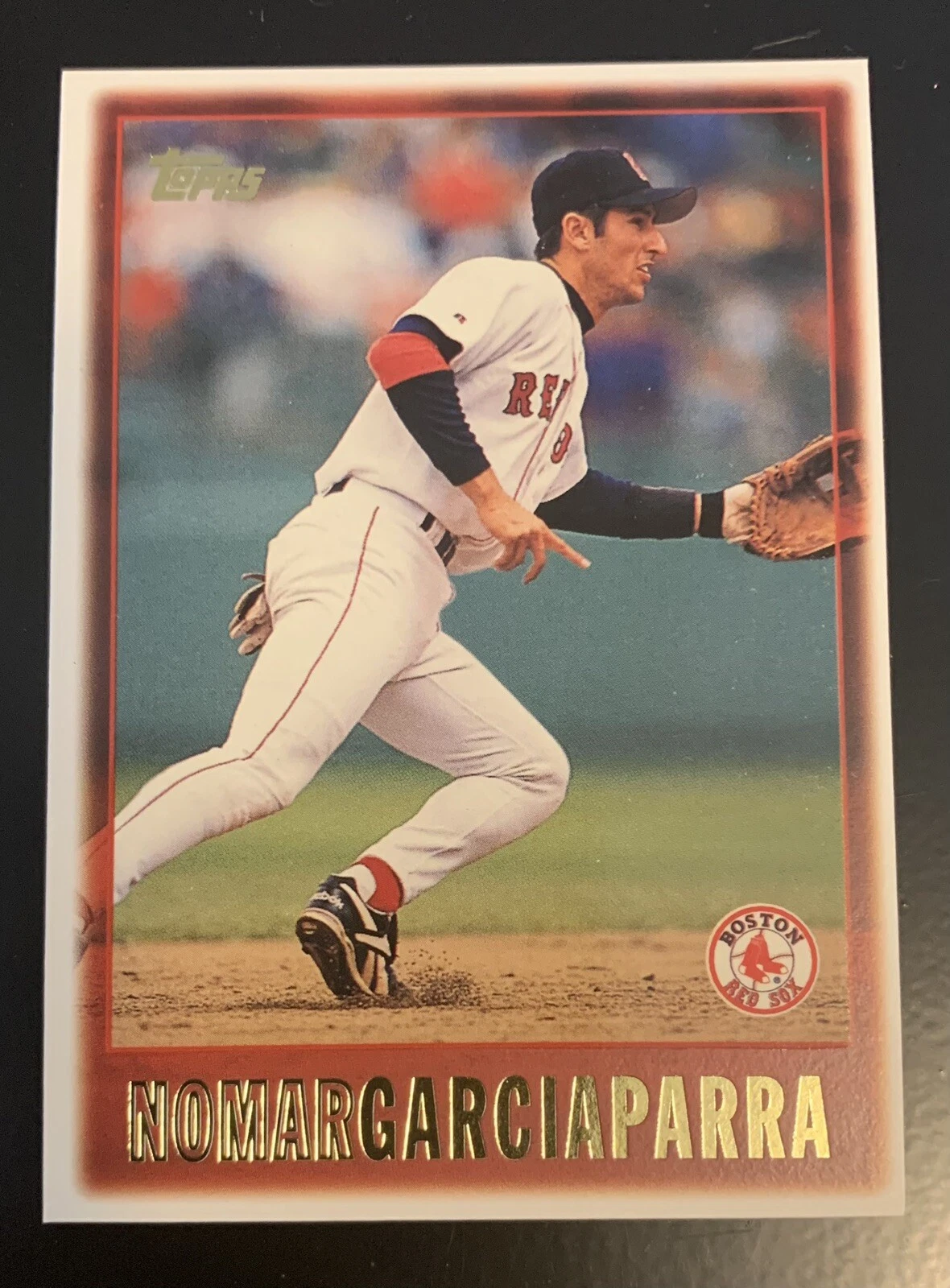
Nomar Garciaparra
Rookie Year: 1997
1997 Topps #293 / 1997 Topps Chrome #99 / 1997 Bowman Chrome #224
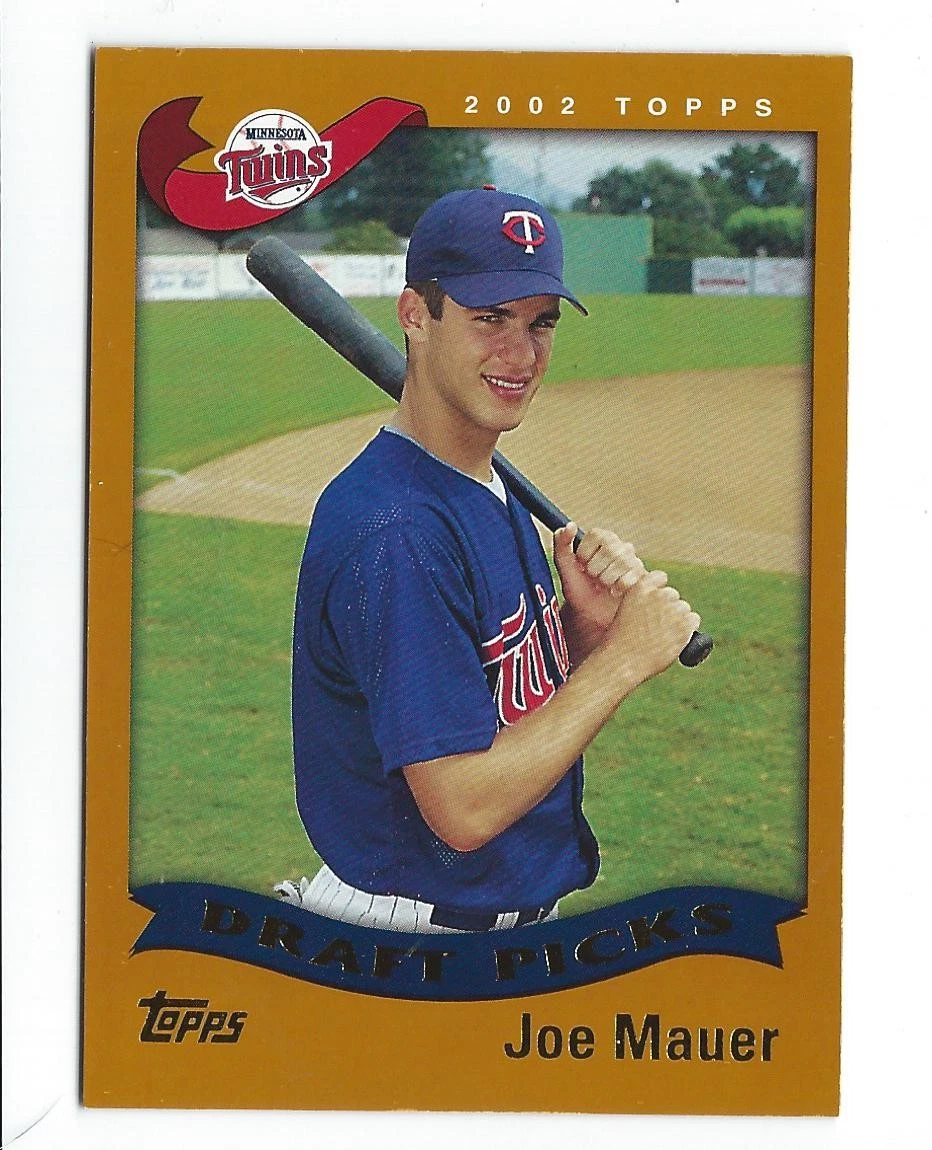
Joe Mauer
Rookie Year: 2004
2002 Topps #622 / 2002 Bowman #379 / 2002 Bowman Chrome Auto #391
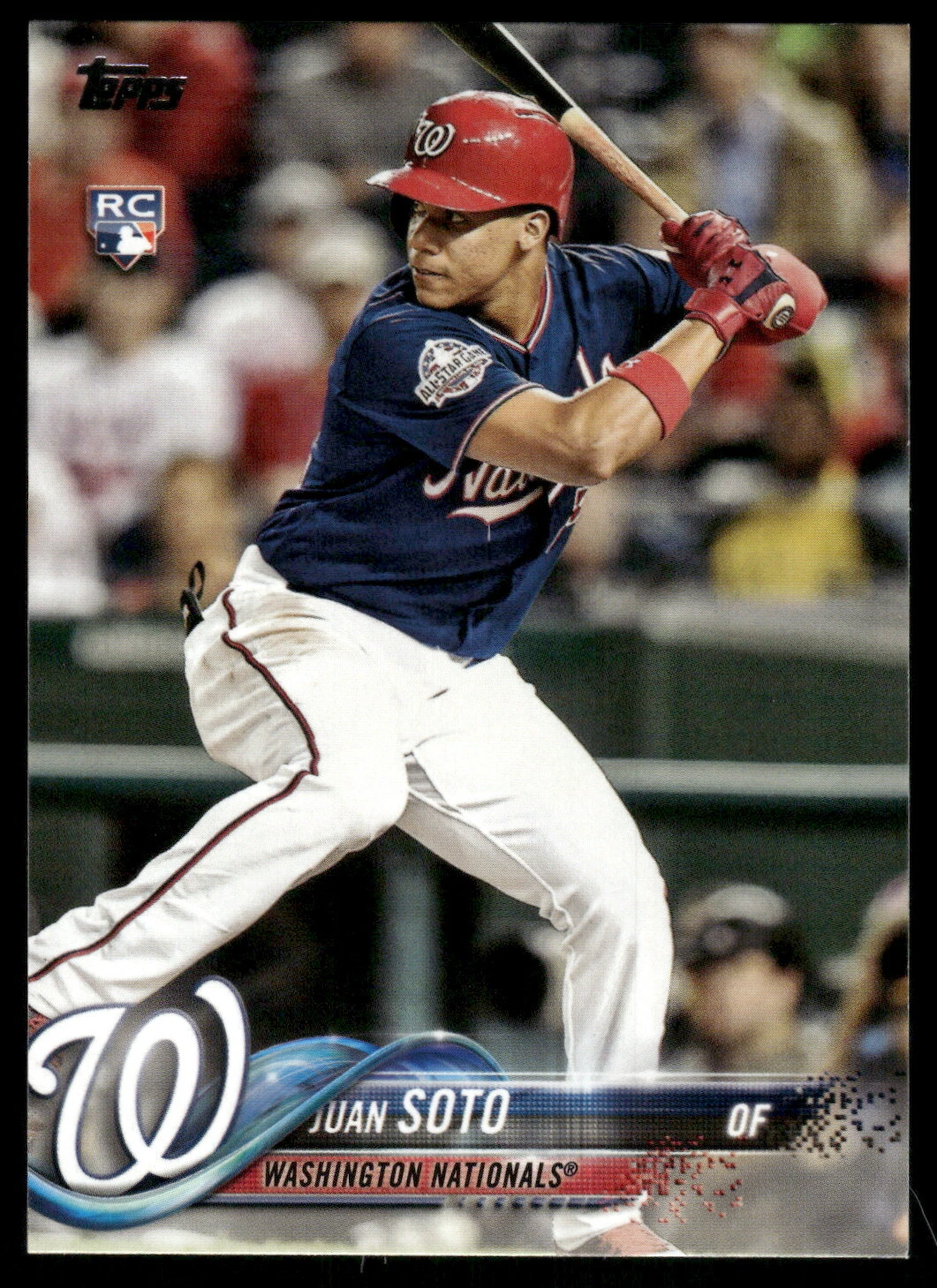
Juan Soto
Rookie Year: 2018
2018 Topps Update #US300
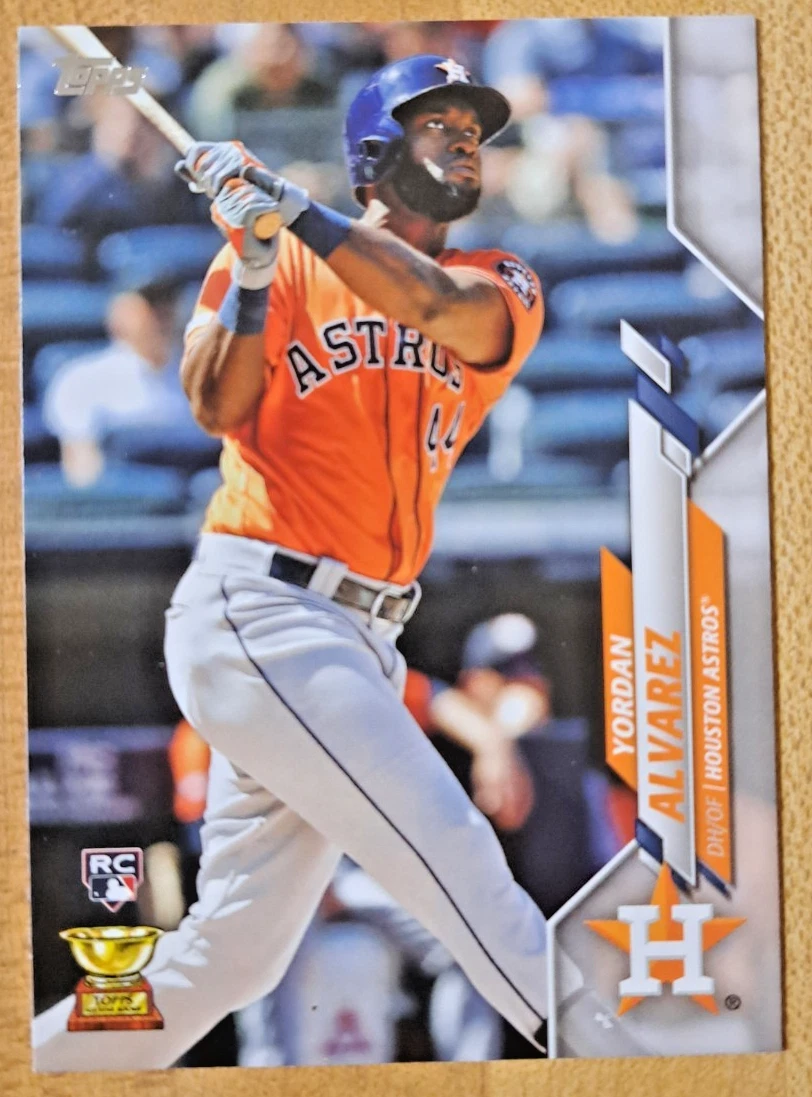
Yordan Alvarez
Rookie Year: 2019
2020 Topps Series 1 #276 / 2020 Topps Chrome #200
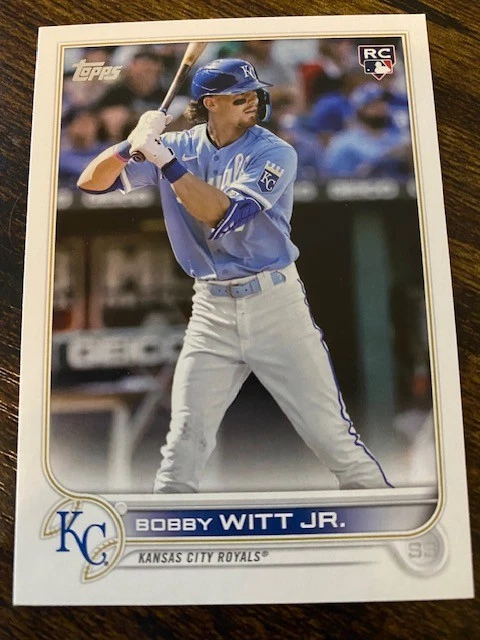
Bobby Witt Jr.
Rookie Year: 2022
2022 Topps Series 2 #660 / 2022 Topps Chrome Update #USC35
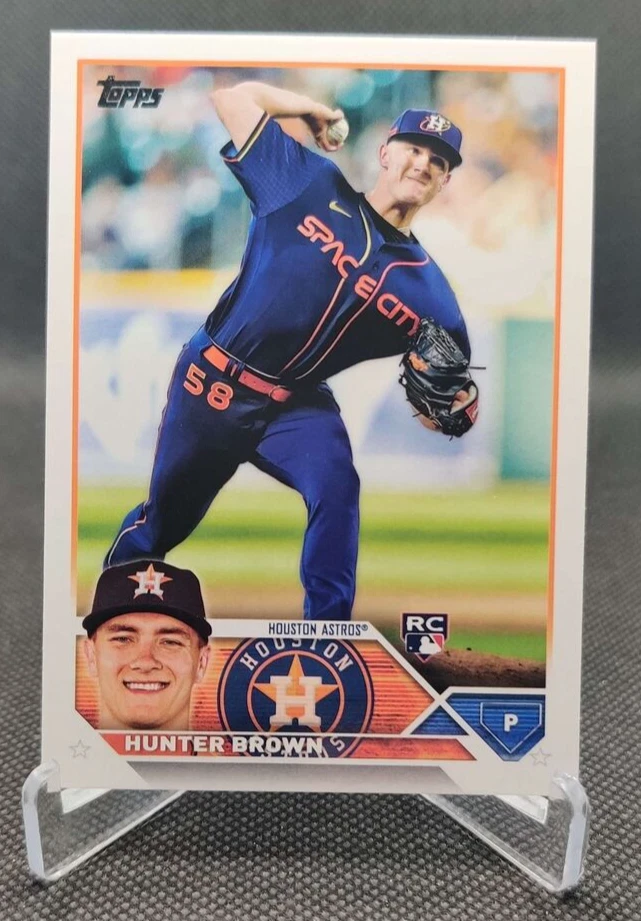
Hunter Brown
Rookie Year: 2023
2023 Topps Series 1 #111 / 2023 Topps Chrome #197
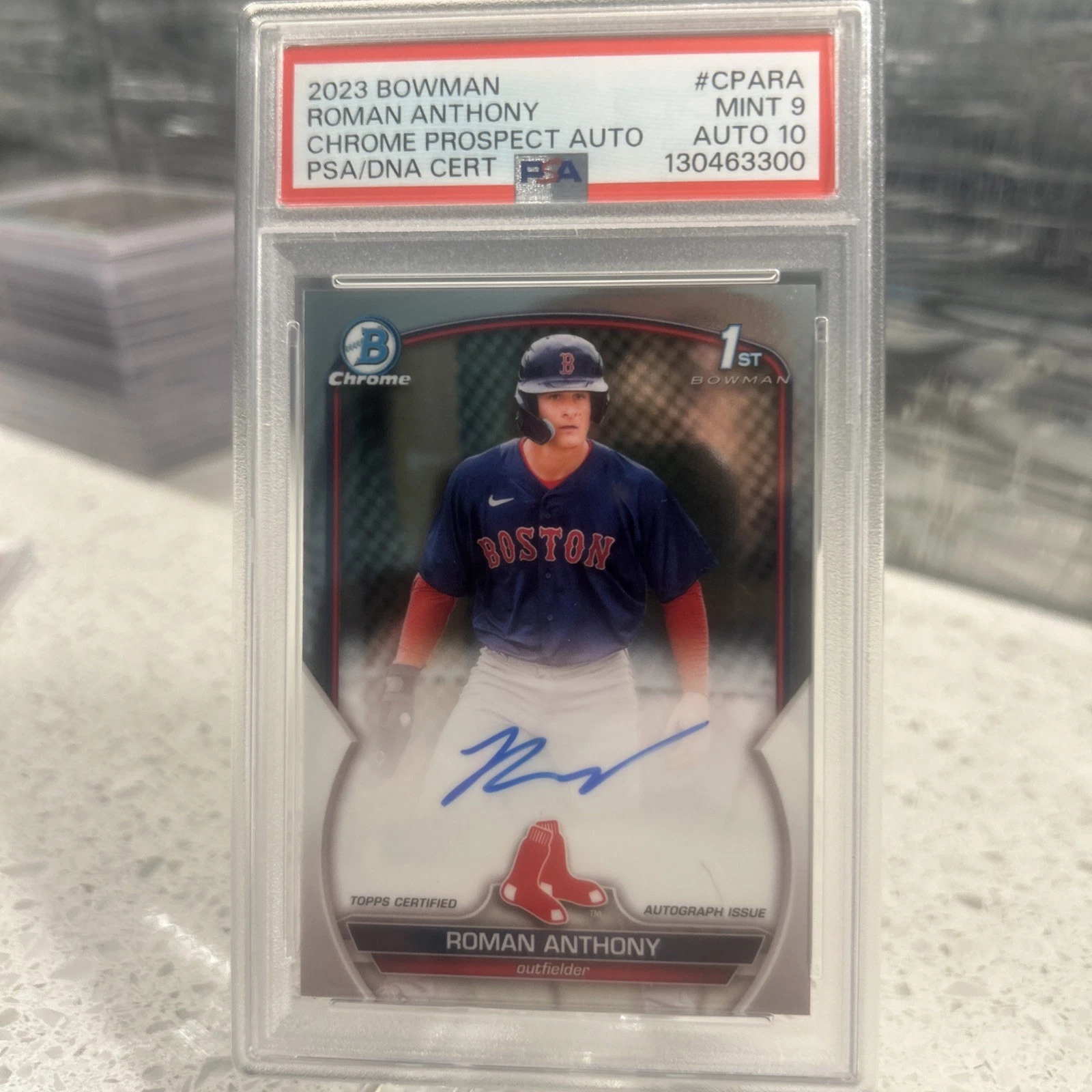
Roman Anthony
Rookie Year: 2023
2023 Bowman Chrome Draft 1st Bowman
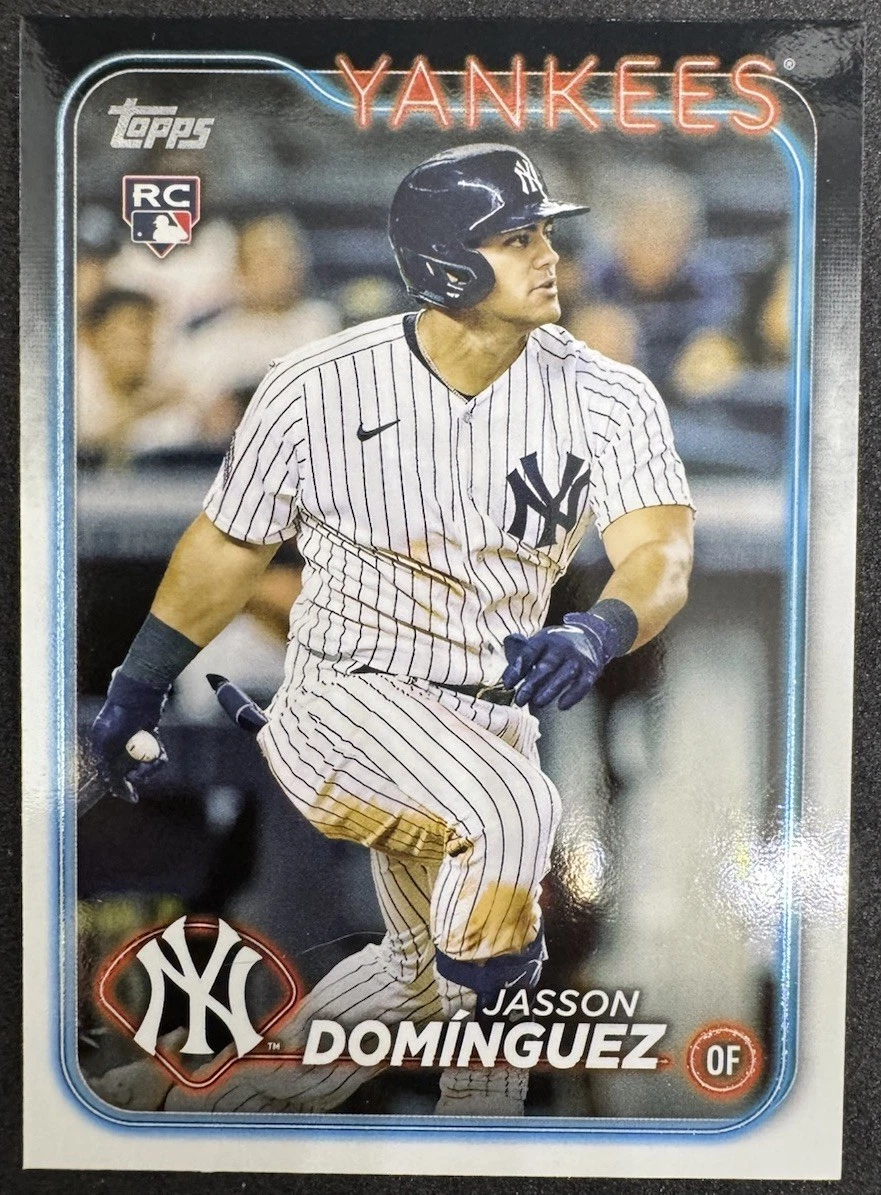
Jasson Domínguez
Rookie Year: 2024
2024 Topps Series 1 #60 / Topps Chrome / Heritage
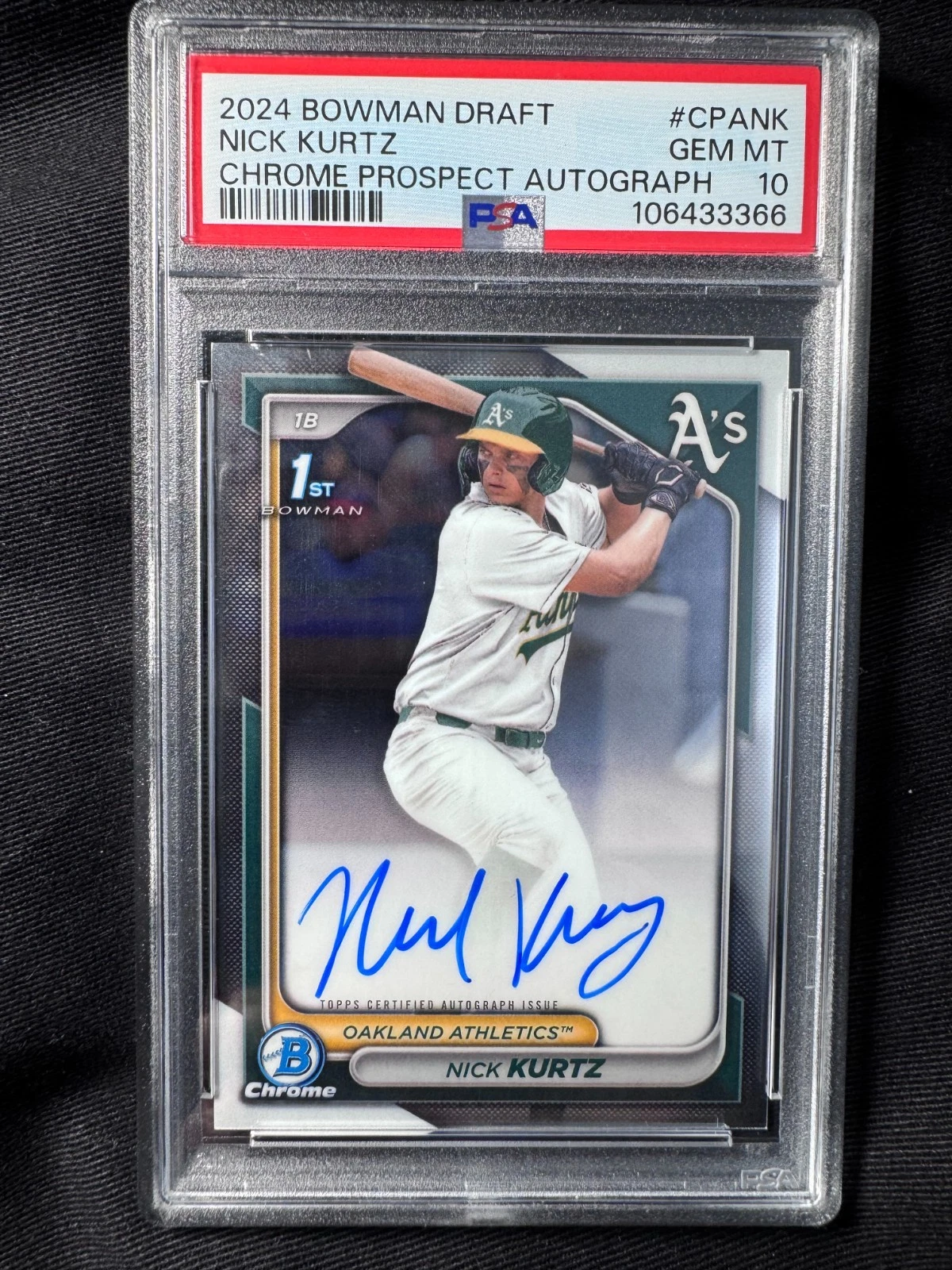
Nick Kurtz
Rookie Year: 2024
2024 Bowman Draft 1st Bowman

Paul Skenes
Rookie Year: 2024
2023 Bowman Chrome Draft / 2024 Topps Chrome Update
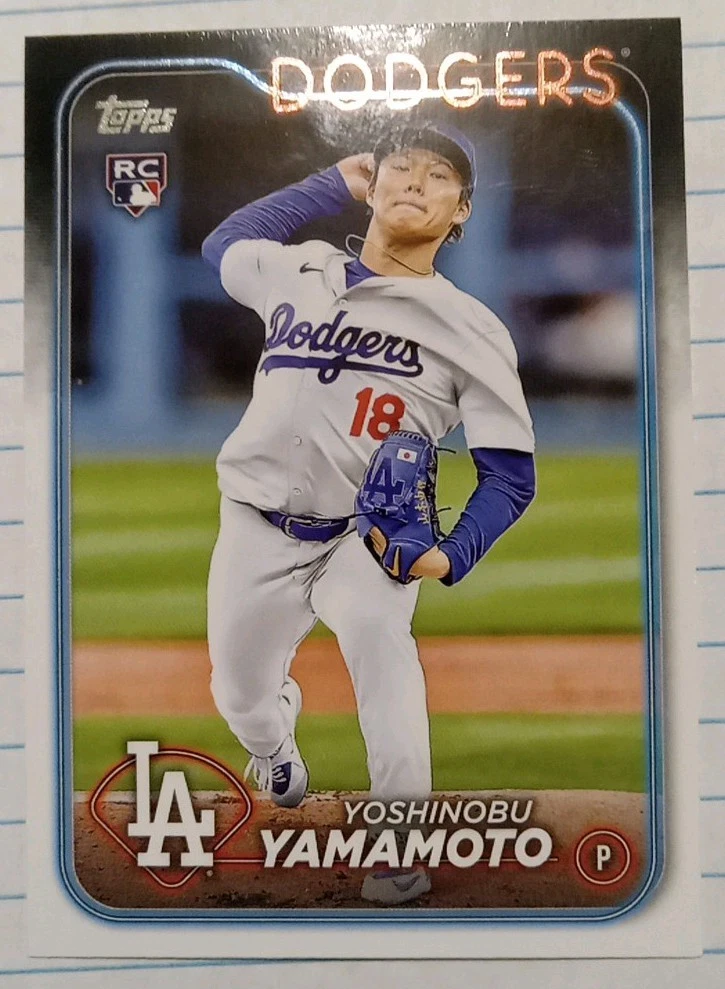
Yoshinobu Yamamoto
Rookie Year: 2024
2024 Topps Series 2 #553 / 2024 Topps Update #US149 Rookie Debut
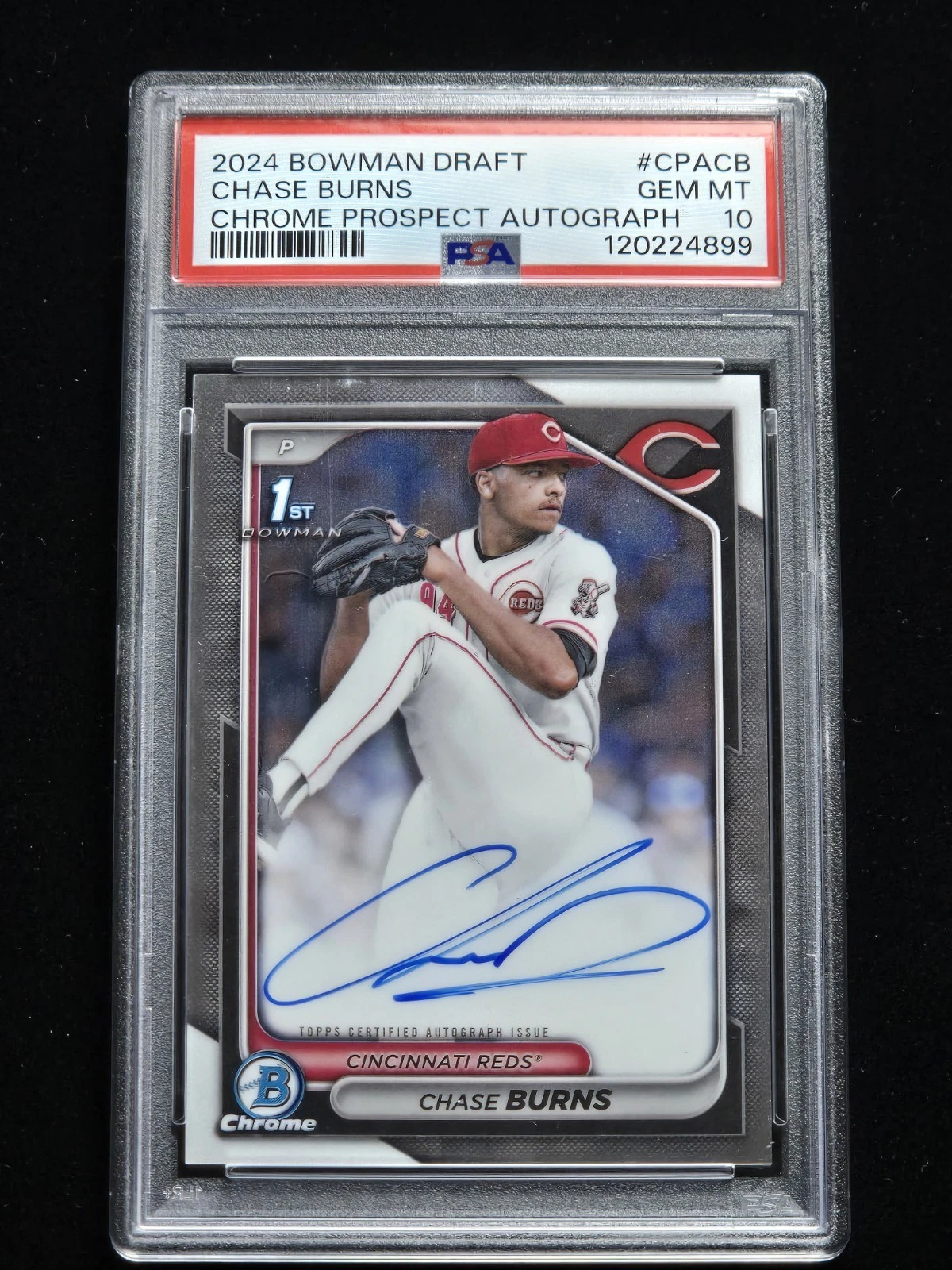
Chase Burns
Rookie Year: 2025
2025 Topps / Topps Chrome
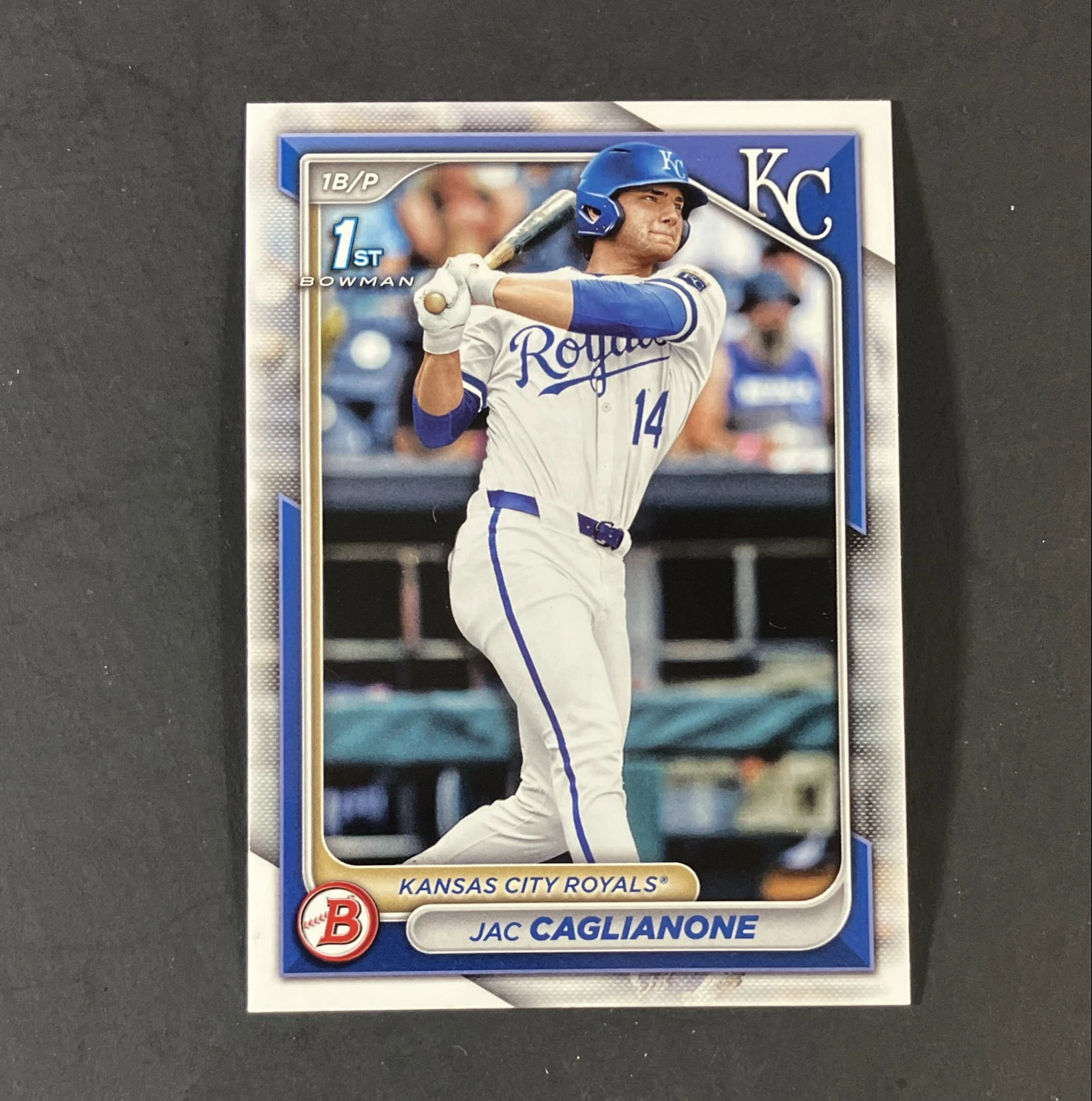
Jac Caglianone
Rookie Year: 2025
2024 Bowman Draft #BD-8 (1st Bowman) / 2026 Topps RC (expected)
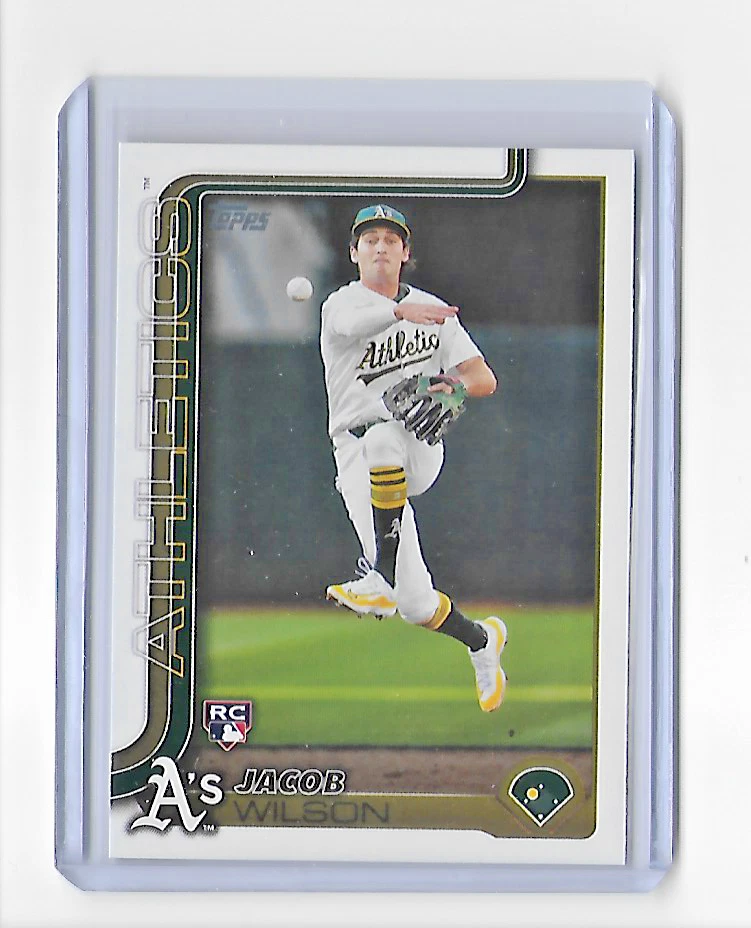
Jacob Wilson
Rookie Year: 2025
2025 Topps Series 1 #314 / 2025 Topps Chrome #96