Dale Murphy Rookie Cards
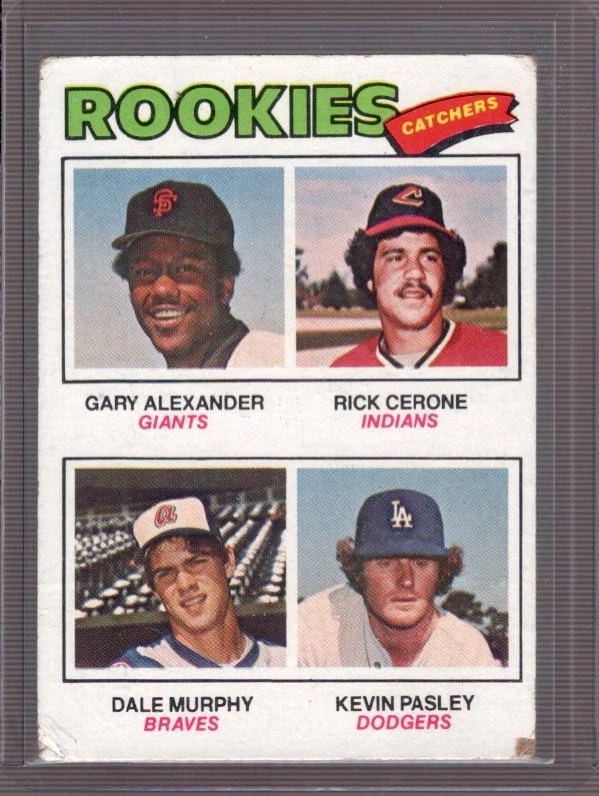
Dale Murphy’s 1977 Topps rookie card is an affordable 1970s classic. While raw copies can be found for under $50, high-grade examples are scarce and expensive due to strict centering conditions on the 4-player panel.
Rookie year: 1977Flagship RC: 1977 Topps #476Top recent sale: PSA 9 MINT copies have traded in the $500–$800 range, while the elusive PSA 10 commands significantly higher premiums.See live listings
Best Dale Murphy Rookie Cards
Values & Trends
Dale Murphy’s 1977 Topps #476 rookie card is a classic multi-player "Rookie Catchers" panel that commands strong interest from vintage collectors and Braves fans. While high-grade PSA 9s can reach into the thousands, nice raw copies remain accessible. Because his 1978 card is also a multi-player "Rookie Catchers" card, collectors often look to the 1979 Topps issue for his first true solo card.
- The "Rookie Catchers" factor: Sharing the card with three other players (Gary Alexander, Rick Cerone, Kevin Pasley) makes centering and eye appeal challenging, as the layout is busy.
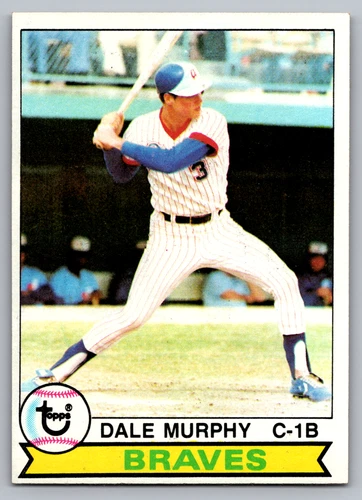
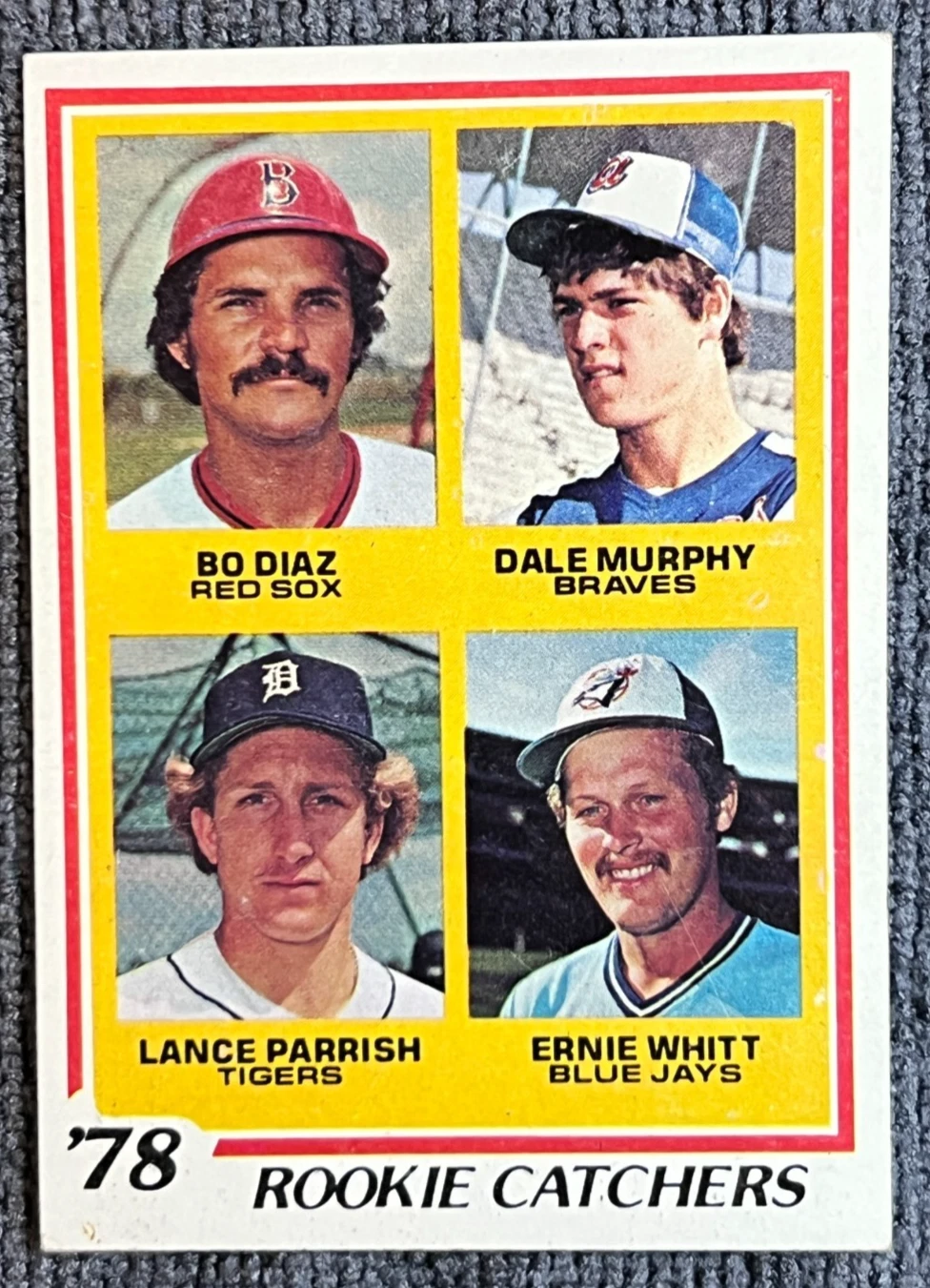
- Solo card preference: The 1979 Topps #39 is widely collected as his first solo card appearance, while the 1978 Topps #708 remains popular for the "All-Star Rookie" trophy cup despite also being a multi-player card.
- Condition sensitivity: The 1977 Topps paper stock is prone to print spots and soft corners, making high-grade examples significantly scarcer and more valuable.
Buying Guide: How to Pick Dale Murphy Rookie Cards
- Target the 1977 Topps #476: This is the only recognized mainstream rookie card. Look for copies where Murphy (top left) is clearly printed and the borders are relatively centered.
- Collect the "Rookie Cup" (1978 Topps #708): Though not a rookie and not a solo card, the 1978 issue features the iconic Topps All-Star Rookie Cup and is a key second-year card.
- Add the First Solo Card (1979 Topps #39): For collectors who dislike multi-player panels, the 1979 Topps #39 is essential as the first card to feature Dale Murphy alone.
- Watch for "Buyback" Autos: Since Murphy doesn't have a signed 1977 rookie in packs, modern "Topps Archives Signature Series" buybacks (original cards stamped and signed later) are a great way to get a certified auto on a vintage card.
- Check grading economics: For mid-grade raw copies ($20–$40), grading fees might exceed the value increase. Focus grading efforts on sharp, well-centered candidates. Read our $80 grading rule guide for more details.
Full Rookie Card Checklist
| Image | Card | Year | # | Details | 90d Avg RAW | 90d Avg PSA 7 | 90d Avg PSA 8 | 90d Avg PSA 9 | 90d Avg SGC 8 | 90d Avg SGC 9 | 90d Avg SGC 9.5 | eBay |
|---|---|---|---|---|---|---|---|---|---|---|---|---|
Topps Rookie Catchers Dale Murphy · Topps | 1977 | 476 | — | — | — | — | — | — | — | — | eBay | |
Topps First Solo Card Dale Murphy · Topps | 1979 | 39 | — | — | — | — | — | — | — | — | eBay | |
Topps Rookie Cup / Catchers Dale Murphy · Topps All-Star Rookie Cup | 1978 | 708 | — | — | — | — | — | — | — | eBay |
True RC vs. First Solo Card
The 1977 Topps #476 "Rookie Catchers" is universally accepted as Dale Murphy's true rookie card (RC). His 1978 Topps #708 features the "All-Star Rookie" cup but is still a multi-player card (shared with Lance Parrish and others). It wasn't until the 1979 Topps #39 that Dale Murphy received his first solo card. Most collectors aim to own all three to cover the RC, the Rookie Cup, and the first solo appearance.
Best Boxes & Sets to Pull Dale Murphy Rookie Cards
Grading & Population
The 1977 Topps set is notoriously difficult to find in Gem Mint condition due to centering issues and print defects common in that era. PSA 10s are virtually non-existent relative to the total population, making PSA 9s the realistic "grail" for most high-end collectors.
- Centering is key: With four players on the front, centering can be off in multiple directions. Eye appeal varies wildly even within the same technical grade.
- Compare graders: PSA vs SGC vs CGC is a common debate for vintage. SGC is very popular for 1970s baseball cards due to their "tuxedo" slabs which frame vintage cards well.
About Dale Murphy
Dale Murphy, often called "Murph" or "The Gentle Giant," was one of baseball's premier players in the 1980s. A two-time National League MVP (1982, 1983) and a 7-time All-Star, he was the face of the Atlanta Braves for over a decade. Known for his clean image and powerful bat, Murphy remains a fan favorite. His exclusion from the Hall of Fame is a frequent topic of debate, keeping his rookie cards relevant as collectors speculate on a future induction.
Resources & Related Guides
FAQ
What is Dale Murphy’s true rookie card?
The 1977 Topps #476 "Rookie Catchers" card is the only generally accepted true rookie card for Dale Murphy. It features him alongside three other players.
When was Dale Murphy’s first solo card?
Dale Murphy’s first solo card is the 1979 Topps #39. His 1978 Topps card, which features the All-Star Rookie Cup, is still a multi-player "Rookie Catchers" panel.
Why is Dale Murphy not in the Hall of Fame?
Despite winning back-to-back MVPs (1982, 1983) and being a dominant player in the 80s, Murphy’s career totals fell short of traditional benchmarks (e.g., 400 HRs, 3000 hits) due to a sharp decline in his 30s. He remains a strong candidate for the Veterans Committee.
How much is a Dale Murphy rookie card worth?
A nice raw copy of the 1977 Topps #476 typically sells for $20 to $50 depending on condition. Graded copies in PSA 8 range from $80–$120, while PSA 9s can command $500 or more.
Should I grade my Dale Murphy rookie card?
Only if it is very sharp and well-centered. The 1977 Topps set is prone to centering issues. If your card is off-center or has soft corners, it is likely better to keep it raw, as a low grade (PSA 5 or 6) may not add much value over the raw price plus grading fees.
More MLB Rookie Cards
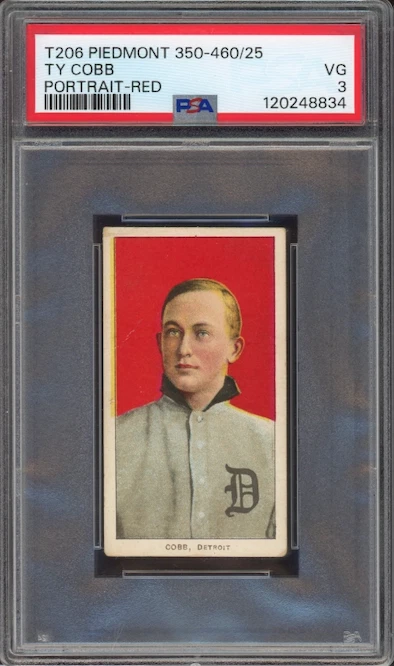
Ty Cobb
Rookie Year: 1905
1909-11 T206 White Border (Cobb portraits and batting poses)
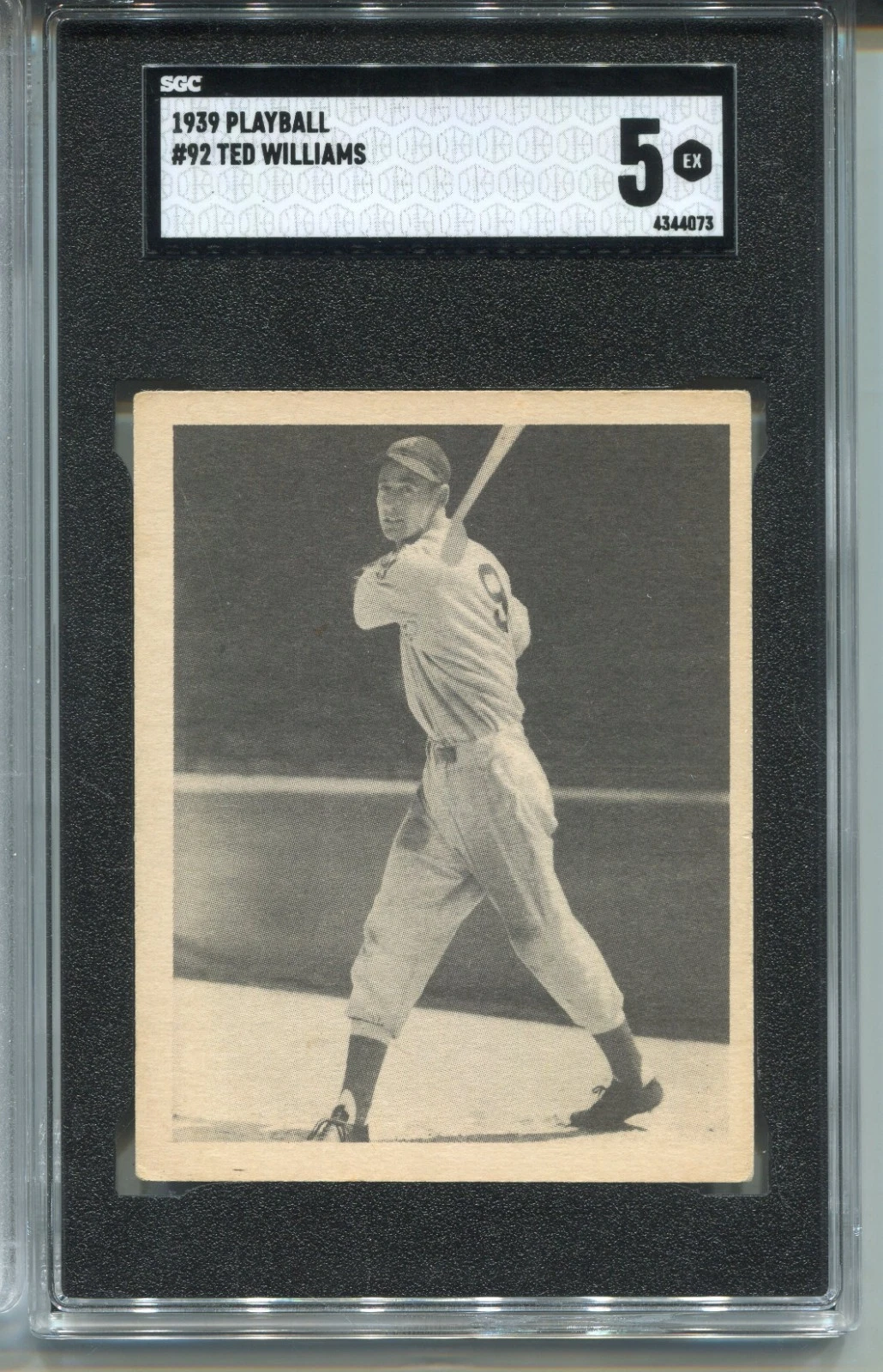
Ted Williams
Rookie Year: 1939
1939 Play Ball #92
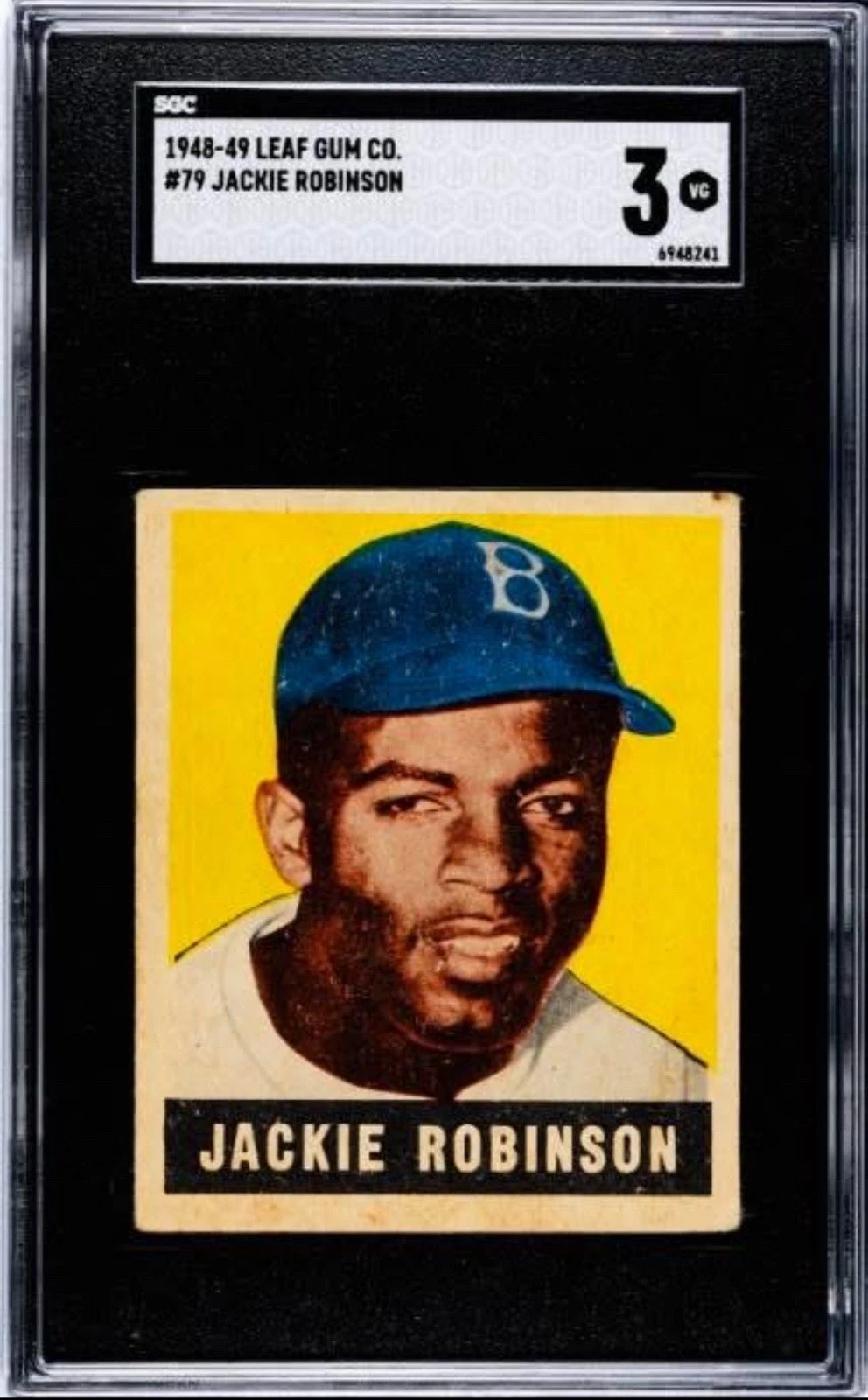
Jackie Robinson
Rookie Year: 1948
1948 Leaf #79
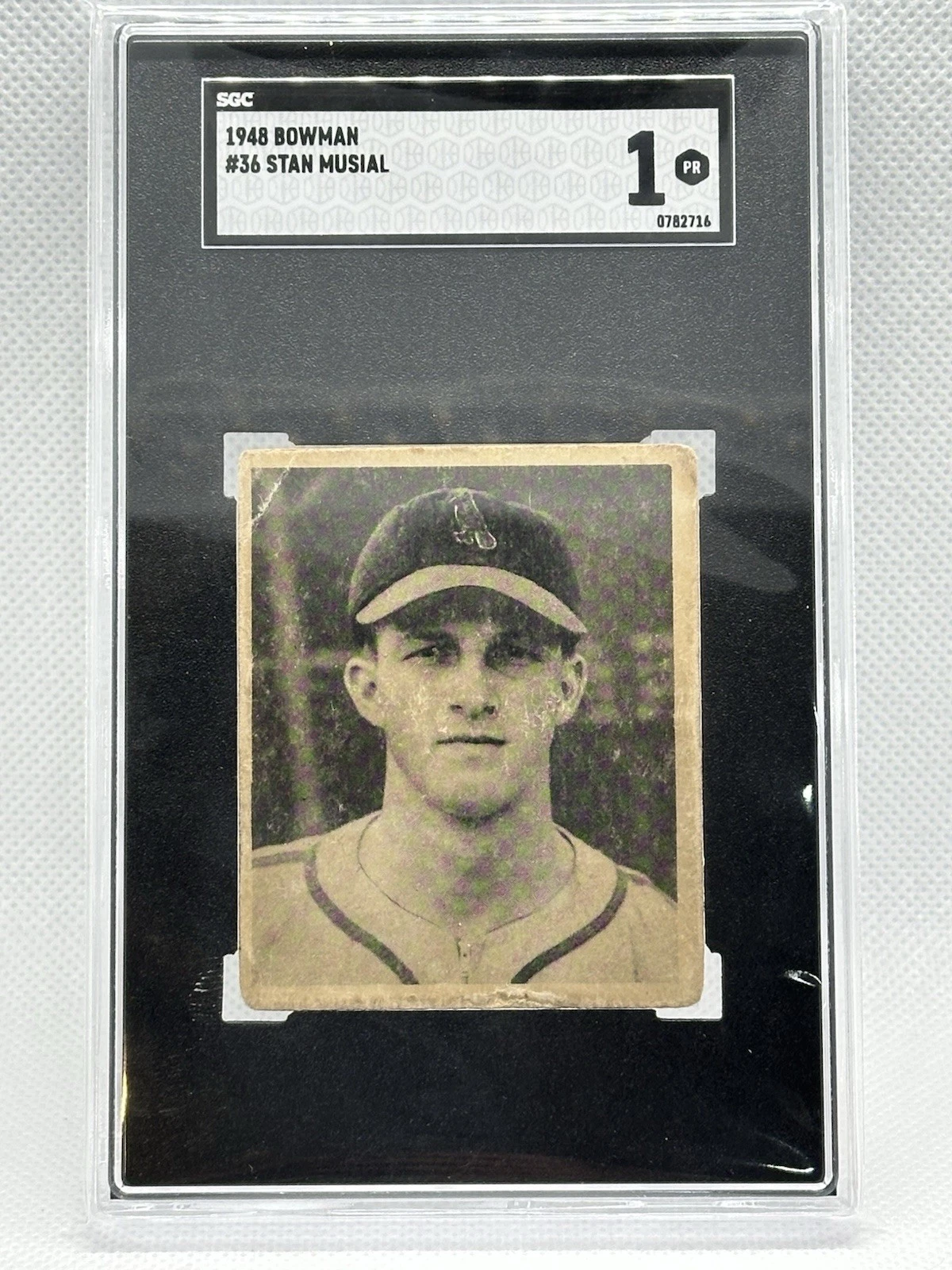
Stan Musial
Rookie Year: 1948
1948 Bowman #36 / 1948 Leaf #4
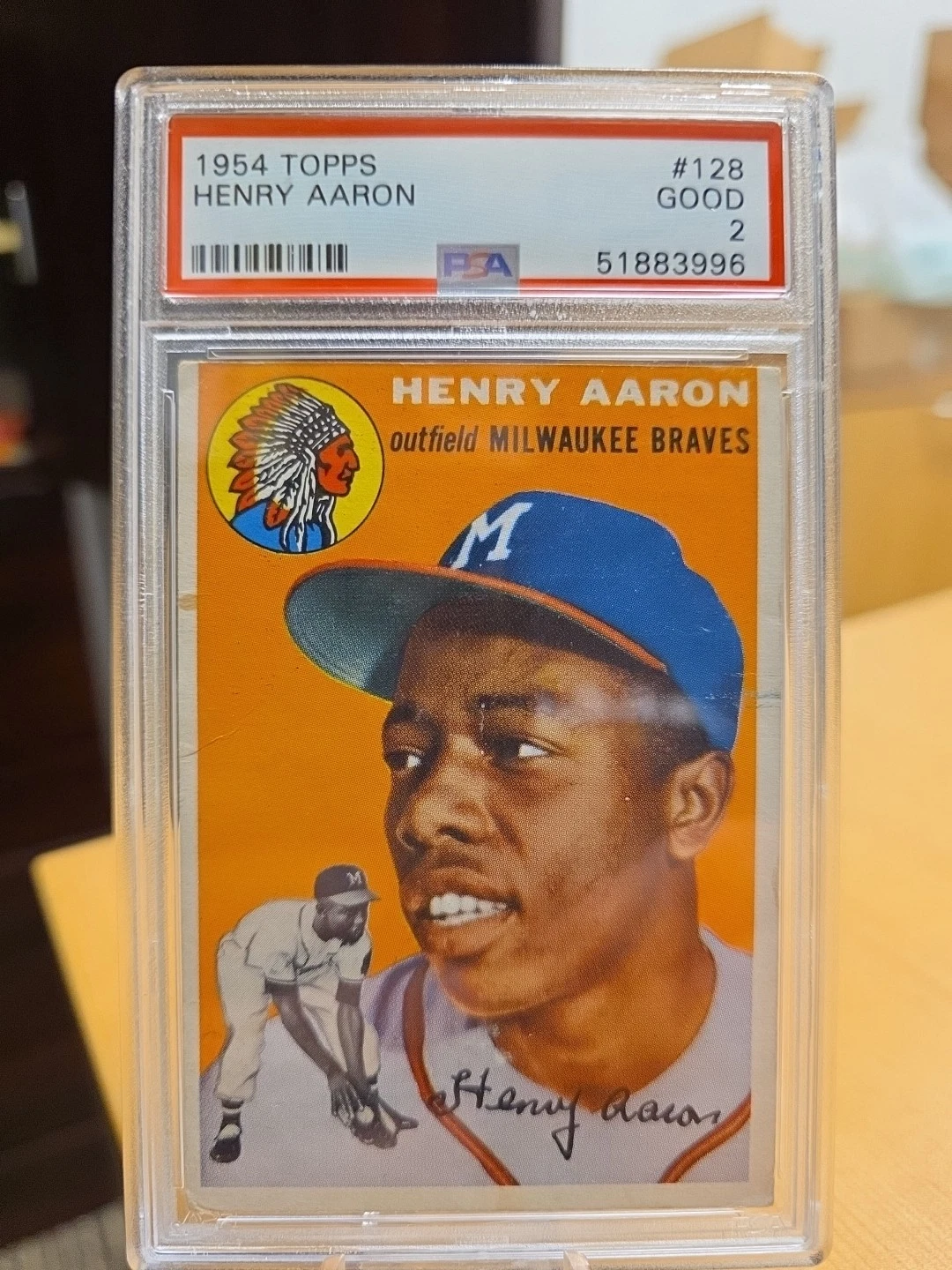
Hank Aaron
Rookie Year: 1954
1954 Topps #128 / 1954 Bowman #66
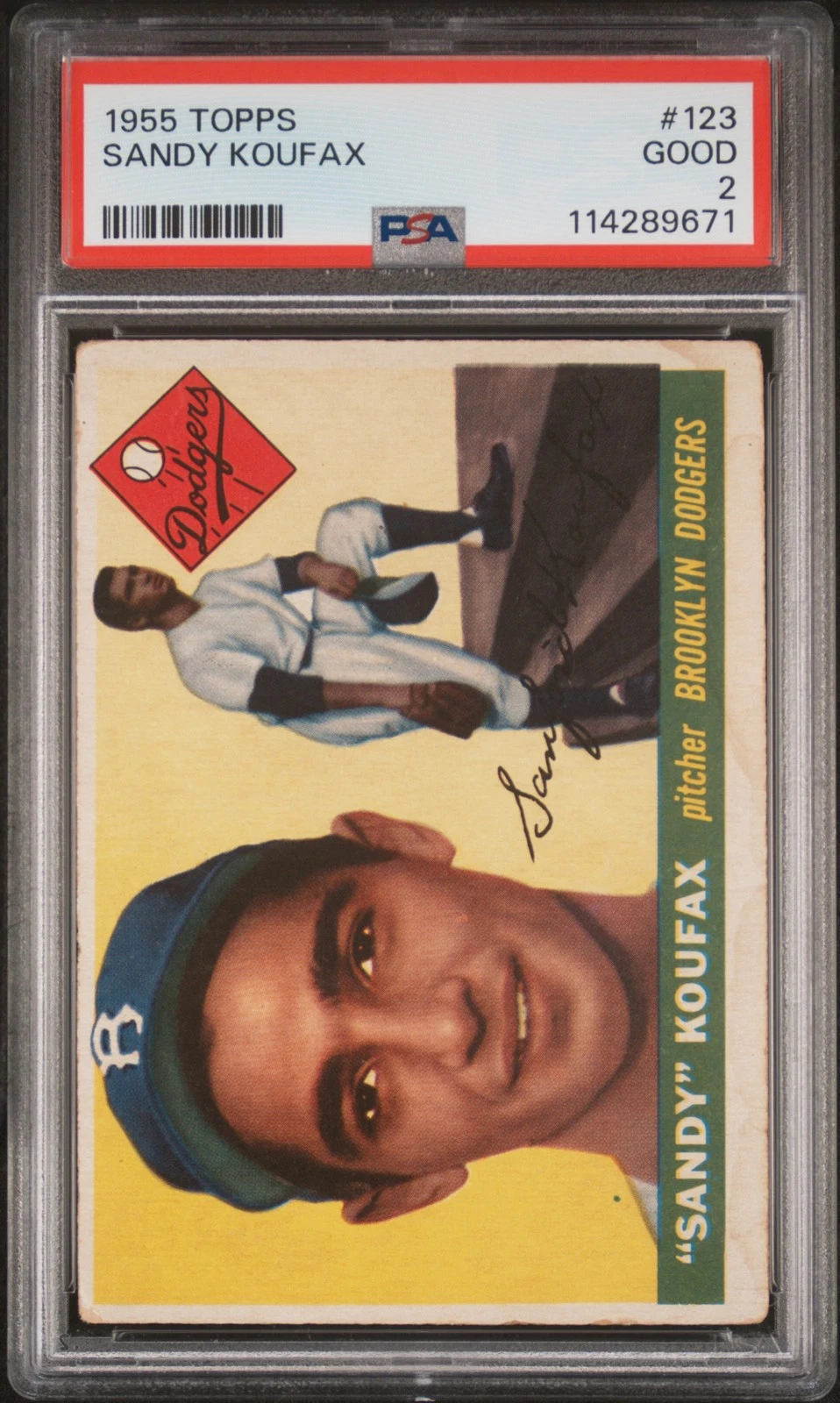
Sandy Koufax
Rookie Year: 1955
1955 Topps #123
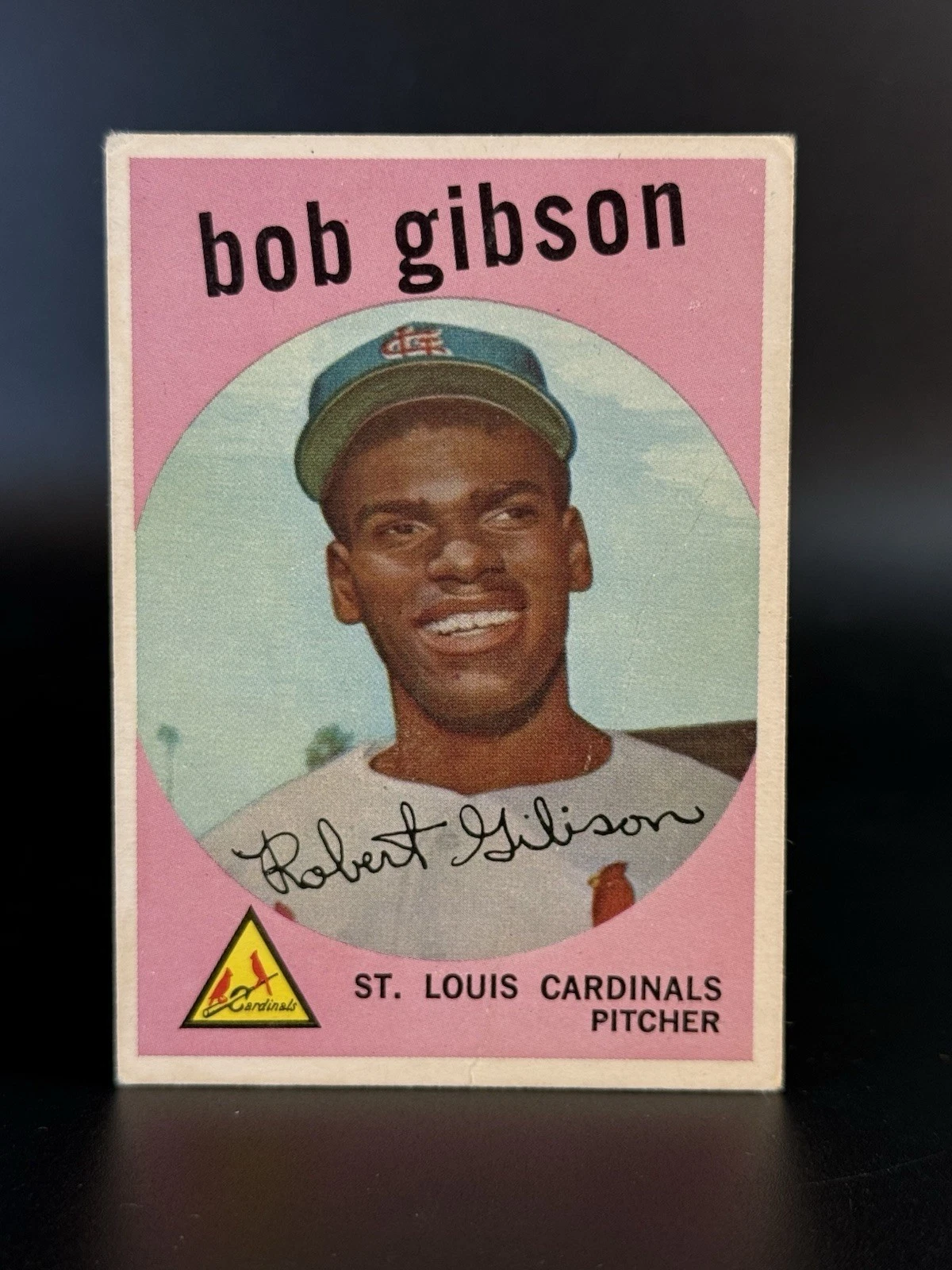
Bob Gibson
Rookie Year: 1959
1959 Topps #514
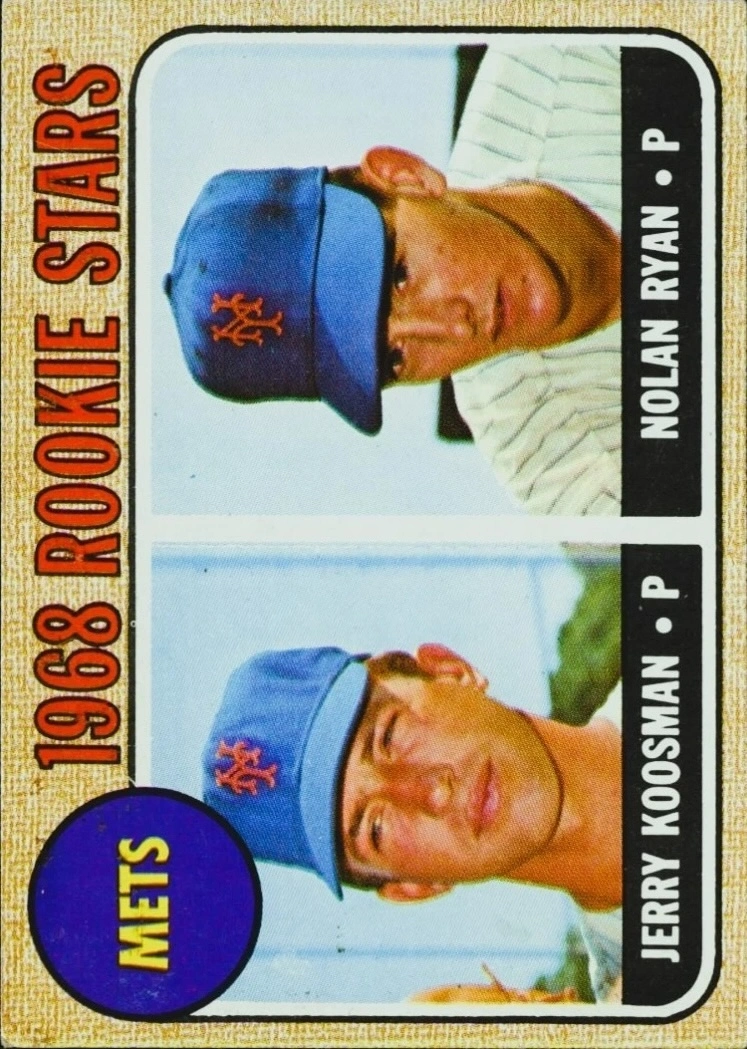
Nolan Ryan
Rookie Year: 1968
1968 Topps #177 Mets Rookie Stars
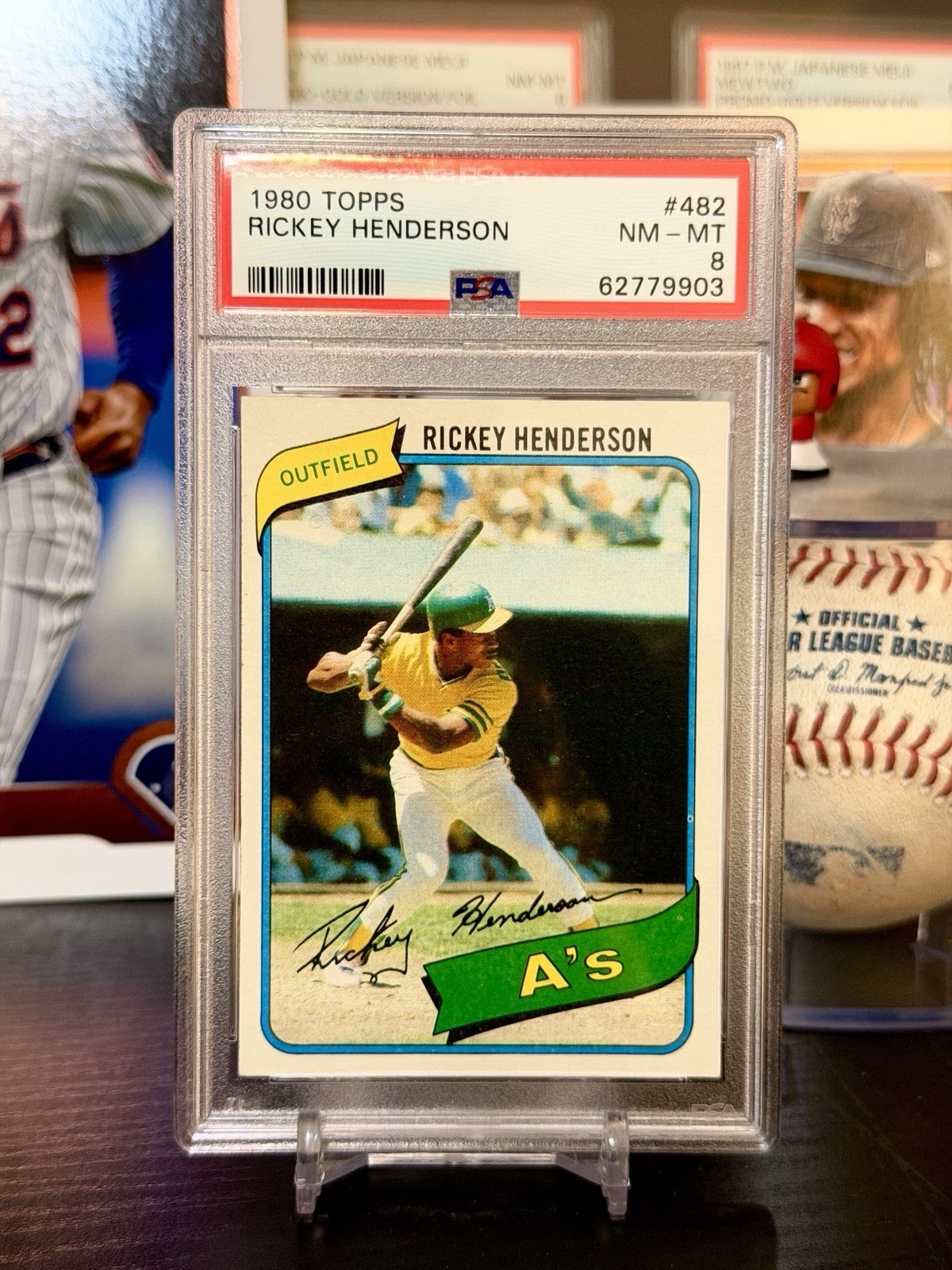
Rickey Henderson
Rookie Year: 1979
1980 Topps #482
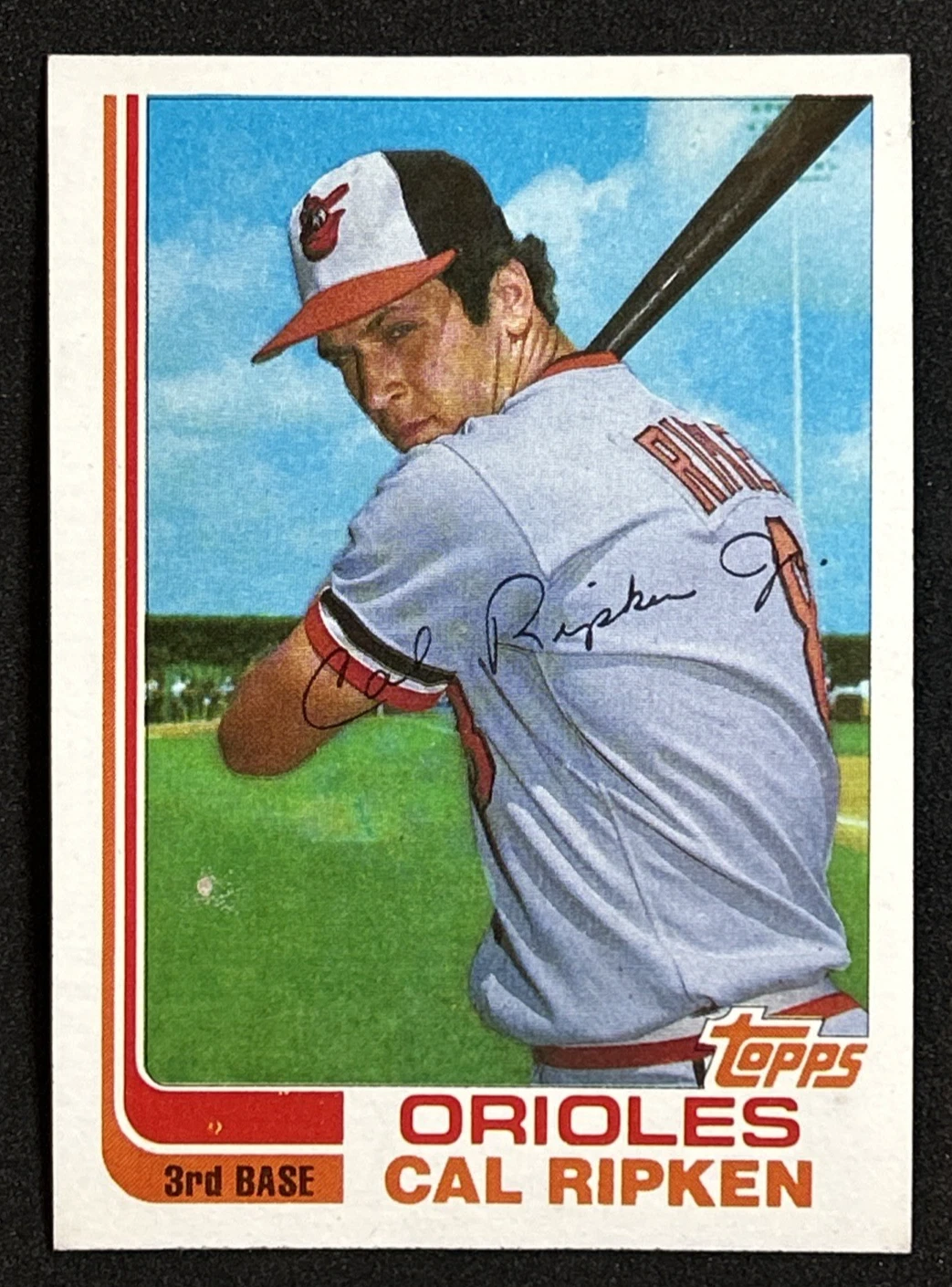
Cal Ripken Jr.
Rookie Year: 1982
1982 Topps Traded #98T / 1982 Donruss #405 / 1982 Fleer #176

Roger Clemens
Rookie Year: 1984
1985 Topps / Donruss / Fleer
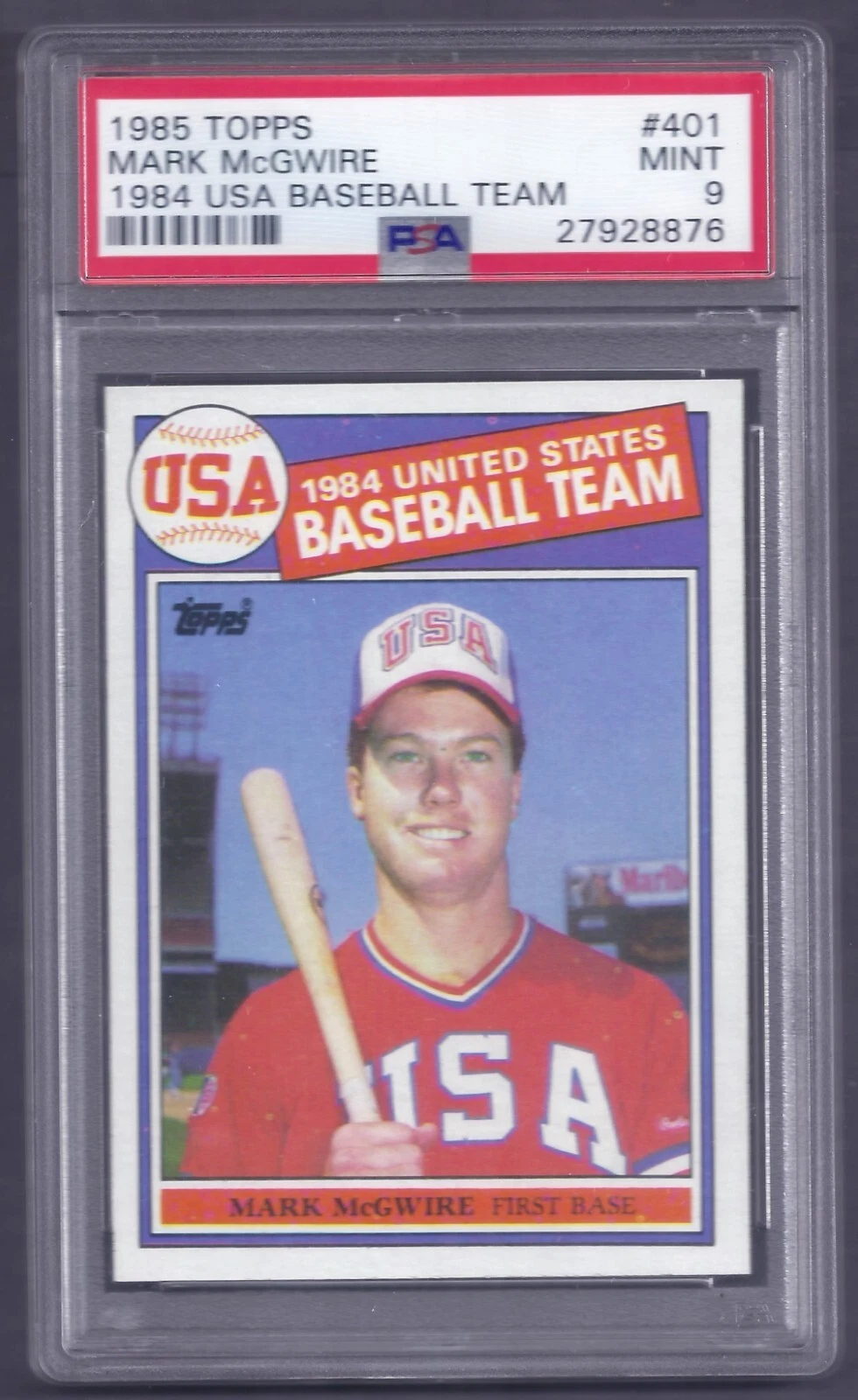
Mark McGwire
Rookie Year: 1985
1985 Topps #401 (Team USA) / 1985 Topps Tiffany #401
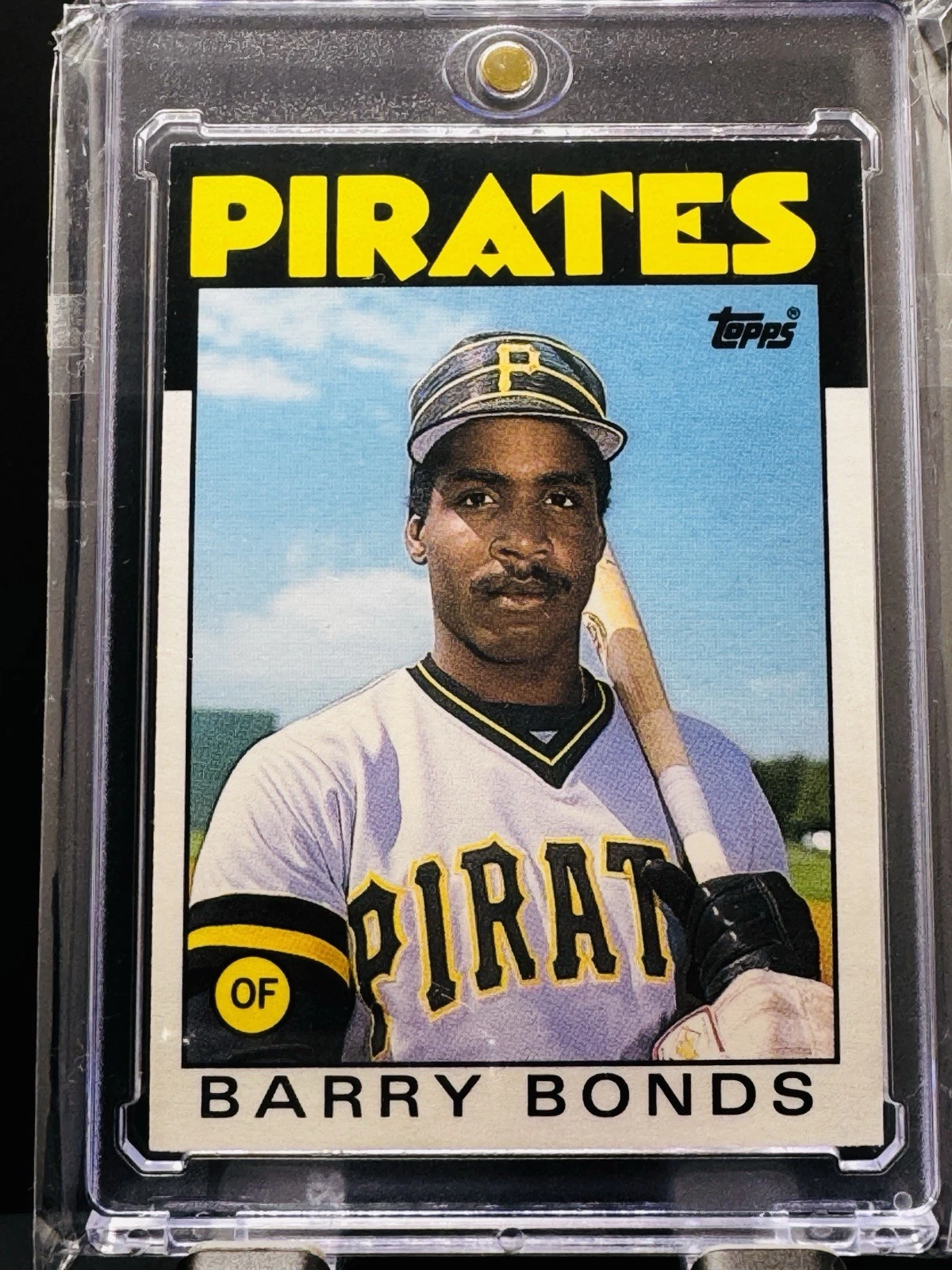
Barry Bonds
Rookie Year: 1986
1986 Topps Traded #11T / Fleer Update #U-14 / Donruss The Rookies #11
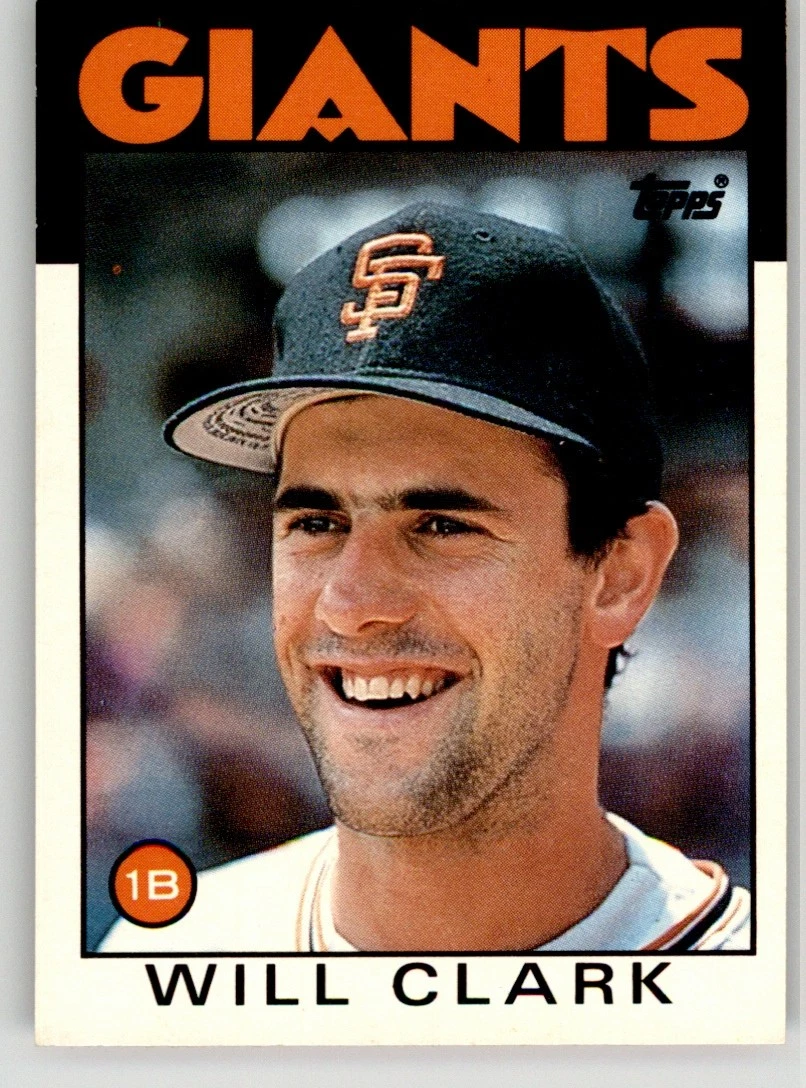
Will Clark
Rookie Year: 1986
1986 Topps Traded #24T / Donruss The Rookies #32 / Fleer Update #U-25
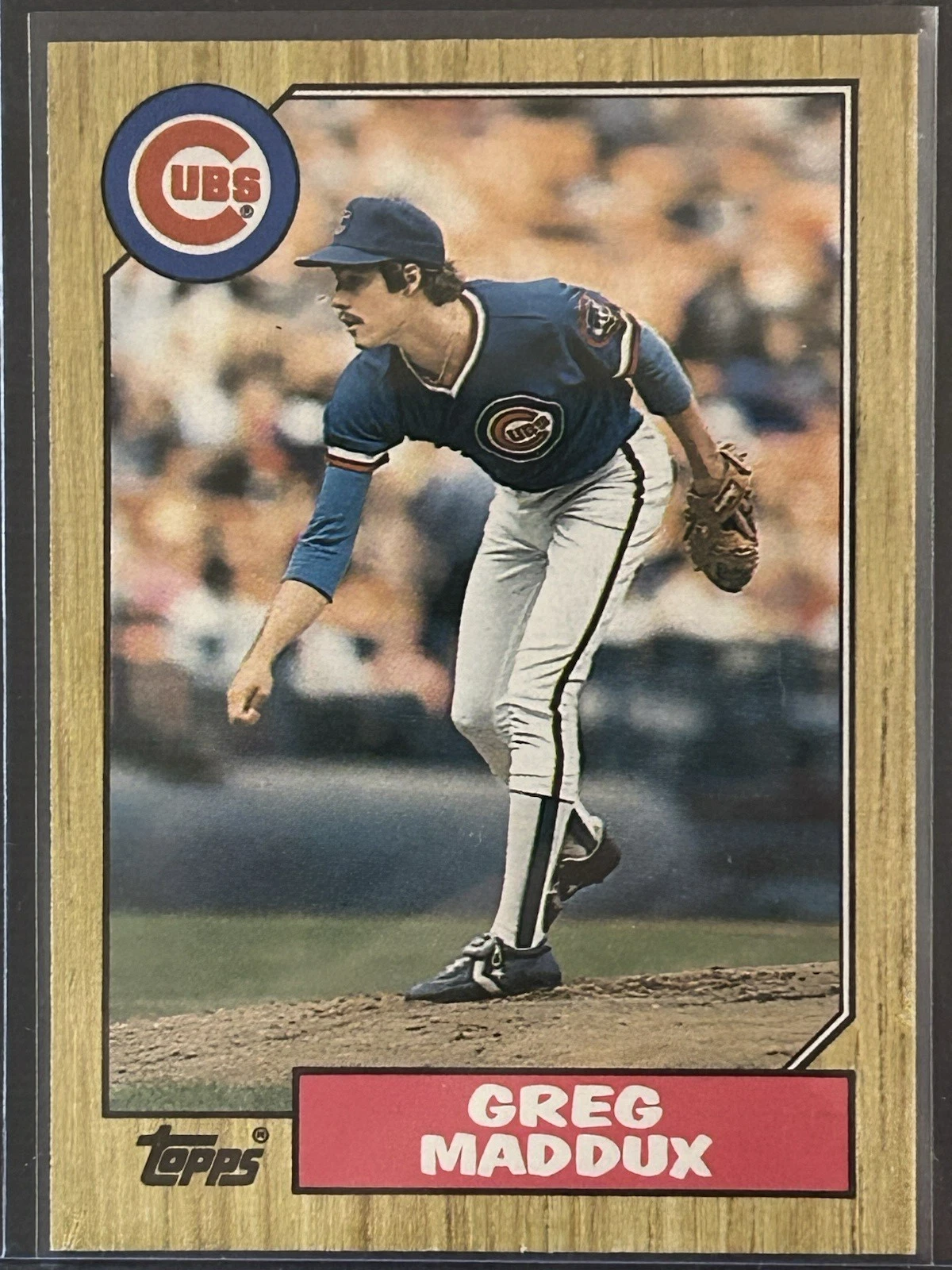
Greg Maddux
Rookie Year: 1987
1987 Topps Traded #70T / Fleer Update #U-68 / Donruss #36
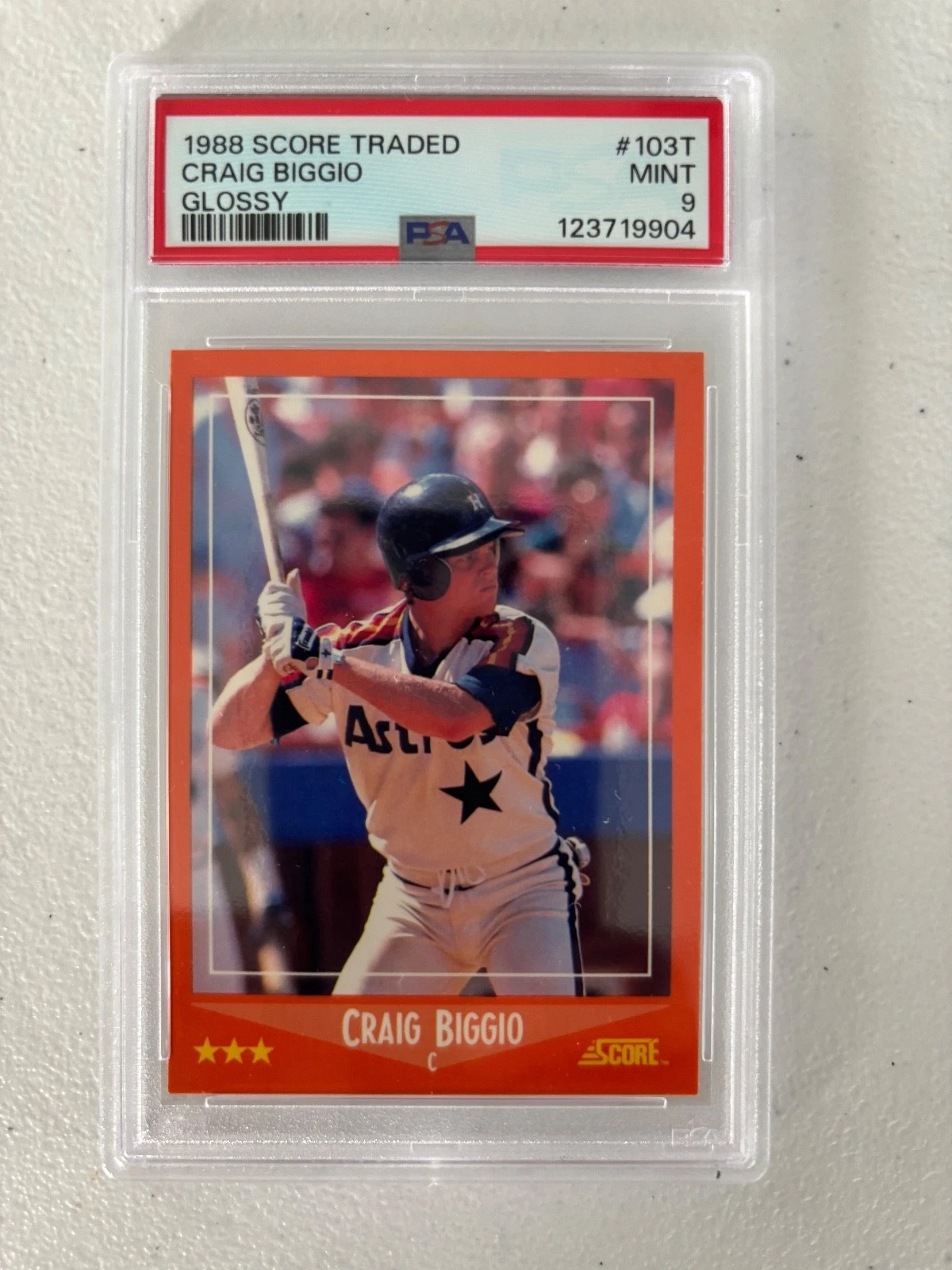
Craig Biggio
Rookie Year: 1988
1988 Score Traded #103T / 1989 Topps #49 / 1989 Upper Deck #273
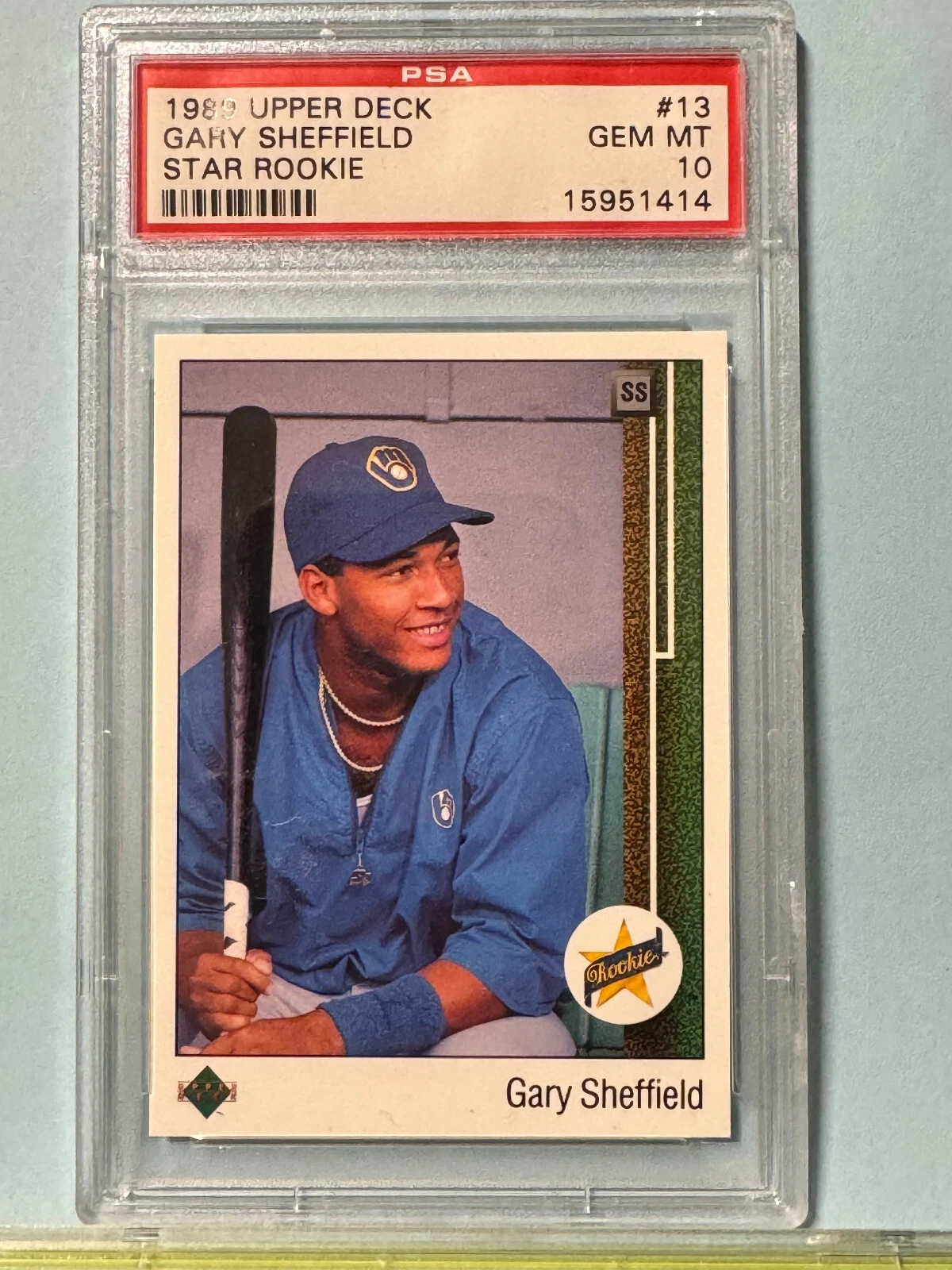
Gary Sheffield
Rookie Year: 1989
1989 Upper Deck #13 / Topps #343 / Fleer #196
Ken Griffey Jr.
Rookie Year: 1989
1989 Upper Deck / Fleer / Bowman / Topps Traded / Donruss
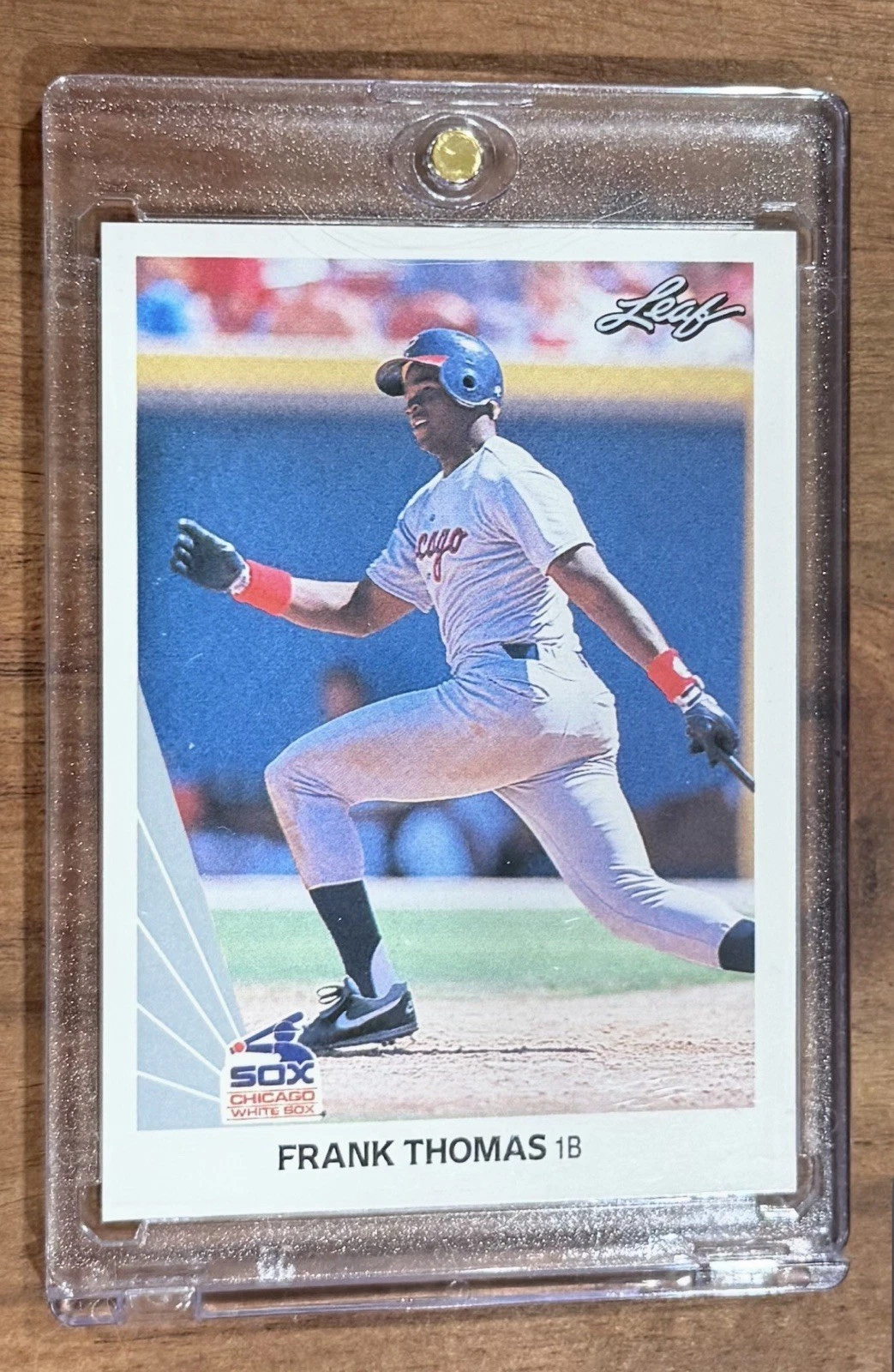
Frank Thomas
Rookie Year: 1990
1990 Leaf #300 / 1990 Topps #414 / 1990 Bowman #320
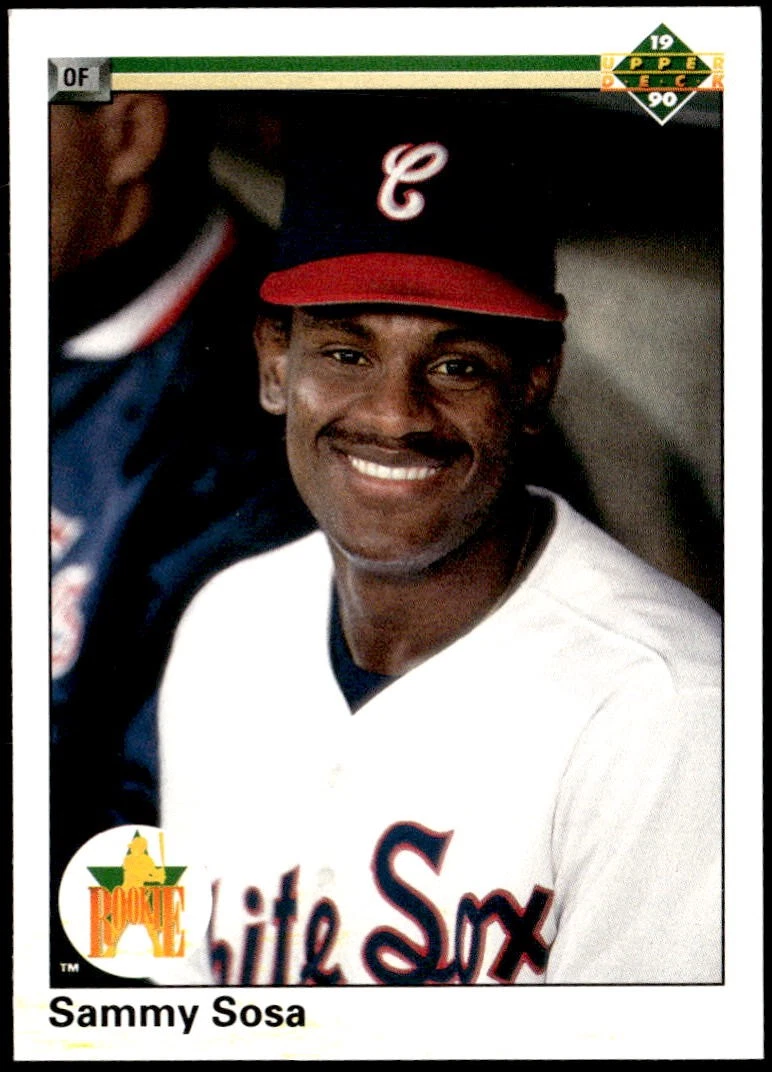
Sammy Sosa
Rookie Year: 1990
1990 Upper Deck #17 / 1990 Topps #692 / 1990 Leaf #220
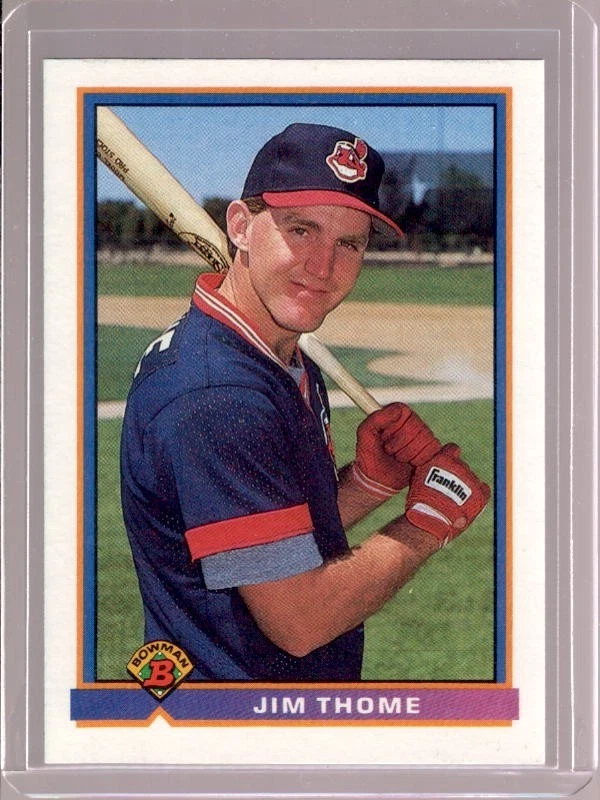
Jim Thome
Rookie Year: 1991
1991 Bowman #68 / 1991 Upper Deck Final Edition #17F
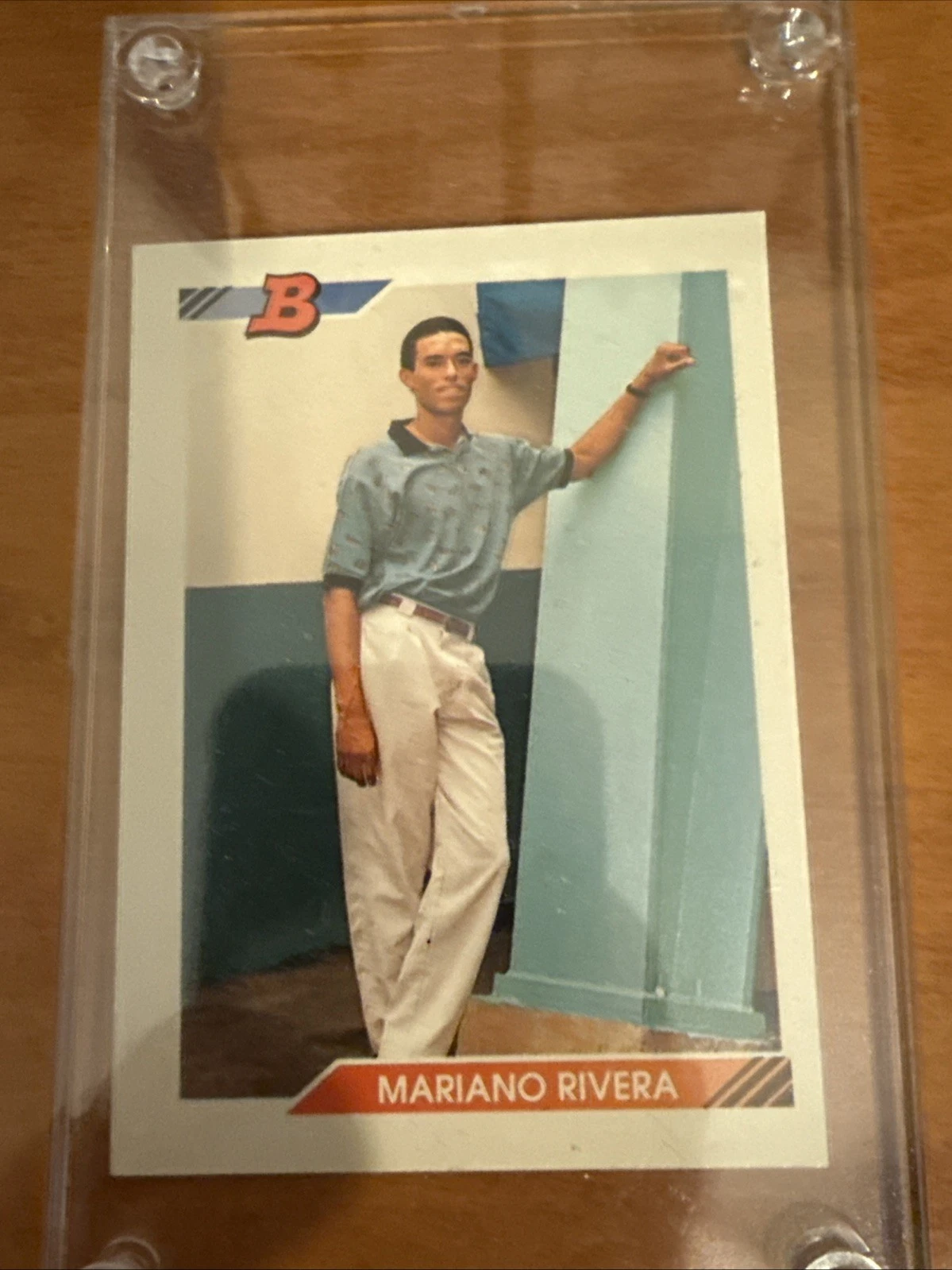
Mariano Rivera
Rookie Year: 1992
1992 Bowman #302
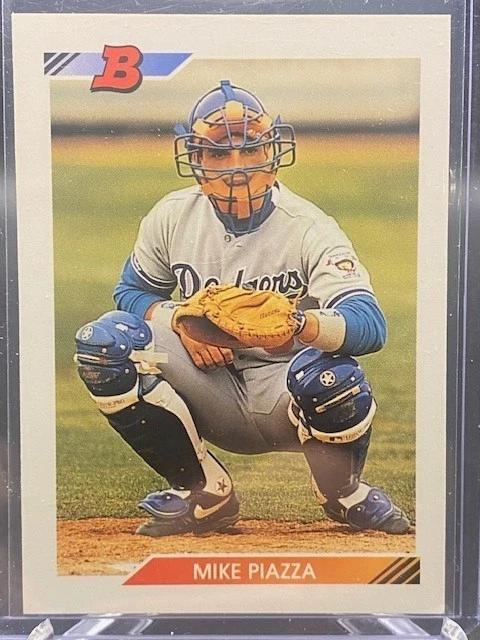
Mike Piazza
Rookie Year: 1992
1992 Fleer Update #U-92 / Bowman #461
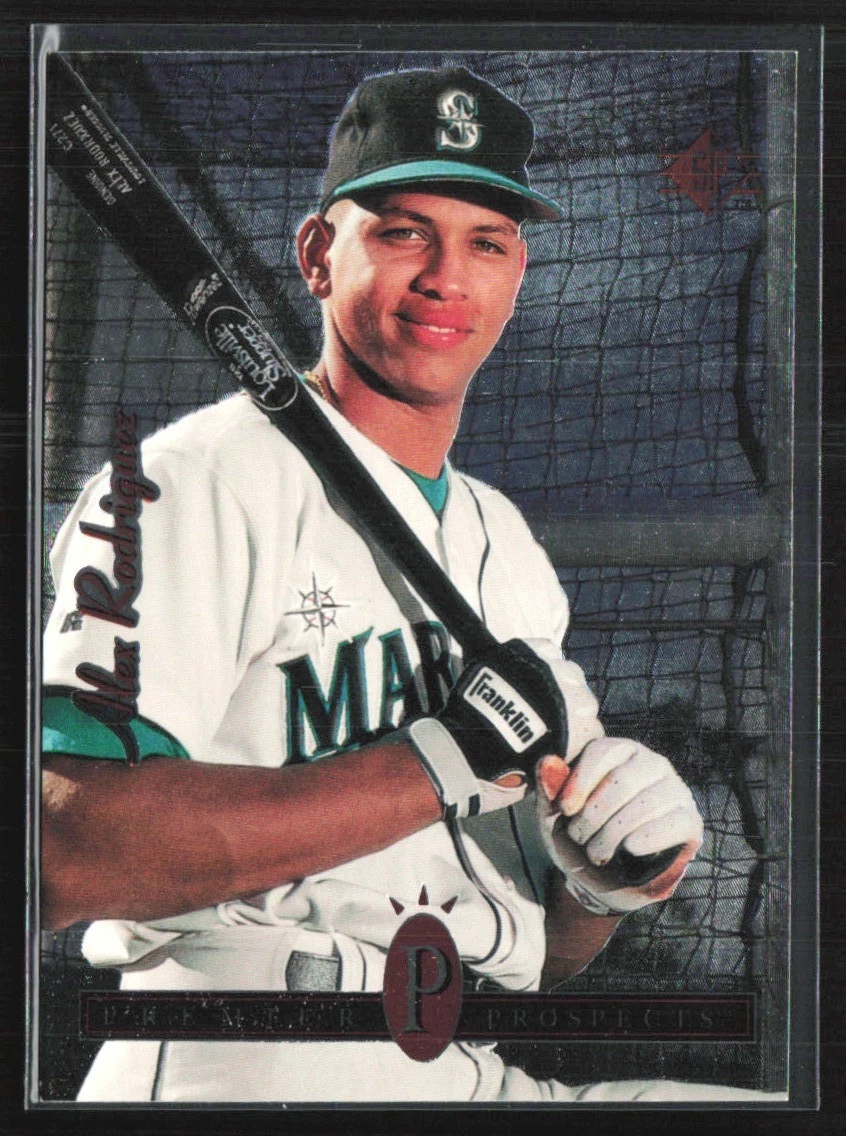
Alex Rodriguez
Rookie Year: 1994
1994 SP / Upper Deck / Bowman / Flair
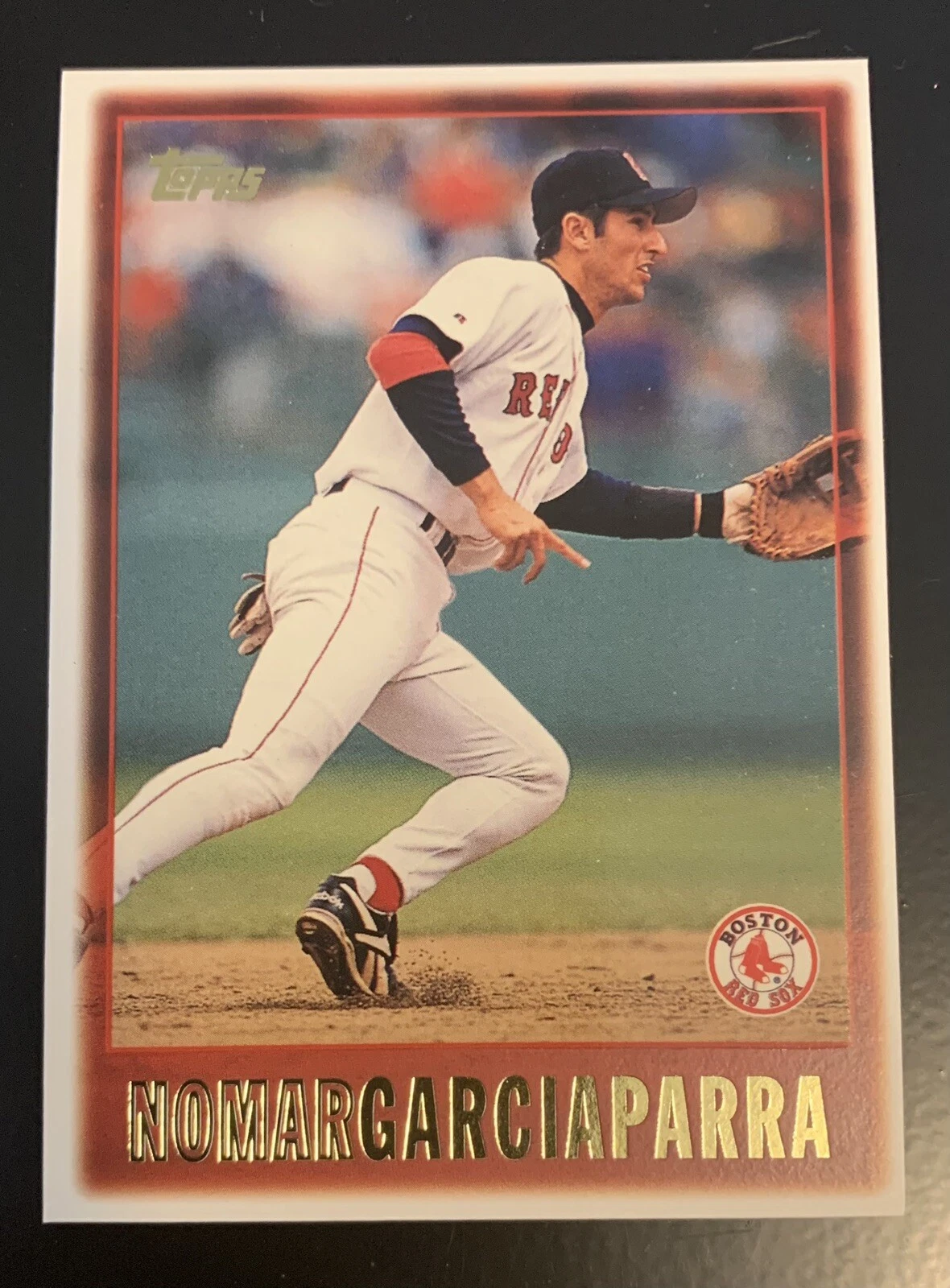
Nomar Garciaparra
Rookie Year: 1997
1997 Topps #293 / 1997 Topps Chrome #99 / 1997 Bowman Chrome #224
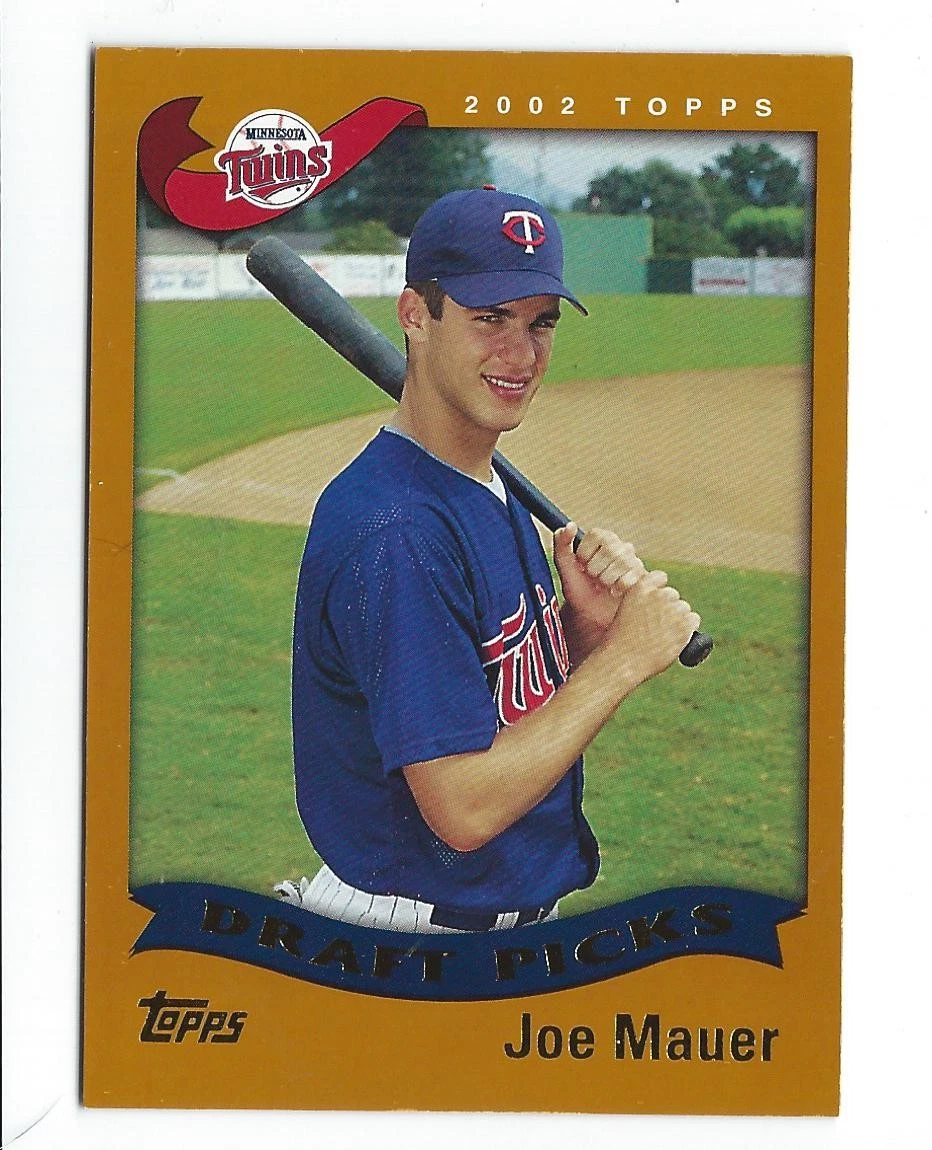
Joe Mauer
Rookie Year: 2004
2002 Topps #622 / 2002 Bowman #379 / 2002 Bowman Chrome Auto #391
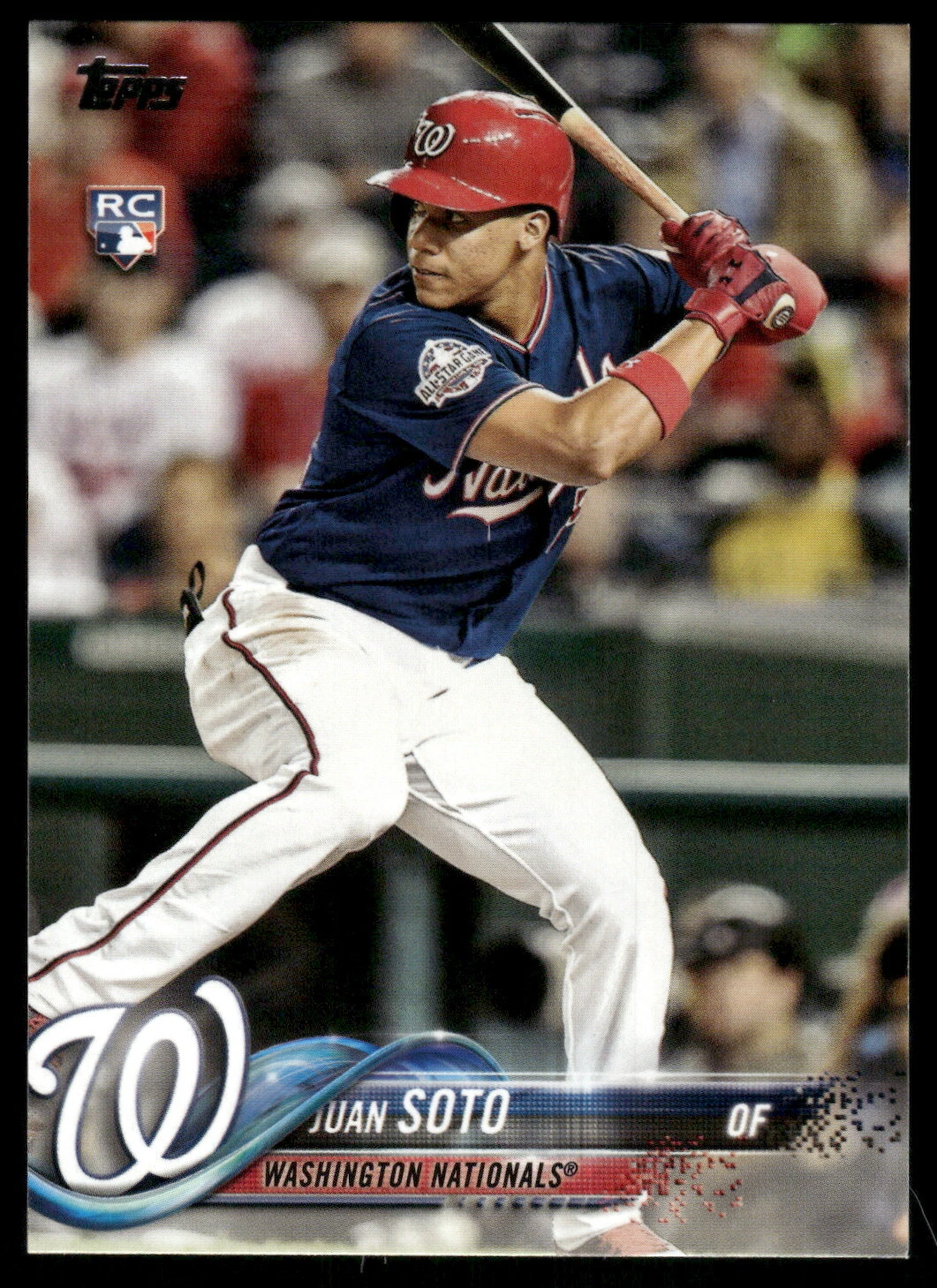
Juan Soto
Rookie Year: 2018
2018 Topps Update #US300
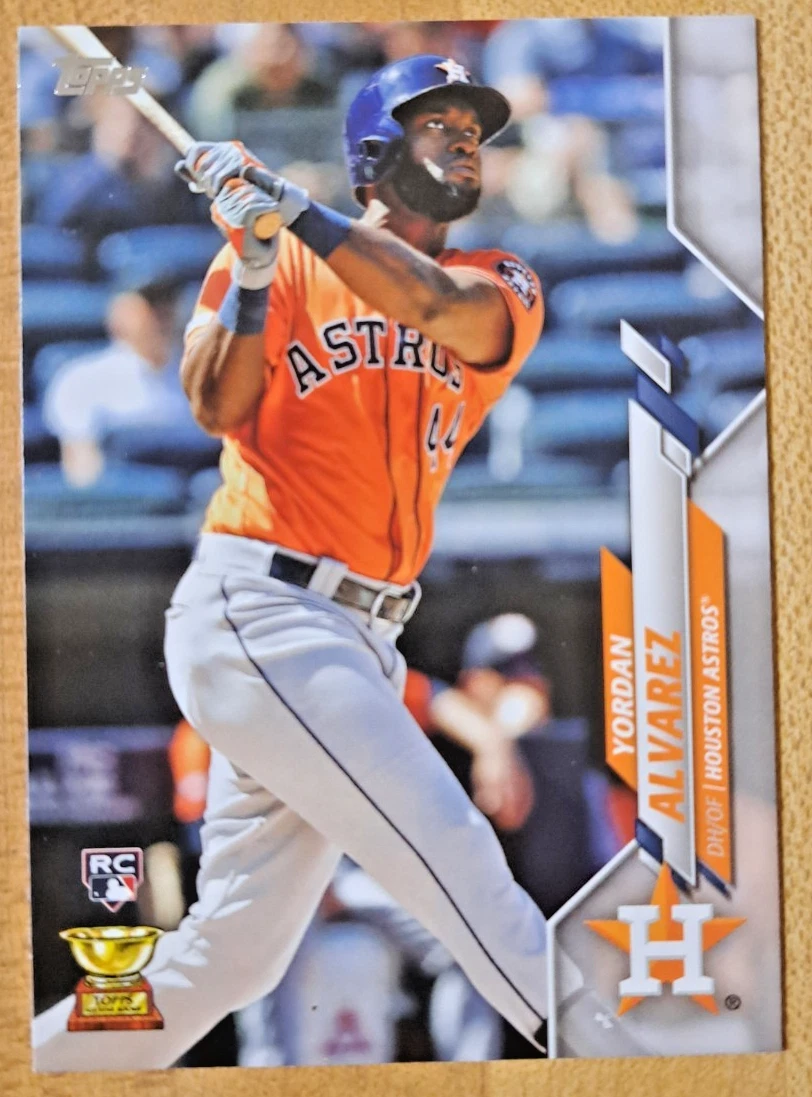
Yordan Alvarez
Rookie Year: 2019
2020 Topps Series 1 #276 / 2020 Topps Chrome #200
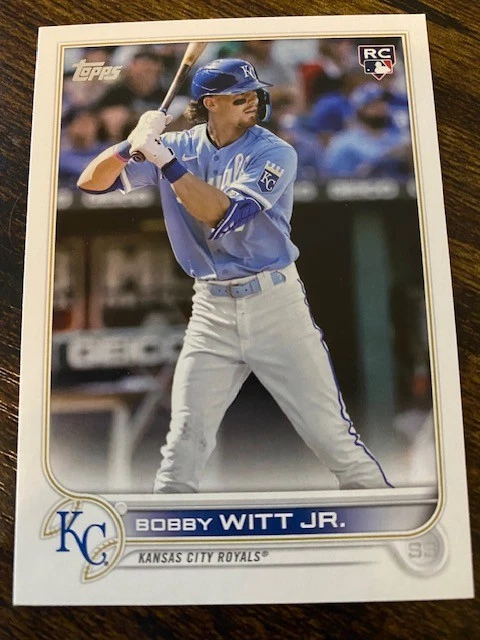
Bobby Witt Jr.
Rookie Year: 2022
2022 Topps Series 2 #660 / 2022 Topps Chrome Update #USC35
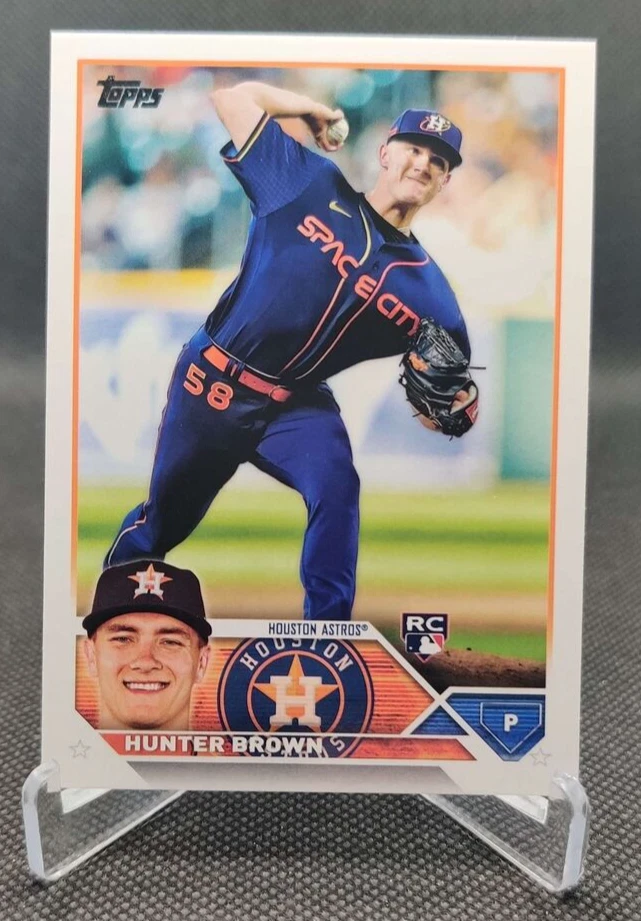
Hunter Brown
Rookie Year: 2023
2023 Topps Series 1 #111 / 2023 Topps Chrome #197
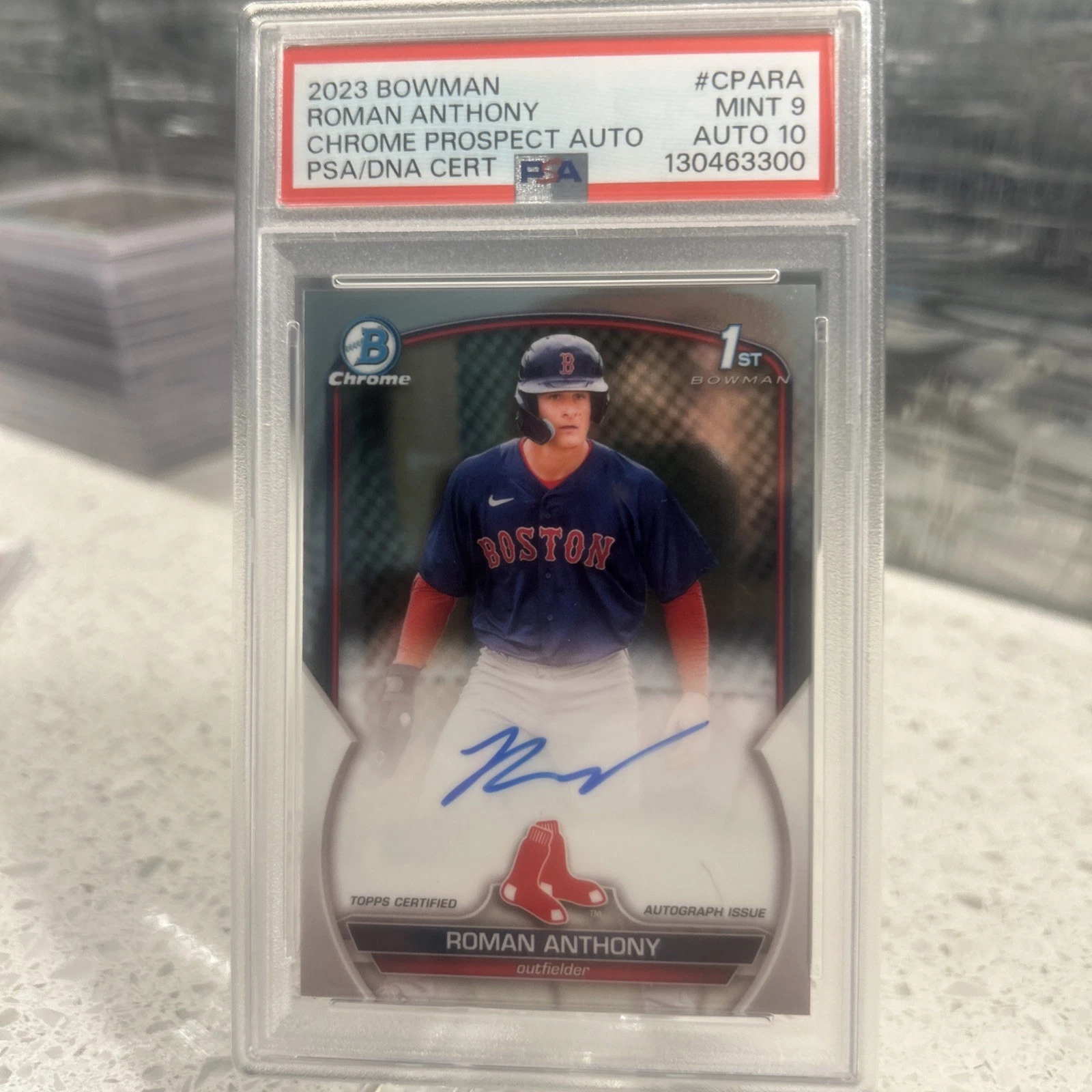
Roman Anthony
Rookie Year: 2023
2023 Bowman Chrome Draft 1st Bowman
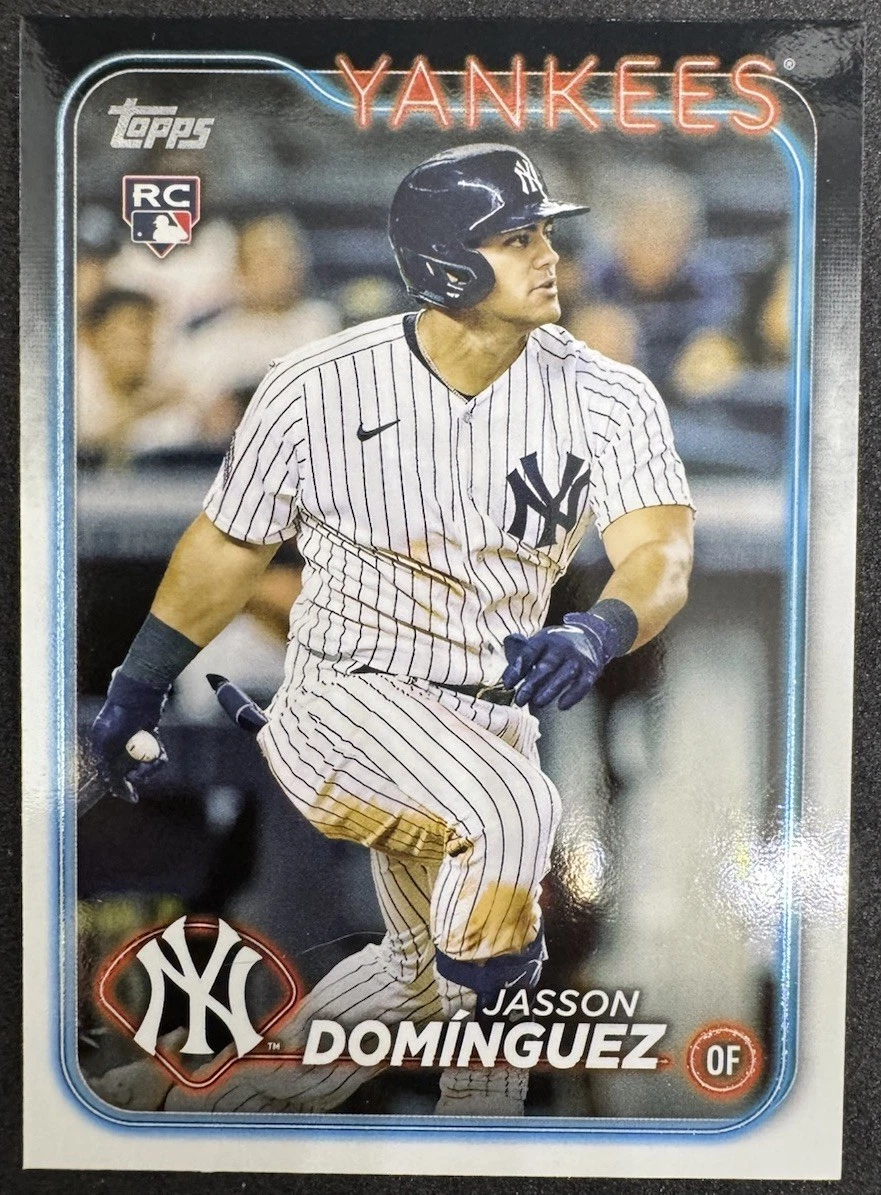
Jasson Domínguez
Rookie Year: 2024
2024 Topps Series 1 #60 / Topps Chrome / Heritage
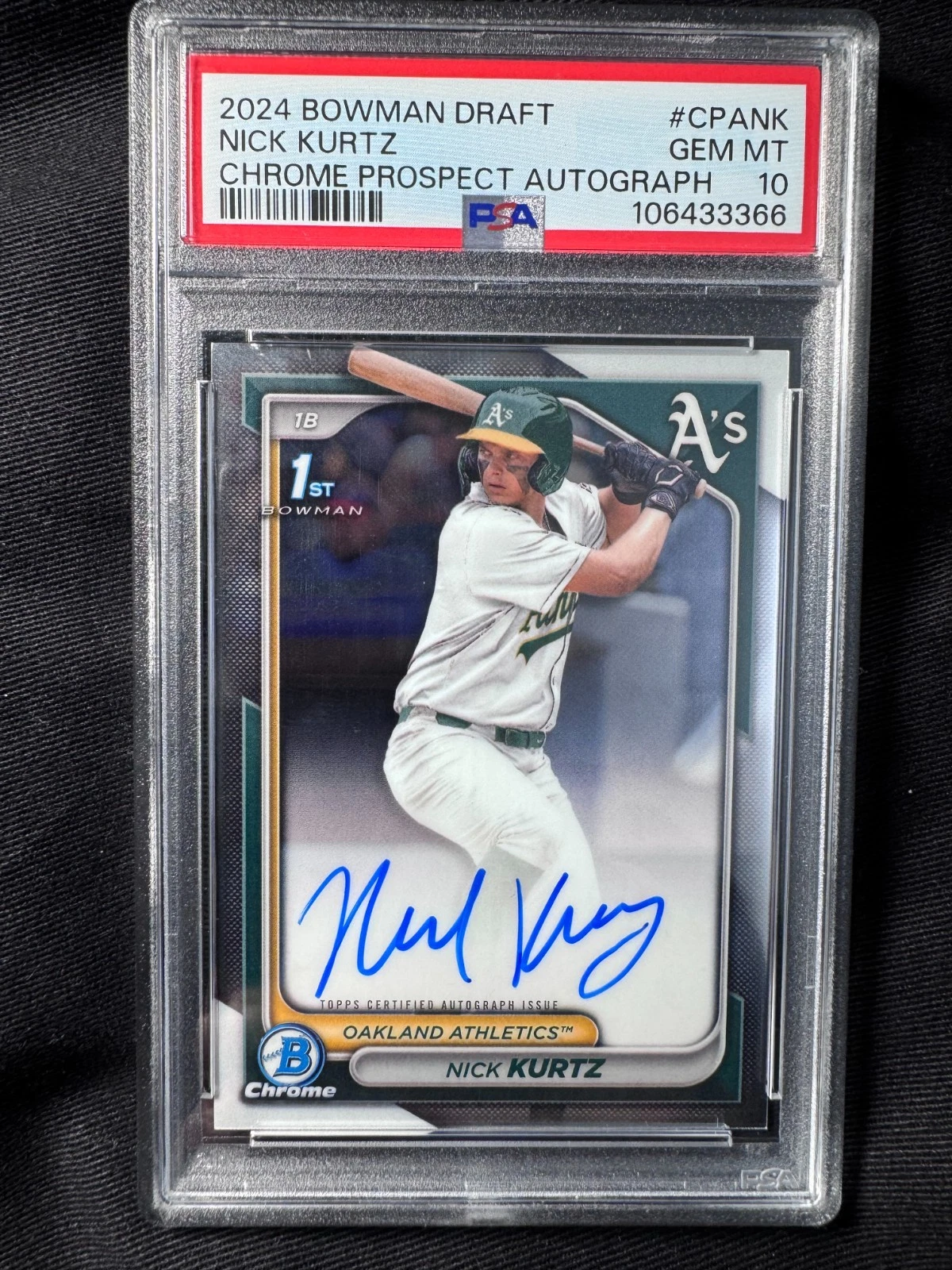
Nick Kurtz
Rookie Year: 2024
2024 Bowman Draft 1st Bowman

Paul Skenes
Rookie Year: 2024
2023 Bowman Chrome Draft / 2024 Topps Chrome Update
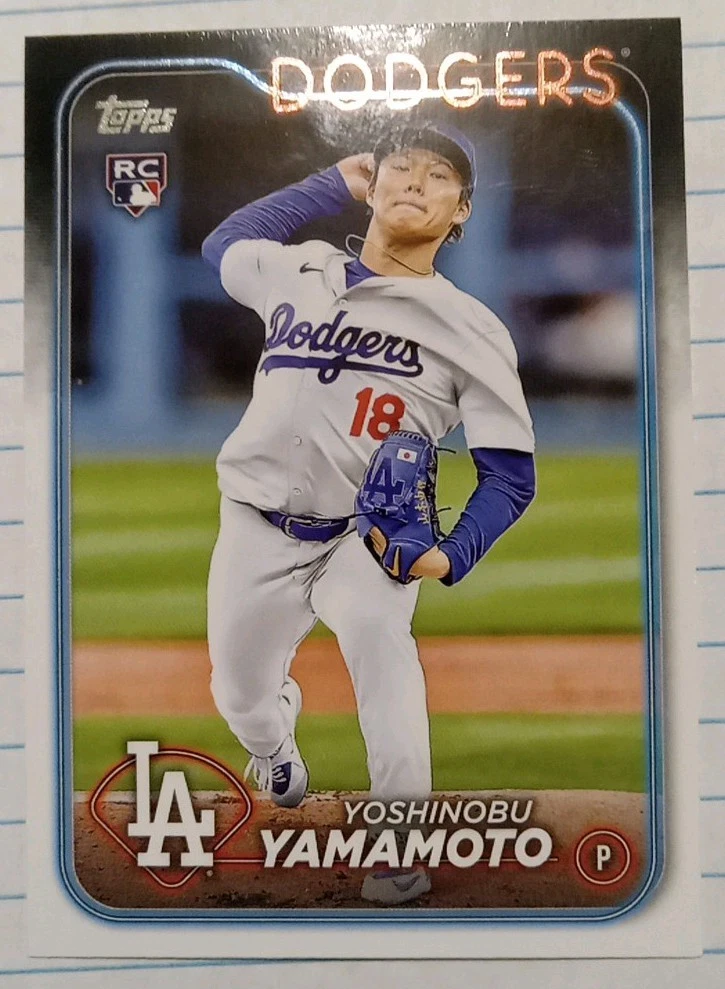
Yoshinobu Yamamoto
Rookie Year: 2024
2024 Topps Series 2 #553 / 2024 Topps Update #US149 Rookie Debut
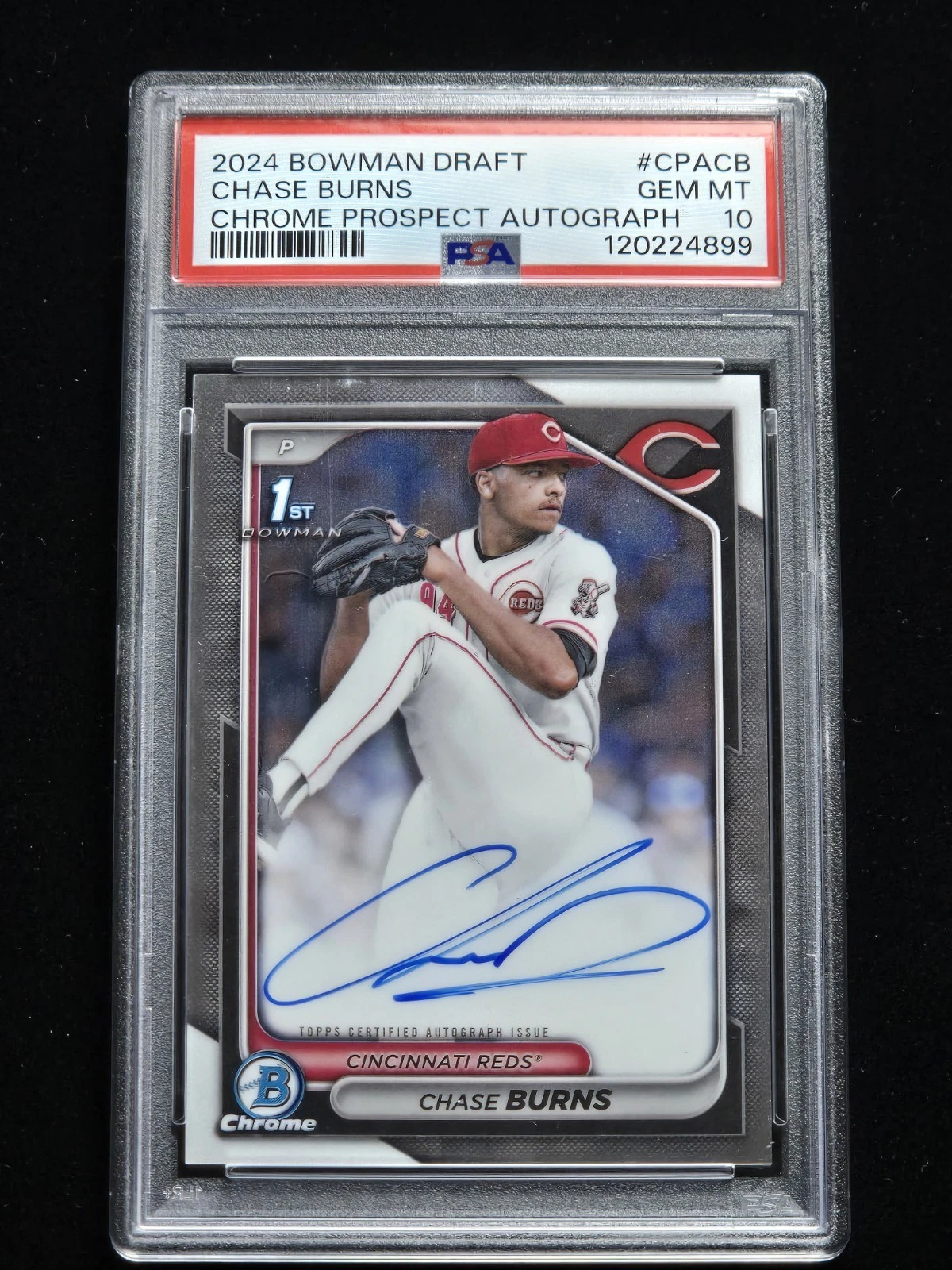
Chase Burns
Rookie Year: 2025
2025 Topps / Topps Chrome
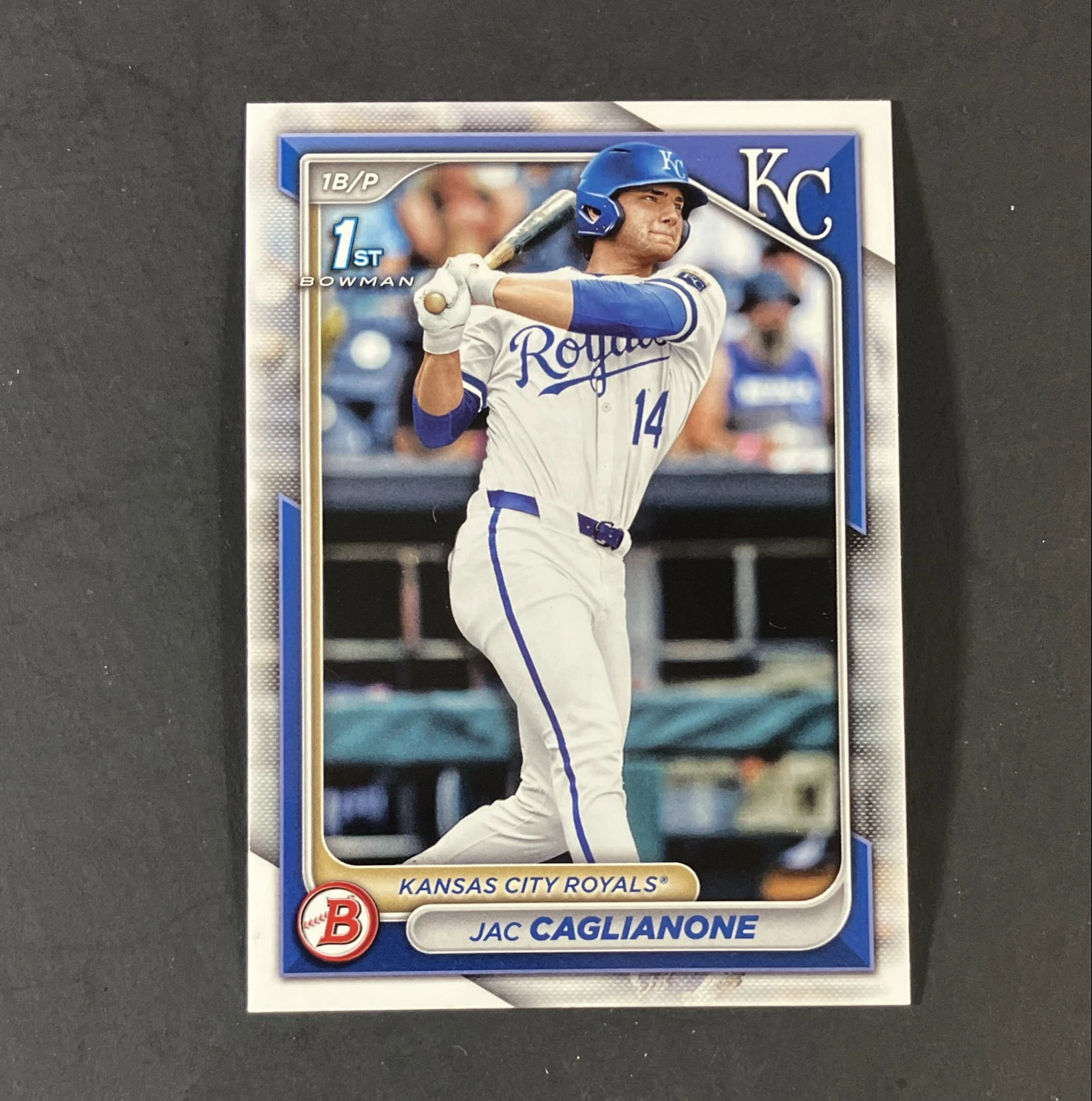
Jac Caglianone
Rookie Year: 2025
2024 Bowman Draft #BD-8 (1st Bowman) / 2026 Topps RC (expected)
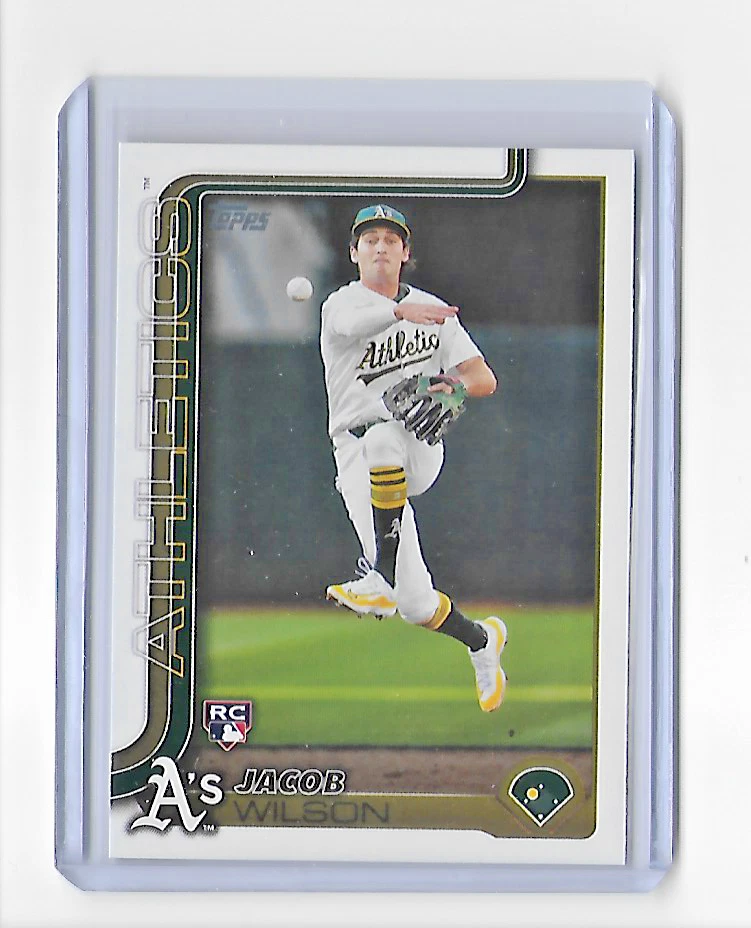
Jacob Wilson
Rookie Year: 2025
2025 Topps Series 1 #314 / 2025 Topps Chrome #96