PSA grades explained: what 1 to 10 and half grades mean, how grading works, and how to estimate your card at home before you submit to PSA. Get clarity now.
PSA grades explained
If you have a card at home and you are wondering “what grade would PSA give this?”, you are already thinking like a grader. PSA grading is not magic: it is a structured look at centering, corners, edges, and surface, plus a quick scan for big problems that cap the grade.
- PSA uses a 1 to 10 scale: 10 is virtually perfect; 1 is heavily damaged.
- PSA also uses half grades: 1.5 to 8.5 (there is no PSA 9.5).
- Centering matters a lot: it is often the difference between a whole grade and a half grade on otherwise clean cards.
- Big flaws cap grades fast: creases, dents, stains, trimming, and heavy scratches usually prevent high grades.
- Value jumps are real but uneven: some cards barely move from 8 to 9, while others jump a lot from 9 to 10.
- Use data before you submit: check figoca comps and run your all-in math with the figoca EV grading calculator.
figoca extension
Get card comps on eBay in seconds
See comps directly on eBay listings and search results. Save time, avoid overpaying, and learn faster while you browse.
- Comps inline on item and search pages
- Automatic card detection and parsing
- Fast, privacy-first, and free
- Built for newcomers and hobbyists
What do PSA grades mean?
PSA grades are a standardized 1 to 10 condition score for trading cards. PSA graders evaluate centering, corners, edges, and surface, then assign the highest grade the card consistently meets. Half grades (like 7.5 or 8.5) can be used when a card is high-end for its grade but not strong enough for the next number.
The PSA grading scale: 1 to 10 (plus half grades)
Use this table as a practical “at-home” guide. PSA’s official definitions are the final word, but these checkpoints help you make realistic expectations before you submit.
| PSA grade | Label | Quick meaning | Common “at-home” tells | Label example |
|---|---|---|---|---|
| 10 | GEM-MT | Virtually perfect | Great centering; sharp corners; no obvious surface issues | 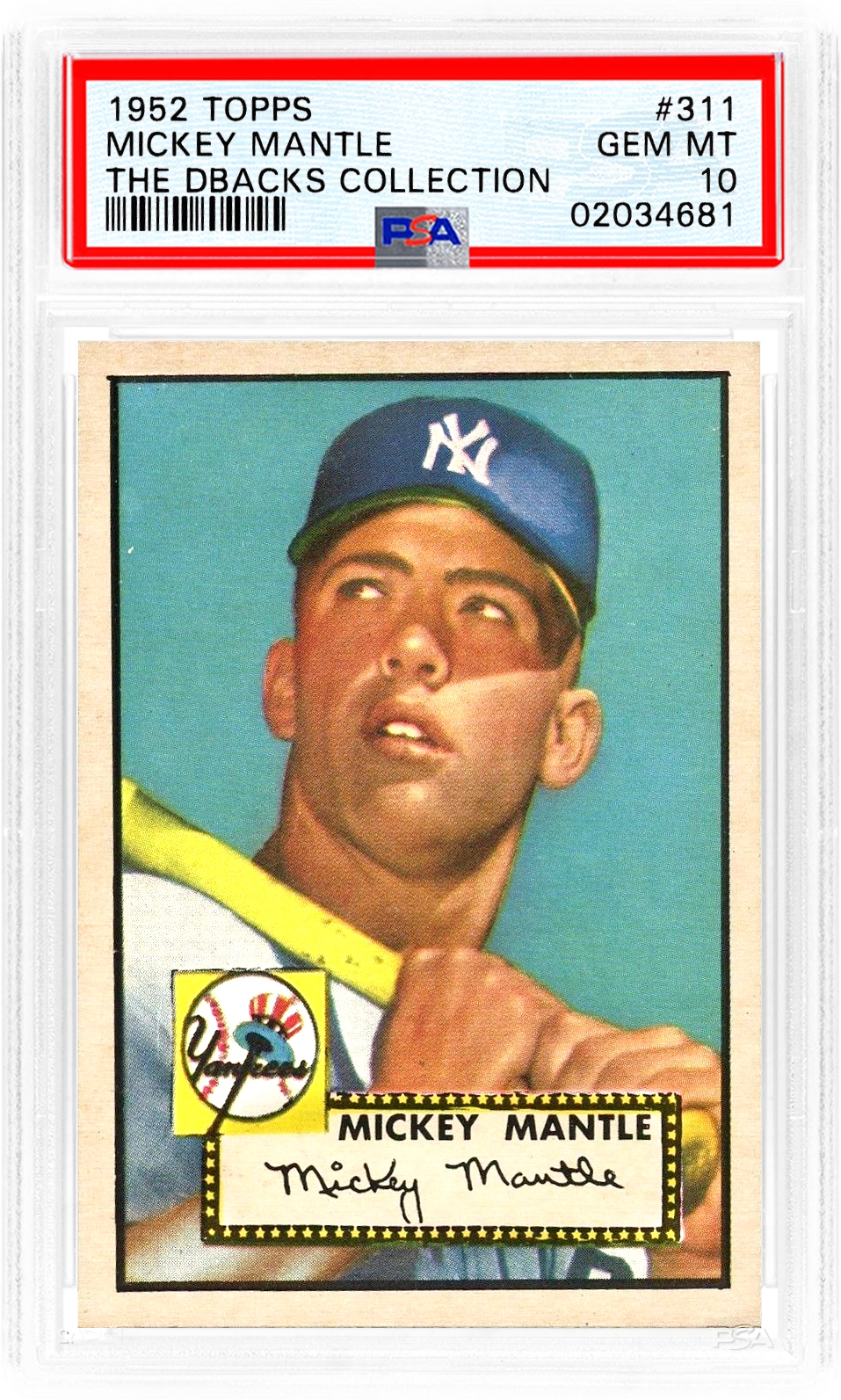 |
| 9 | MINT | Nearly perfect | Tiny flaws only; centering still strong | 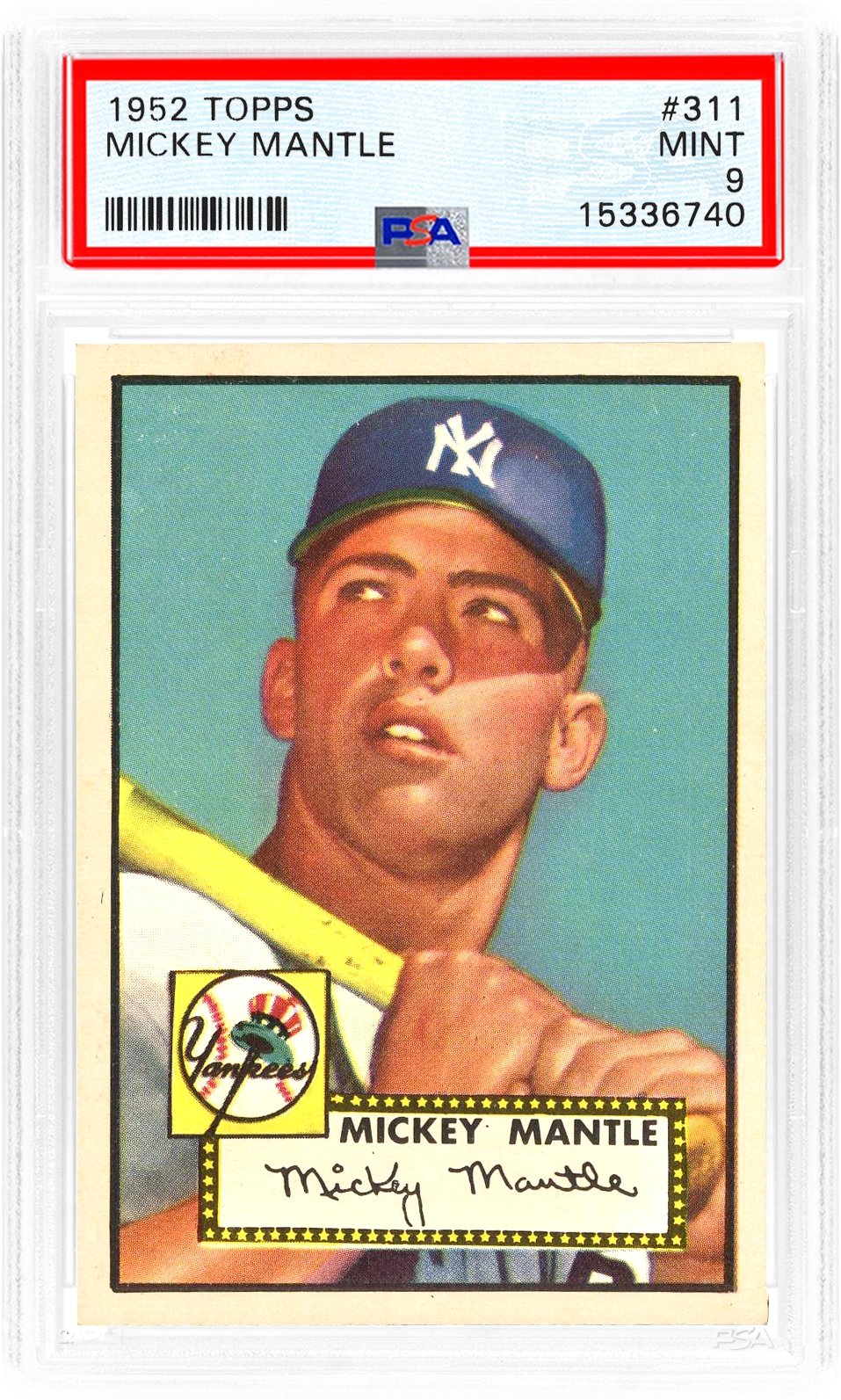 |
| 8.5 | NM-MT+ | High-end 8 | Looks better than most 8s, often with excellent centering | 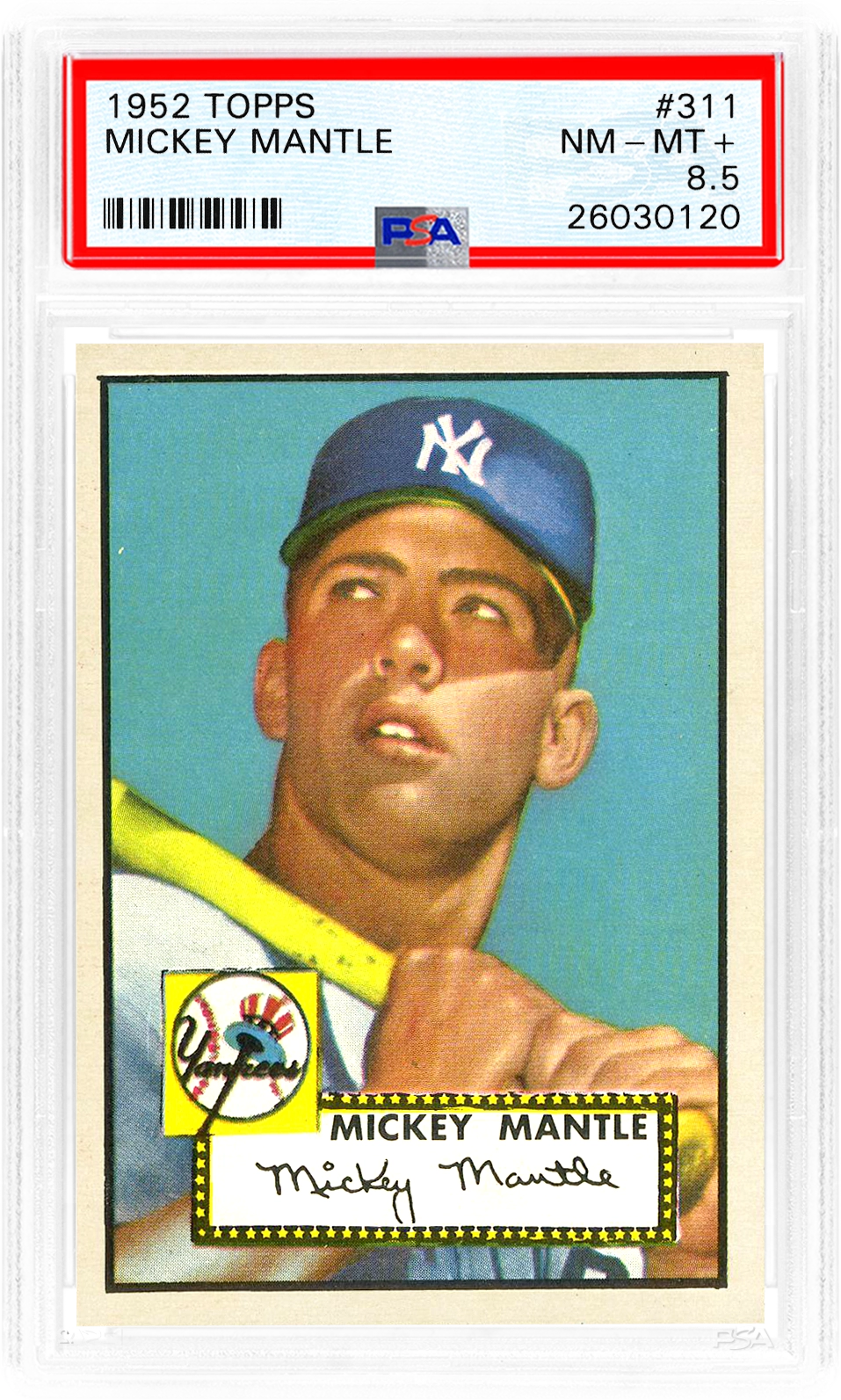 |
| 8 | NM-MT | Clean with small flaws | Minor corner wear or small surface/edge issues | 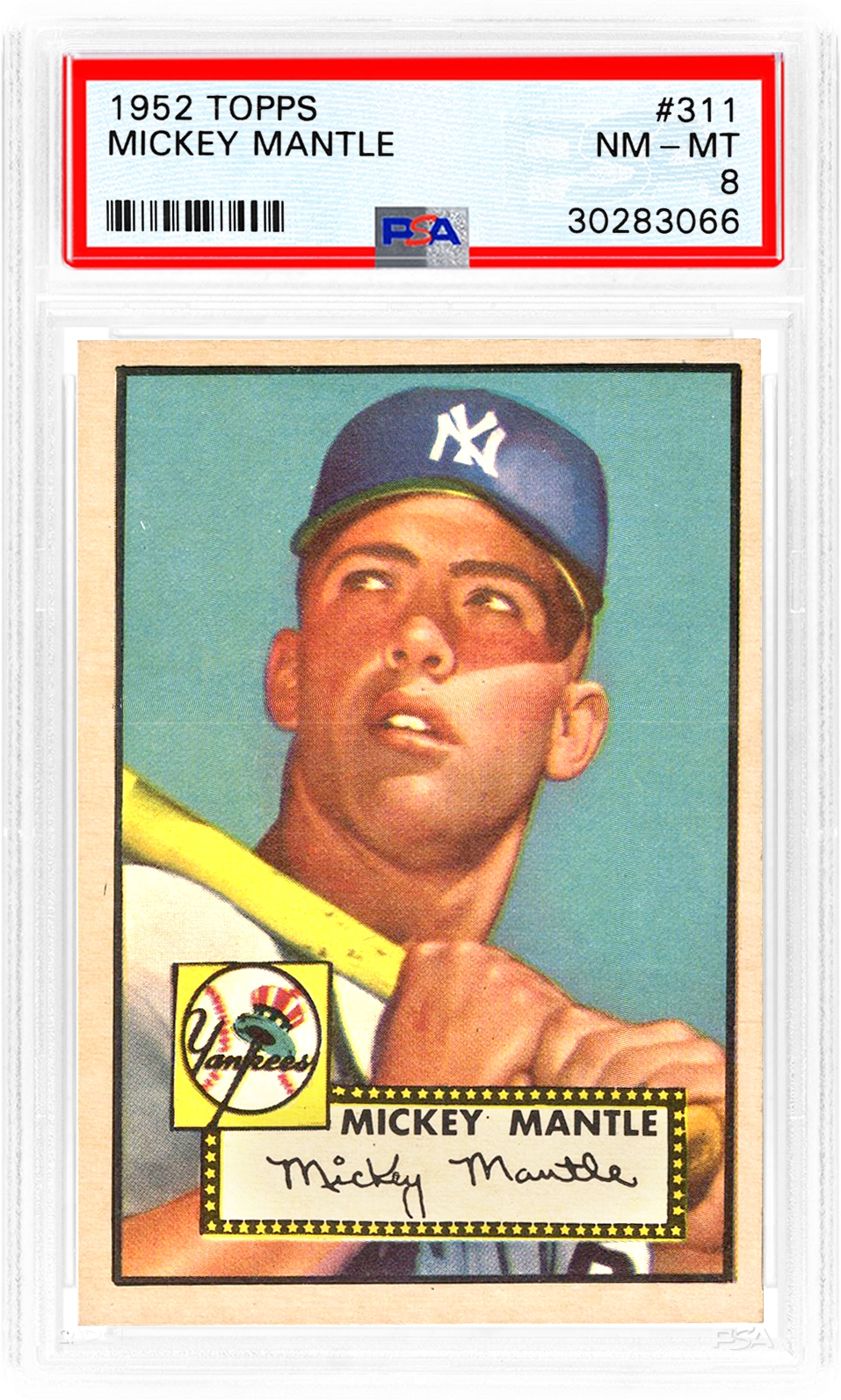 |
| 7.5 | NM+ | High-end 7 | Strong eye appeal with one or two visible but light issues | 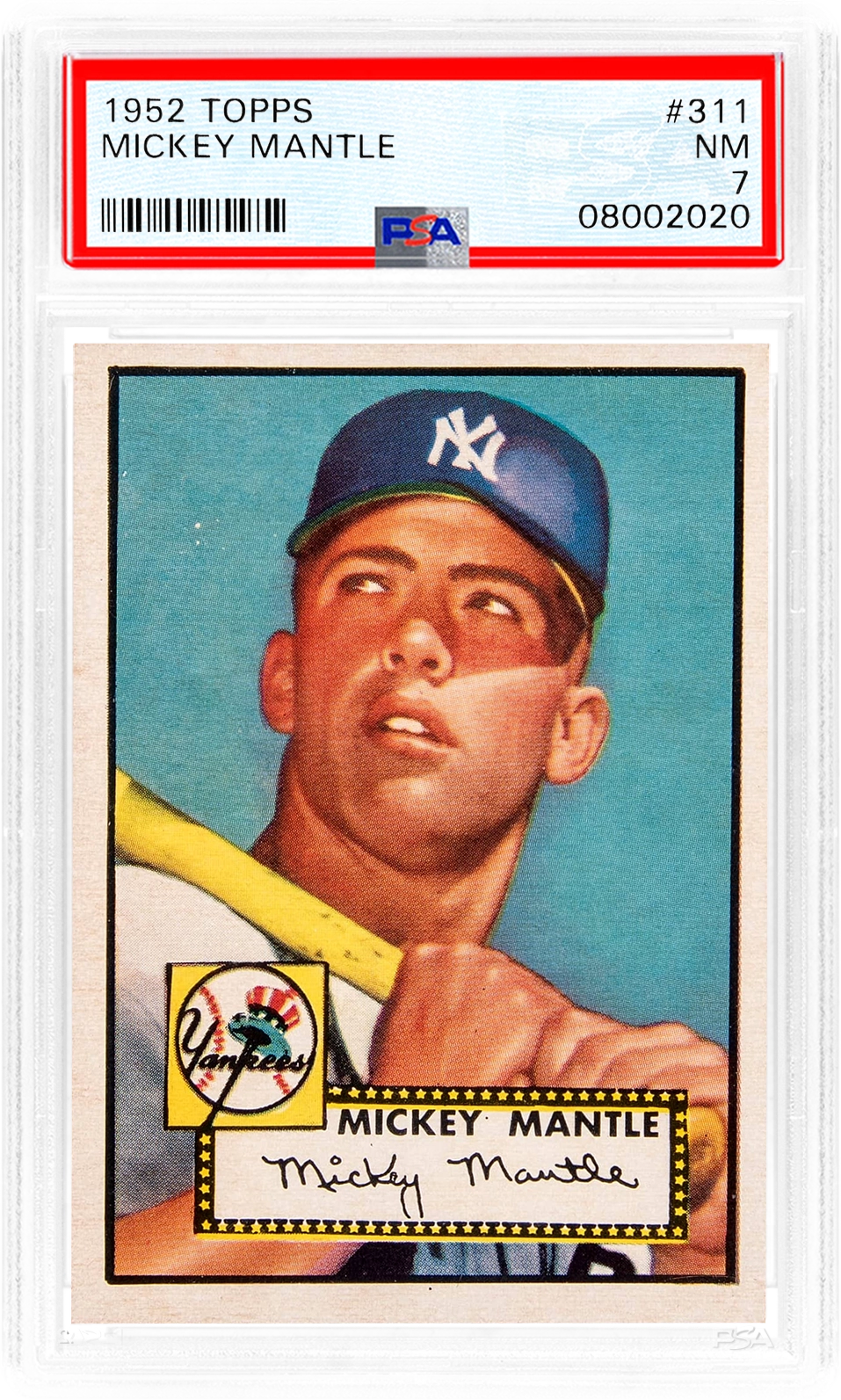 7.5 7.5 |
| 7 | NM | Light wear | Small corner softening, light surface wear, mild edge whitening | |
| 6.5 | EX-MT+ | High-end 6 | Slightly better-than-average EX-MT with solid eye appeal | 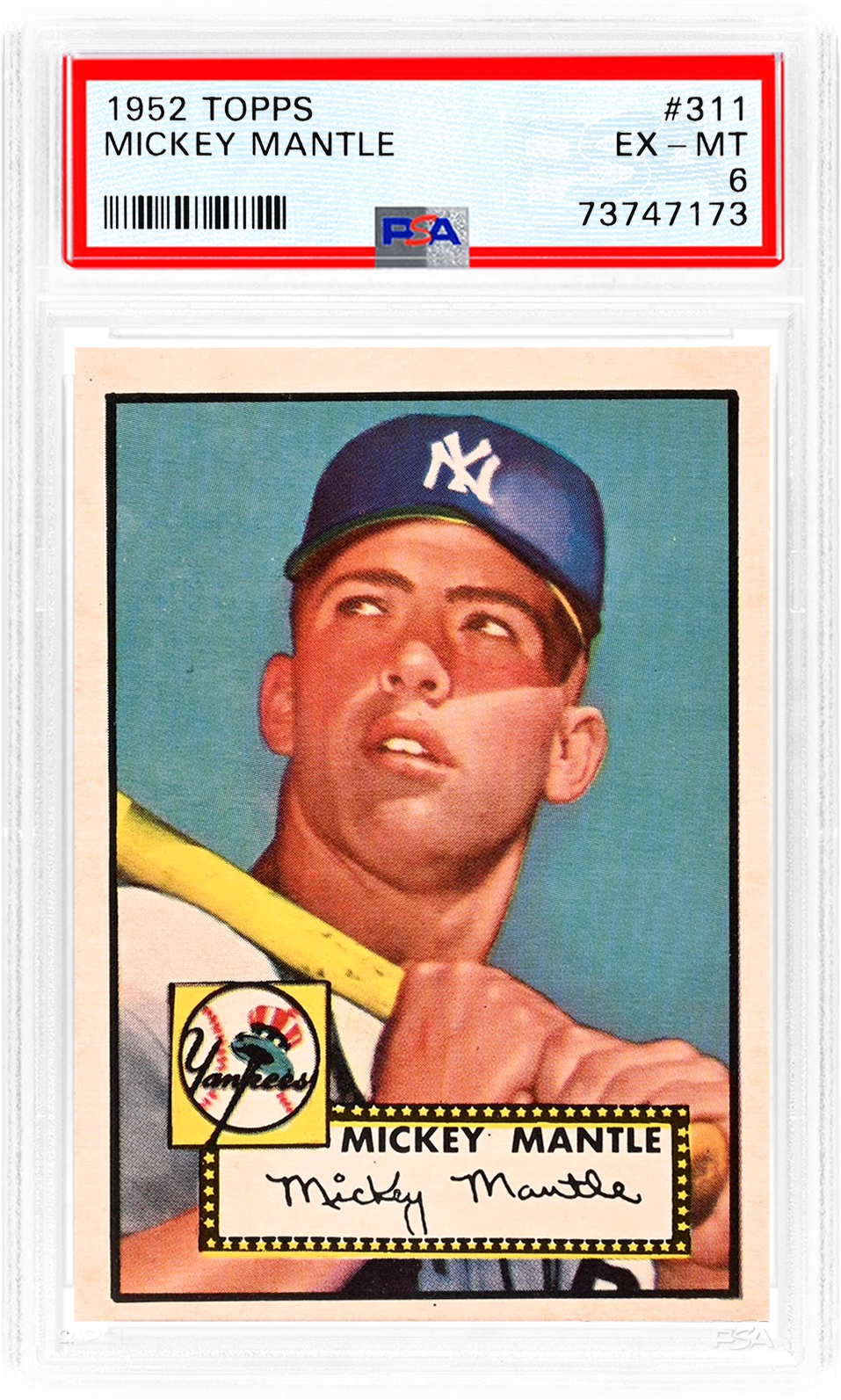 6.5 6.5 |
| 6 | EX-MT | Noticeable but moderate wear | Corner softness, surface wear, edge whitening you can see | |
| 5.5 | EX+ | High-end 5 | Cleaner than most EX 5, but not sharp enough for 6 | 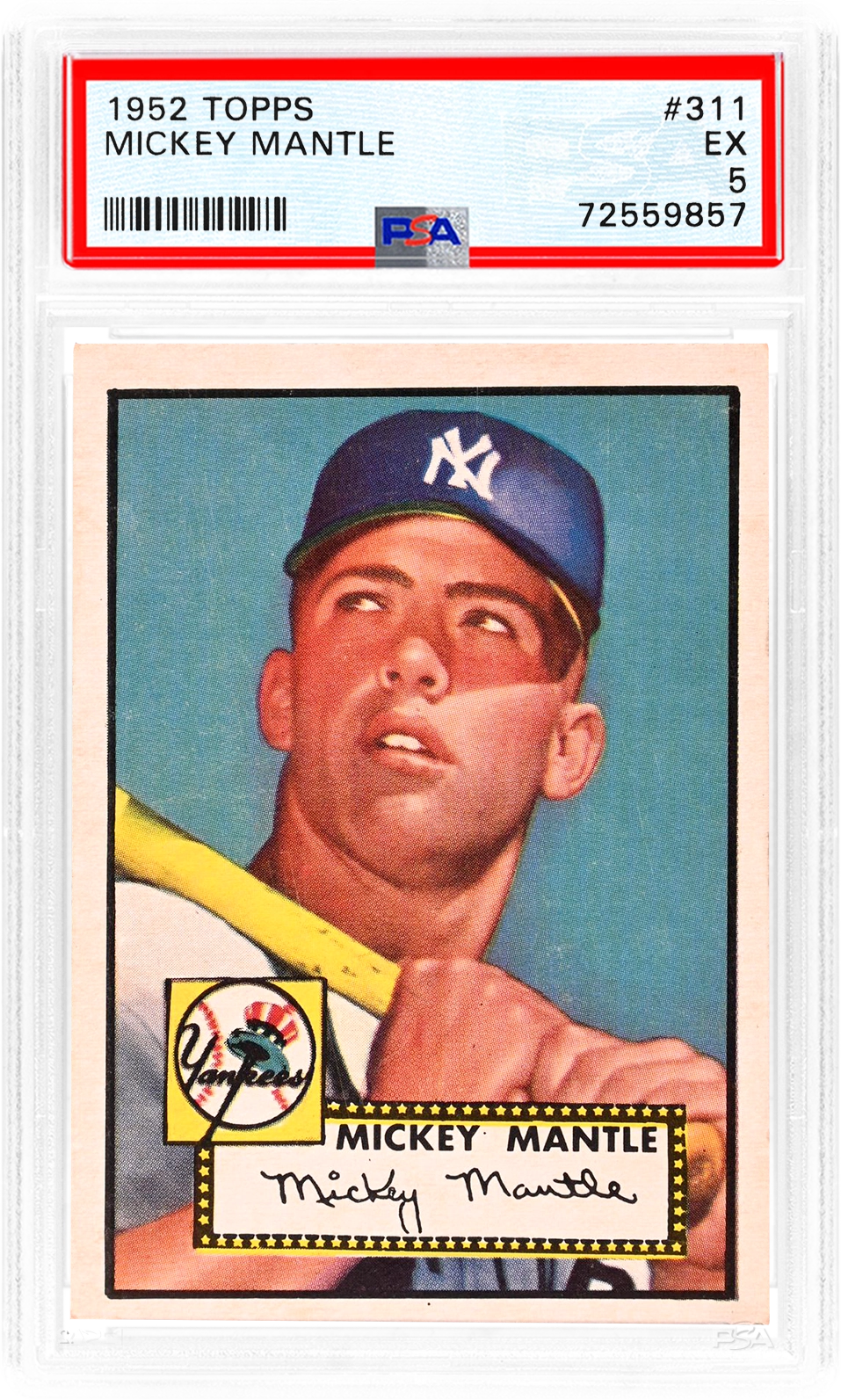 5.5 5.5 |
| 5 | EX | Moderate wear | Visible corner wear, surface marks, mild creases can appear | |
| 4.5 | VG-EX+ | High-end 4 | Looks like a strong VG-EX example; still clearly worn | 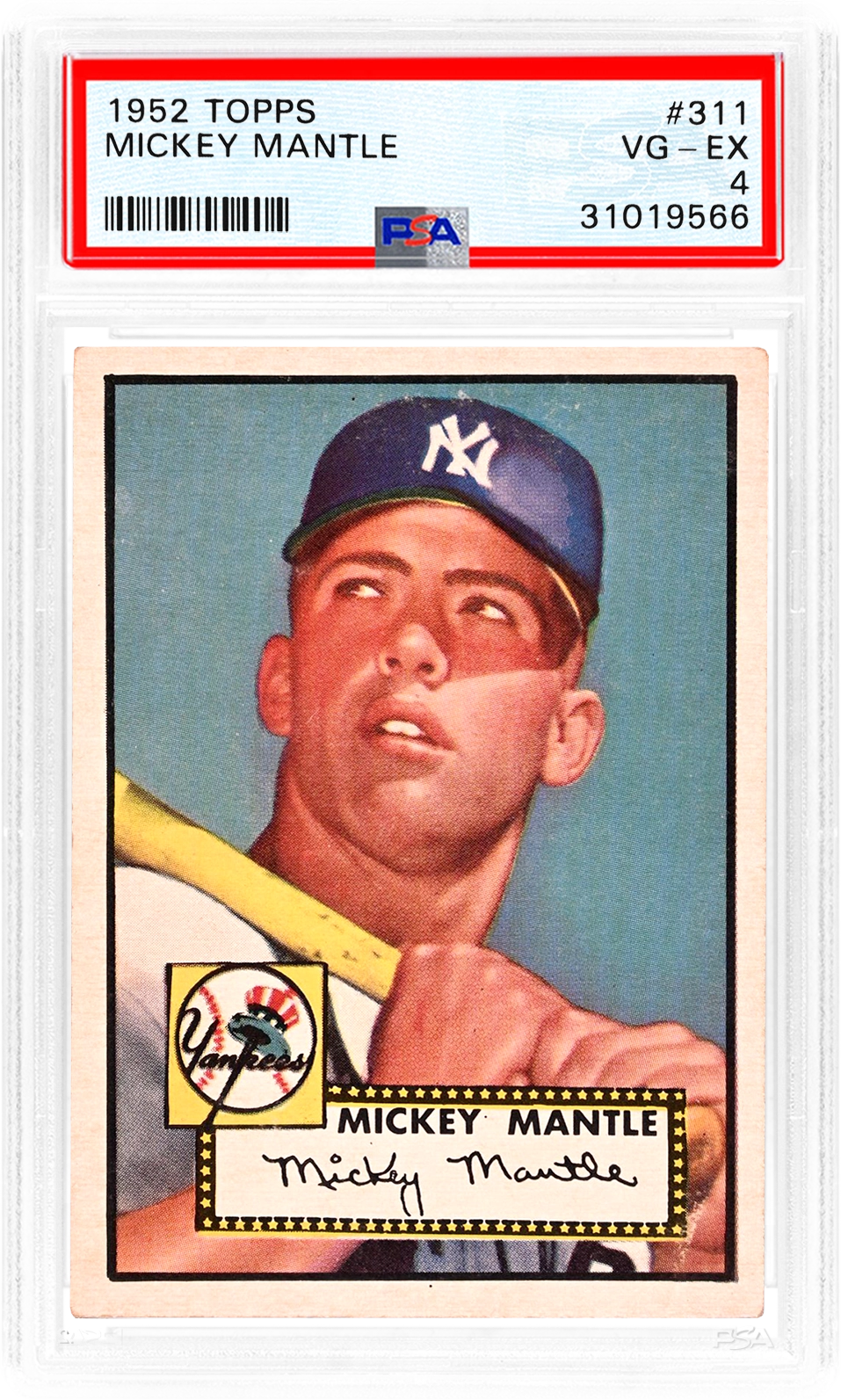 4.5 4.5 |
| 4 | VG-EX | Solid but worn | Rounded corners, surface wear, centering can be weaker | |
| 3.5 | VG+ | High-end 3 | Better than typical VG, but visible wear remains | 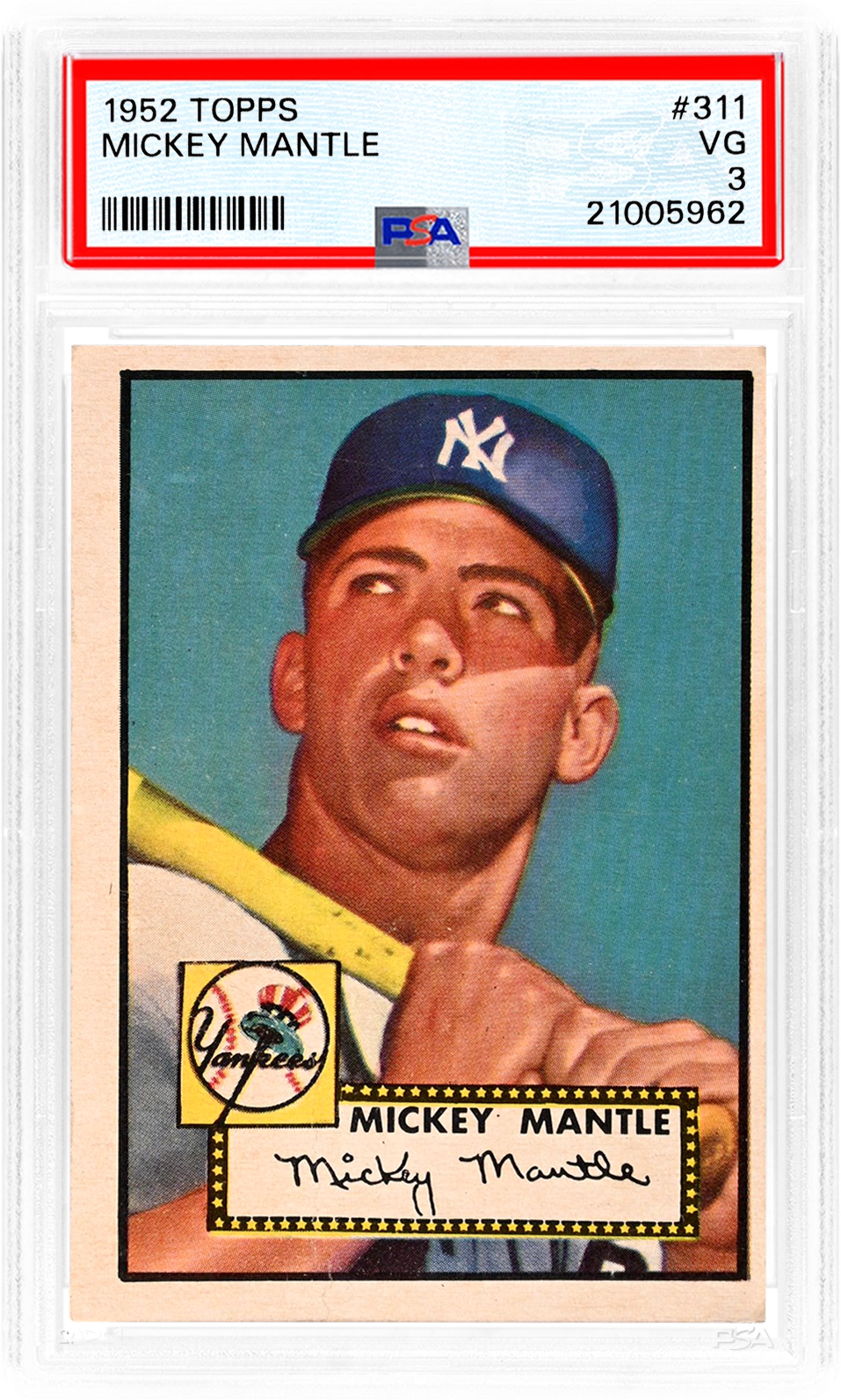 3.5 3.5 |
| 3 | VG | Heavy visible wear | Rounded corners, scuffing, possible crease or paper loss | |
| 2.5 | GOOD+ | High-end 2 | Poor eye appeal but intact; heavy wear; flaws are obvious | 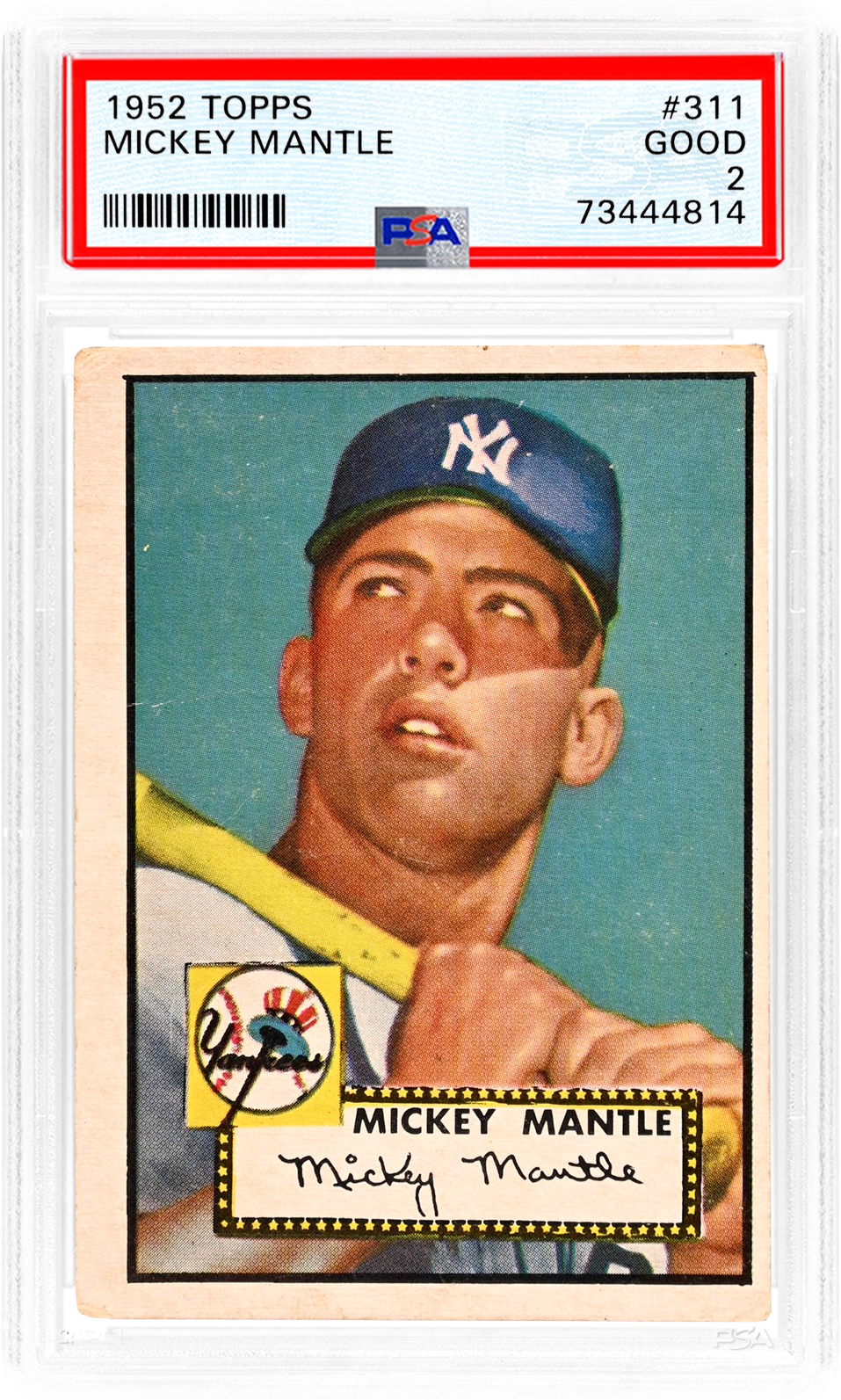 2.5 2.5 |
| 2 | GOOD | Very worn | Creases, heavy rounding, paper loss or staining possible | |
| 1.5 | FR | Fair | Severe wear; heavy creasing is common; still generally intact | 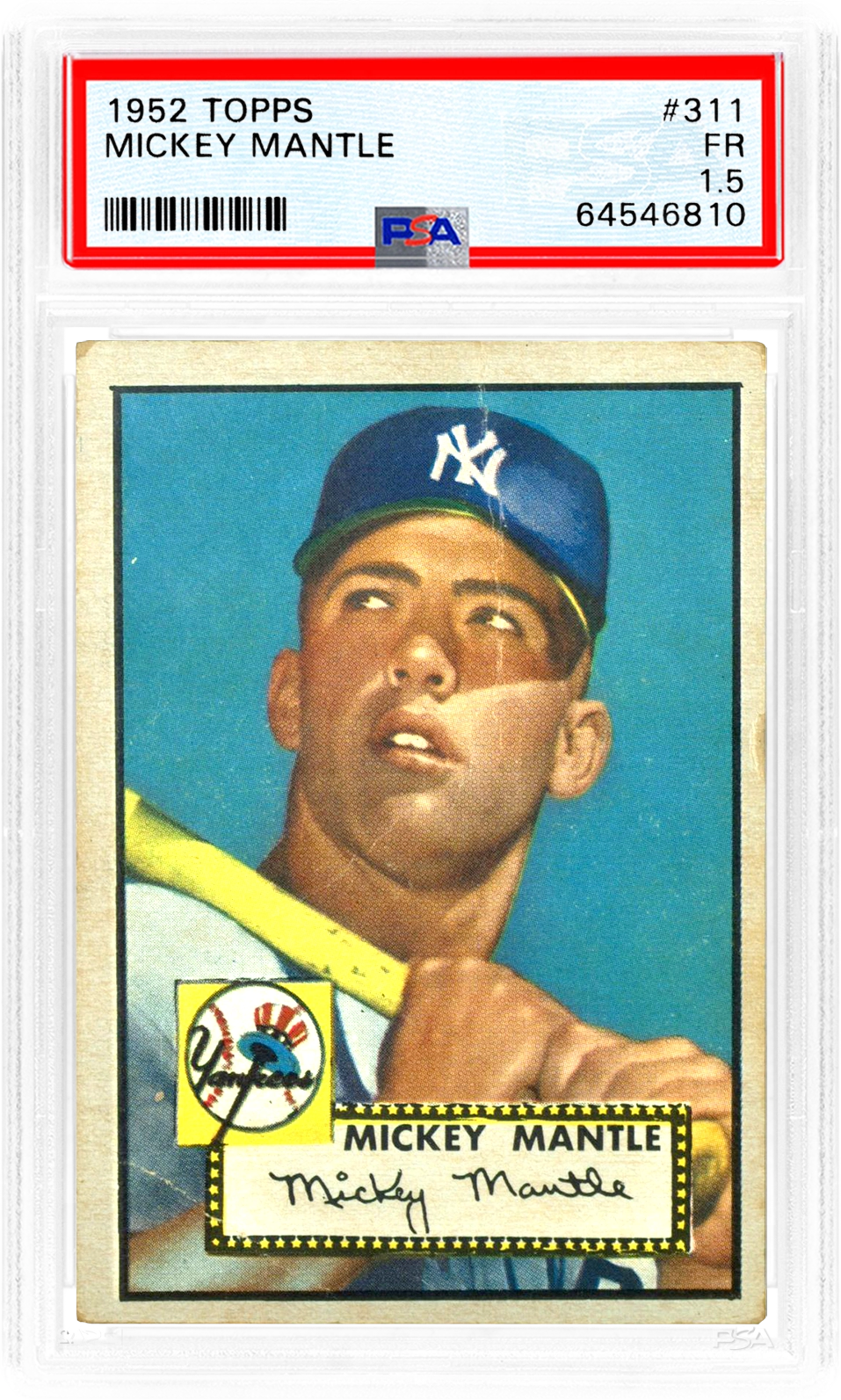 |
| 1 | PR | Major damage | Severe crease, tear, heavy stain, or serious surface damage | 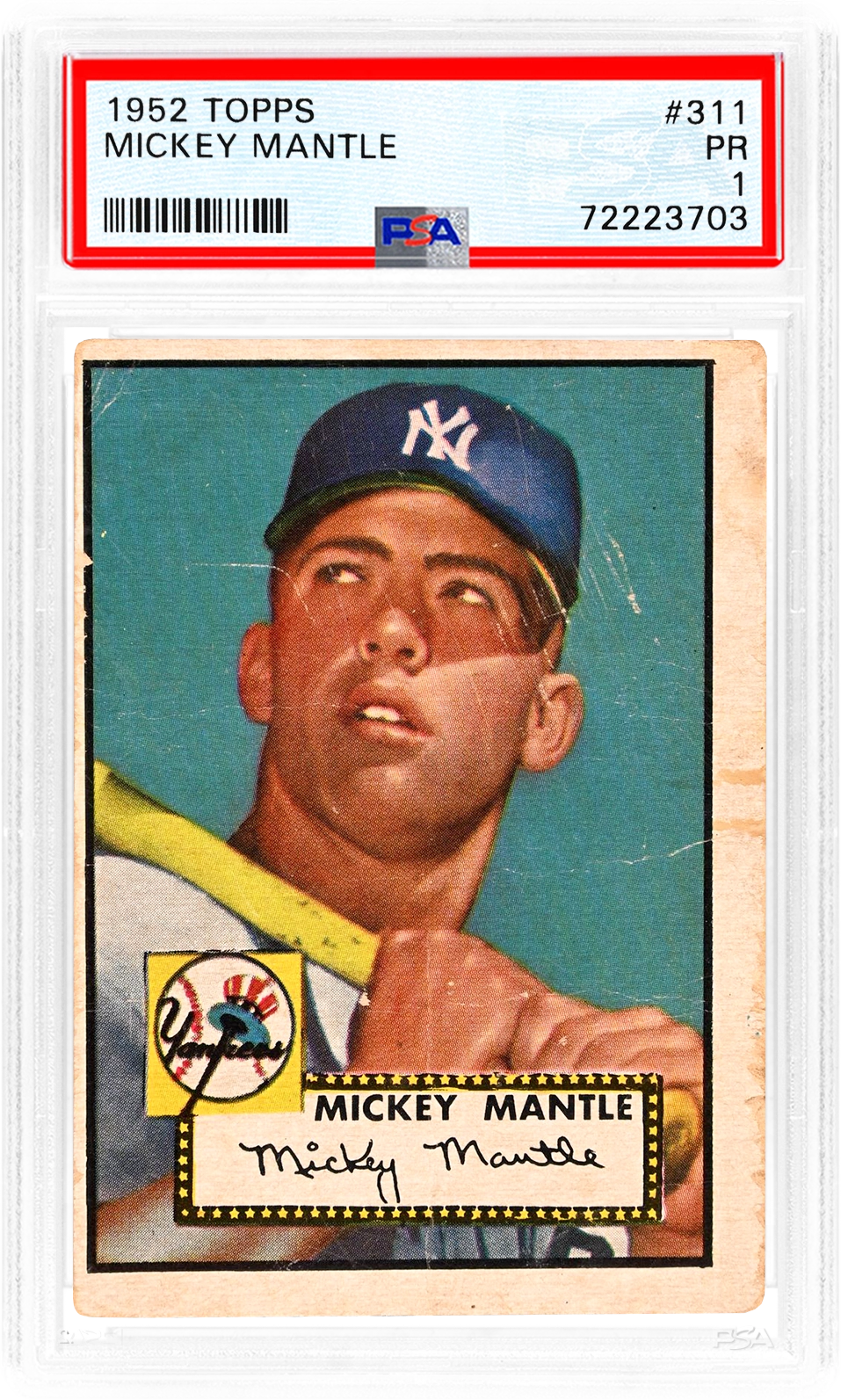 |
PSA half grades: what 8.5, 7.5, and 6.5 really mean
Half grades are PSA’s way to separate “low-end” and “high-end” cards inside a grade. PSA introduced half-point grades in 2008 and describes them as a more precise way to grade cards, with a clear focus on centering.
- Half grades are not something you request: they are applied by PSA when the card fits.
- Half grades run from 1.5 to 8.5: you will see them far more often in the middle (8.5, 7.5, 6.5, 5.5) than at the extremes.
- There is no PSA 9.5: if you see “PSA 9.5” in a listing title, it is either a mistake or not a PSA slab.
- Half grades stop at 8.5: PSA uses 10 and 9 as whole grades at the top end.
If you want a broader “which grader fits my goal” overview, see the figoca grading companies directory and the full grading company comparison guide.
How PSA grades a card: the 4 pillars (and what to check at home)
PSA grading is built around four core factors:
Centering (often the swing factor)
Centering is how evenly the card’s borders and printed elements are positioned. PSA publishes centering tolerances in its grading standards (for example, PSA 10 and PSA 9 have different front and back tolerances).
At home:
- Use the borders as a ruler: compare left vs right and top vs bottom.
- Check the back too: many people forget this and overestimate their grade.
- If centering is clearly off: expect a lower grade even if corners and surface look strong.
Corners
Corners are about sharpness and how much wear is visible.
At home:
- Look for whitening: especially on dark-bordered cards.
- Check for dings: small dents can be easy to miss in normal light.
Edges
Edges show chipping, fraying, and factory cut issues.
At home:
- Tilt the card under light: edge wear often “catches” light.
- Watch for print chipping: common on certain glossy and dark-edge sets.
Surface
Surface covers scratches, print lines, indentations, stains, and gloss wear.
At home:
- Use strong, angled light: surface scratches show up fast.
- Check for pressure dents: a tiny dent can cap the grade.
- Be realistic about factory issues: many modern cards have print lines or roller marks.
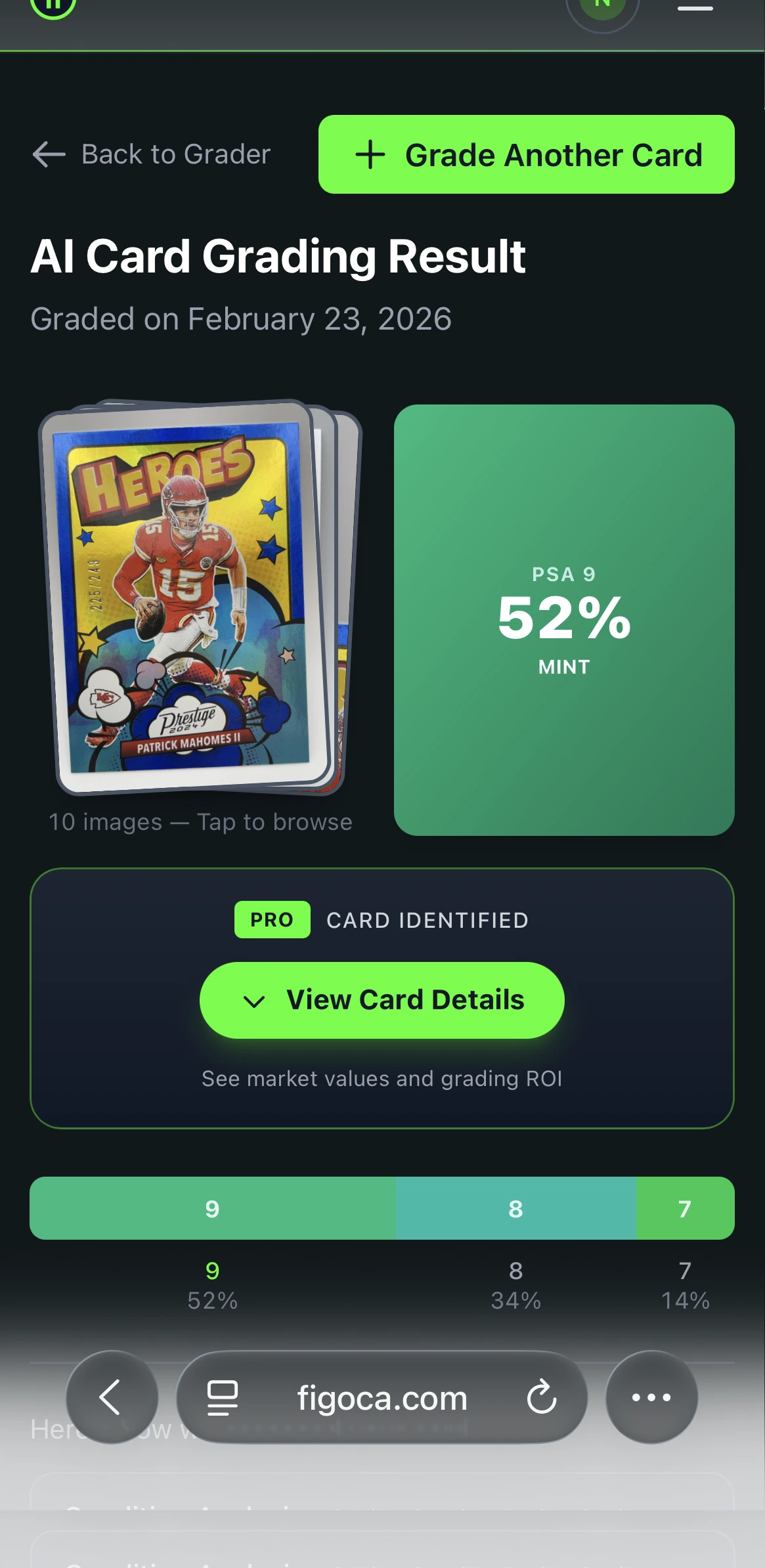
AI Card Grader
Know your card's grade before you submit
Snap a photo with your phone and get an instant AI-powered grade estimate. Check centering, corners, edges, and surface — just like the pros.
- Instant grade estimate
- Sub-grades for all 4 pillars
- Built-in ROI calculator
- Free to use
How to estimate your PSA grade at home (step-by-step)
This is the fastest workflow to grade your own card realistically before you pay fees and shipping.
- Start with surface under bright light: if you see a dent, heavy scratch, or stain, stop and cap your expectations.
- Check corners next: focus on the worst corner, not the best.
- Check edges on all four sides: rotate the card and look for whitening and chipping.
- Check centering front and back: if it looks obviously uneven, assume it costs you.
- Compare to real examples: search the same card on figoca comps and look at sold photos in the grade you think it is.
- Pick a conservative range: for most cards, guess a two-grade range (example: “likely 7 to 8.5”).
- Run the all-in math: use the figoca EV grading calculator to see if the upside still holds after fees, shipping, and risk.
Once you have your candidates, use our PSA submission guide to pack them safely.
PSA pricing, declared value, and upcharges (what matters for collectors)
PSA pricing changes often, so always confirm on the official site before you submit. As a practical rule, PSA service levels are tied to a declared value cap and a turnaround estimate, and PSA can adjust fees when the graded value exceeds your chosen cap.
Here is a sample snapshot (verified on the PSA site as of 2025-12-21):
| PSA tier | Price (USD) | Max insured value (USD) | Stated turnaround |
|---|---|---|---|
| Value | $27.99/card | $500 | 75 business days |
| Regular | $74.99/card | $1,500 | 20 business days |
| Express | $149.00/card | $2,500 | 15 business days |
| Super Express | $299.00/card | $5,000 | 7 business days |
For a PSA-specific deep dive (policy, tools, resale liquidity), read the figoca PSA guide: PSA grading review.
Qualifiers, alterations, and why they can change everything
Two quick realities:
- Qualifiers can block “clean” grades: if a card is severely off-center or has a major flaw, PSA may use qualifiers depending on the situation and service.
- Alterations are a hard stop: trimming, recoloring, pressing, and restoration risks can turn a “high grade guess” into an authenticity or altered outcome.
If you are buying graded online, add a quick safety step: learn the 60-second fake PSA slab check and use PSA’s verification tools when available.
PSA half grades and value: when they matter most
Half grades usually matter most when the market is very condition-sensitive.
- High-demand rookie cards and flagship cards: buyers often pay up for “high-end” copies.
- Low-pop vintage: eye appeal differences can matter more than the number.
- Cards where the 9 to 10 jump is huge: half grades help you avoid overpaying for borderline cards.
The correct way to think about “is grading worth it?” is not a single rule. Use EV:
- Expected sale price: estimate probabilities for each grade, then weight grade prices.
- Net vs raw: subtract raw value and all costs (grading, shipping, insurance, supplies, and potential fee adjustments).
If you want a simple framework, start with the EV method guide: Should you grade that card? EV beats the $80 rule.
PSA half grades vs BGS, SGC, and CGC (quick comparison)
| Grader | Similar idea | What feels different in practice |
|---|---|---|
| PSA | Half grades up to 8.5 | Very strong market recognition for many categories |
| BGS | 9.5 gem mint and subgrades | More label granularity can reward corner/surface strength |
| SGC | Half grades across the scale | Popular vintage presentation and a straightforward scale |
| CGC Cards | Half grades plus pristine labels | Label system and scale details differ by era and category |
To compare your options in one place, use the grading companies directory.
Submitting to PSA outside the USA (EU/Germany notes)
If you are in the EU (including Germany), the basics still apply, but costs and timing often change:
- Shipping and insurance matter more: longer transit increases both.
- VAT and customs can apply: plan for taxes and brokerage fees where relevant.
- Use reliable submission partners: if you are not submitting directly, verify partner terms and packaging requirements.
Common mistakes when guessing a PSA grade
- Overweighting corners: many “looks sharp” cards lose the grade on centering or surface.
- Ignoring the back: back centering and back edge wear are common grade killers.
- Underestimating tiny dents: a small pressure dent can cap a grade far below expectations.
- Comparing to the best photos online: compare to real sold cards with normal lighting and honest closeups.
- Skipping the math: grading fees plus shipping can erase profit on thin-margin cards.
FAQ: PSA grades
What is the PSA grading scale?
PSA uses a 1 to 10 scale that scores a card’s condition based on centering, corners, edges, and surface.
Does PSA use half grades?
Yes. Half grades like 8.5, 7.5, and 6.5 can be assigned when a card is high-end for its grade but not strong enough for the next whole number.
Does PSA have a 9.5 grade?
No. PSA does not offer a 9.5 grade.
What does PSA 10 mean?
PSA 10 (GEM-MT) means the card is virtually perfect, with very strong centering and no obvious flaws.
What does PSA 9 mean?
PSA 9 (MINT) means the card is nearly perfect, with only tiny visible flaws.
What does PSA 8.5 mean?
PSA 8.5 (NM-MT+) is usually a high-end PSA 8 with better overall eye appeal, often helped by strong centering.
Why is centering so important for PSA?
Centering is one of the easiest, most consistent ways to separate borderline cards. A card can look clean but lose a grade if the design is noticeably off-center.
Can I request a half grade from PSA?
No. You submit the card and PSA assigns the grade it believes the card meets.
Are half grades more common for modern or vintage?
You can see half grades on both, but how often they appear depends on the set, the era, and how tight quality control was.
What is declared value and why does it matter?
Declared value helps set your service level and insurance cap. If the graded value exceeds your chosen cap, fees can change.
Can PSA change my fee after grading?
PSA terms allow adjustments when the value exceeds the tier’s maximum insured value. Always review the current policy on the official PSA site before submitting.
How do I estimate my card’s PSA grade at home?
Check surface first, then corners, edges, and centering (front and back). Compare to real sold photos for your exact card, then pick a realistic range and run the all-in math.
Should I grade a cheap card?
Sometimes, but only if the grade jump value covers all costs and risk. Use figoca comps and the EV grading calculator to decide.
What is the biggest reason a card misses PSA 10?
Centering and surface flaws are common reasons, even when corners look sharp.
Is PSA the best grading company?
It depends on your goal (resale speed, slab preference, pricing, and where your buyers are). Compare options in the grading companies directory.
How do I verify a PSA slab when buying?
Use PSA cert lookup, then also do physical checks (label behavior, seams, and whether the card actually matches the claimed grade). Start with figoca’s fake slab quick check.
Sources
- PSA Grading Standards
- PSA: Introducing PSA Half Grades
- PSA trading card grading (pricing and service levels)
- PSA submission terms
- figoca: PSA grading review
- figoca: Grading companies directory
- figoca: EV grading calculator
Last updated: 2025-12-28

Card enthusiast, figoca founder, and independent software developer
Nico is a card enthusiast who built figoca after running into the same problems many collectors face: uncertain pre-grading decisions, too much tab switching for comps, and no fast way to price cards on the go. He is also a big Kansas City Chiefs fan (❤️💛), follows the Kansas City Royals (💙), and enjoys Formula 1 and Golf.
- Sports Card enthusiast
- Founder of figoca
- Independent software developer with a TypeScript and AWS background