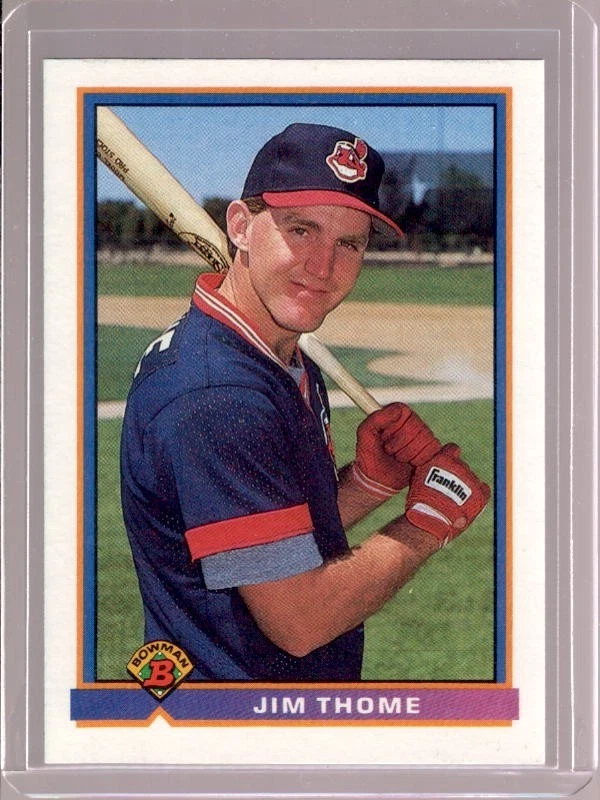
Jim Thome Rookie Cards
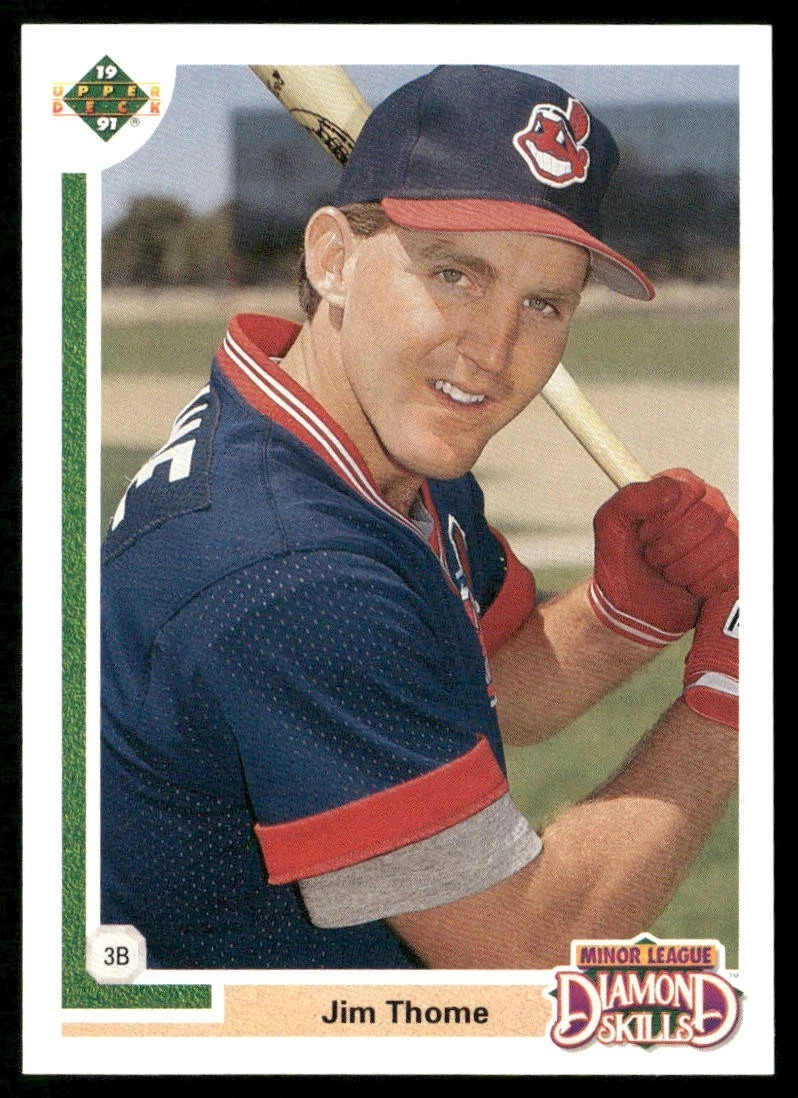
Jim Thome rookie cards center on his 1991 Bowman #68 and 1991 Upper Deck Final Edition #17F, with both sets offering Hall of Fame power at accessible price points for most collectors.
Rookie year: 1991Flagship RC: 1991 Bowman #68 / 1991 Upper Deck Final Edition #17FTop recent sale: Recent sales show premiums for PSA 10 copies of 1991 Bowman #68 and strong grades of 1991 Upper Deck Final Edition #17F, while raw rookies remain affordable entry points.See live listings
Best Jim Thome Rookie Cards
Values & Trends
Jim Thome rookie cards focus on his 1991 Bowman #68 and 1991 Upper Deck Final Edition #17F in a Cleveland Indians uniform, with a few early 1992 flagship cards acting as follow-up pieces rather than true rookies. Because these sets come from the early 1990s, raw copies are widely available and generally sit in the budget tier, while the sharpest PSA 10 examples of Bowman and Upper Deck carry the clearest premiums. Interest is driven by Thome’s Hall of Fame power numbers and long home run chase more than short-term performance swings.
- Hall of Fame power hitter with accessible rookies so most collectors can afford clean copies of his core 1991 Bowman and Upper Deck Final Edition rookies, then upgrade into higher grades over time.
- Grade and eye appeal matter most because centering, print snow, and small surface marks on early-1990s stock separate typical raw copies from strong PSA 9 and PSA 10 candidates.
- Premiums concentrate in top grades and rare parallels where gem-mint Bowman, strong Upper Deck Final Edition copies, and early certified autos can reach noticeably higher recent sales than standard raw rookies.
Buying Guide: How to Pick Jim Thome Rookie Cards
- Start with 1991 Bowman #68 and look for centered copies with clean borders and minimal print speckling; this is the Jim Thome rookie most collectors and guides highlight first.
- Add 1991 Upper Deck Final Edition #17F as a companion rookie to pair a glossy Upper Deck look with Bowman; Final Edition came as a factory set, so many copies exist but top grades still earn a premium.
- Use 1992 flagship cards as early-career extras such as 1992 Topps Stadium Club #360, which many collectors treat as a popular second-year card rather than a true rookie but still like to include in a Thome run.
- Decide early on raw vs graded since grading makes the most sense for Bowman and Upper Deck copies that already show strong centering and surfaces; well-loved copies are usually better left raw.
- Compare recent sales by set, grade, and eye appeal and always check completed listings for the exact card and grade you are targeting so you can anchor budget decisions and avoid overpaying for common raw copies.
- Pair rookie research with grading basics by reading a grading overview before submitting cards so you understand fees, turnaround, and how much eye appeal matters relative to the label and number.
Full Rookie Card Checklist
True RC, Update Sets and Early Autos
Most collectors treat 1991 Bowman #68 and 1991 Upper Deck Final Edition #17F as Jim Thome’s core rookie cards, with 1992 flagship issues like Topps Stadium Club #360 acting as early follow-ups rather than new rookies. There are no boxed-set XRC shortcuts to learn here, just a small group of mainstream 1991 rookies plus early 1990s inserts and autograph cards that build out a deeper PC. If you want a simple path, start with a sharp Bowman #68, add Upper Deck Final Edition #17F, then layer in second-year cards and certified autos once you have those anchors in place.
Best Boxes & Sets to Pull Jim Thome Rookie Cards
Grading & Population
Early-1990s baseball cards were printed in large numbers, so raw Jim Thome rookies are not scarce, but truly sharp copies in high grades are much harder to find than the overall supply suggests. Population reports show plenty of graded Bowman and Upper Deck rookies, yet the jump from typical grades into PSA 10 still reflects how tough clean centering and surfaces can be.
- Review population data and recent sales snapshots for 1991 Bowman #68 and 1991 Upper Deck Final Edition #17F to see how many gem copies exist compared with lower grades before you submit a stack.
- Inspect centering, corners, and surfaces under strong light; even small print snow or edge roughness on Bowman and glossy stock on Upper Deck can limit grades.
- When buying already graded copies, compare eye appeal within the same grade and lean toward better centering and color, since those traits often matter more to collectors than a small price difference.
About Jim Thome
Jim Thome, often called the Thomenator by collectors, was a left-handed slugger who broke in with the Cleveland Indians in the early 1990s and went on to hit more than 600 home runs across a Hall of Fame career. He starred for the Indians, Phillies, White Sox, and Twins, pairing consistent power with a patient approach that fit right into the late-1990s and early-2000s home run era. That combination of milestone power totals, postseason runs, and a reputation as one of the game’s good guys keeps steady demand around his 1991 Bowman and Upper Deck rookies and key early autographs.
Resources & Related Guides
FAQ
What is Jim Thome’s true rookie card?
Most collectors treat 1991 Bowman #68 and 1991 Upper Deck Final Edition #17F as Jim Thome’s true rookie cards in a Cleveland Indians uniform, with 1992 flagship issues like Topps Stadium Club #360 collected as early second-year companions rather than new rookies.
Which Jim Thome rookie card is best to start with?
If you want a single starting point, focus on 1991 Bowman #68 in the best centering and surface quality your budget allows. Many collectors then add 1991 Upper Deck Final Edition #17F to pair a glossy Upper Deck look with the classic Bowman design.
How much is a Jim Thome rookie card worth?
Values depend on set, grade, and eye appeal. Raw 1991 Bowman and Upper Deck Final Edition rookies often sit in the budget range, while PSA 9 and PSA 10 copies, especially of Bowman #68, can reach clearly higher recent sales. Always check completed sales for the exact card and grade you are considering.
What are the most expensive Jim Thome rookie or early cards?
The highest recent sales usually come from gem-mint 1991 Bowman #68 and strong graded copies of 1991 Upper Deck Final Edition #17F, along with select early certified autograph cards that feature on-card signatures. Premiums concentrate where scarcity, grade, and eye appeal line up.
Should I grade a Jim Thome rookie card?
Grading tends to make sense for Jim Thome rookies that already show strong centering, clean surfaces, and sharp corners, especially Bowman #68 and Upper Deck Final Edition #17F. Well-loved or off-center copies are often better left raw if grading fees would use up too much of the card’s value.
Where can I buy Jim Thome rookie cards?
Large marketplaces such as eBay offer the widest selection of Jim Thome rookie cards, from raw Bowman and Upper Deck copies to graded slabs and early autographs. Use filters for set and grade, review seller photos closely, and prioritize clear return policies when buying higher-value cards.
More MLB Rookie Cards
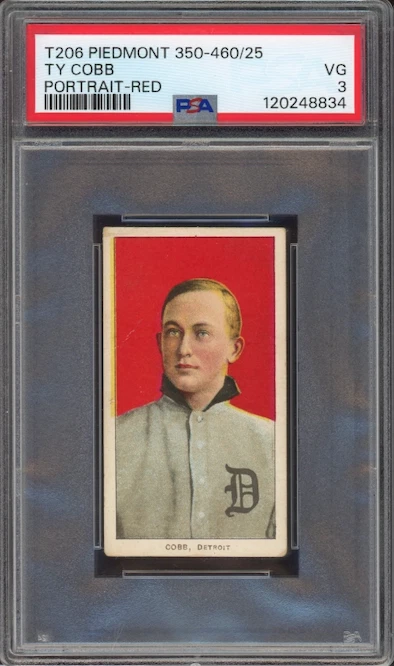
Ty Cobb
Rookie Year: 1905
1909-11 T206 White Border (Cobb portraits and batting poses)
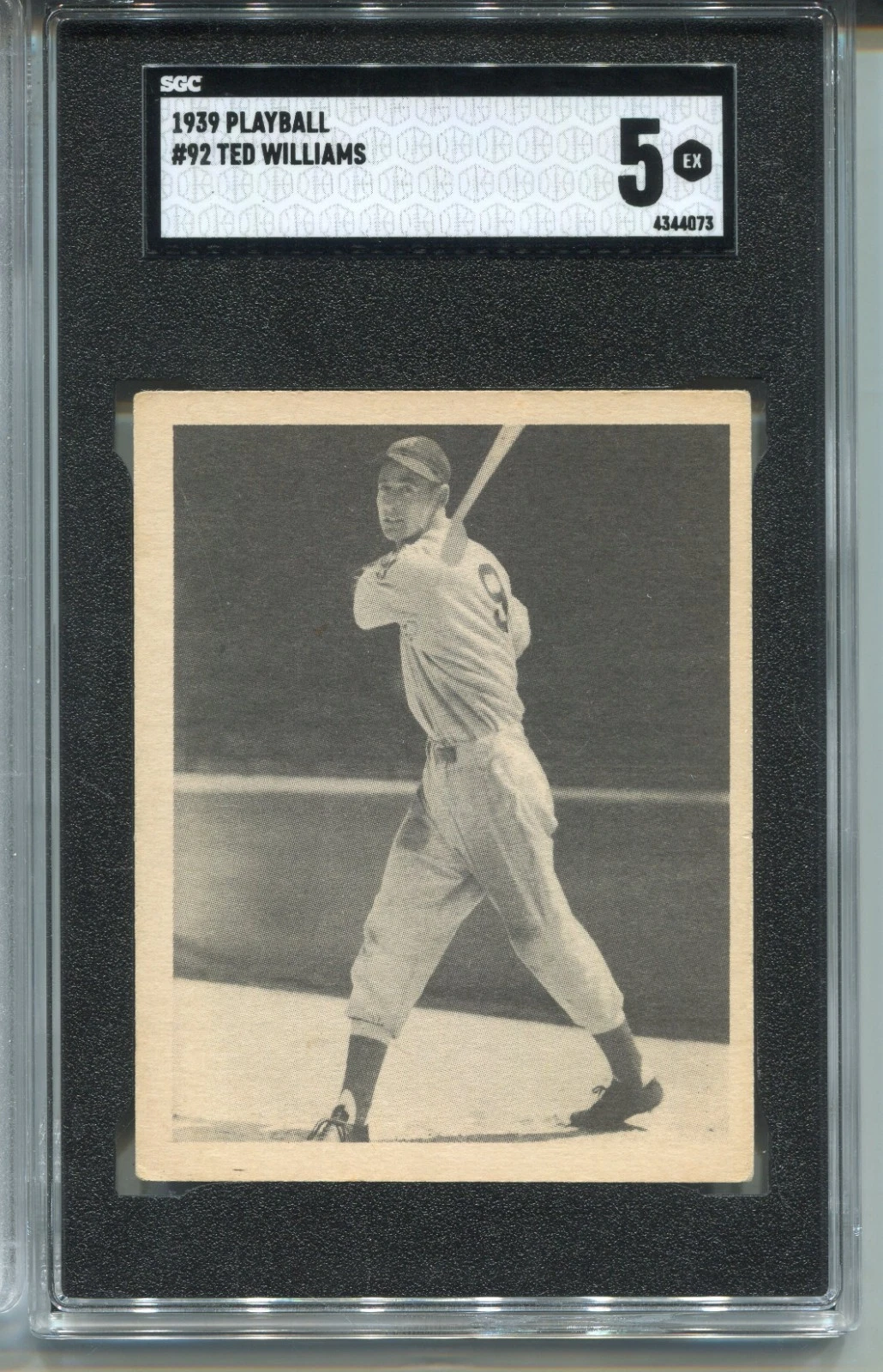
Ted Williams
Rookie Year: 1939
1939 Play Ball #92
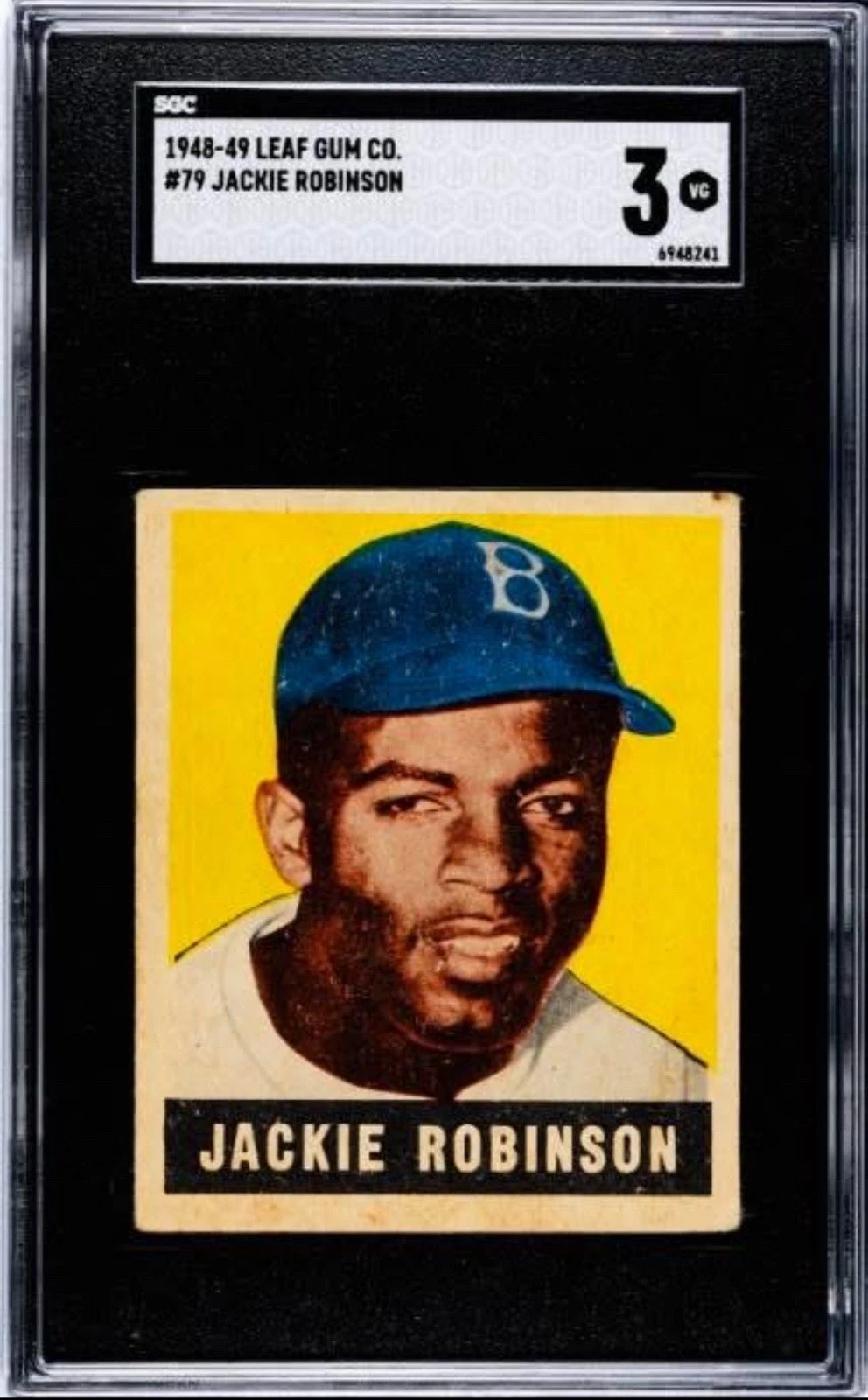
Jackie Robinson
Rookie Year: 1948
1948 Leaf #79
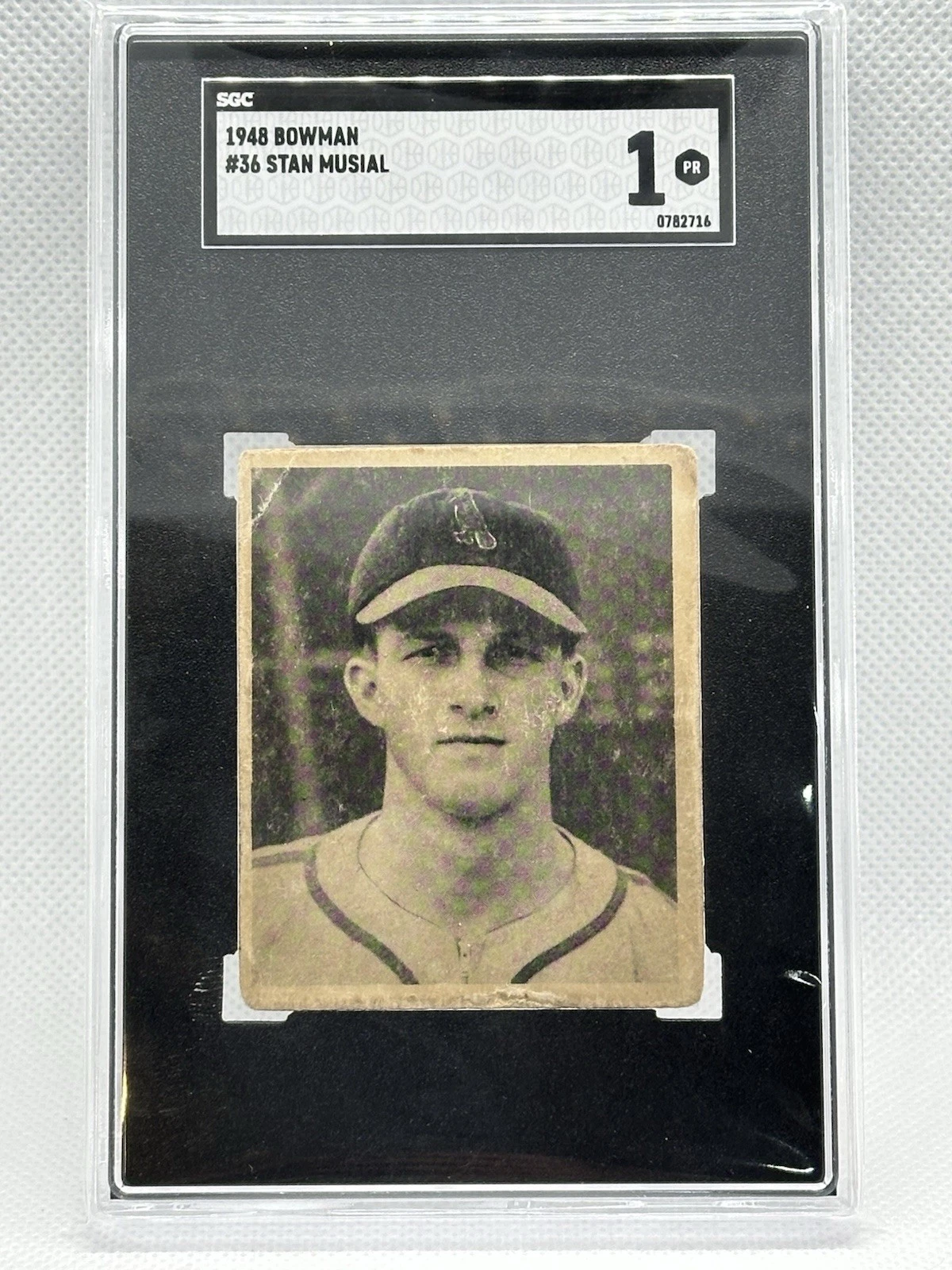
Stan Musial
Rookie Year: 1948
1948 Bowman #36 / 1948 Leaf #4
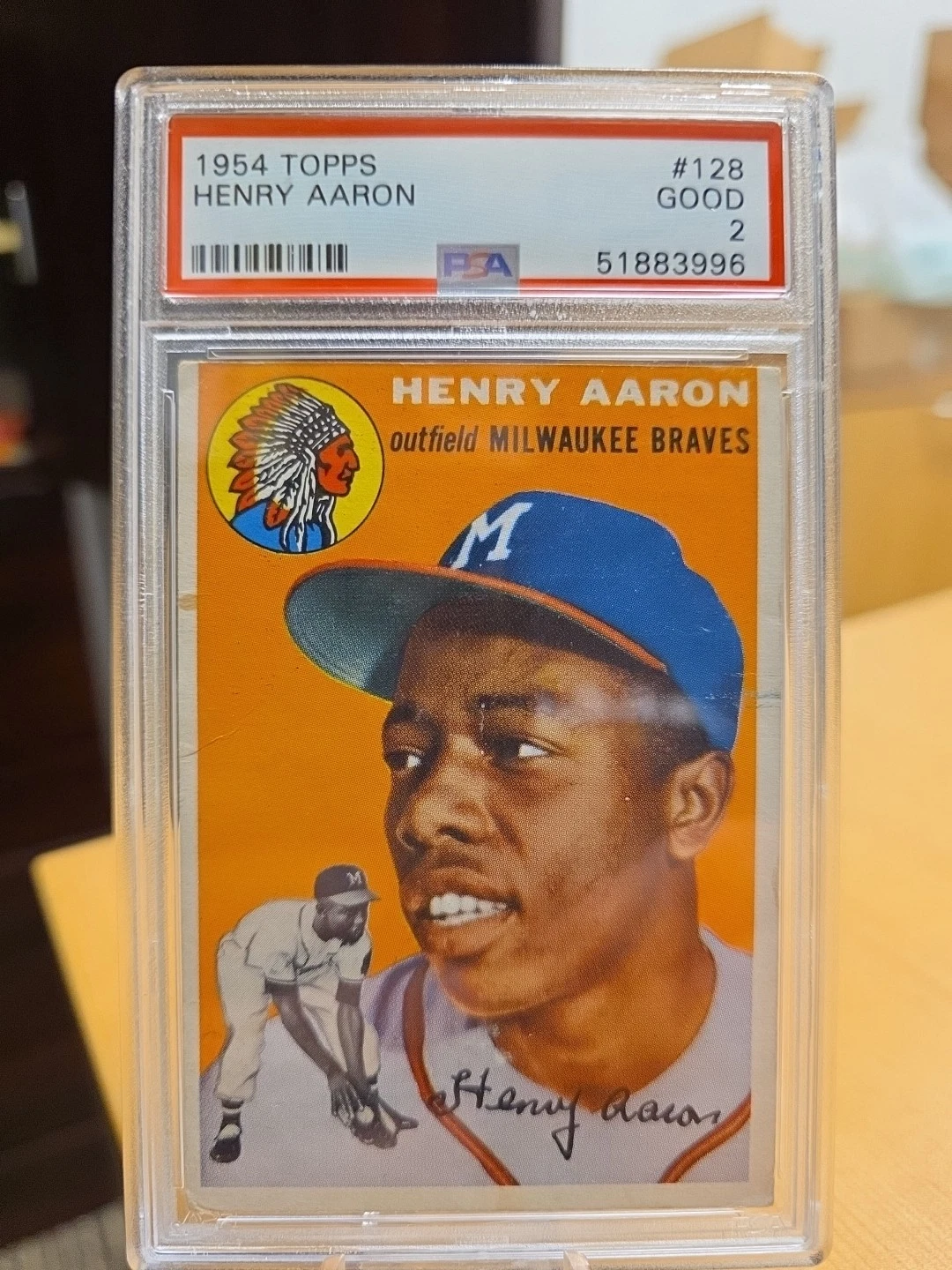
Hank Aaron
Rookie Year: 1954
1954 Topps #128 / 1954 Bowman #66
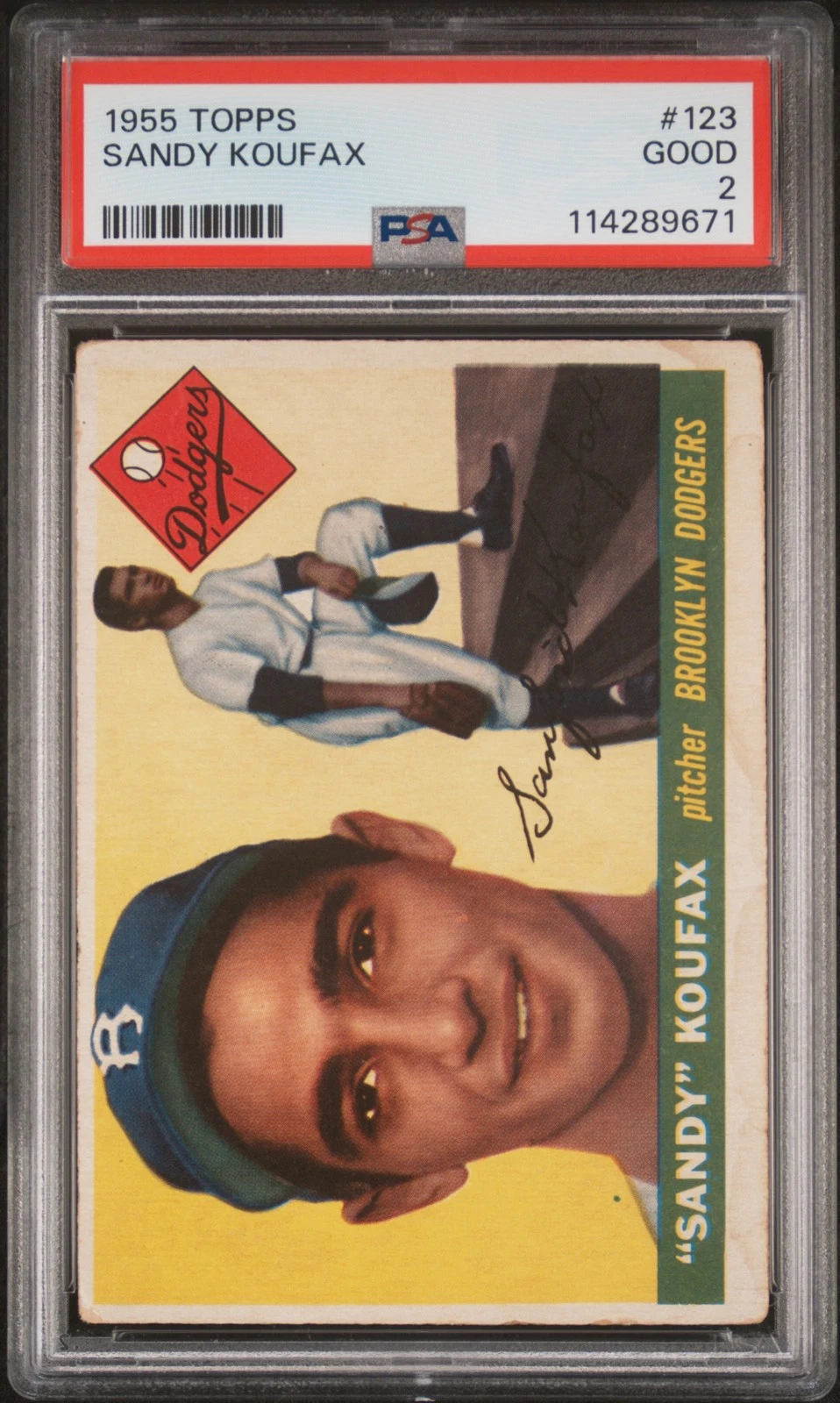
Sandy Koufax
Rookie Year: 1955
1955 Topps #123
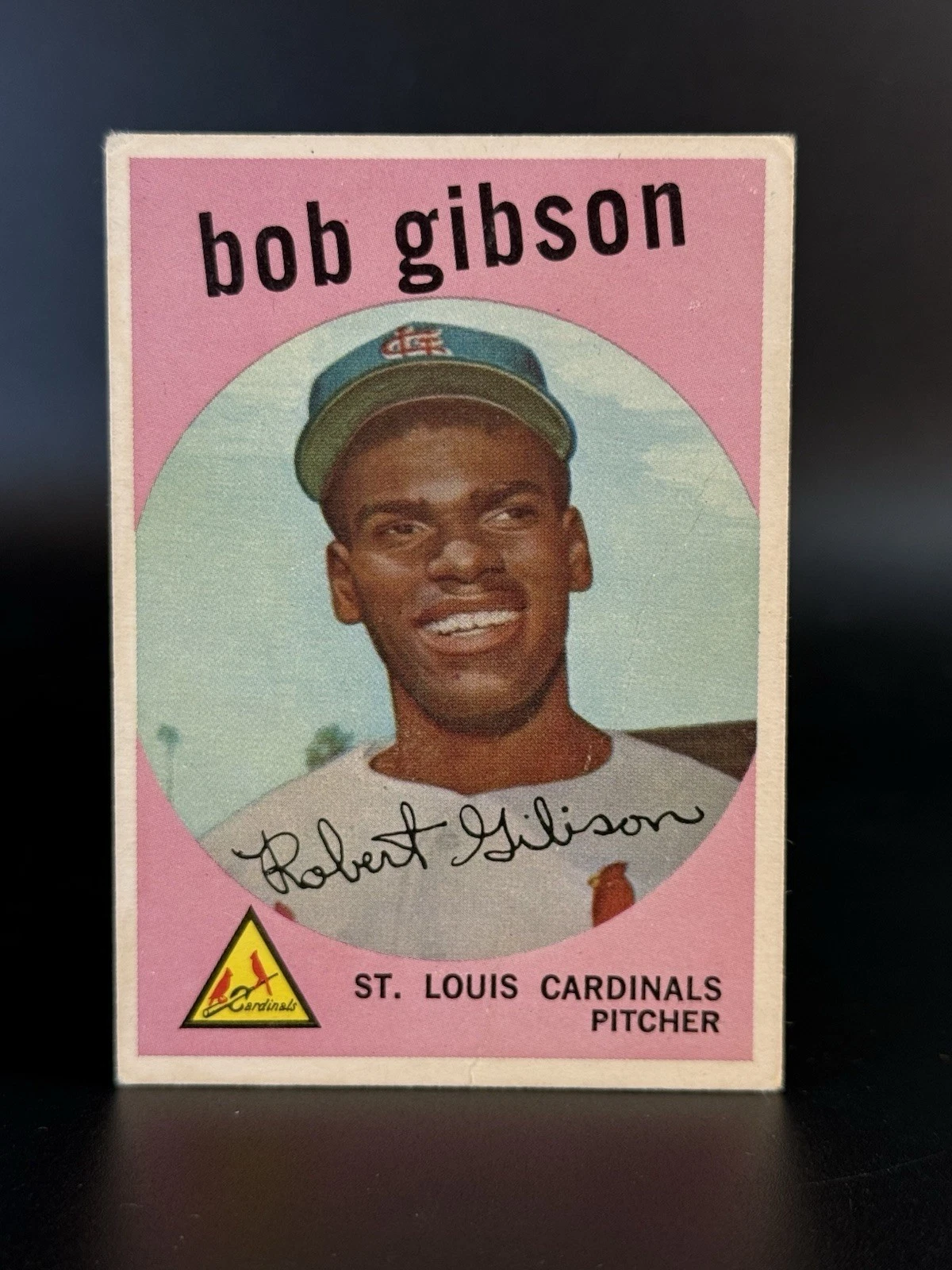
Bob Gibson
Rookie Year: 1959
1959 Topps #514
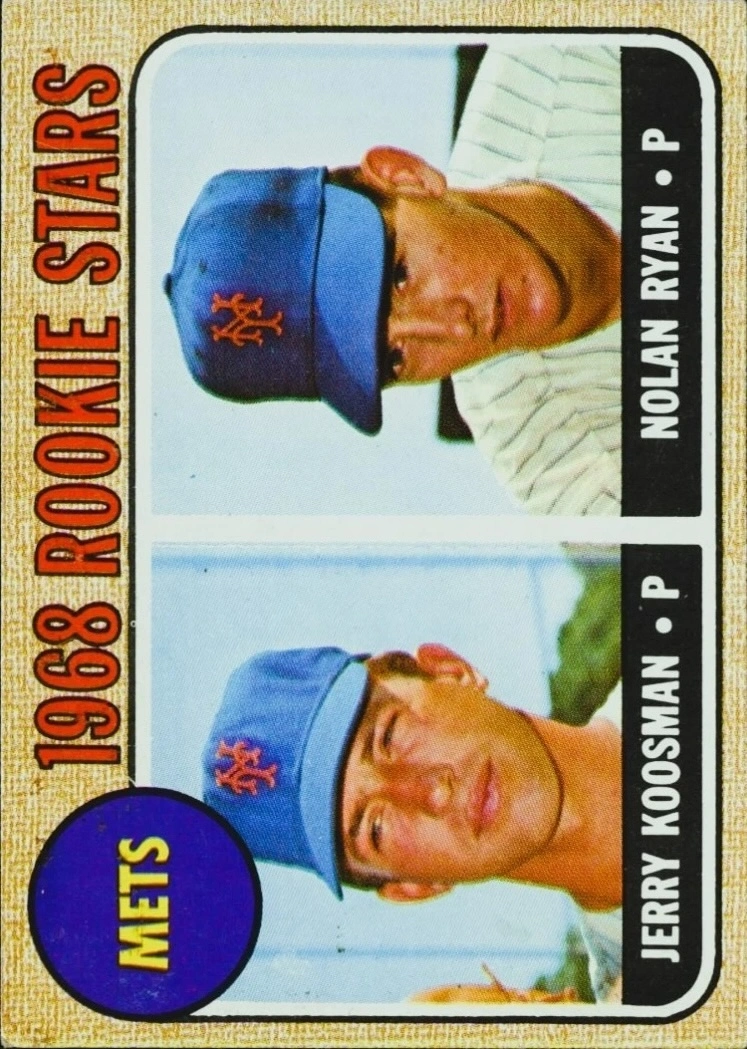
Nolan Ryan
Rookie Year: 1968
1968 Topps #177 Mets Rookie Stars
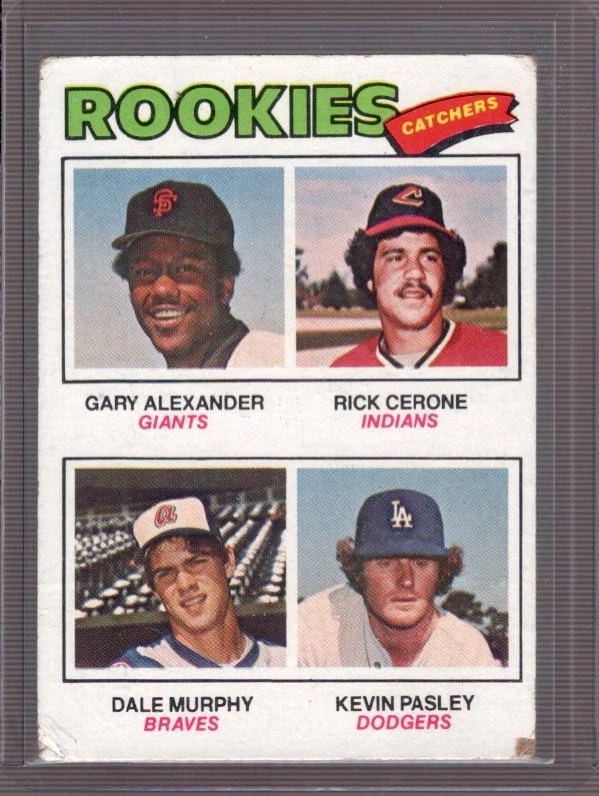
Dale Murphy
Rookie Year: 1977
1977 Topps #476
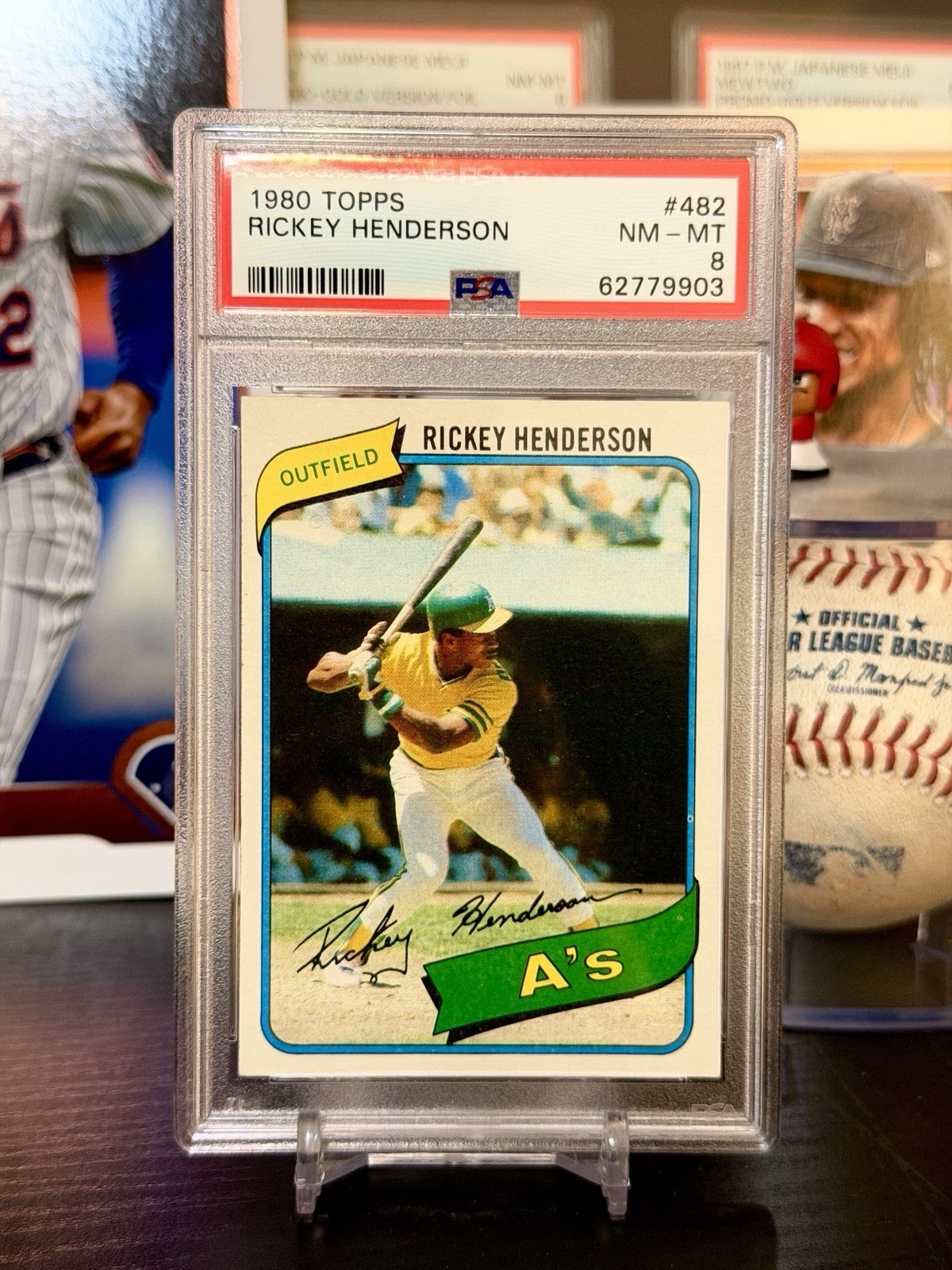
Rickey Henderson
Rookie Year: 1979
1980 Topps #482
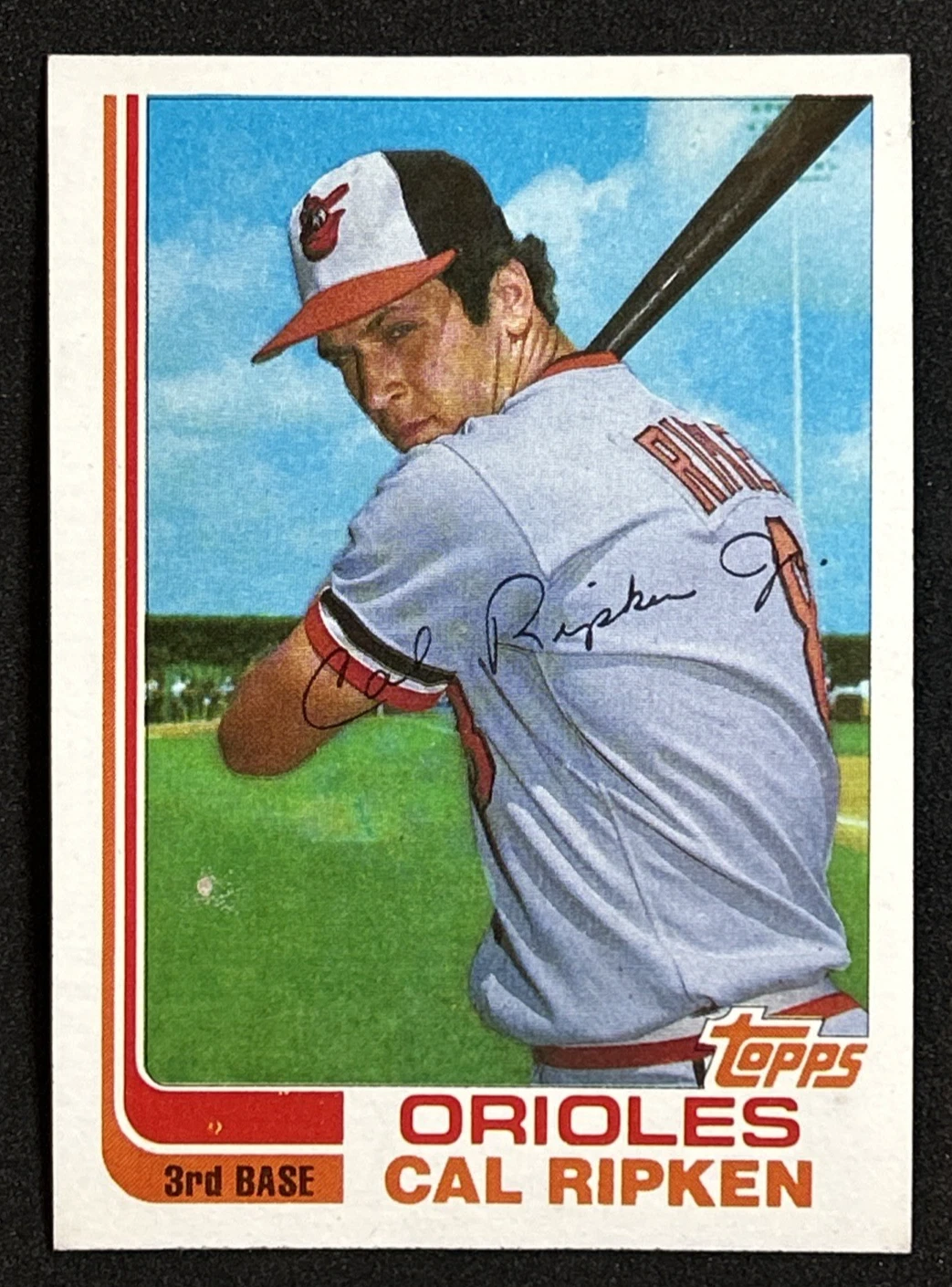
Cal Ripken Jr.
Rookie Year: 1982
1982 Topps Traded #98T / 1982 Donruss #405 / 1982 Fleer #176

Roger Clemens
Rookie Year: 1984
1985 Topps / Donruss / Fleer
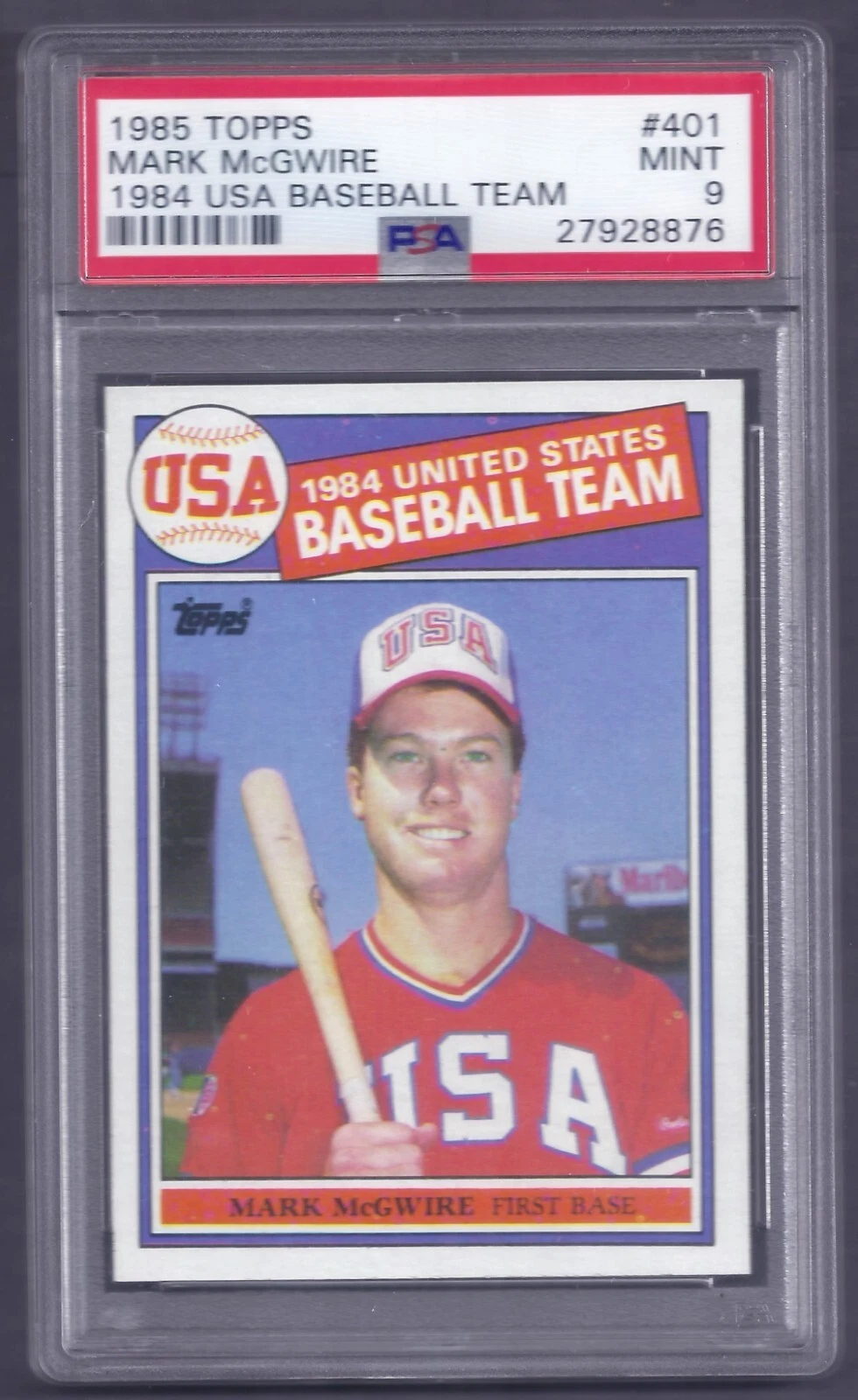
Mark McGwire
Rookie Year: 1985
1985 Topps #401 (Team USA) / 1985 Topps Tiffany #401
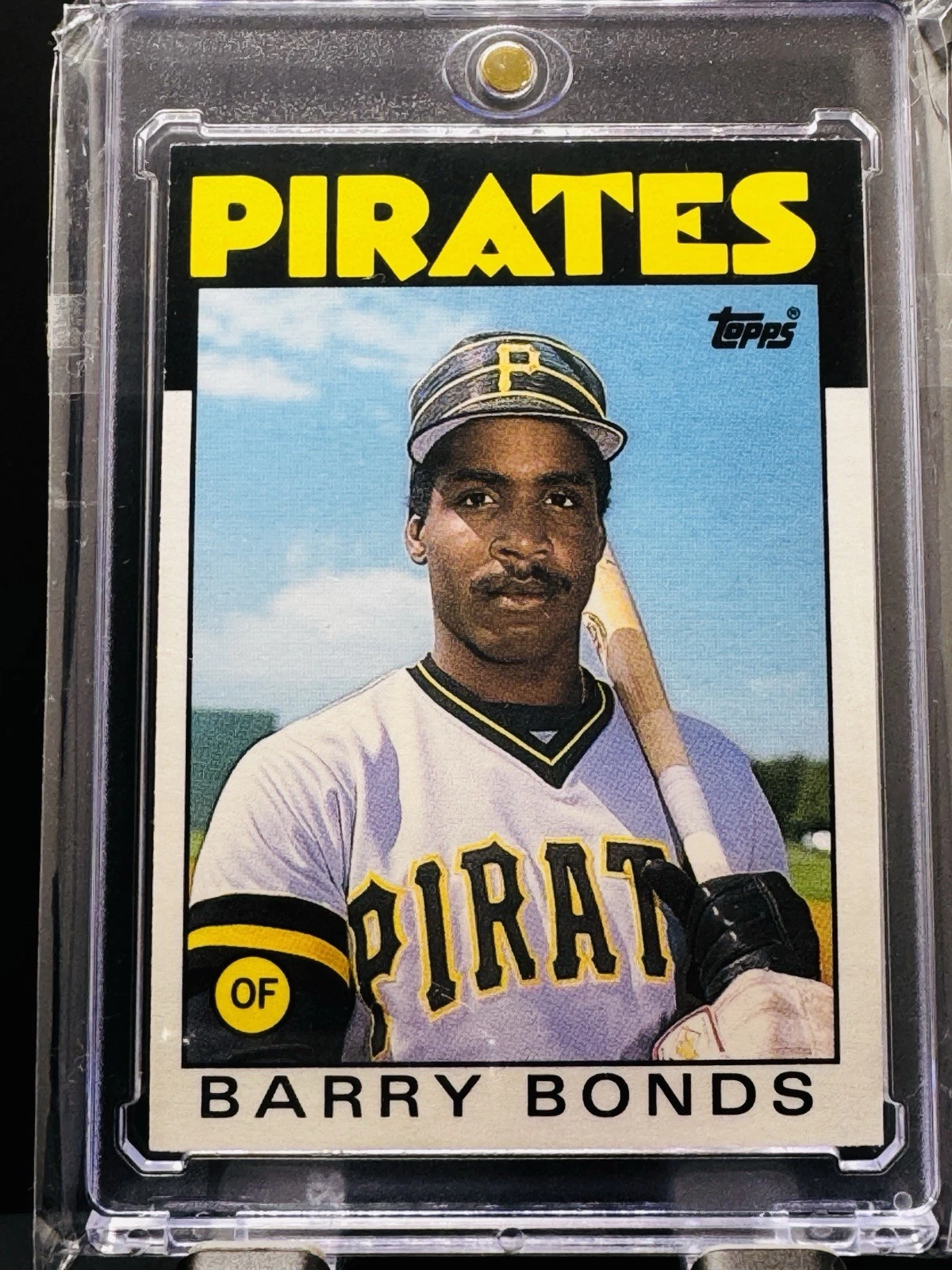
Barry Bonds
Rookie Year: 1986
1986 Topps Traded #11T / Fleer Update #U-14 / Donruss The Rookies #11
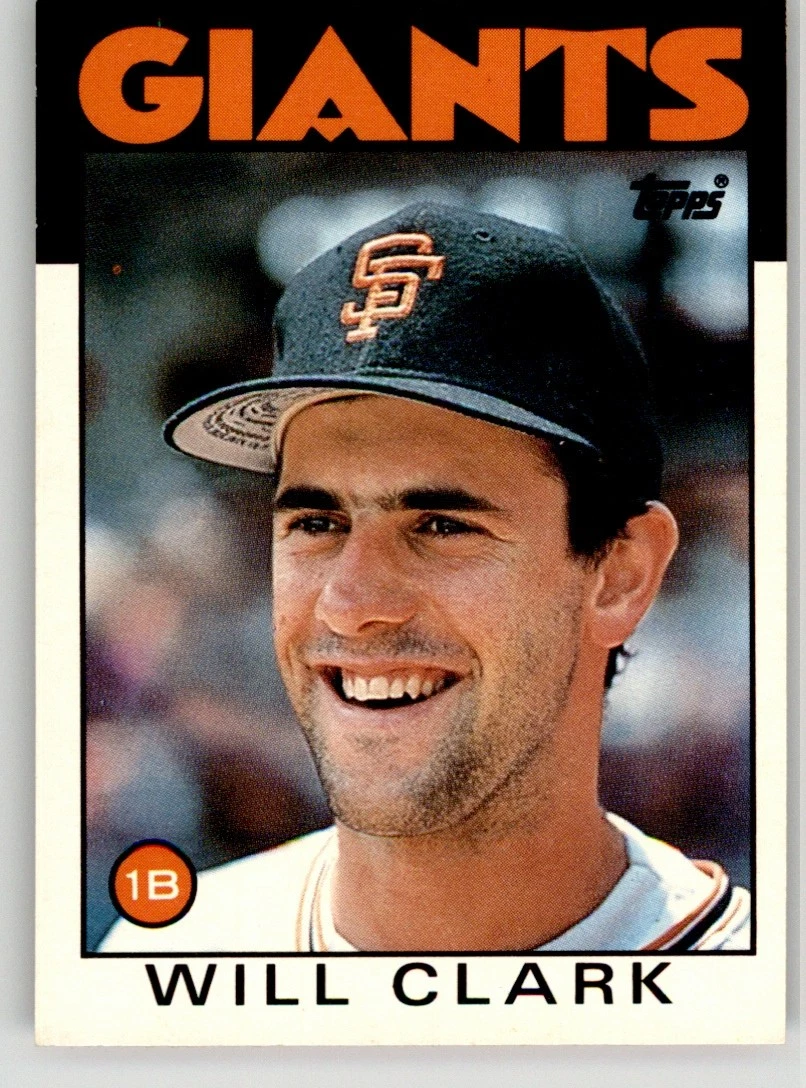
Will Clark
Rookie Year: 1986
1986 Topps Traded #24T / Donruss The Rookies #32 / Fleer Update #U-25
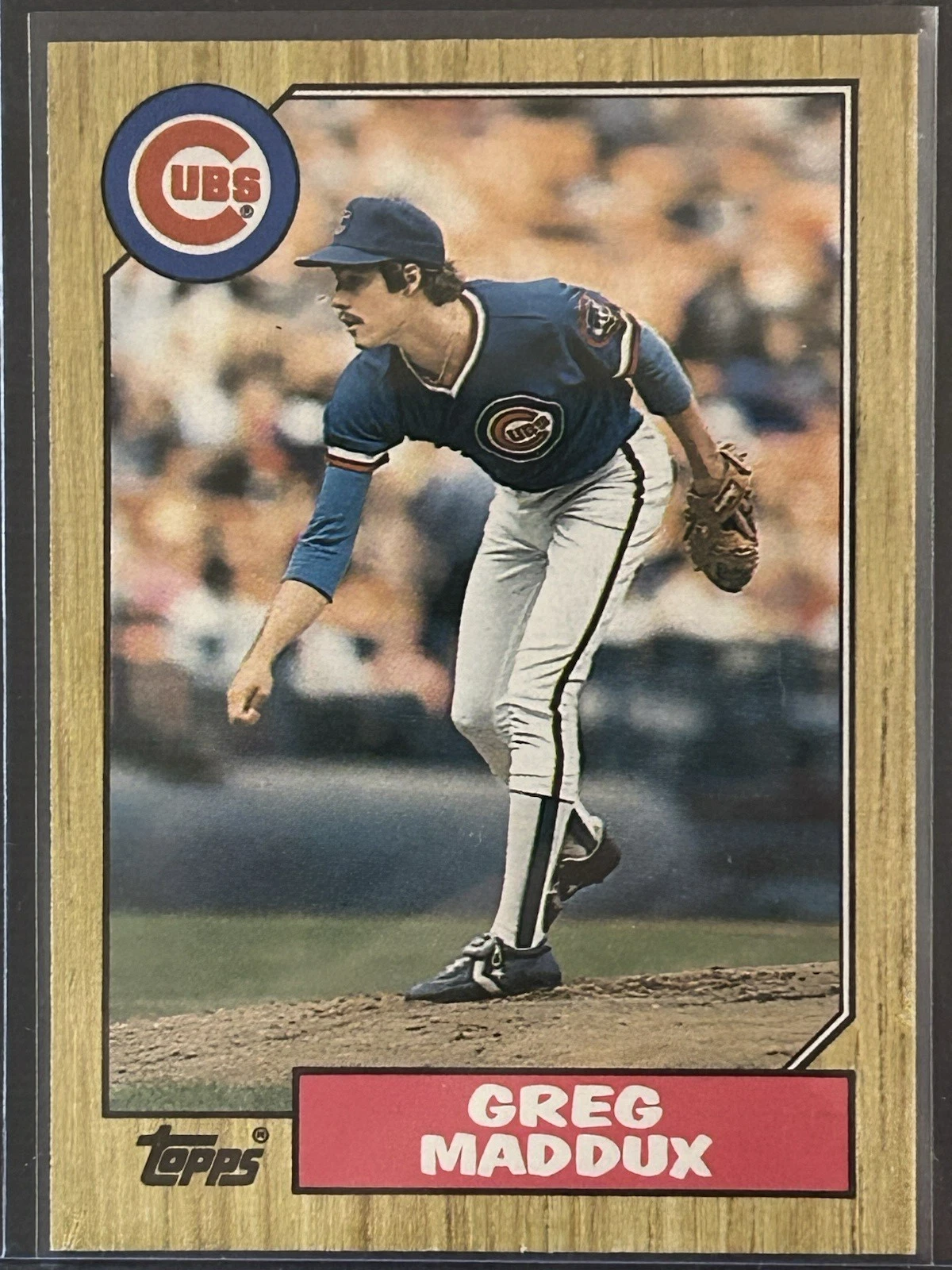
Greg Maddux
Rookie Year: 1987
1987 Topps Traded #70T / Fleer Update #U-68 / Donruss #36
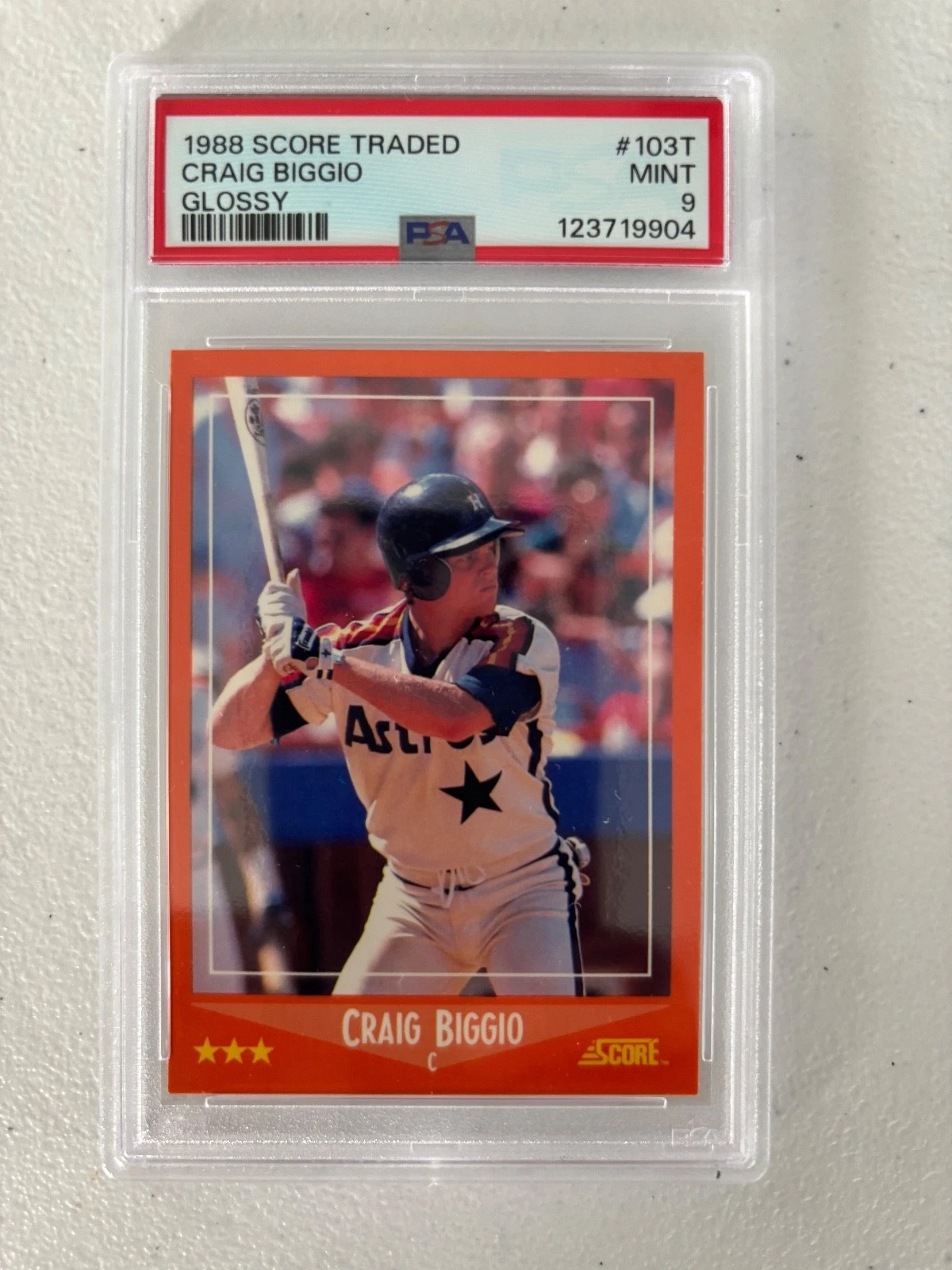
Craig Biggio
Rookie Year: 1988
1988 Score Traded #103T / 1989 Topps #49 / 1989 Upper Deck #273
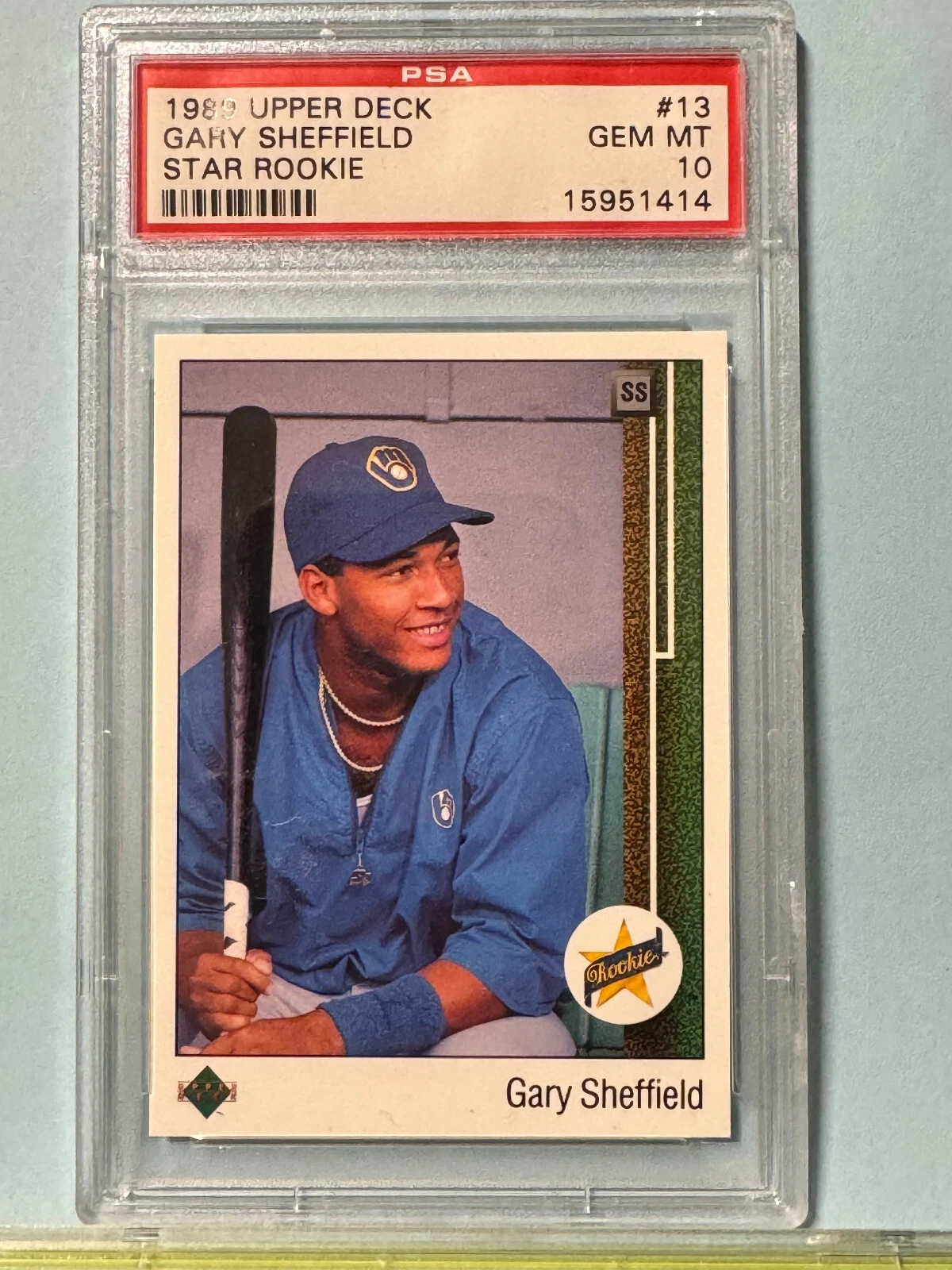
Gary Sheffield
Rookie Year: 1989
1989 Upper Deck #13 / Topps #343 / Fleer #196
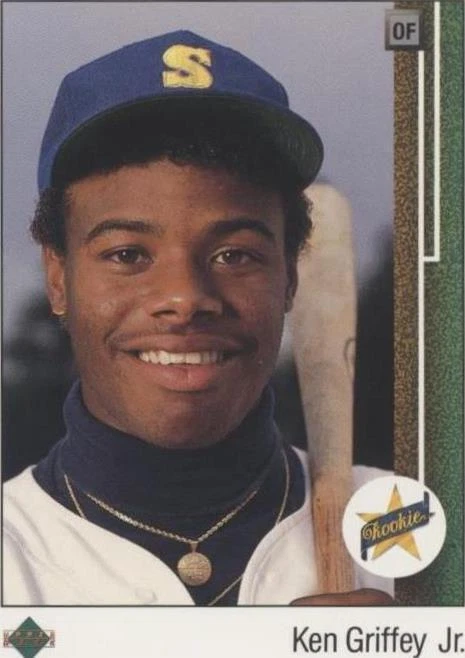
Ken Griffey Jr.
Rookie Year: 1989
1989 Upper Deck / Fleer / Bowman / Topps Traded / Donruss
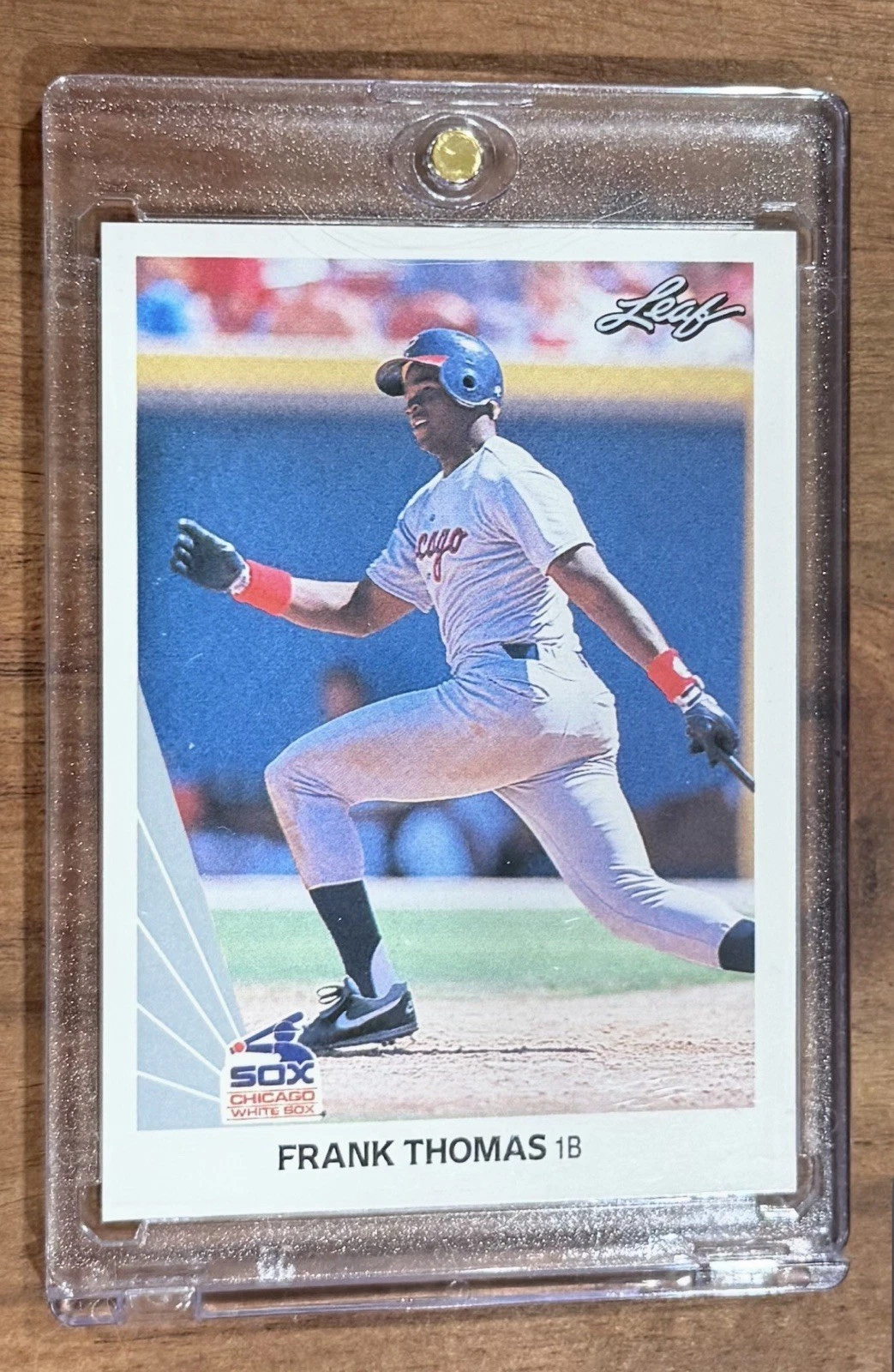
Frank Thomas
Rookie Year: 1990
1990 Leaf #300 / 1990 Topps #414 / 1990 Bowman #320
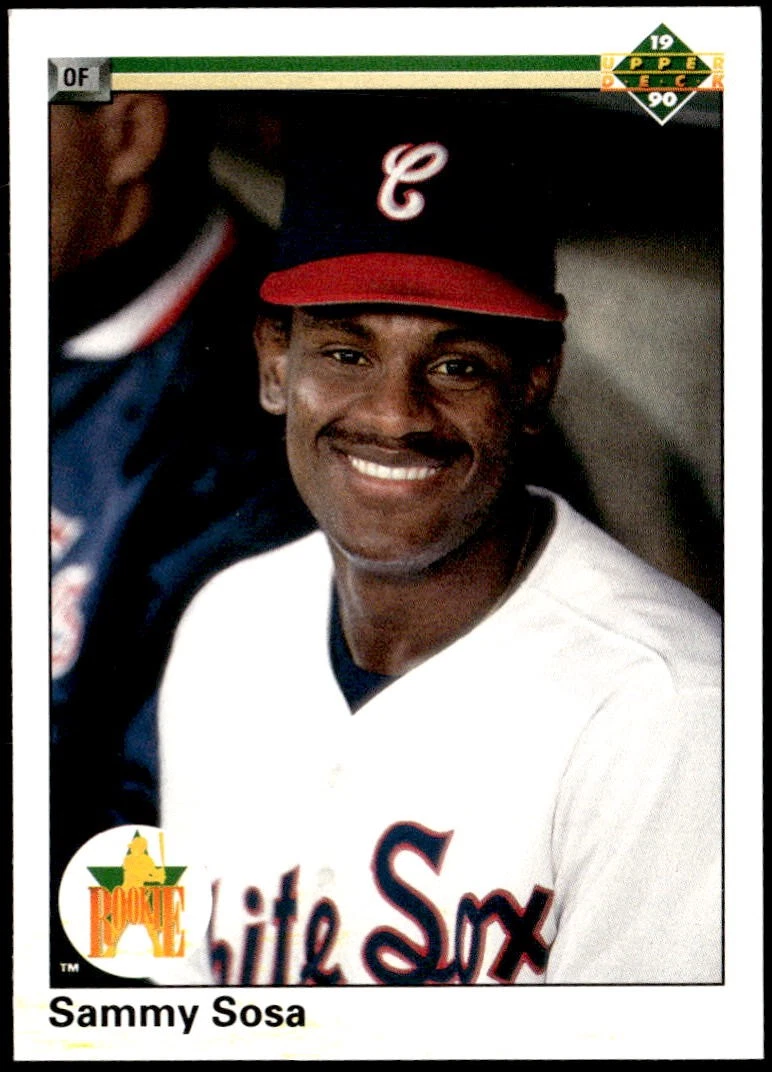
Sammy Sosa
Rookie Year: 1990
1990 Upper Deck #17 / 1990 Topps #692 / 1990 Leaf #220
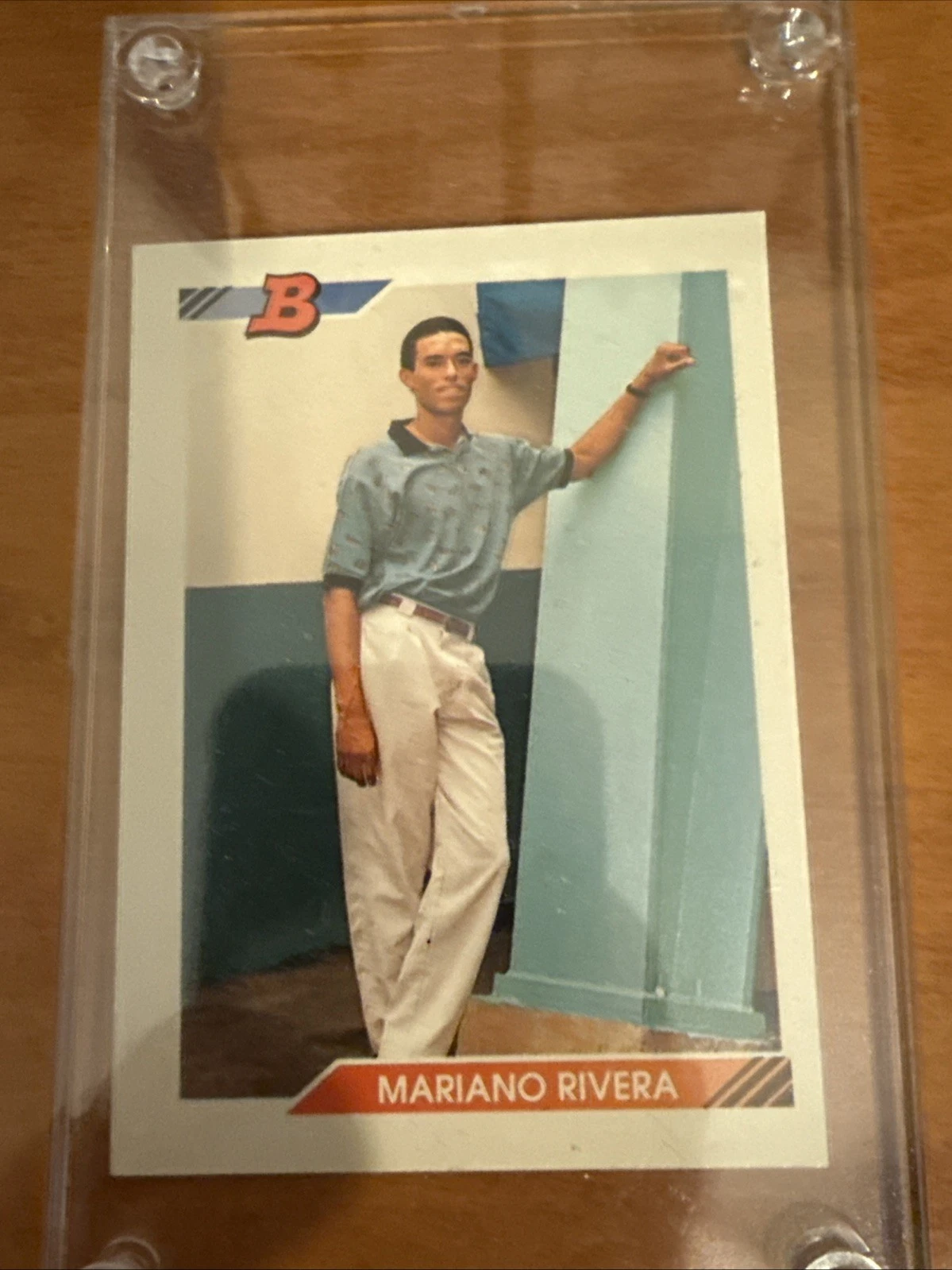
Mariano Rivera
Rookie Year: 1992
1992 Bowman #302
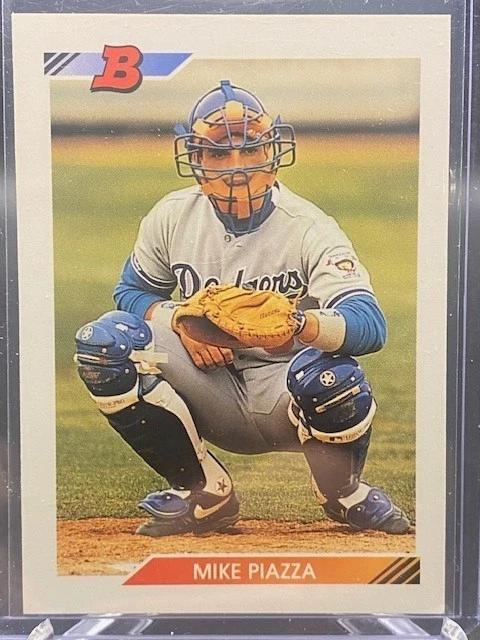
Mike Piazza
Rookie Year: 1992
1992 Fleer Update #U-92 / Bowman #461
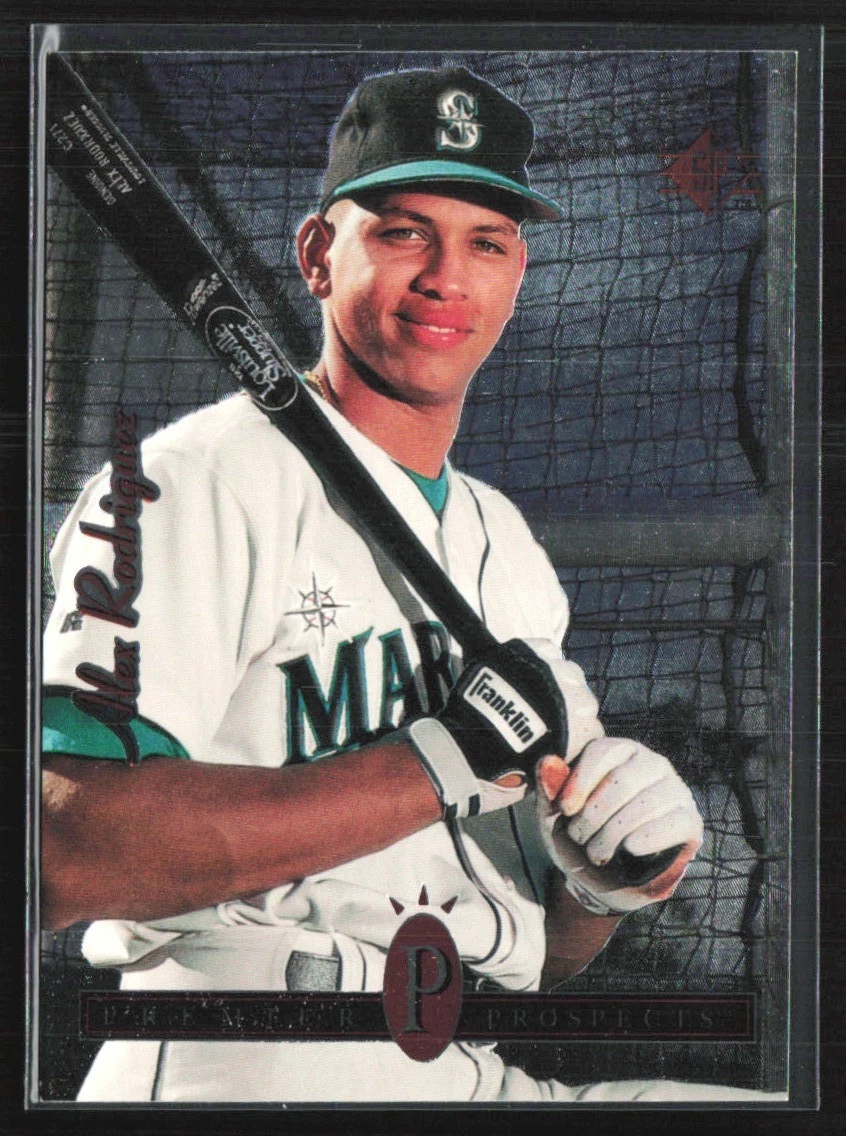
Alex Rodriguez
Rookie Year: 1994
1994 SP / Upper Deck / Bowman / Flair
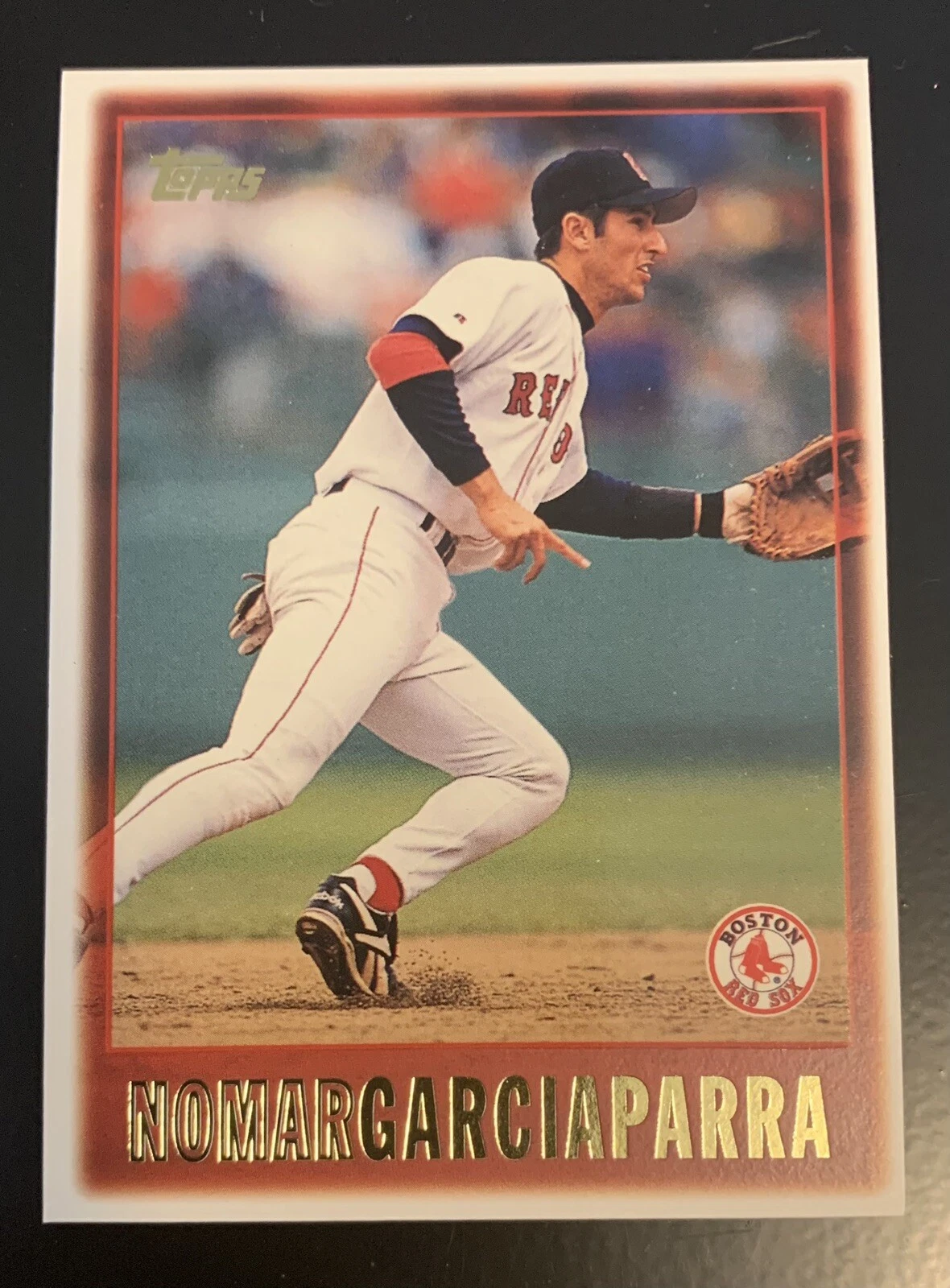
Nomar Garciaparra
Rookie Year: 1997
1997 Topps #293 / 1997 Topps Chrome #99 / 1997 Bowman Chrome #224
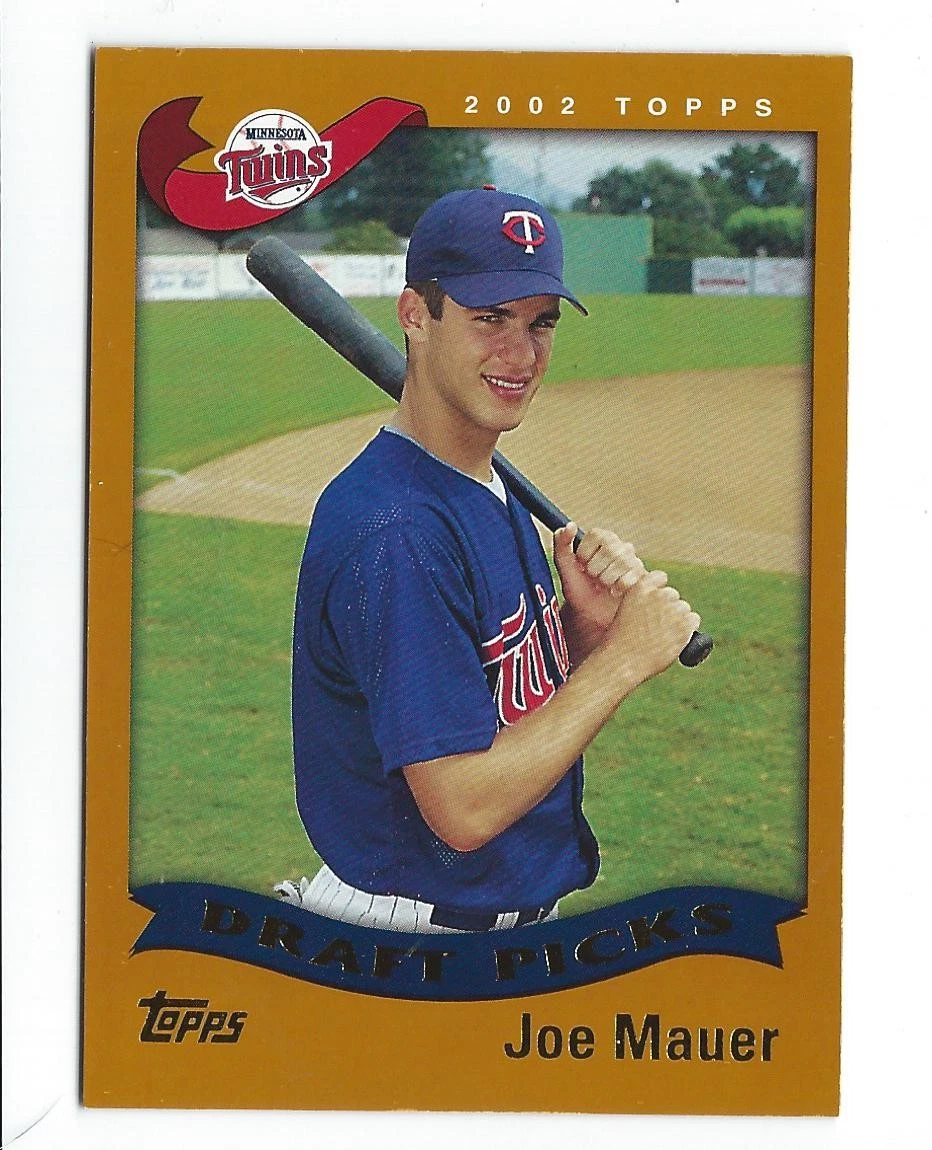
Joe Mauer
Rookie Year: 2004
2002 Topps #622 / 2002 Bowman #379 / 2002 Bowman Chrome Auto #391
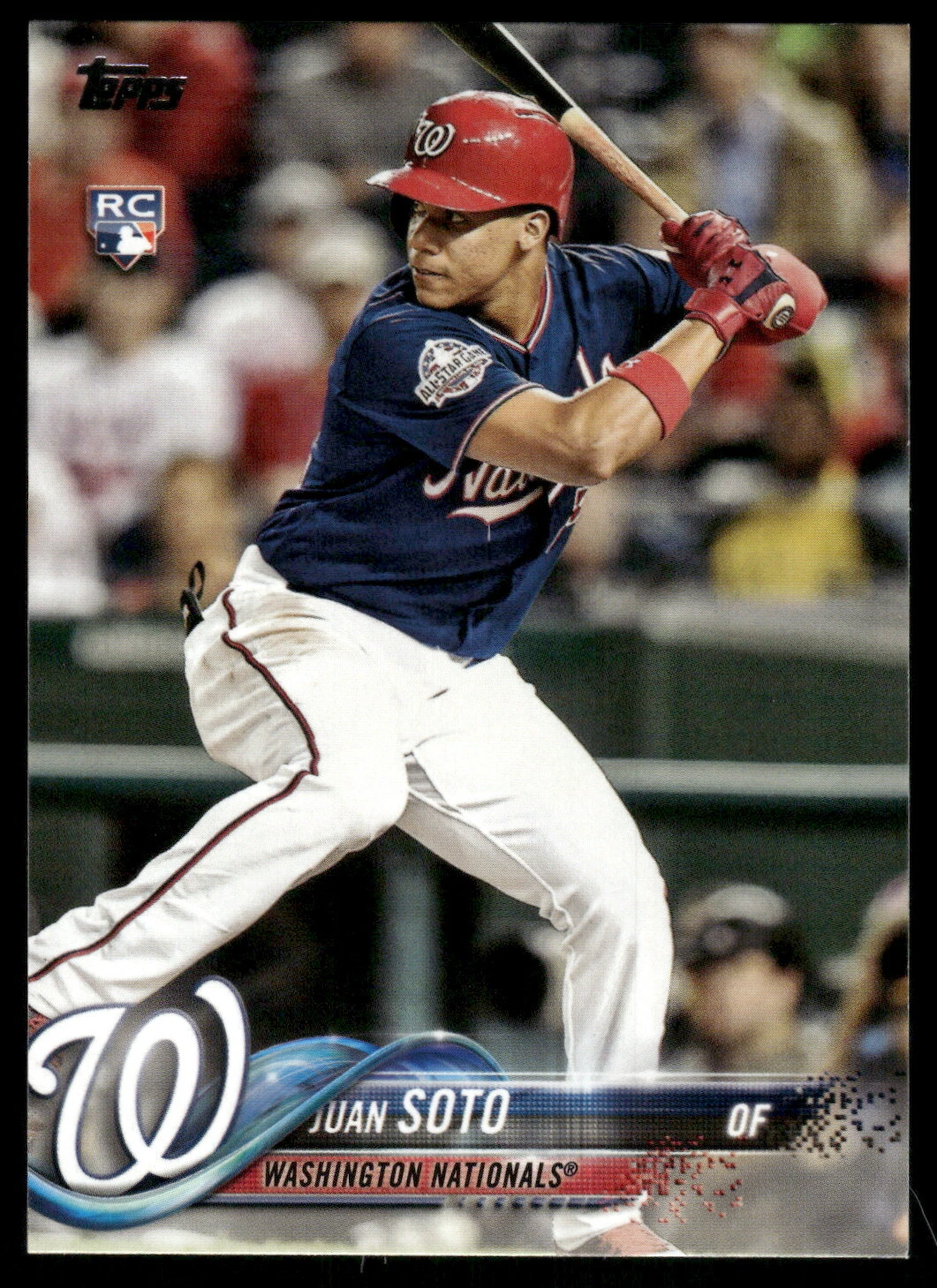
Juan Soto
Rookie Year: 2018
2018 Topps Update #US300
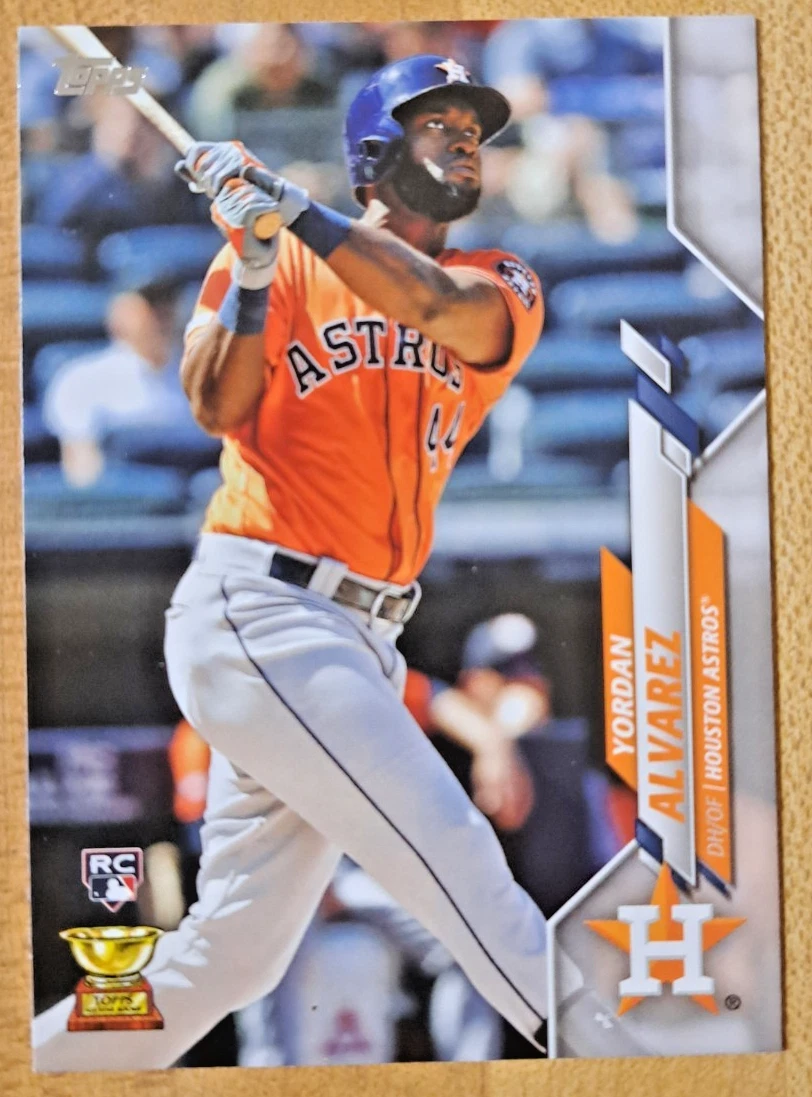
Yordan Alvarez
Rookie Year: 2019
2020 Topps Series 1 #276 / 2020 Topps Chrome #200
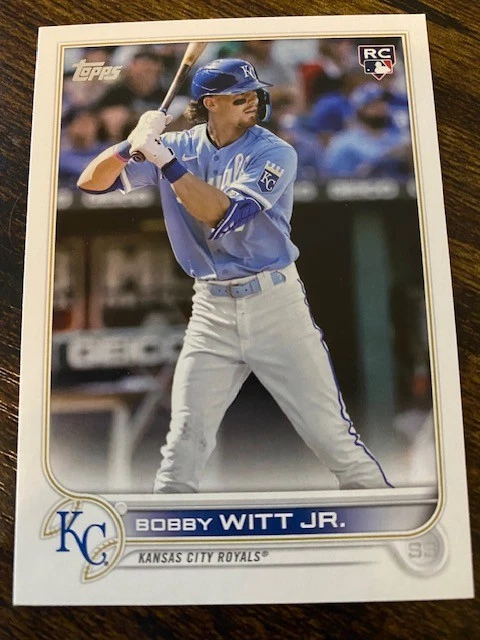
Bobby Witt Jr.
Rookie Year: 2022
2022 Topps Series 2 #660 / 2022 Topps Chrome Update #USC35
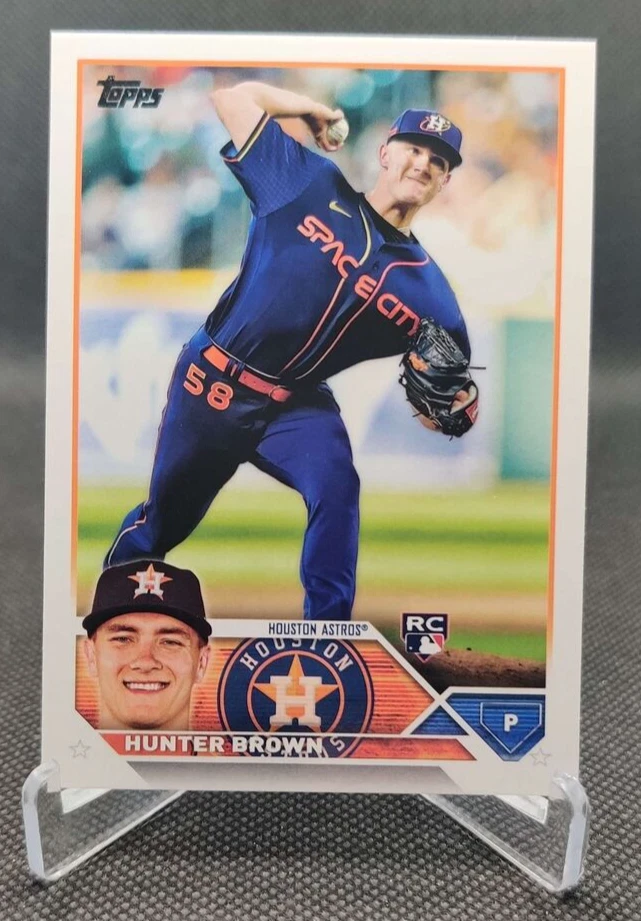
Hunter Brown
Rookie Year: 2023
2023 Topps Series 1 #111 / 2023 Topps Chrome #197
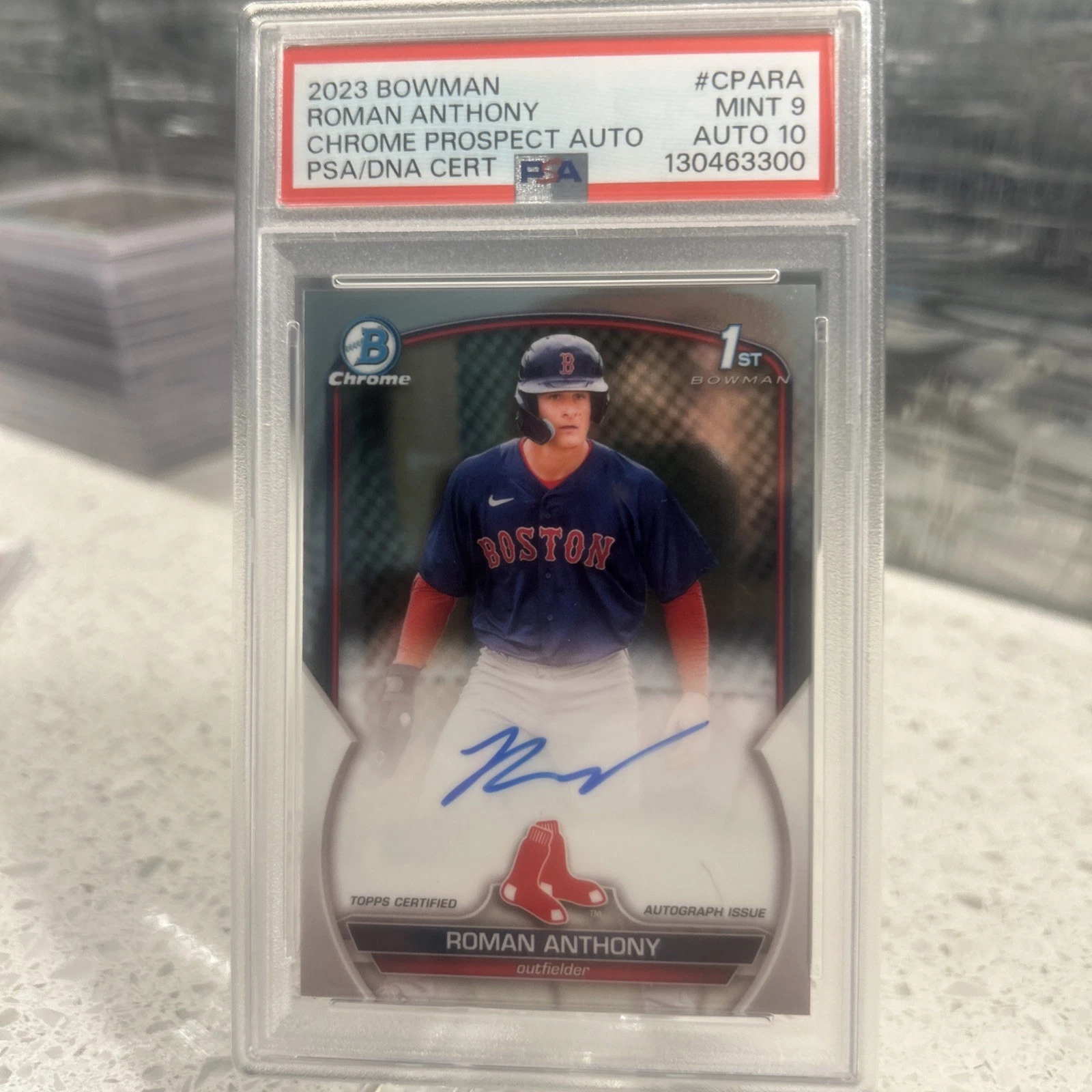
Roman Anthony
Rookie Year: 2023
2023 Bowman Chrome Draft 1st Bowman
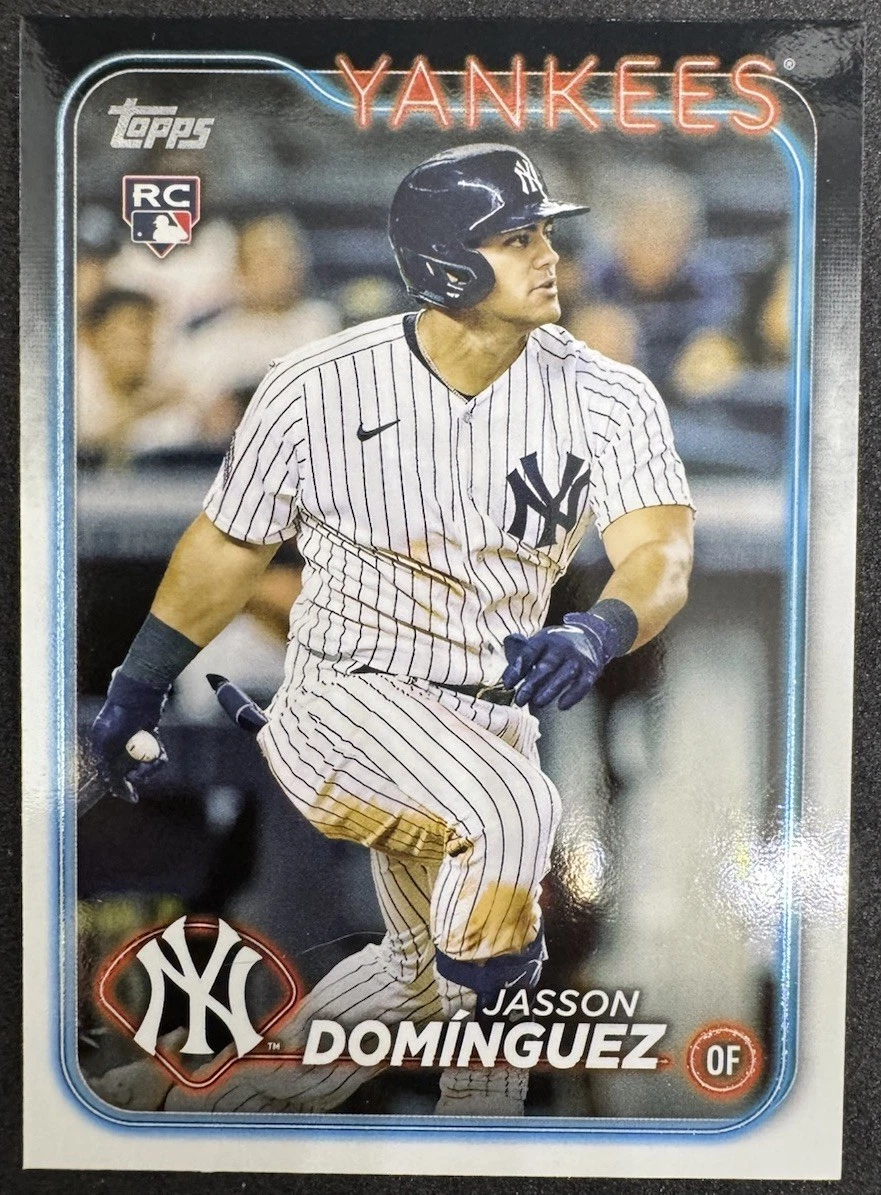
Jasson Domínguez
Rookie Year: 2024
2024 Topps Series 1 #60 / Topps Chrome / Heritage
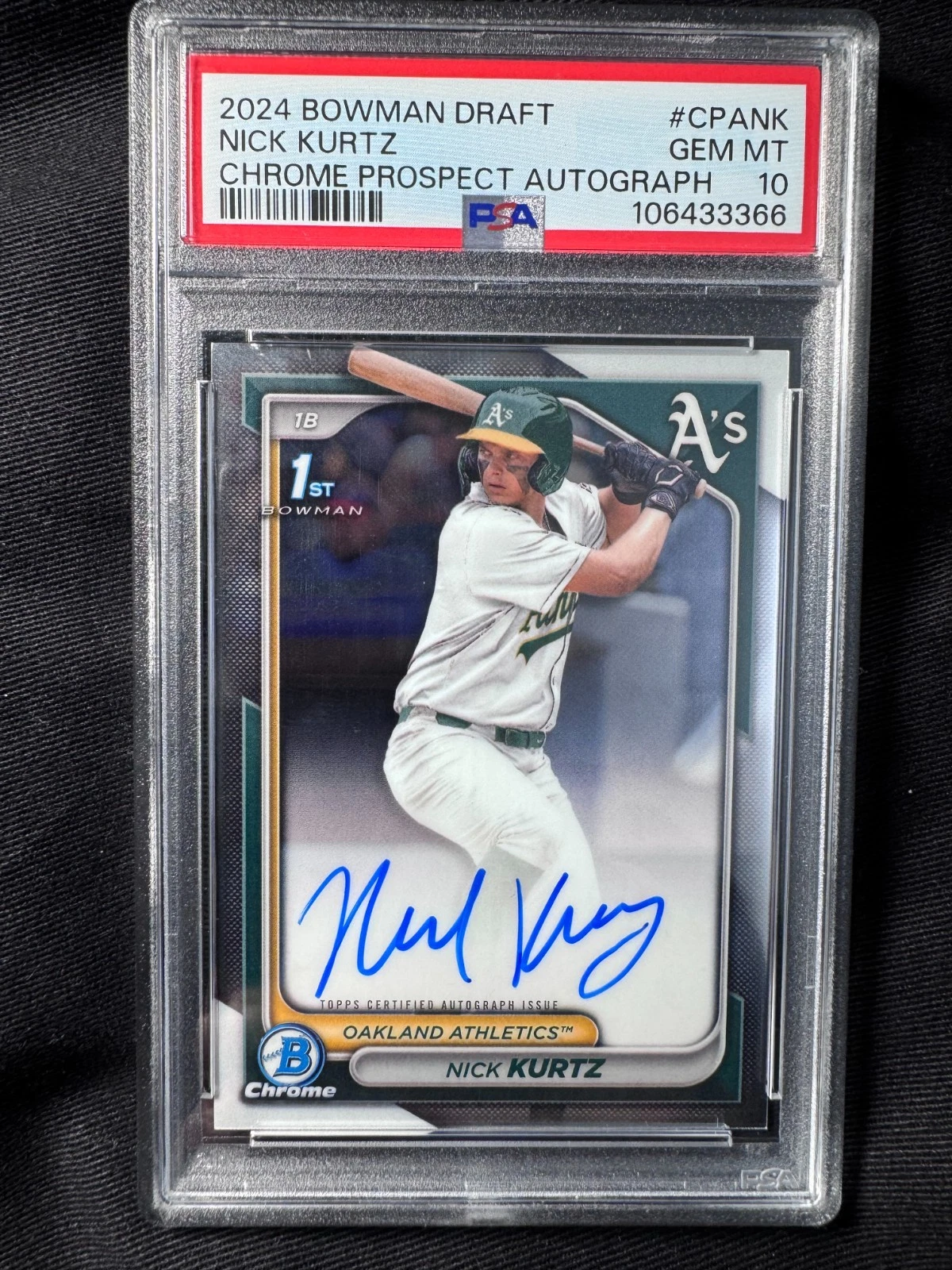
Nick Kurtz
Rookie Year: 2024
2024 Bowman Draft 1st Bowman

Paul Skenes
Rookie Year: 2024
2023 Bowman Chrome Draft / 2024 Topps Chrome Update
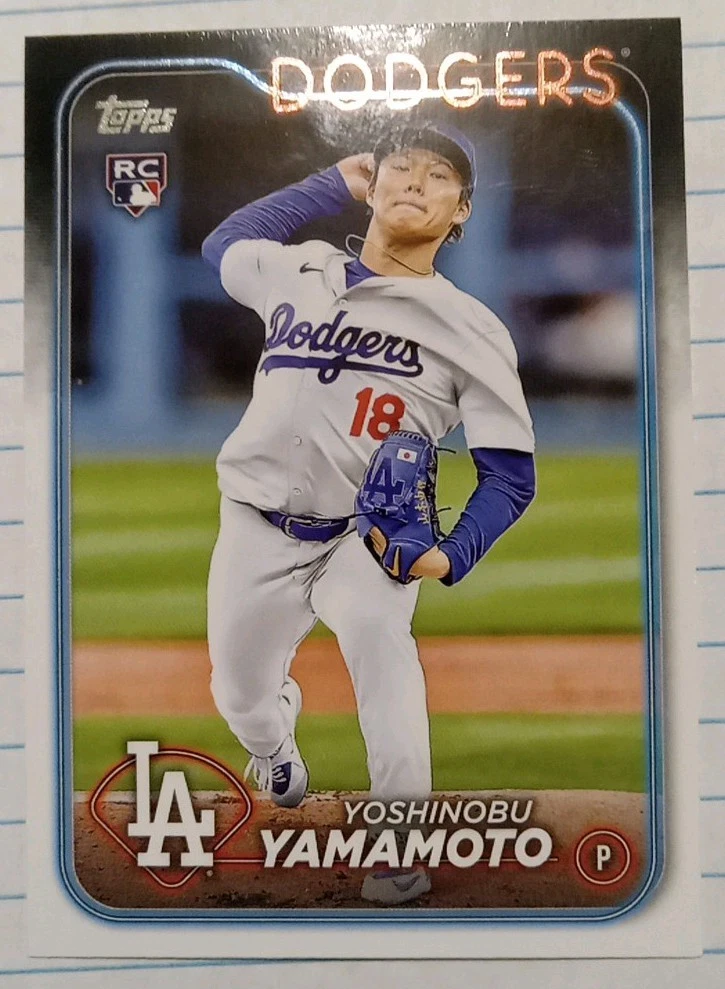
Yoshinobu Yamamoto
Rookie Year: 2024
2024 Topps Series 2 #553 / 2024 Topps Update #US149 Rookie Debut
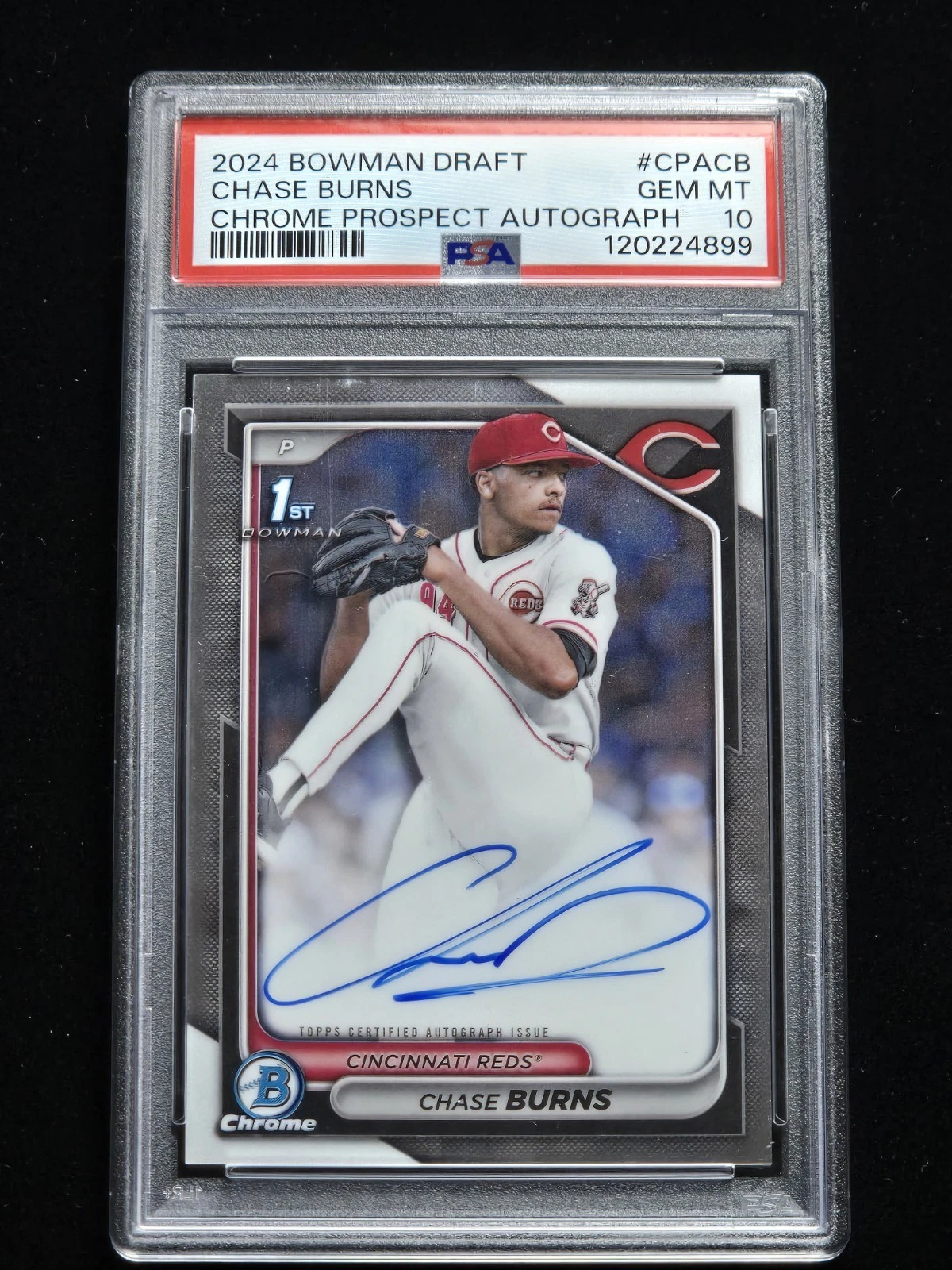
Chase Burns
Rookie Year: 2025
2025 Topps / Topps Chrome
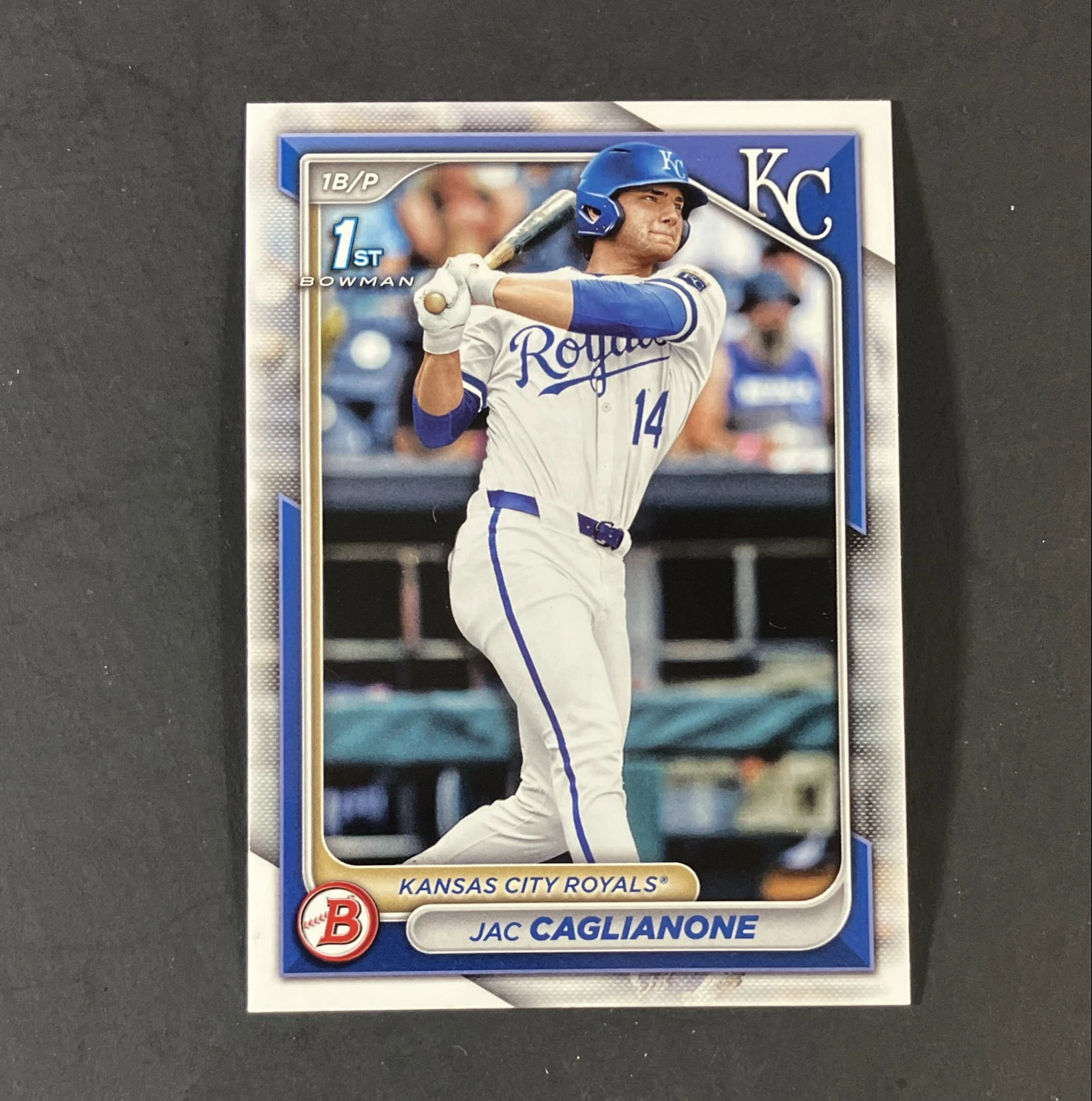
Jac Caglianone
Rookie Year: 2025
2024 Bowman Draft #BD-8 (1st Bowman) / 2026 Topps RC (expected)
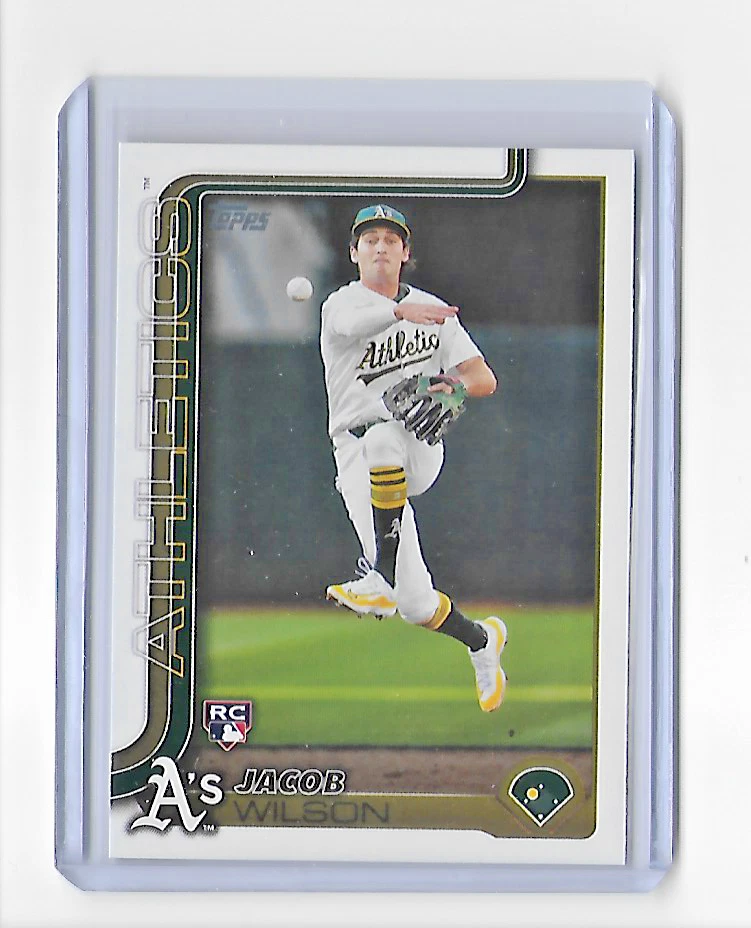
Jacob Wilson
Rookie Year: 2025
2025 Topps Series 1 #314 / 2025 Topps Chrome #96