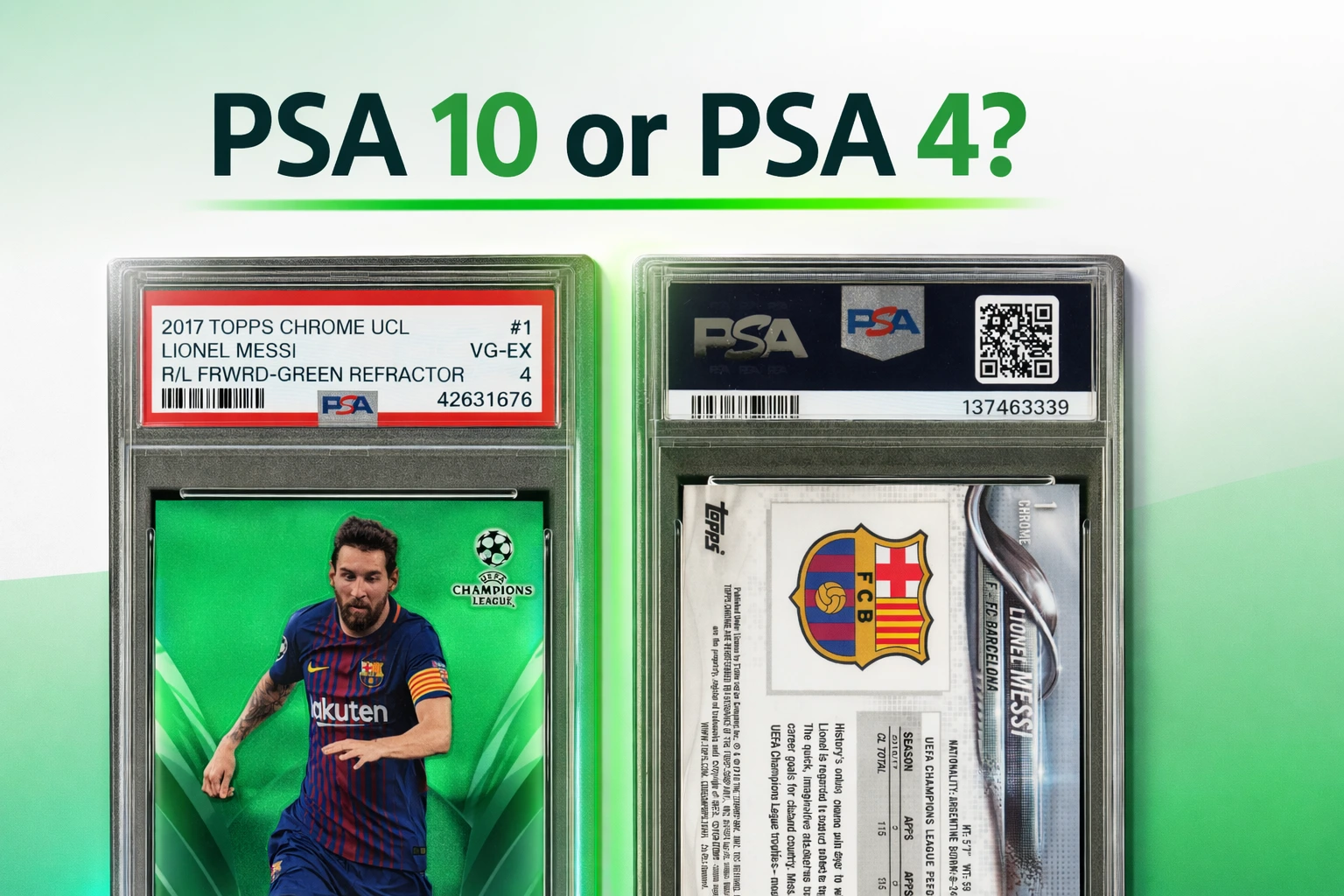
Why Card Grades Can Vary More Than Collectors Think
Learn why card grades can vary more than collectors expect through a PSA 4 Messi example, plus a simple checklist to grade smarter before you submit today.
Why Card Grades Can Vary More Than Collectors Think
A lot of collectors trust the slab number more than the grading process behind it. Then they see a famous Messi card graded PSA 4 and ask the right question: how did this card land a 4?
As of March 23, 2026, the best answer is simple. PSA does not grade from one flaw or one photo. Graders weigh centering, corners, edges, and surface at the same time, and small defects like scuffs, dimples, wrinkles, or a light crease can push a card lower than you expect.
If you are new to the hobby, start with PSA grades explained. If you already submit cards, pair this article with how to select cards to submit for grading and the figoca EV grading calculator.
Why can card grades vary so much?
Card grades vary because grading is a human review of several flaws at once, not a machine score from one visible issue. Two cards with similar eye appeal can land far apart when one has a hidden surface dimple, weaker back centering, light scuffing, or a crease that only shows under angled light.
TL;DR
- A grade is a judgment call: PSA uses standards, but a person still weighs the full card in hand.
- Surface flaws hide well: scuffs, dimples, print lines, and light wrinkles often show up late.
- The back matters: many collectors check the front and miss back centering, whitening, or surface wear.
- One flaw can cap the ceiling: a crease or dent can drag a card down fast.
- Eye appeal can fool you: a card can look strong in one photo and still miss badly in hand.
- You should pre-grade every submission: use sold comps, a conservative grade range, and the math before you pay fees.
The PSA 4 Messi example shows the gap between eye appeal and grade
The Messi PSA cert page gives you the headline result: PSA 4. This YouTube video adds more visual context around the example. What neither source gives you is a full grading worksheet. That gap matters.
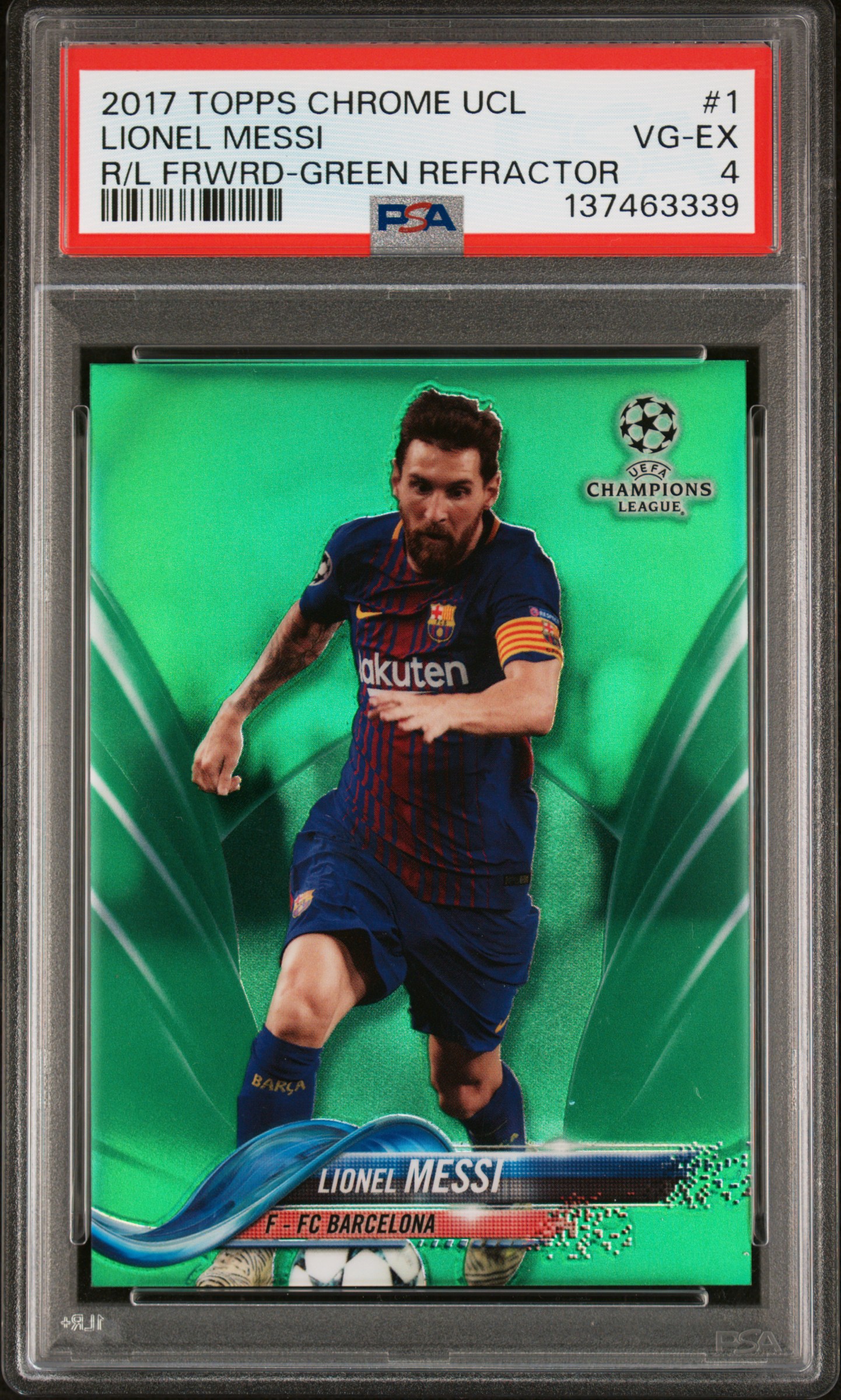
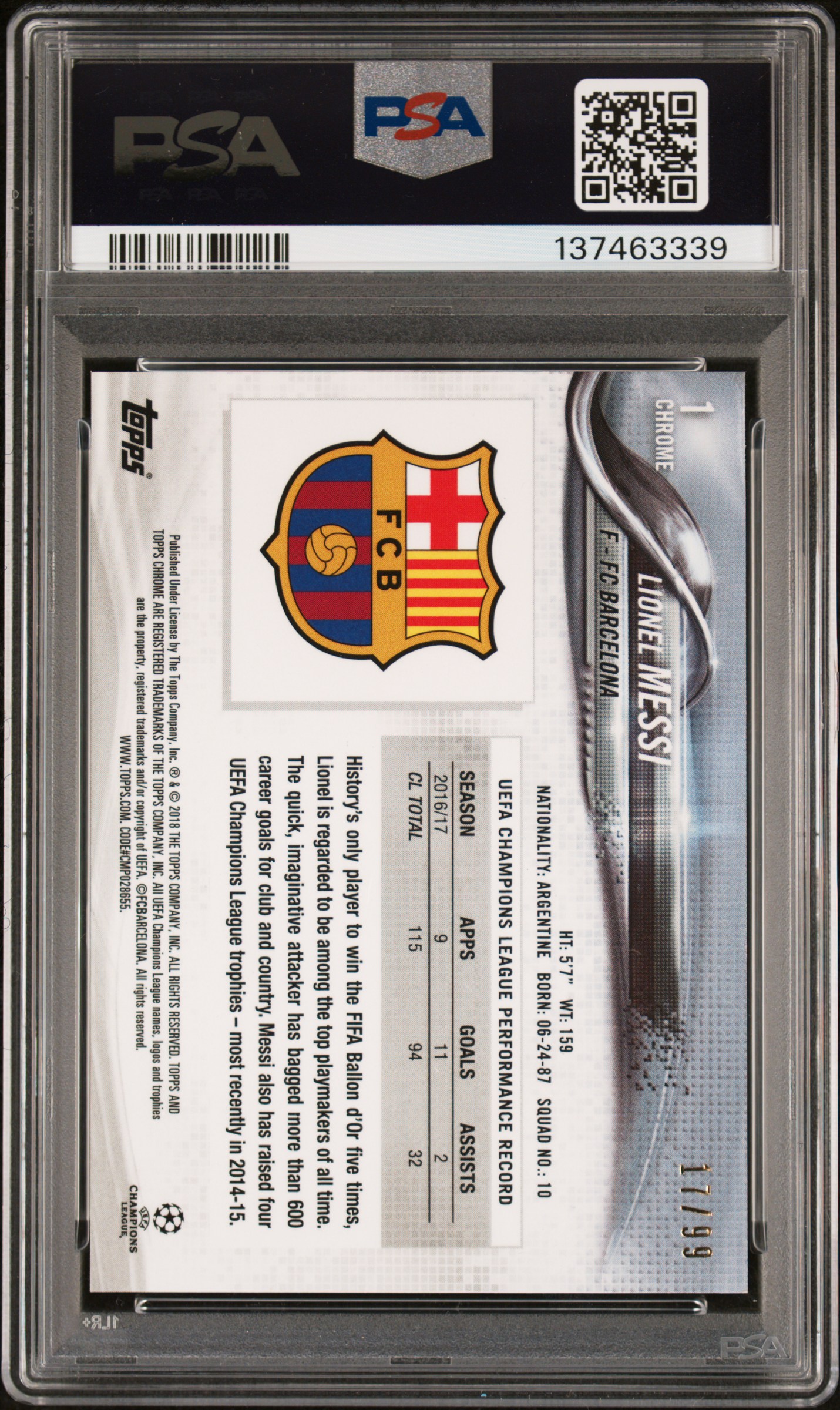
You see the final number, but PSA saw the card in hand. A grader could tilt it, inspect the back, catch surface texture, and weigh how multiple flaws worked together. That is why a big-name card can still surprise collectors with a mid-grade result.
This does not mean grading is random. It means collectors often judge cards from arm's length, one straight-on photo, or a quick emotional read. Graders slow the card down and punish the weakest part of it.
If you buy cards on eBay, this is one reason sold comps and inspection habits matter more than hope. A beautiful player, a famous card, and a strong market do not protect the grade.
What usually pushes a grade lower than collectors expect?
Most surprises come from a few repeat offenders.
Surface flaws carry more weight than many collectors think
Collectors love sharp corners because corners are easy to see. Surface flaws do more damage because they hide better. A small scuff on glossy stock, a print drag, or a tiny dimple can sit there until angled light exposes it.
That is why modern cards frustrate people. A chrome card can look perfect in flat light and still miss your target because the surface breaks down under inspection. PSA made the same point in its recent warning about 2025 Prizm Football roller lines. Pack fresh does not mean gradeable.
Centering still swings outcomes
Centering feels simple, but it still catches people. Many collectors excuse weak centering because the card looks clean overall. PSA does not. A card with strong corners and a good surface can still lose ground if the front or back sits off enough.
That matters even more on cards where buyers pay a huge premium for top grades. If you are chasing a 9 or 10 on a condition-sensitive card, centering often decides whether the card belongs in the submission pile at all.
Creases and wrinkles change the whole conversation
A visible crease does not just cost half a grade. It changes the grade band. Even a light wrinkle can move a card out of the range collectors wanted when they first pulled it or bought it.
Vintage and older soccer cards make this harder because you may see honest wear, print imperfections, and handling issues on the same card. A collector might call the card "nice for the age." A grader still has to score the flaws that are there.
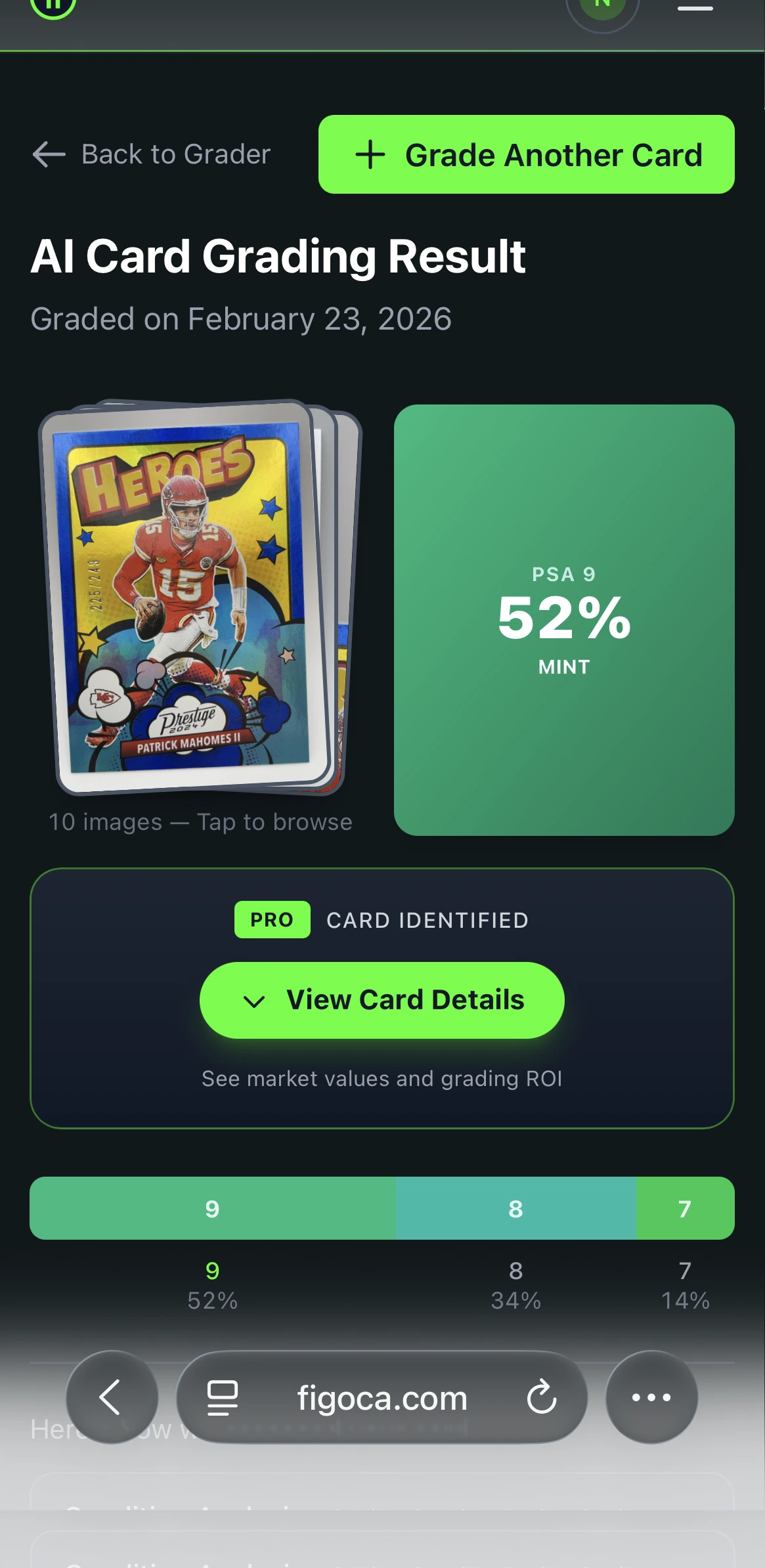
AI Card Grader
Know your card's grade before you submit
Snap a photo with your phone and get an instant AI-powered grade estimate. Check centering, corners, edges, and surface — just like the pros.
- Instant grade estimate
- Sub-grades for all 4 pillars
- Built-in ROI calculator
- Free to use
Why collectors and graders often disagree
Collectors and graders usually look at the same card with different jobs in mind.
- Collectors chase eye appeal: you notice the star, the colors, and the overall look first.
- Graders hunt weak points: they start by asking what can limit the card.
- Collectors forgive famous cards: the bigger the card, the easier it is to assume it deserves a higher number.
- Graders do not price the card: they score condition, not player status or market hype.
That difference creates most of the pain. You feel the card. The grader measures the risk.
If you want fewer grading surprises, use this checklist
This is the simple workflow I would use before sending any card to PSA.
1. Start with the surface, not the corners
Use one strong light source and tilt the card slowly. Check the front and back. Look for scratches, dimples, print lines, gloss breaks, wrinkles, and dents before you look at anything else.
2. Check the back like it matters
It does. Back centering, edge wear, and surface marks sink a lot of submissions. If you skip the back, you are not pre-grading the card. You are guessing.
3. Use the worst flaw to set your ceiling
If you see a crease, pressure dent, or clear surface damage, stop dreaming about the top grade. Pick a realistic grade band first. Then decide whether the economics still work.
4. Compare the card against real sold examples
Search the same card and look at sold copies in the grades you think are realistic. What are comps in trading cards? covers the exact workflow if you need a refresher.
5. Run EV before you submit
The right question is not "could this grade high?" The right question is "does this still make sense if I am wrong by a grade or two?" That is why EV beats the $80 rule.
6. Use tools that slow you down before you spend money
Use the figoca AI card grading app to screen the card, then use the figoca EV grading calculator to test the upside. If you are buying a slab instead of submitting raw, scan the PSA label and verify the cert before you pay.
If X then Y: simple grading rules that prevent bad submits
- If you see a crease: assume the card is no longer a high-grade candidate.
- If the card looks clean but the back is off-center: lower your expectation before you check comps.
- If you find a dimple or dent: treat the card like a capped submission.
- If seller photos stay flat and vague: ask for angled light or skip the card.
- If the value only works at one dream grade: do not submit it.
- If you still feel unsure after inspection: use a pre-grade workflow instead of forcing the card into the order.
Where figoca fits into the workflow
figoca helps at the two points where collectors make the most expensive mistakes.
- Before you submit: use the AI card grading app to screen condition risk and the EV grading calculator to test the upside.
- Before you buy: use figoca comps and the figoca extension on eBay to compare the price against real sold data.
If you are still building your grading routine, add how to submit to PSA and the fake PSA slab quick check to your bookmark list.
figoca extension
Get card comps on eBay in seconds
See comps directly on eBay listings and search results. Save time, avoid overpaying, and learn faster while you browse.
- Comps inline on item and search pages
- Automatic card detection and parsing
- Fast, privacy-first, and free
- Built for newcomers and hobbyists
A short glossary
- Centering: how evenly the image and borders sit on the card.
- Surface: scratches, scuffs, print lines, dimples, wrinkles, stains, and gloss wear.
- Comp: a recent sold example of the same card, or the closest valid match.
- EV: expected value, or the weighted outcome after you factor in grade risk and costs.
FAQ: why grades vary
Sources
- PSA cert page for the Messi PSA 4 example
- YouTube video for the Messi PSA 4 example
- PSA grades explained
- PSA grading alert: 2025 Prizm Football roller lines
- What are comps in trading cards?
Last updated: March 23, 2026

Card enthusiast, figoca founder, and independent software developer
Nico is a card enthusiast who built figoca after running into the same problems many collectors face: uncertain pre-grading decisions, too much tab switching for comps, and no fast way to price cards on the go. He is also a big Kansas City Chiefs fan (❤️💛), follows the Kansas City Royals (💙), and enjoys Formula 1 and Golf.
- Sports Card enthusiast
- Founder of figoca
- Independent software developer with a TypeScript and AWS background