Learn how to submit cards to PSA with a simple step-by-step checklist: supplies, prep, packing, shipping, and mistakes to avoid. Start now.
How to Submit to PSA: Step-by-Step Guide (2026)
Submitting to PSA can feel overwhelming your first time. It’s not hard, but it is detail-heavy. The safest approach is to treat it like a recipe: set up your tools, follow the same steps every time, and avoid the common mistakes that cause damage or delays.
This guide is written for beginners and busy collectors. It is extremely thorough, but it is also paced so you can stop after each stage and still be on track.
TL;DR (the fast version)
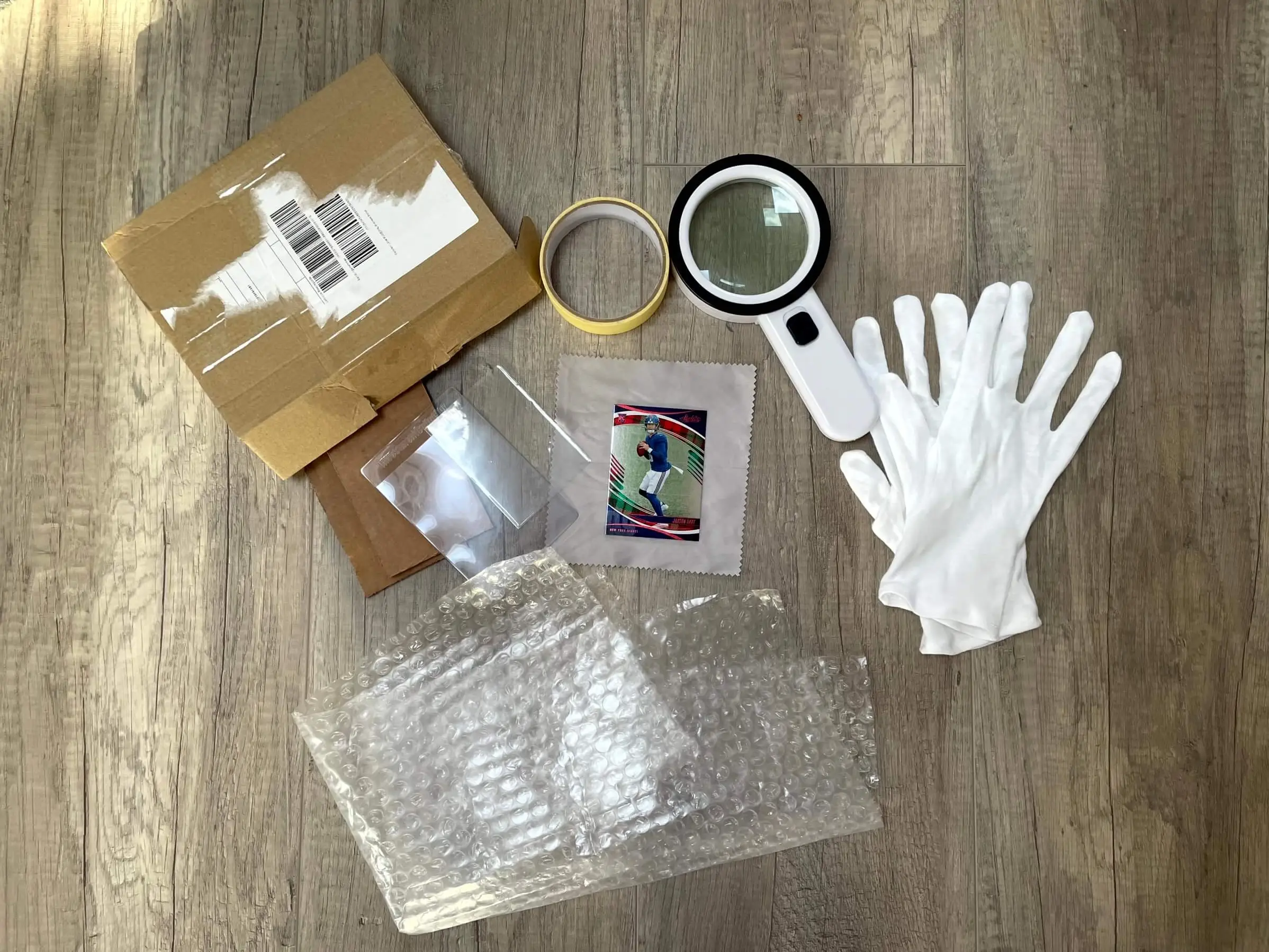
- Pick a small batch first: 5 to 20 cards is ideal for your first submission.
- Use a penny sleeve + semi-rigid holder: PSA prefers semi-rigid holders (like Card Saver I).
- Keep cards in the same order as your online submission: it reduces delays.
- Pack like you are shipping glass: tight, padded, no movement inside the box.
- Always use tracking and insurance: your cards are valuable while they are in transit.
- Check sold prices before you spend money: use figoca comps and the EV grading calculator.
figoca extension
Get card comps on eBay in seconds
See comps directly on eBay listings and search results. Save time, avoid overpaying, and learn faster while you browse.
- Comps inline on item and search pages
- Automatic card detection and parsing
- Fast, privacy-first, and free
- Built for newcomers and hobbyists
How do you submit cards to PSA (step-by-step)?
To submit cards to PSA, you create an order in PSA’s online submission center, sleeve each card and place it into a semi-rigid holder, pack the cards in the same order as your submission, then ship the box with tracking and insurance. The key is careful prep and safe packing so cards do not move or get damaged.
PSA submission checklist (quick list)
- Before you pay: check sold comps, pick a realistic grade range, and decide if the downside grade is still worth it
- Before you pack: sleeve every card, use semi-rigid holders, and match the order to your submission list
- Before you ship: cardboard “sandwich”, bubble wrap, strong box, no empty space, tracking, and insurance
The 9 steps to submit cards to PSA
Follow each step in order. You can pause after any step and pick up later.
Choose your submission goal
Sell, keep, or learn? This choice changes everything.
- If you are grading to sell: you want fast, trusted buyer confidence and clean comps. Submit fewer cards and prioritize your best copies.
- If you are grading to keep: you can grade personal favorites even if they are not perfect.
- If you are grading to learn: do a small batch so you can compare your "guess grades" to what you get back.
If you have not done "candidate selection" yet, start with this checklist first: How to select cards to submit for grading.
Do a quick price check
So you do not waste money on submissions that do not make sense.
Grading costs are real, and markets move. Before you spend anything, do this:
- Search your card on figoca comps and look at recent sold results.
- Pick a conservative grade range (example: "likely 8 to 9").
- Run your all-in math with the figoca EV grading calculator.
If you need to buy raw cards to grade, check our guide on how to buy sports cards on eBay.
If you are new to grading, read this first so your expectations are realistic: PSA grades explained.
The rule that prevents regret: If you only make sense in a perfect top-grade outcome, it is a risky submission. If the downside grade is still fine after costs, it is a good candidate.
Gather the right supplies
PSA-preferred and beginner-safe. The goal is safe and consistent.
What PSA wants to see:
- Clear penny sleeves
- Semi-rigid holders (Card Saver I style, not hard top loaders)
- Painter tape for pull tabs
- Cardboard, bubble wrap, and a strong shipping box
If you are unsure about sleeve types, see: Penny sleeves explained.
Recommended products
Cardboard Gold Card Saver 1 Semi-Rigid Holders, 50 ct
PSA-approved semi-rigid holders for sports and trading cards. Clear, acid-free 9 mil plastic fits sleeves, binders, and storage boxes.
3K+ bought in past month
uBoxes Bubble Roll 12in x 24ft 3/16in Perforated
12-inch bubble wrap roll with 3/16-inch bubbles and perforations every 12 inches. Useful for packing and protecting cards, slabs, and collectibles during storage or shipping.
100+ bought in past month
4 Rolls Blue Painters Tape, 0.94 in x 22 yd
Multi-surface blue masking tape with medium adhesion and clean removal. Suitable for labeling, masking, crafts, and light-duty sealing.
30K+ bought in past month
40-Pack 9x5x4 Corrugated Shipping Boxes
Bulk kraft corrugated boxes for lightweight shipping and storage. Good for small items, with a size that can fit card lots, supplies, or sealed product.
50+ bought in past month
Ultra Pro Easy Grade Sleeves 2.5 x 3.5
Archival-grade, acid-free, non-PVC sleeves for standard 2.5" x 3.5" cards. Side-angle cut helps reduce corner damage during grading and storage.
12 White Cotton Gloves
Soft, stretchy cotton gloves for handling cards, coins, and jewelry. Comfortable for inspection or storage, with a smooth seam and washable design.
50+ bought in past month
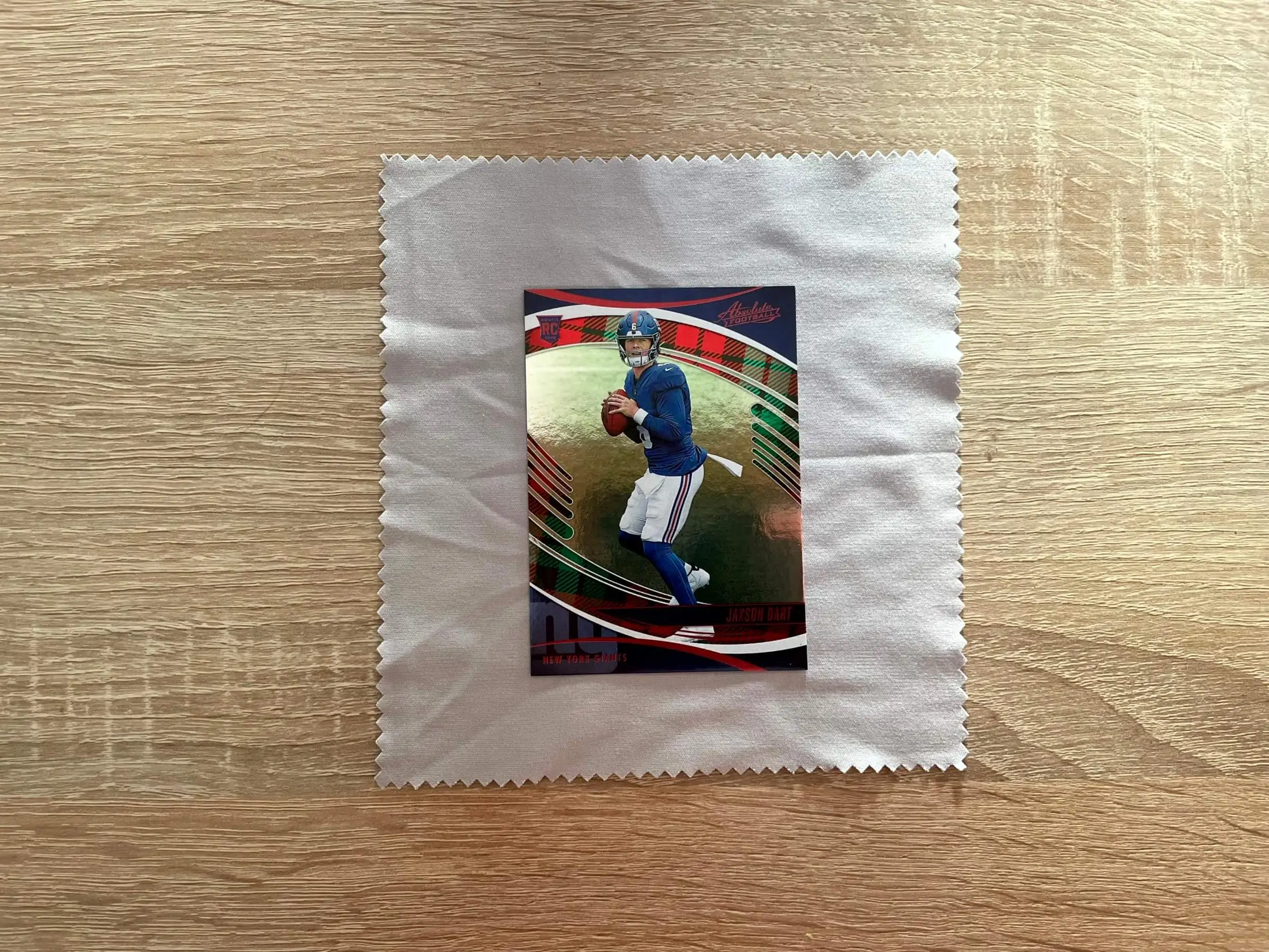
Set up your clean workspace
So you do not accidentally add damage while prepping.
You do not need a lab. You need a safe routine:
- Wash and dry your hands.
- Use a soft mat or clean towel as your work surface.
- Keep drinks and food away.
- Keep cards away from pets and open windows.
Prep each card
Inspect, sleeve, and load into holders. Take it slow.
This step is about not creating new flaws.
4.1 Inspect quickly
You do not need to be a grader, but you should check:
- Centering (front and back)
- Corners
- Edges
- Surface (tilt under a bright light)
If you want a full in-hand workflow, use: How to select cards to submit for grading.
4.2 Sleeve the card
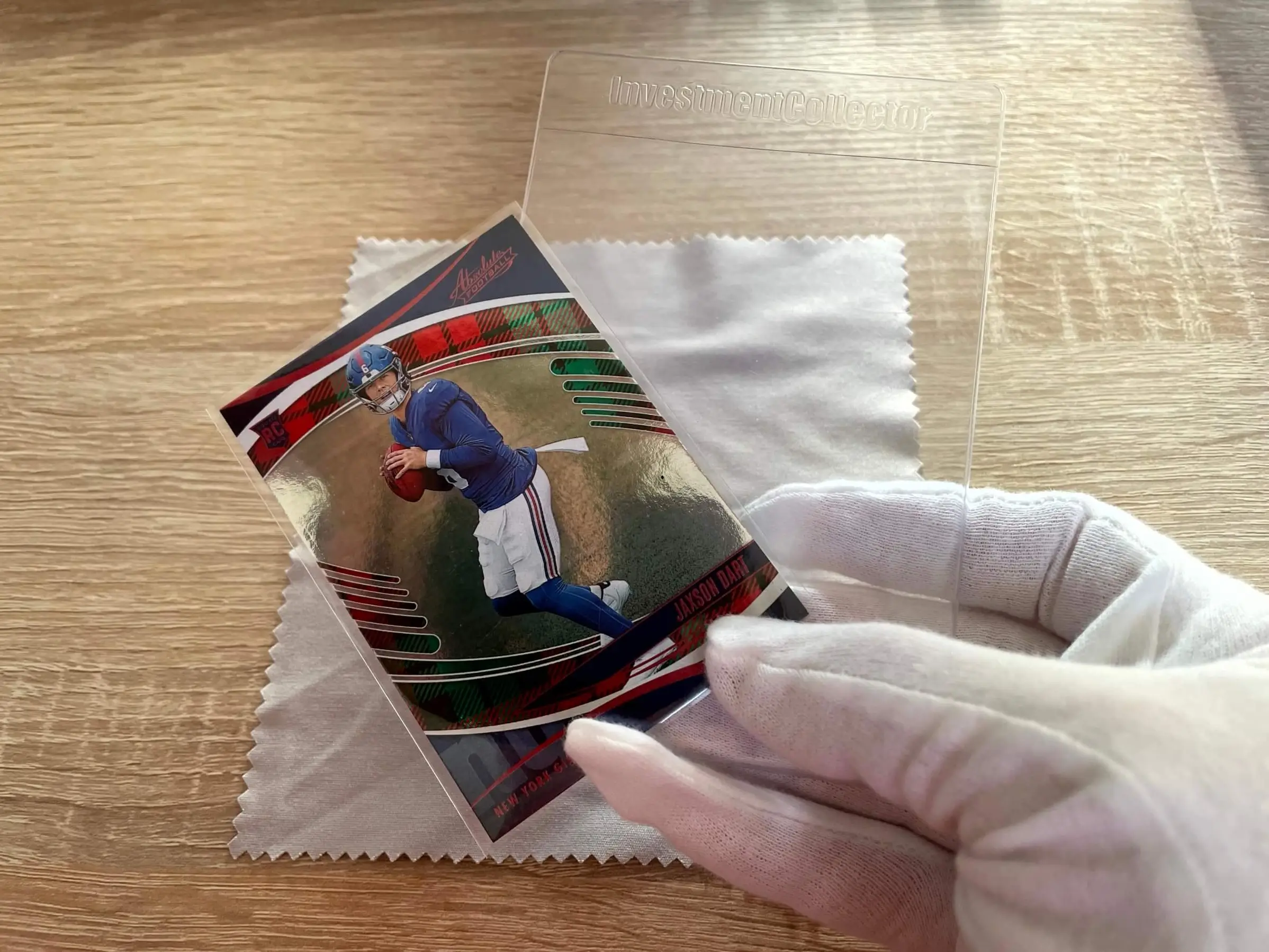
Hold the card by the edges. Open the sleeve with your fingers and slide the card in slowly.
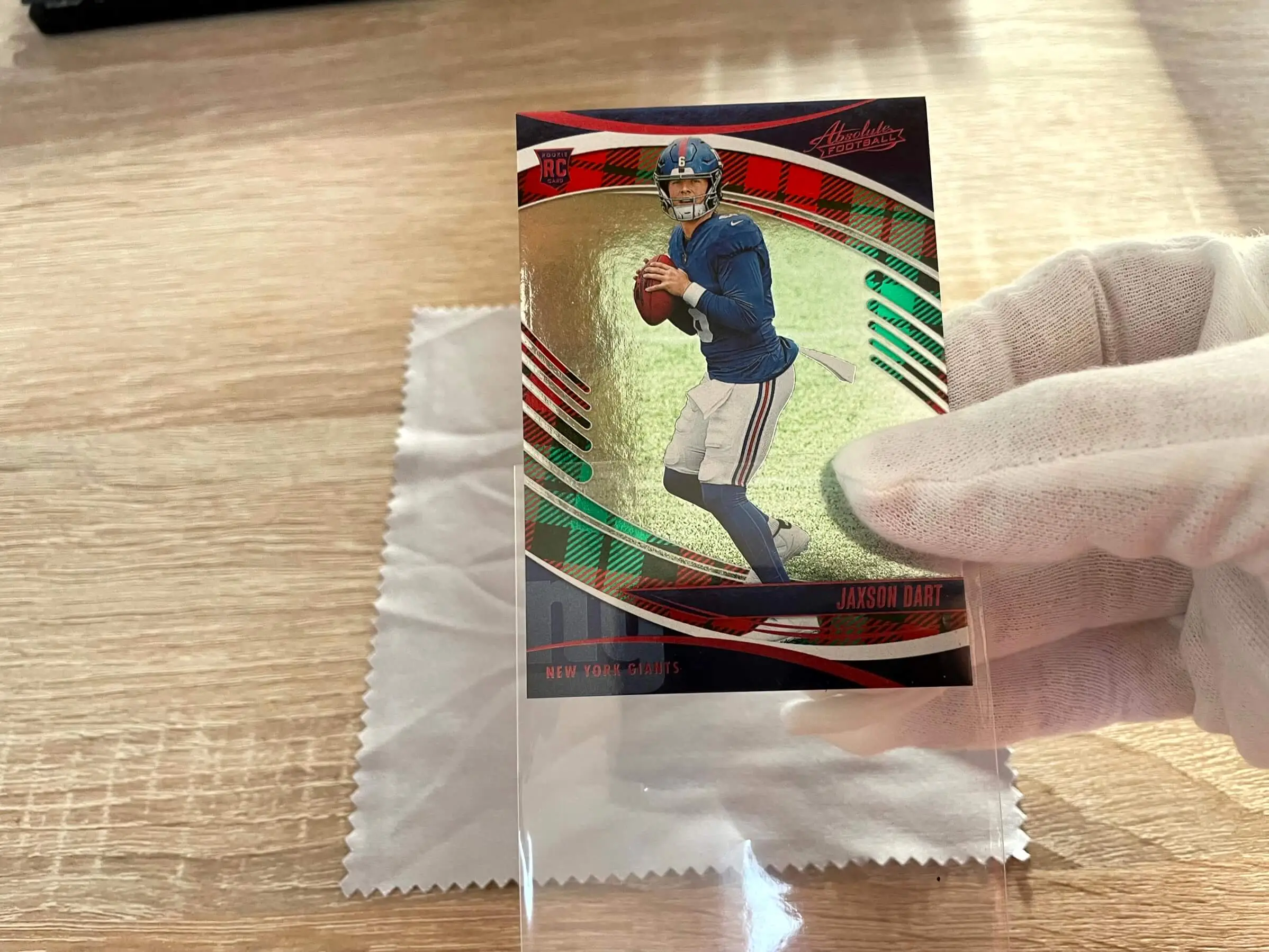
If you are unsure which cards need protection, read: Which cards should I sleeve?.
4.3 Insert into a semi-rigid holder
Semi-rigids can feel scary at first because they are snug. The trick is to widen the opening slightly without bending the card.
- Hold the semi-rigid holder open slightly (do not crease it).
- Keep the card flat inside the sleeve.
- Slide the sleeved card in slowly until it is fully seated.
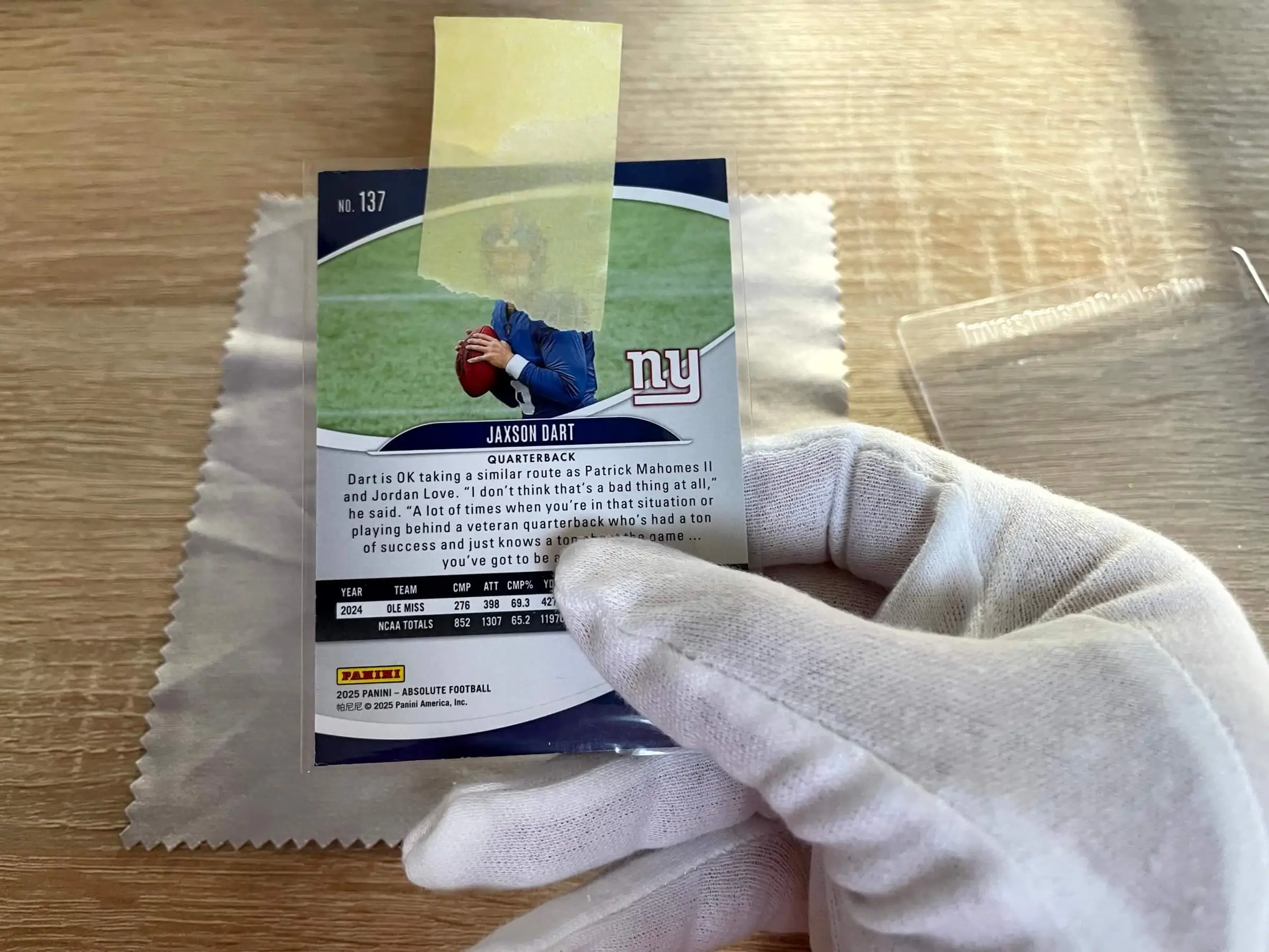
Optional: use a tiny piece of painter tape on the sleeve as a pull tab.
Pro Tip: The "Pull Tab" Trick
Use a small piece of painter tape to create a pull tab on the back of the penny sleeve. This allows the grader to pull the card out of the semi-rigid holder smoothly without digging their fingers in.
Do not do this:
- Do not ship raw cards with no sleeve
- Do not use brittle screw-down cases
- Do not stack loose top loaders in a box with room to slide around
Create your order in PSA's online submission center
Computer work. The goal is accuracy, not speed.
Two ways to submit:
- Manual submission: you enter the card details yourself.
- Assisted submission: PSA helps identify cards and suggests service levels.
If you are new, assisted submission can reduce errors. If you are experienced, manual can be faster.
PSA Online Submission Walkthrough
Step 1 of 6
Choose a Submission Goal
The first screen asks what you want to do with your collection. You can pick Grade with PSA, Sell on eBay, or Secure with PSA Vault. Each option shows a quick benefits list. Pick Grade with PSA to continue.
Choose the right service level
Service levels and pricing change over time, so always confirm the current options on PSA's website before you pay.
- Low to mid value cards: choose a service level designed for that value range.
- High value cards: choose a service level that matches the declared value and gives you the right insurance coverage.
If you need help deciding what to grade at all, use the value-first approach: Should you grade that card? A simple EV method.
Print your packing slip
Print the paperwork PSA asks for and keep it with your cards.
Match the card order to your submission list
This matters. PSA expects cards in the same order as your online list.
This is easy to mess up when you are tired.
- Put all prepped cards into one stack.
- Compare the stack to your online list.
- Re-order until it matches exactly.
Pack the cards
Tight, padded, no movement. One solid bundle inside one solid box.
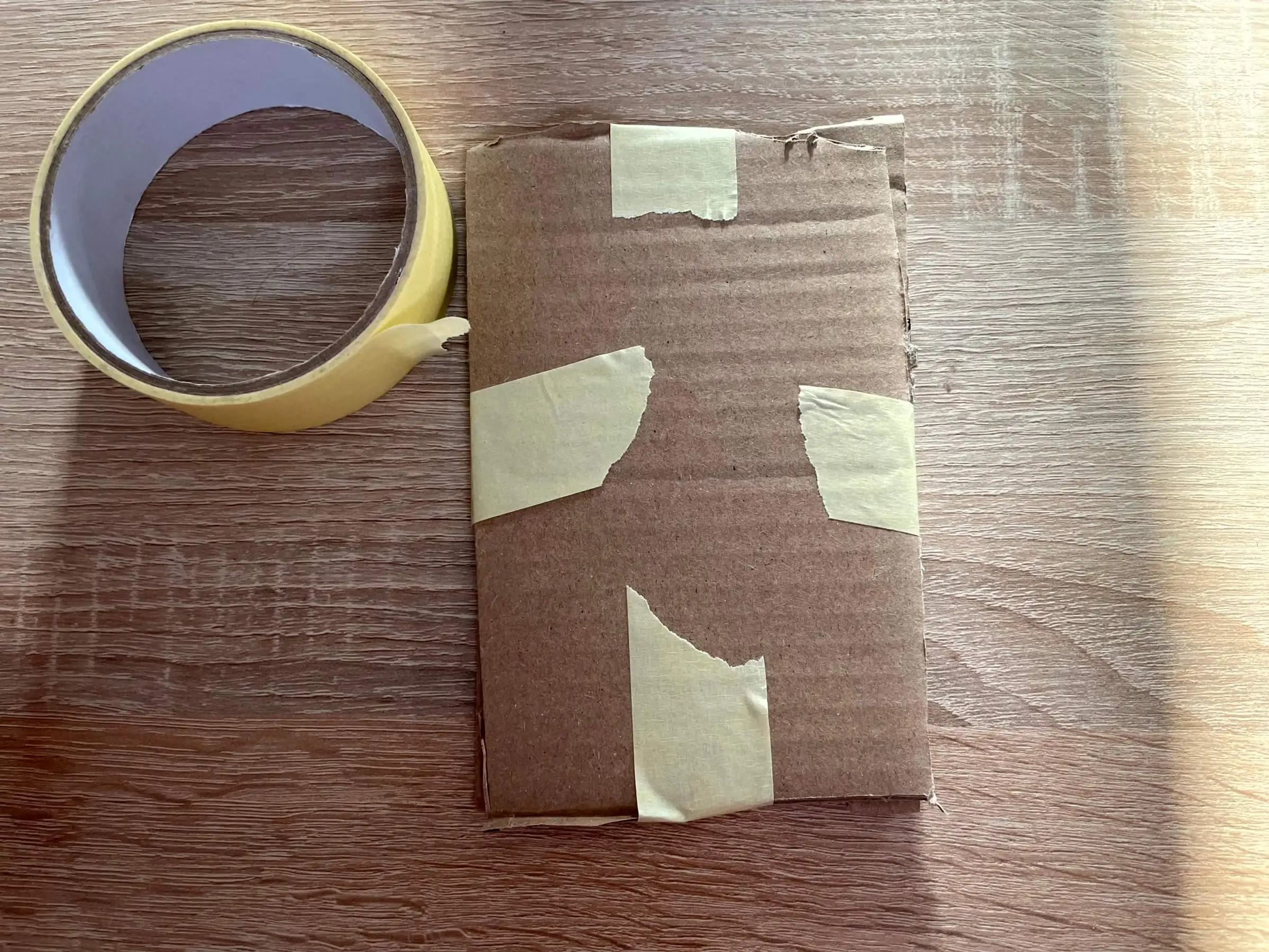
7.1 Build the cardboard sandwich
- Place the stack between two clean pieces of cardboard.
- Tape the cardboard edges so it stays closed.
- Do not tape over cards.
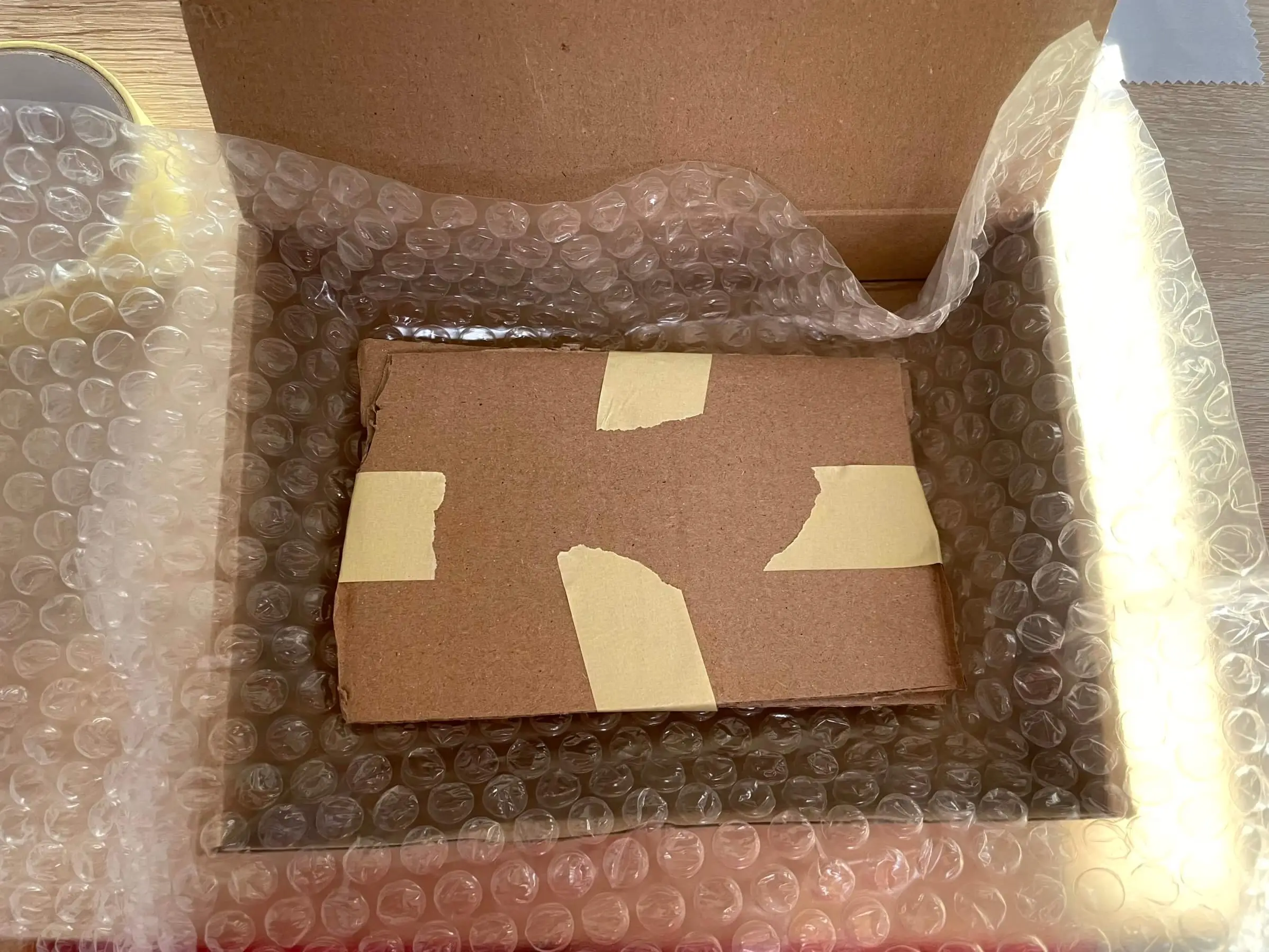
7.2 Bubble wrap until it feels rigid
Wrap the cardboard sandwich in bubble wrap. The goal is to stop shock and stop movement.
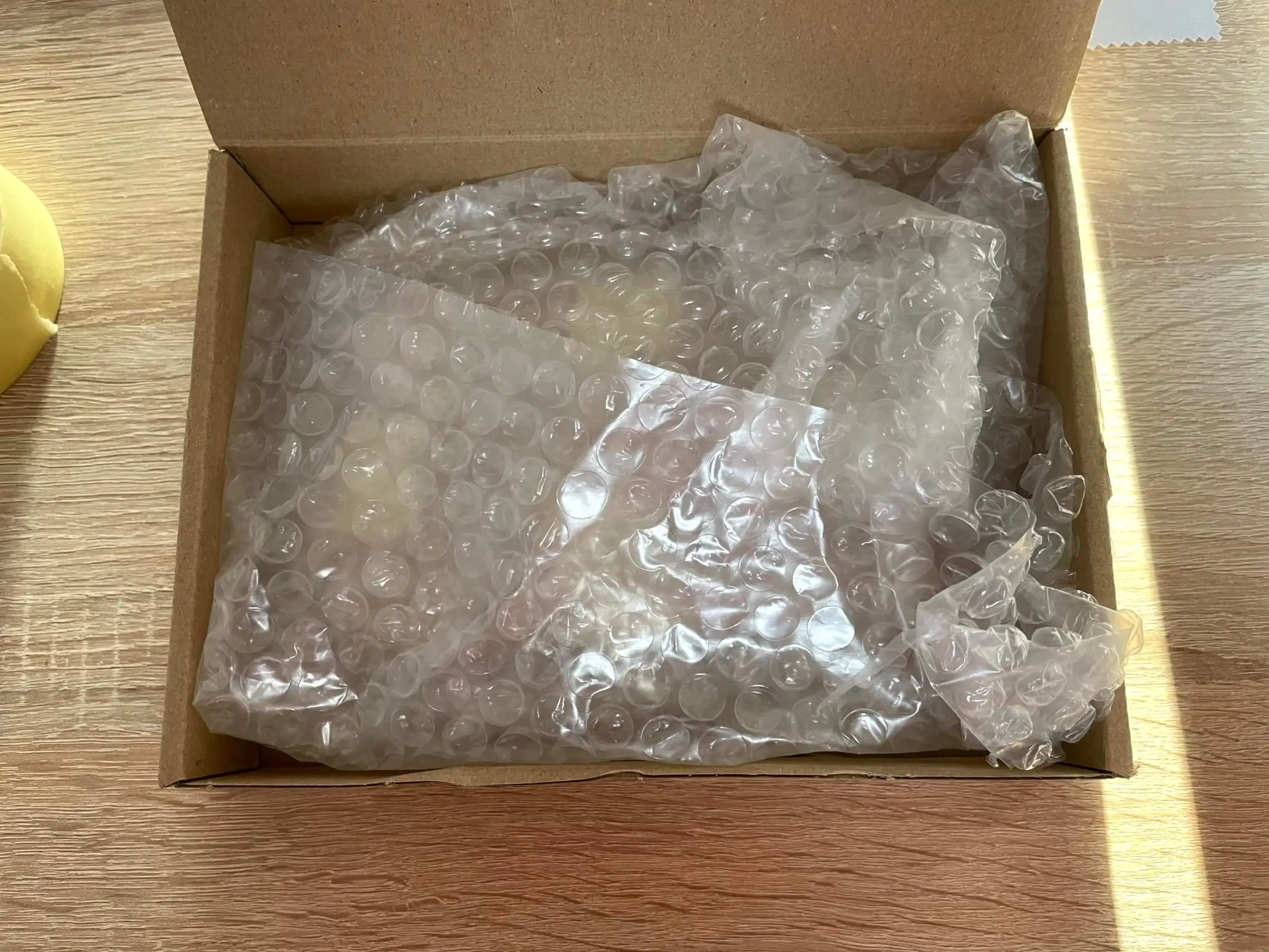
7.3 Put it in a strong box and remove empty space
Put the bundle inside a shipping box and fill any empty space so nothing can slide.
7.4 Add the paperwork and seal the box
Put your printed paperwork inside the box (separate from the bubble wrap if possible), then seal every seam with packing tape.
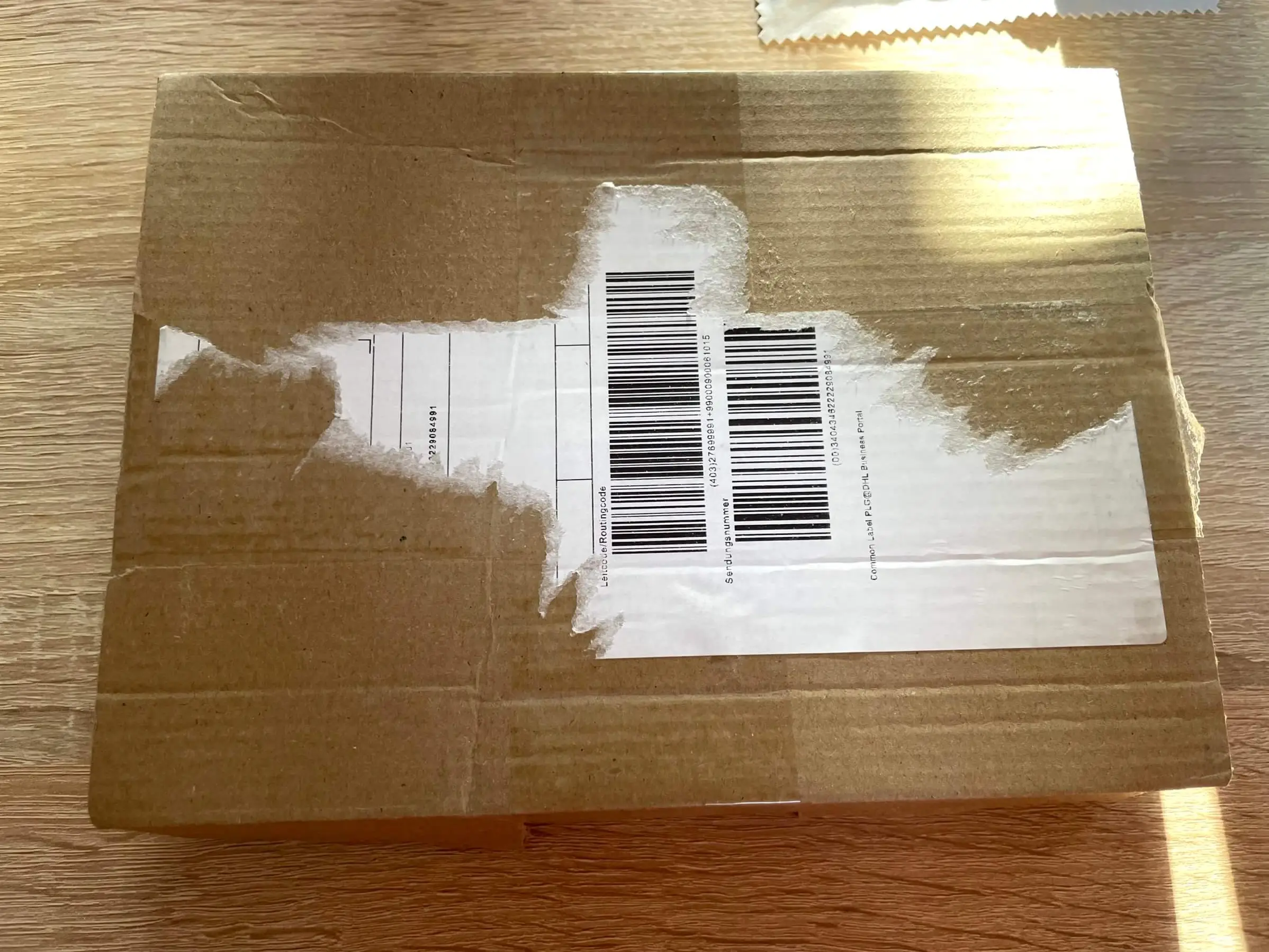
Ship with tracking and insurance
Always use tracking. Strongly consider insurance.
Practical tips:
- Take photos of your packed box before you ship.
- Save your receipt and tracking number.
- Track the package until it is delivered.
- Watch for status updates inside your PSA account after it arrives.
If you are buying graded cards instead of submitting, learn safety basics here: Fake PSA slabs: the 60-second check.
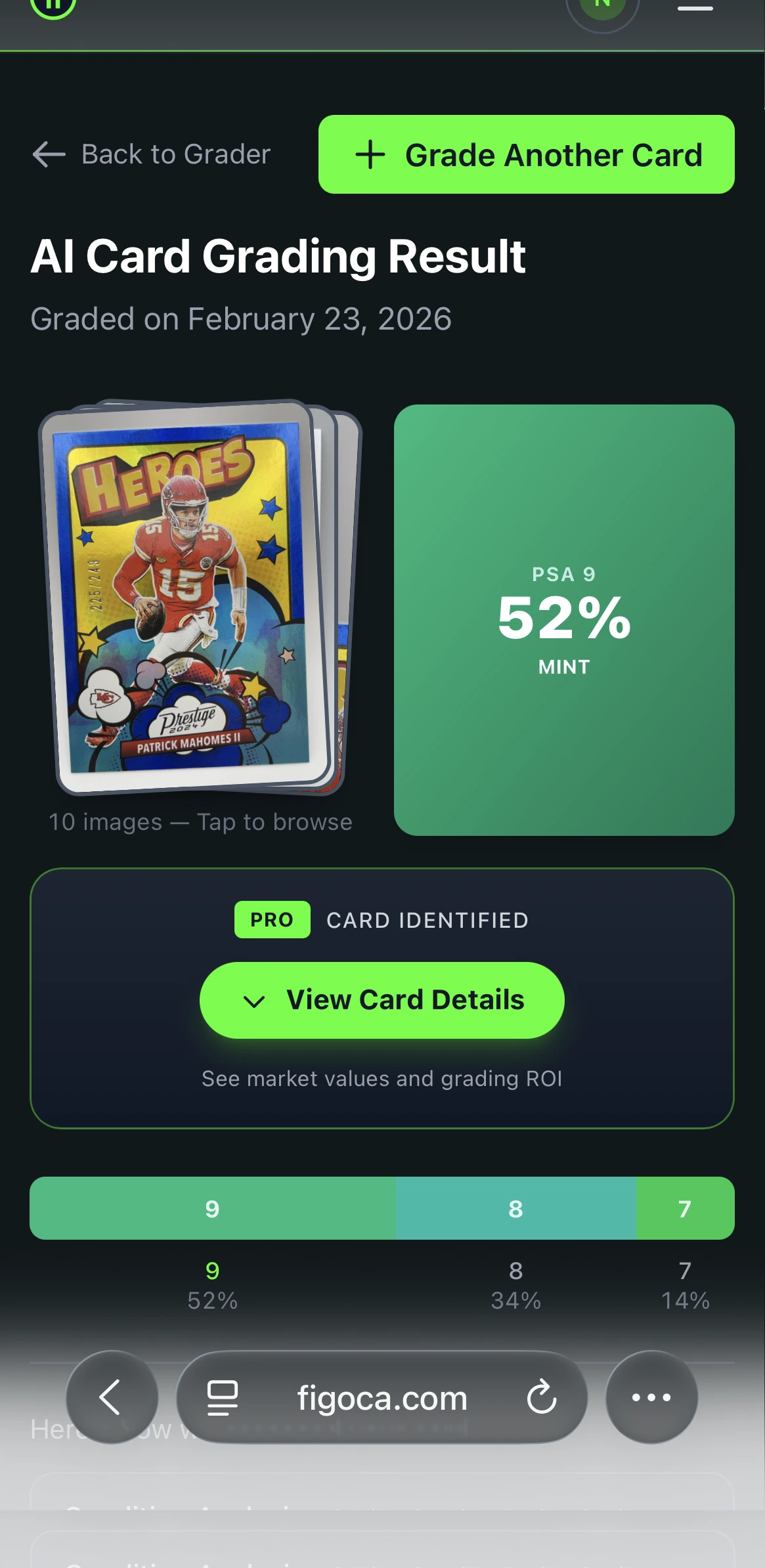
AI Card Grader
Know your card's grade before you submit
Snap a photo with your phone and get an instant AI-powered grade estimate. Check centering, corners, edges, and surface — just like the pros.
- Instant grade estimate
- Sub-grades for all 4 pillars
- Built-in ROI calculator
- Free to use
Common PSA submission mistakes (and how to avoid them)
This is the section that saves money.
- Submitting too many cards at once: start small so one mistake does not ruin a big batch.
- Using the wrong holders: semi-rigid holders are the safe default for PSA.
- Forcing cards into sleeves or holders: forced insertion can create corner whitening or bends.
- Touching the surface: fingerprints and light rubbing can add marks on glossy cards.
- Mixing up the card order: it creates confusion and can delay processing.
- Loose packing: movement inside the box is the enemy.
- Reusing weak boxes: old boxes can crush or split at seams.
- Using weak tape: seams can pop in transit.
- Underinsuring a high-value shipment: you want realistic coverage while it ships.
- Rushing the online entry: the easiest mistakes are typos and wrong variants.
- Guessing the variant: parallels matter, and mistakes can be expensive.
- Ignoring thick cards: thick cards are easier to ding and often grade lower.
- Cleaning aggressively: you can add scratches or haze.
- Submitting because of hype: price check with sold data first.
- No photos of your packed box: photos help if anything goes wrong.
Submitting to PSA outside the USA (EU/Germany notes)
If you live in the EU (including Germany), the steps are the same, but costs and risk can change:
- Shipping takes longer, so strong packing matters more.
- Insurance is more important because transit is longer.
- Customs and taxes can apply depending on how you ship and what services you use.
If you are unsure, consider a trusted middleman service in your region, and read their packing requirements carefully.
FAQ: PSA submissions (2026)
Do I need a PSA membership to submit cards?
Not always. PSA’s rules can change, and some submission options are open while others depend on membership or special programs. Check the current PSA submission center options before you start.
What holder should I use to submit cards to PSA?
Use a penny sleeve and then a semi-rigid holder (Card Saver I style). That is the most common, PSA-friendly setup.
Should I use top loaders for PSA submissions?
Most collectors avoid top loaders for PSA submissions because they can slow down handling and removal. Semi-rigid holders are the safer default.
Can I submit thick patch cards to PSA?
Yes, but inspect them carefully. Thick cards ding and chip easily, and high grades are harder to hit.
Should I clean my cards before submitting to PSA?
Be careful. Light dusting with a soft cloth can help, but aggressive cleaning can add scratches or haze. If you are not experienced, do less and focus on selecting cleaner cards.
Do I need gloves?
Gloves are optional. They can help on glossy cards because fingerprints and light rubbing can leave marks. Clean hands and edge-only handling can also work.
How do I decide which service level to pick?
Pick a service level based on the card’s declared value and your timing needs. Always confirm current service levels and pricing directly on PSA’s website.
What is declared value?
Declared value is your estimate of what the card is worth, usually tied to service level limits and insurance coverage. Choosing the wrong value can create issues, so be conservative and honest.
Will PSA adjust my fees if the graded value is higher?
PSA terms can allow fee adjustments if a card’s graded value exceeds the maximum insured value for the chosen service level. Review current PSA terms before submitting.
Do I need to keep the card order the same as my submission list?
Yes. Keeping the same order reduces confusion and helps processing go faster.
What is the most common packing mistake?
Leaving room for movement. Movement causes corner dings, edge chipping, and crushed holders.
Should I ship in a bubble mailer or a box?
A strong box is usually safer than a bubble mailer for semi-rigid holders, especially for larger batches.
Should I insure my PSA shipment?
Strongly consider it, based on what you would lose if the package disappears or is damaged. Insurance rules and options depend on your carrier and location.
What should I do after I ship the box?
Save your tracking, watch delivery, and then monitor your order status inside your PSA account once it is received.
How long does PSA take?
Turnaround depends on service level, backlog, and time of year. Always check PSA’s current estimates in the submission center.
How do I avoid buying fake PSA slabs while I wait for my submission?
Use cert lookup and physical checks. Start with this quick guide: Fake PSA slabs: the 60-second check.
Should I submit to PSA or another grading company?
It depends on your goals (resale, turnaround, slab preference). Compare in one place: PSA vs CGC vs BGS vs SGC.
What is the safest way to start as a beginner?
Start with one small submission, follow a repeatable packing method, and compare your expected grades to what you get back. Your second submission will feel much easier.
Sources
- PSA submission center
- PSA submissions overview and packing guidance
- PSA grading standards
- figoca: PSA grades explained
- figoca: How to select cards to submit for grading
- figoca: Penny sleeves explained
- figoca: EV grading calculator
Last updated: 2026-01-02

Card enthusiast, figoca founder, and independent software developer
Nico is a card enthusiast who built figoca after running into the same problems many collectors face: uncertain pre-grading decisions, too much tab switching for comps, and no fast way to price cards on the go. He is also a big Kansas City Chiefs fan (❤️💛), follows the Kansas City Royals (💙), and enjoys Formula 1 and Golf.
- Sports Card enthusiast
- Founder of figoca
- Independent software developer with a TypeScript and AWS background