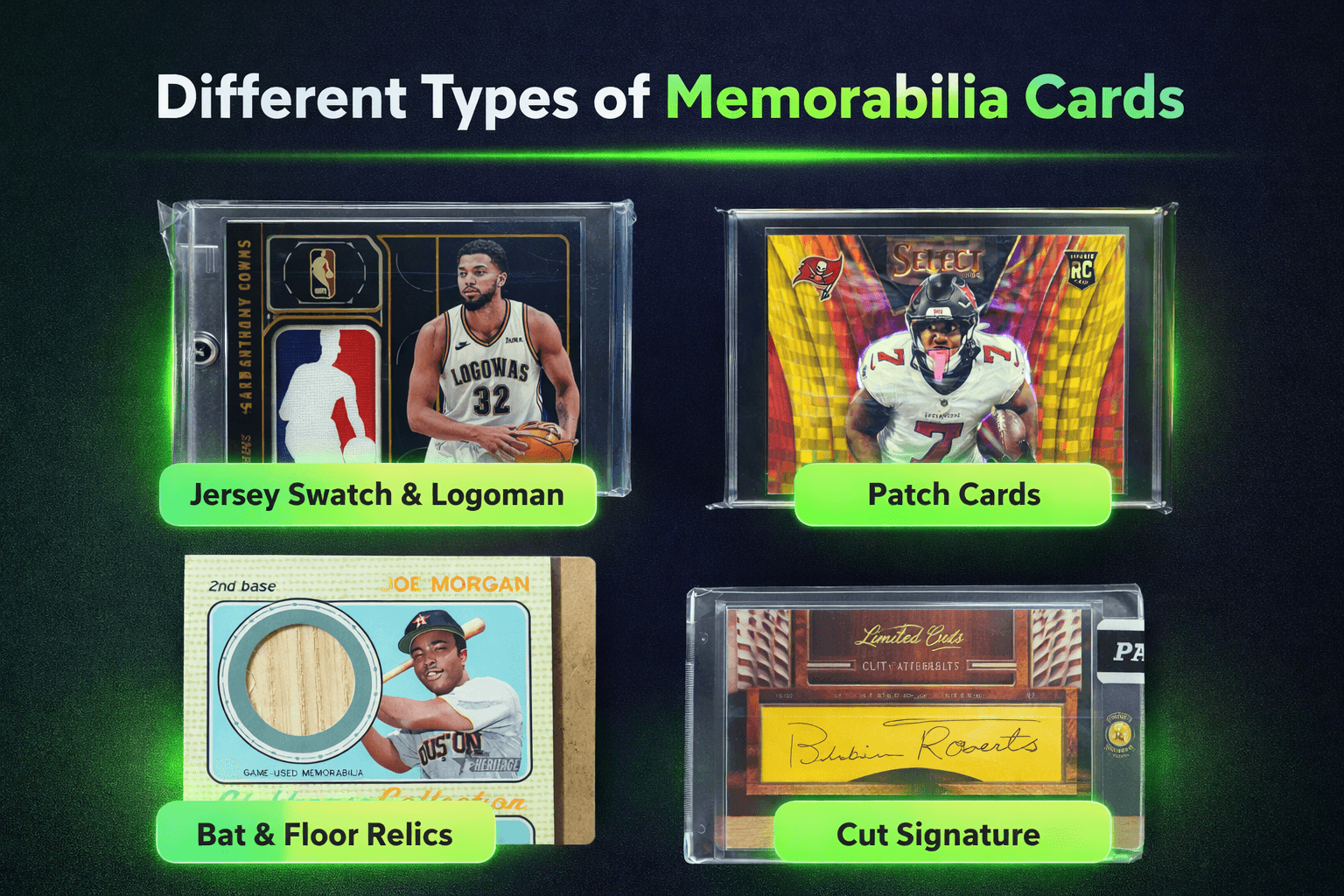
Different Types of Memorabilia Cards
Learn the different types of memorabilia cards, from jersey swatches to patch cards, and spot what adds value—explore the guide now.
As you pull cards from a pack, one feels different right away. It is thicker, denser, and clearly not a standard piece of cardboard. That is the appeal of memorabilia cards. Instead of being only a printed image, they include a physical item tied to the sport, the player, or the event itself.
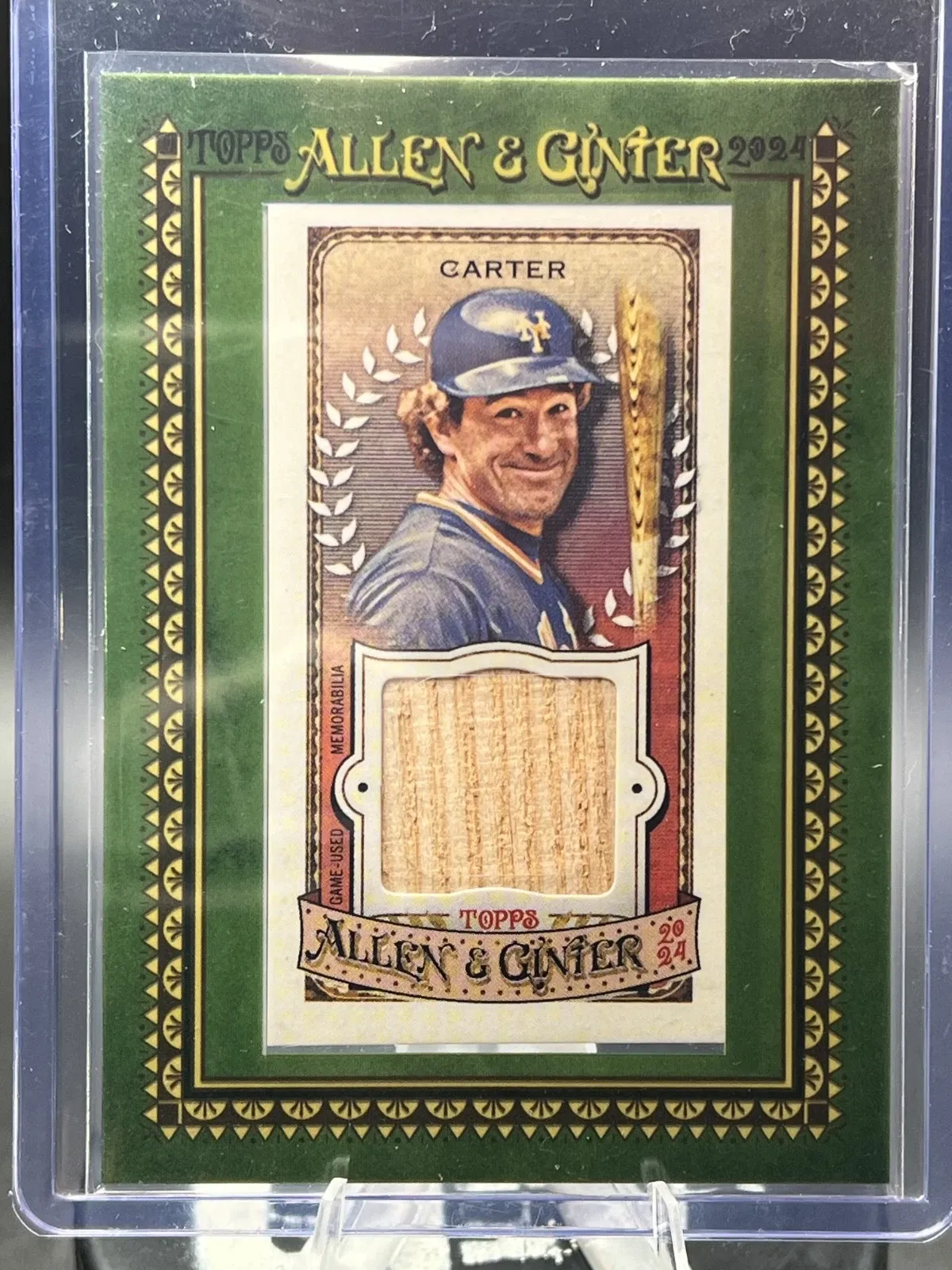
Think of them as miniature portable museums. Card manufacturers build these cards with a cutout window that displays a piece of material such as jersey fabric, a patch, bat wood, or even part of the playing surface. The different types of memorabilia cards are more than collectibles with nice photography. They are physical connections to the game.
Because they contain real material, memorabilia cards are usually much thicker than standard cards. Thickness is commonly measured in points, which helps collectors choose the right protection. While an AI card grading app can help assess corners, edges, and surface wear, the main appeal of these cards often comes from the relic itself.
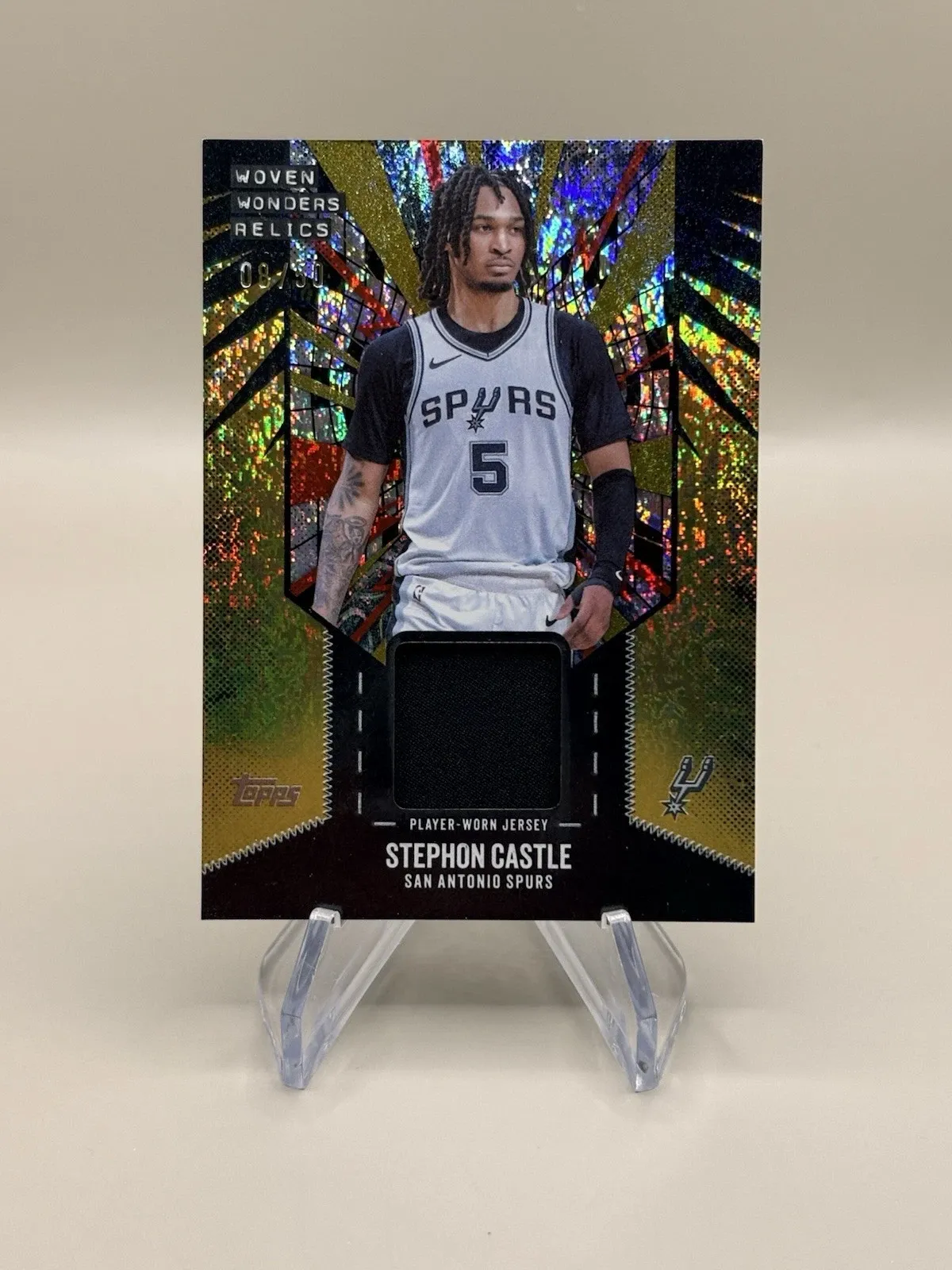
The Jersey Swatch: Why This Piece of Fabric Is a Hobby Staple
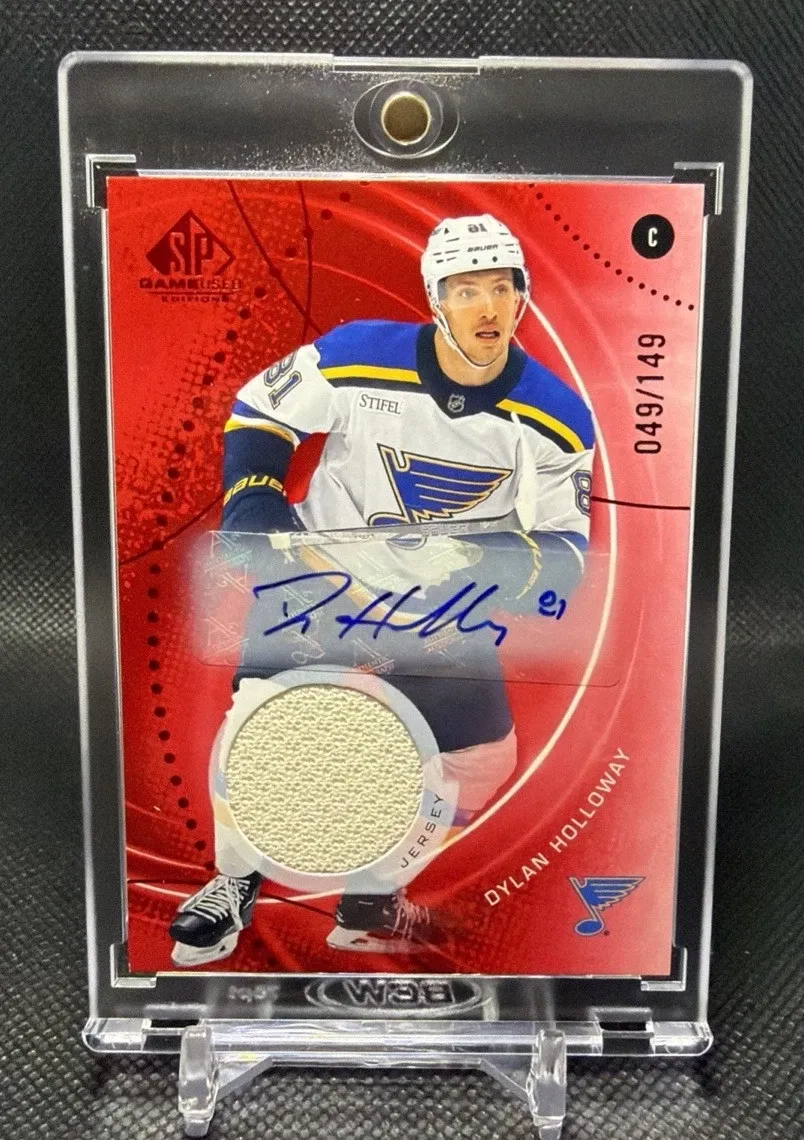
Jersey cards are the most common entry point into memorabilia collecting. Manufacturers cut small fabric squares from uniforms and place them inside a card window. That simple addition turns a standard trading card into something that feels more tangible and personal.
Most jersey swatches are a single solid color. That is not surprising, because most sports uniforms are made up mostly of plain fabric rather than logos, nameplates, or numbers. Common jersey swatch variations include:
- Home white: A clean white section of mesh or polyester
- Away color: A solid team road color such as blue, red, or black
- Alternate uniform: A swatch from a special event or alternate jersey design
These cards are thicker than standard cards, so corners and edges are more vulnerable to damage. Many collectors inspect them carefully before buying or selling, and some use an AI card grader to preview condition more objectively.
If you are also learning how to judge card quality in online listings, this guide on how to evaluate a sports card based on photos is a useful companion.
The Game-Used Trap: Reading the Fine Print on the Back
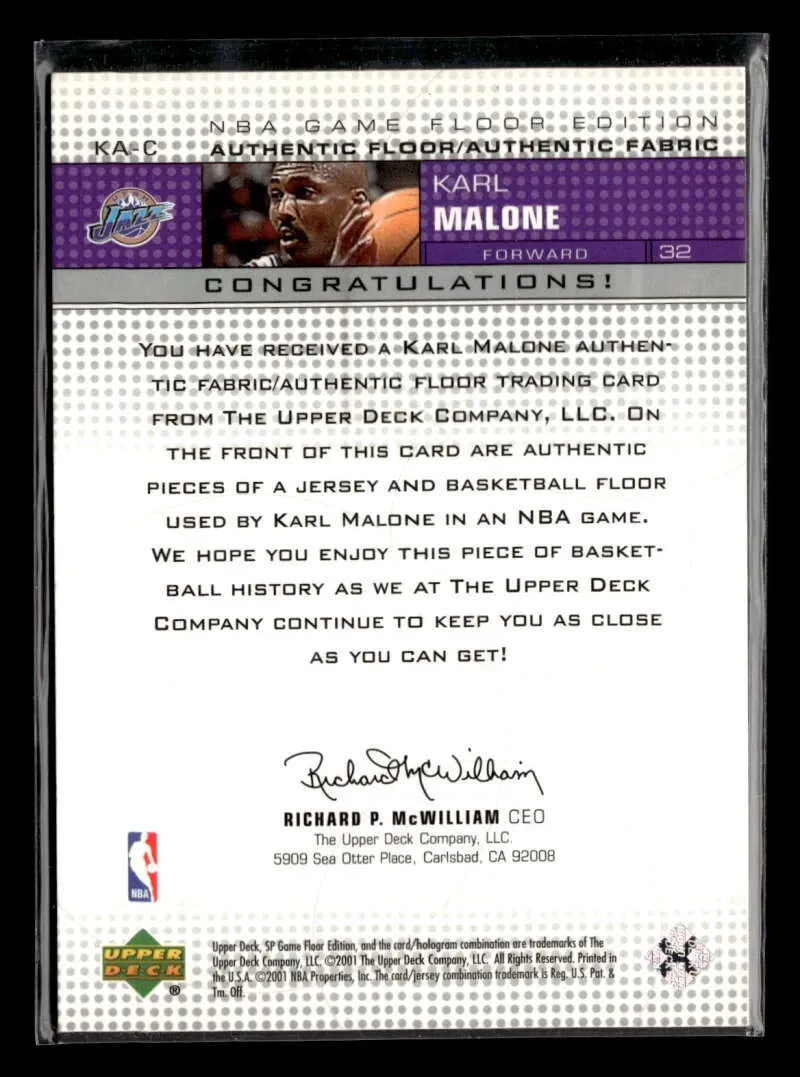
The front of a memorabilia card gets the attention, but the back often tells you the most important part of the story. Manufacturers usually print a relic statement explaining what the embedded material actually is.
This wording matters a lot. The three most common categories are:
- Game-used or game-worn: The player used or wore the item during an actual game
- Player-worn or event-worn: The player wore it, but often only at a photo shoot, rookie event, or promotional appearance
- Not from any specific game or event: The material is authentic, but not tied to a specific use case
Collectors generally value game-used memorabilia highest because it has the strongest direct connection to actual competition. Event-worn and generic relic language usually carries less prestige.
This is one of the most misunderstood parts of memorabilia collecting. A flashy patch card can still be less desirable than a simpler relic if the wording on the back is weaker. That is why experienced collectors always read the fine print before buying.
For anyone thinking about grading high-end memorabilia cards later, the grading companies hub and the specific PSA page are useful next steps.
Patch Cards vs. Standard Swatches: The Multicolor Hunt
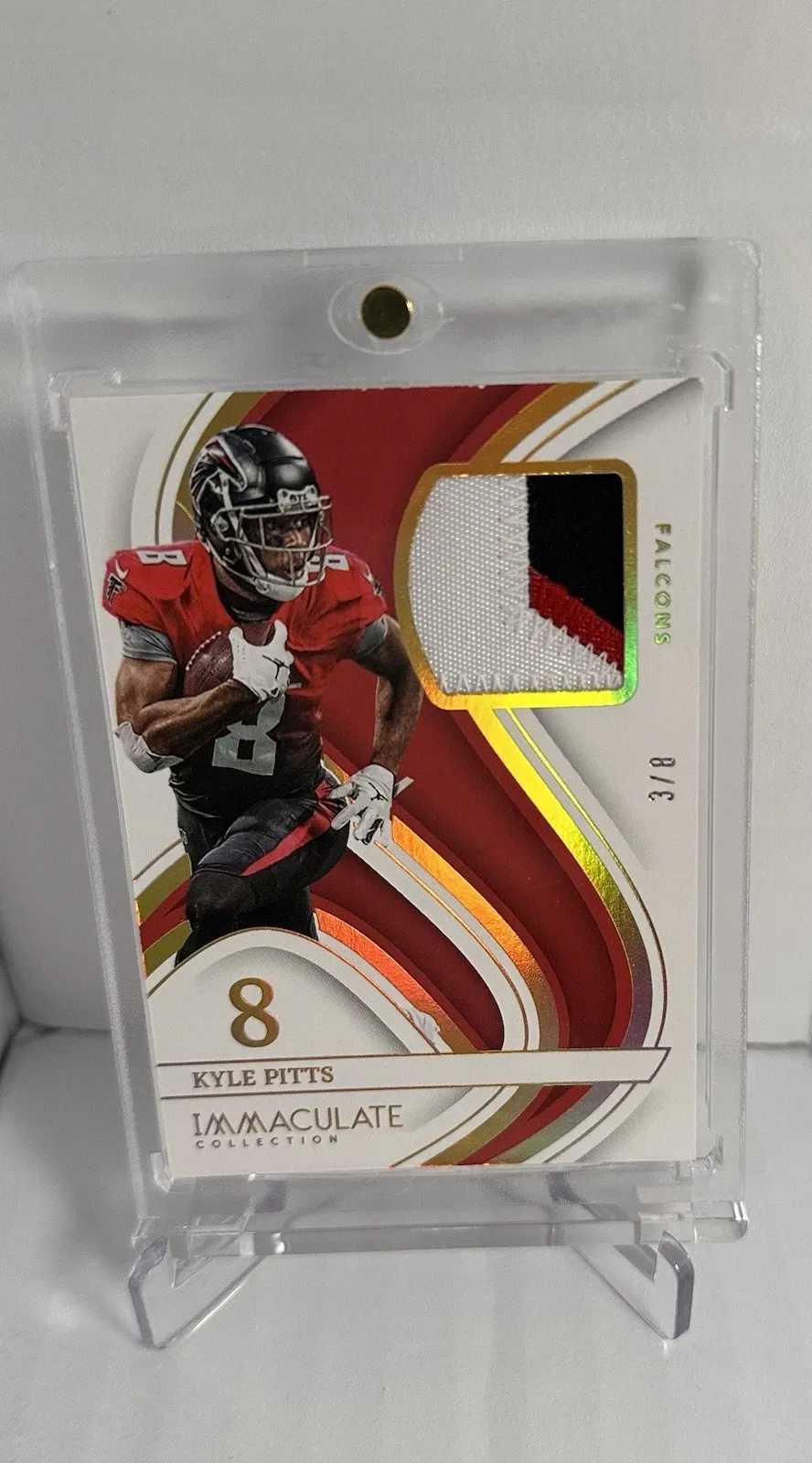
Standard swatches are popular, but patch cards usually command more attention and more value. A patch card contains a piece of the uniform from a logo, number, nameplate, or another visually distinct area rather than just plain fabric.
Because those sections make up only a small part of a uniform, patch cards are much scarcer than regular swatches. Collectors often look for visual details that make the relic stand out, including:
- Color breaks: Where one team color changes into another
- Stitching: Raised threads from numbers, letters, or logos
- Recognizable design segments: Part of a logo, mascot, or letterform
The top tier of this category includes cards built from laundry tags, manufacturer labels, or league logos. These are often among the most desirable memorabilia cards because there may be only one such tag on the entire jersey.
If you want a better framework for understanding how condition still affects value even on thick relic cards, PSA grades explained is a good internal reference.
Beyond the Jersey: Collecting Bats, Balls, and Stadium Floors
Fabric is only one part of the memorabilia-card world. Manufacturers also embed hard materials into cards, giving collectors a literal piece of the equipment or venue.
Some of the best-known examples include:
- Baseball bat relics: Thin wood slivers or circular bat-barrel cuts
- Basketball floor relics: Painted hardwood pieces from a court
- Hockey puck relics: Slices of game-used puck material
These cards expand the hobby beyond uniforms and show how wide the category has become. In some products, manufacturers combine multiple materials into one card. A dual relic might include both a jersey swatch and a bat piece, while higher-end cards can feature three or four relic windows.
These unusual combinations can increase collector appeal, especially when paired with low serial numbering. If you are comparing how scarcity influences card value more broadly, sports card market trends: what collectors should watch is relevant context.
AI Card Grader
Know your card's grade before you submit
Snap a photo with your phone and get an instant AI-powered grade estimate. Check centering, corners, edges, and surface — just like the pros.
- Instant grade estimate
- Sub-grades for all 4 pillars
- Built-in ROI calculator
- Free to use
Rarity Boosters: Multi-Swatches and Serial Numbering
Serial numbering and multiple relic windows are two of the biggest value drivers in memorabilia cards. If you see a gold stamp such as 24/99, that means only 99 copies of that exact version were produced.
Lower print runs usually increase scarcity and collector demand, especially when paired with strong player selection or better relic quality.
Cards can also become more desirable when they contain more than one memorabilia piece. Examples include:
- Dual relics with two swatches
- Triple relics with three windows
- Quad relics featuring multiple players or multiple materials
A multi-swatch card with player-used material, good visual appeal, and a low serial number usually carries far more interest than a mass-produced single-color relic.
Collectors who want to avoid overgrading low-upside cards can pair condition review with an EV grading calculator. That is especially helpful for thick memorabilia cards, where corner and edge wear can hurt value fast.
History and Hollywood: Non-Sports Memorabilia Card Types
Memorabilia cards are not limited to sports. Entertainment products have expanded the category into film, television, and history.
Common non-sports memorabilia card types include:
- Movie costume cards: Fabric from costumes worn on set
- Prop cards: Pieces of set design, props, or special effects materials
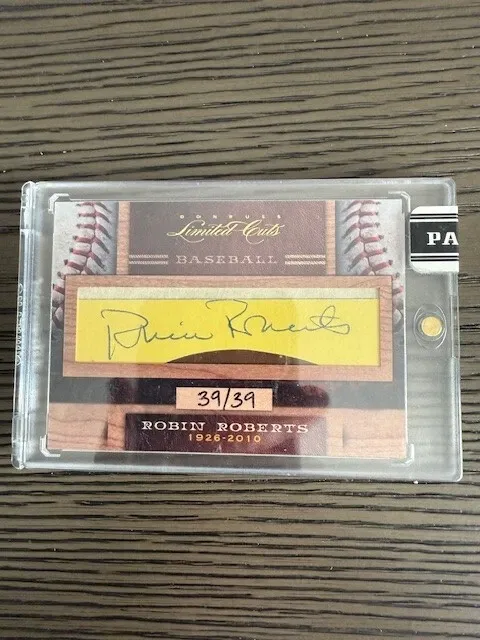
- Cut signature cards: Authentic signatures removed from documents and embedded into cards
These cards attract collectors who may not care about sports at all but still want a physical link to a film, celebrity, or historical figure. In the case of cut signatures, trust and authenticity are essential because the source material is permanently altered during production.
If your article structure benefits from related hobby education content, the glossary hub is also a sensible internal link destination.
Using Technology to Verify and Value Your Relics
Condition can be harder to judge on memorabilia cards than on standard cards. The added thickness creates stress points around the relic window, and corners are more likely to fray or lift.
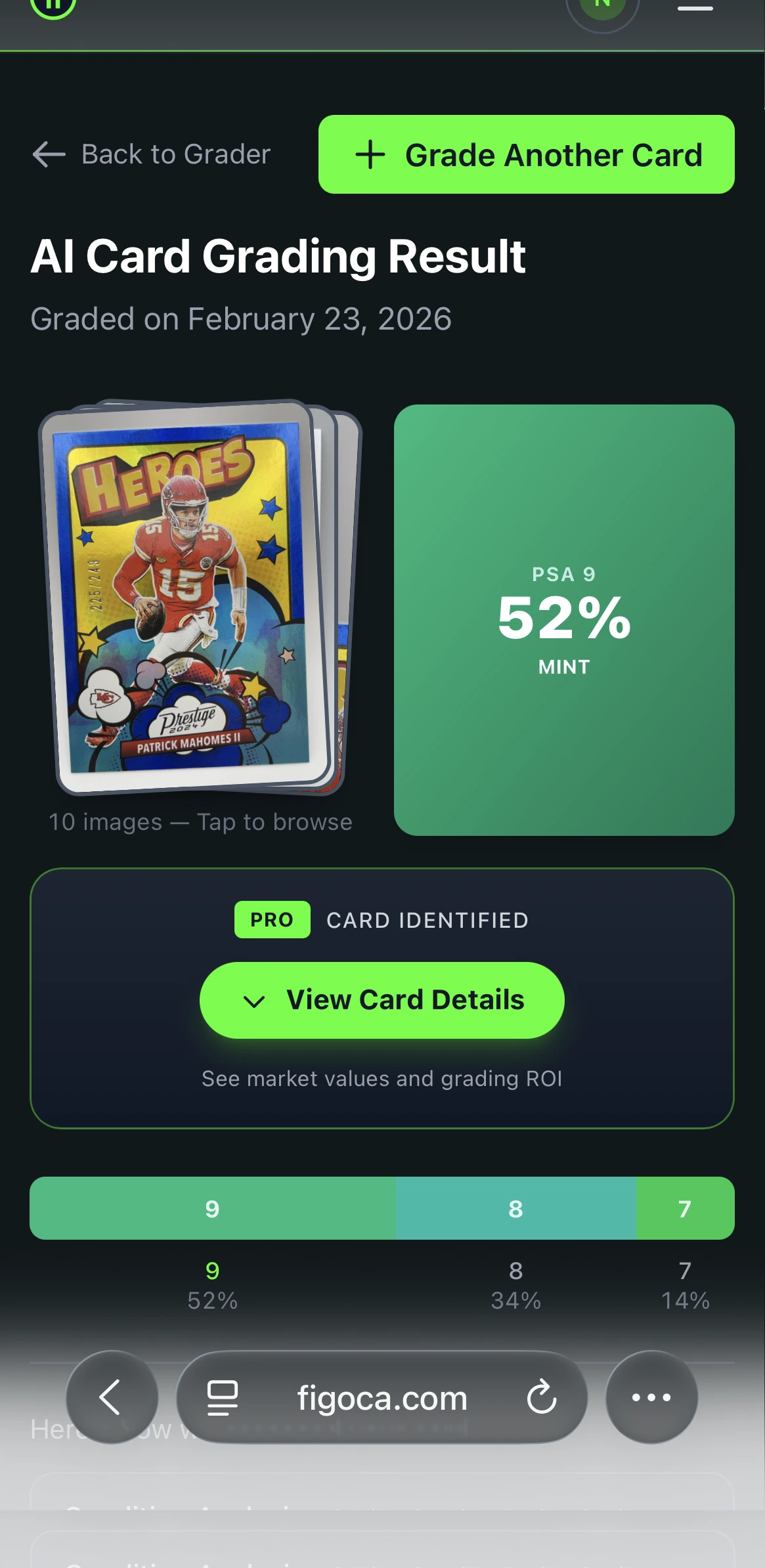
That is where an AI trading card grading tool can help. It can support a more objective condition review by analyzing visible wear on corners, edges, and surfaces in high-resolution images.
Technology can also help with market context. A modern AI card grading app combined with comps research can help collectors understand whether a thick relic card is worth grading, holding, or selling raw.
For broader value research, the comps hub is one of the most relevant destinations from your sitemap.
Storing Your Treasures: Protective Cases for Thick Relic Cards
A thick memorabilia card should never be forced into a standard sleeve or top loader. Doing that can damage corners, compress the relic window, or even split the holder.
Collectors usually measure thick cards in points:
- 35pt: Standard base card thickness
- 75pt to 130pt: Common range for jersey and relic cards
- Above 130pt: Extra-thick premium memorabilia cards
Once you know the thickness, the safest options include:
- Thick card sleeves: Designed for larger openings and safer insertion
- 130pt top loaders: Good for many standard relic cards
- Magnetic cases: Better for higher-value patches and display cards
If you are looking for adjacent educational content, this guide on types of penny sleeves can help with basic protection concepts, even though thick relics usually require larger supplies.
figoca extension
Get card comps on eBay in seconds
See comps directly on eBay listings and search results. Save time, avoid overpaying, and learn faster while you browse.
- Comps inline on item and search pages
- Automatic card detection and parsing
- Fast, privacy-first, and free
- Built for newcomers and hobbyists
Your Action Plan for Collecting Authenticated History
Once you understand the different types of memorabilia cards, the category becomes much easier to navigate. You can tell the difference between a basic jersey swatch and a premium multicolor patch, recognize why game-used wording matters, and spot how serial numbering affects value.
Before you buy, always do three things:
- Check the relic type to see whether it is a swatch, patch, bat, floor, puck, or something rarer
- Read the back to verify whether it is game-used, player-worn, or generic memorabilia
- Review the condition of corners, edges, and the relic window before paying premium prices
If you want a fast way to review condition and reduce guesswork, start with the figoca AI card grading app before your next memorabilia-card purchase.

Card enthusiast, figoca founder, and independent software developer
Nico is a card enthusiast who built figoca after running into the same problems many collectors face: uncertain pre-grading decisions, too much tab switching for comps, and no fast way to price cards on the go. He is also a big Kansas City Chiefs fan (❤️💛), follows the Kansas City Royals (💙), and enjoys Formula 1 and Golf.
- Sports Card enthusiast
- Founder of figoca
- Independent software developer with a TypeScript and AWS background