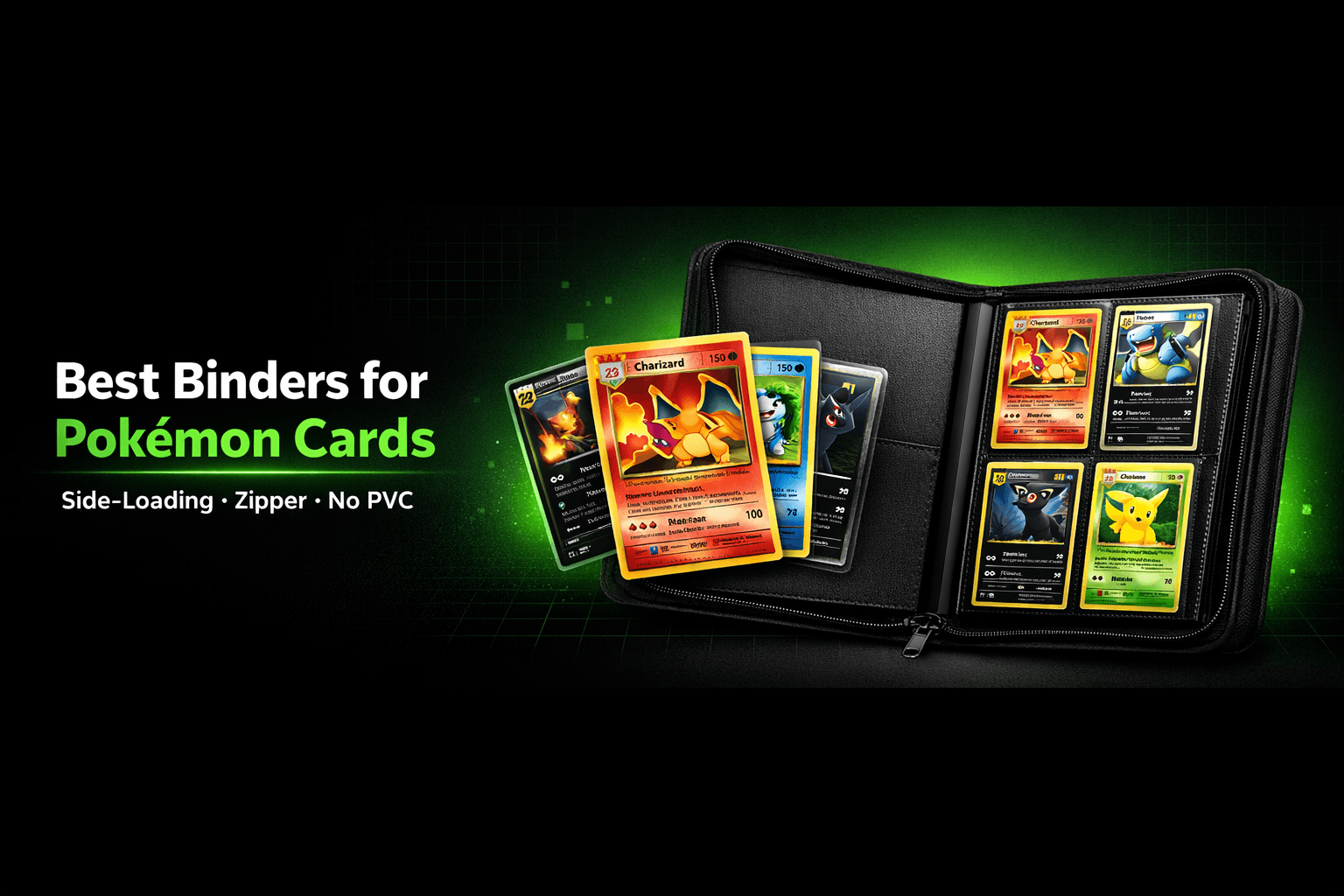
Best Binders for Pokémon Cards (Side-Loading, Zipper, No PVC)
Protect your Pokémon cards the right way. The best binders with side-loading pockets, zipper closures and PVC-free pages to keep your collection safe and mint-condition for years.
Imagine carrying a brand-new smartphone without a case; that is exactly how many collectors treat their rare holographic cards. Because condition is the only factor separating a five-dollar card from one worth hundreds, using the wrong storage isn't just messy — it is a financial risk. A single valuable card often costs more than a premium binder, meaning the right protection pays for itself immediately.
While standard 3-ring binders from the school aisle seem convenient, they pose a hidden danger known as "ring bite." When these binders are closed, the metal rings often press into the cards closest to the spine, leaving permanent dents that instantly ruin a card's grade and value.
Beyond mechanical damage, chemical safety is equally critical for long-term protection. Cheap plastic sleeves containing PVC act like sticky kitchen wrap, slowly degrading over time to bond with the card's surface and strip away the ink. To avoid this heartbreak, industry standards demand "archival-safe" materials that preserve the paper rather than destroy it.
To secure your investment, you need the "Safe-Binding" trifecta found in the Best Binders for Pokémon Cards: side-loading pockets to prevent spills, a sturdy zipper for dust protection, and No PVC materials. This setup ensures your collection passes the "Backpack Test," keeping cards pristine even when rattled around in a bag.
Ultra Pro Pokémon Charizard 9-Pocket Full-View Binder
Red 9-pocket binder with Charizard cover for storing and displaying Pokémon cards. Archival-quality pages and durable construction help protect your collection.
1K+ bought in past month
The 'Sticky' Truth About PVC: Why Acid-Free Polypropylene is Non-Negotiable
Have you ever opened an old photo album and found the pictures permanently stuck to the clear plastic overlay? That same heartbreak can happen to a Pokémon collection if it is stored in pages made with PVC (Polyvinyl Chloride). While these sheets are cheap and flexible, they contain chemical softeners that act like a slow-moving liquid. Over time, this invisible residue doesn't just sit on the surface; it reacts with the card, causing the ink to lift off the paper and fuse with the plastic binder page.
This process, technically known as plasticizer migration, essentially turns the card's artwork into part of the plastic sheet. If you try to pull the card out later, the image often peels right off, destroying the card's value instantly. To prevent this, you must look for materials labeled "acid-free." Acid-free supplies are chemically stable, meaning they act like a museum-quality shield that won't fade bright colors or yellow the cardstock over the years.
The industry standard for safe storage is a material called Polypropylene. Unlike PVC, this material is naturally flexible without needing harmful chemical additives. It provides a crystal-clear view of your collection while remaining chemically inert — it simply refuses to react with the paper or foil of your cards. Switching to this material is the single most important step you can take to ensure a favorite Charizard looks just as shiny in ten years as it does today. If you are unsure about the binder pages you currently own, you can perform a quick "safety audit" using these three checks:
The Smell Test: PVC often has a strong, chemical "pool float" or shower curtain smell, while safe polypropylene is odorless.
The Texture Check: Safe pages usually feel stiffer and crinkle slightly, whereas PVC feels rubbery, soft, or oily to the touch.
The Label Look: Always check the packaging for "PVC-Free" or "Acid-Free" — if the manufacturer doesn't brag about it, the product is likely unsafe.
With chemical dangers resolved, the next priority is physical design — specifically, how pockets keep cards from sliding onto the floor.
4-Pocket Trading Card Binder, 400 Cards, Red
PU leather binder with zipper and 50 removable sleeves. Holds up to 400 cards in 4-pocket pages for organized storage.
4K+ bought in past month
Why Side-Loading Pockets Beat Top-Loaders for Card Security
Picture the typical school binder scenario: you grab it hastily, hold it upside down, and suddenly your papers slide out onto the floor. While this is annoying with homework, it is disastrous for a Pokémon collection. Standard top-loading pockets rely entirely on gravity to keep contents in place, making them risky for anyone who travels with their cards in a backpack. If the binder tips over during transit, there is nothing stopping your valuable cards from sliding right out of the top, leading to bent corners or lost items.
Side-loading pages solve this mechanical flaw by positioning the pocket opening toward the binder's spine rather than the top edge. This design creates a natural security system — once you slide the card in and close the covers, the spine acts as a physical wall that blocks the opening. This friction-fit security means that even if the binder is held upside down or shaken, the cards remain safely nestled inside. This is the primary reason why side-loading binders are better for cards than their office-supply counterparts.
Protection extends beyond just keeping the cards inside the pages. Because dust and debris naturally settle downward, top-loading pockets often act like funnels that trap grit against the card surface. Over time, these tiny particles create friction that damages the glossy finish, which is why side-loading is essential for protecting holographic cards from scratches. With the pockets sealed against the spine and the entry point perpendicular to falling dust, your collection stays cleaner. Yet, even the most secure pocket cannot protect a card if the binder's own metal rings start to crush it.
Avoiding the 'Ring Bite': Why Ringless Binders Prevent Permanent Dents
Most of us grew up using standard O-ring binders for school, so it feels natural to grab one for organizing a new collection. However, these metal loops pose a serious mechanical threat known to collectors as "ring bite." When a standard binder is overfilled or closed carelessly, the round metal ring can press directly into the column of cards closest to the spine. This pressure creates permanent, U-shaped dents on your cards, instantly ruining their condition and appeal.
If you are committed to using a ring binder, opting for a "D-ring" mechanism offers slightly better protection than standard O-rings because the flat side prevents pages from slipping under the curve. However, the absolute best method for preventing card warping in ring binders is removing the rings entirely. A premium 9-pocket fixed page binder uses a bound spine, similar to a high-quality hardcover book or photo album. Because the pages are sewn or welded directly into the cover, there is zero risk of metal crushing your cards, no matter how the binder is stored.
Choosing between these options often comes down to a trade-off between flexibility and security:
Standard O-Ring: Inexpensive and allows you to add pages, but carries the highest risk of denting cards.
D-Ring: Better page alignment and reduces curling, but still poses a risk if the binder is overfilled.
Fixed-Page (Ringless): Zero risk of ring damage and lies perfectly flat, though you cannot add more pages later.
Switching to a bound binder creates a sleek, professional look while eliminating the bulk associated with office supplies. Your cards sit flat, turn smoothly, and never catch on a misaligned metal clasp. Once you have secured the internal structure with fixed pages, the final step in total protection is ensuring nothing can sneak in from the sides.
TopDeck 1000-Card 16-Pocket Binder, Black
Ringless side-loading binder holds 1000+ cards in archival-safe, acid-free, non-PVC pages. YKK zipper and PU leather tassel keep cards secure.
100+ bought in past month
The Zippered Edge: Protecting Your Collection from Dust, Moisture, and Travel
Even high-quality ringless binders often leave pages exposed at the top and bottom, allowing dust, pet hair, and ambient humidity to creep in over time. A zippered binder for TCG collection solves this problem by creating a 360-degree seal around your cards, effectively isolating them from the outside world. Think of this seal as creating a climate-controlled micro-environment — it prevents the edges of your paper cards from yellowing due to air exposure and acts as a crucial barrier against accidental coffee spills on the table. While a simple elastic strap might keep the cover closed, only a zipper ensures that the environment inside remains clean and consistent year-round.
Secure storage is just as important during travel as it is on the shelf, especially if you plan to take your cards to a friend's house or a local shop. Without a full closure, carrying a binder in a bag can lead to a failure of the "Backpack Test," where friction or gravity causes pages to fan out and cards to slip loose among your other belongings. A zippered enclosure works in tandem with side-loading pockets to lock every item in place, ensuring your collection looks the same when you arrive at your destination as it did when you left home.
Beyond just sealing the edges, the structural material of the binder acts as the final shield against physical impact. Seeking out padded water-resistant binder covers adds a necessary layer of shock absorption, functioning much like a rugged case protects a delicate smartphone. This rigid exterior prevents the weight of other books or boxes from pressing down and crushing the contents, offering long-term protection for rare holographic cards that are sensitive to surface pressure. With your physical defenses fully established, the only challenge remaining is deciding how to arrange the cards inside for maximum visual appeal.
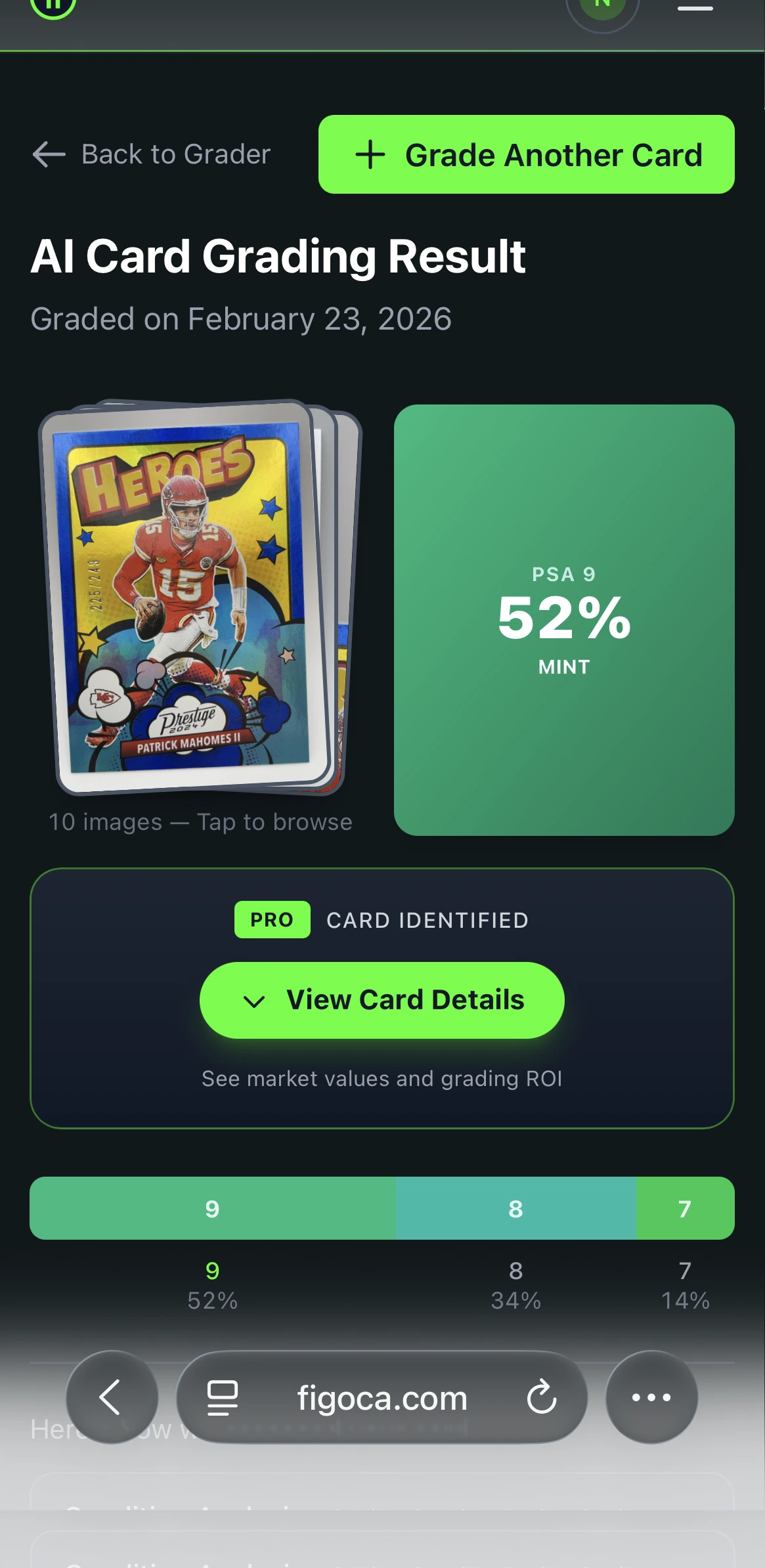
AI Card Grader
Know your card's grade before you submit
Snap a photo with your phone and get an instant AI-powered grade estimate. Check centering, corners, edges, and surface — just like the pros.
- Instant grade estimate
- Sub-grades for all 4 pillars
- Built-in ROI calculator
- Free to use
From Chaos to Collection: How to Organize and Safeguard Your Sets
Once your cards are physically safe inside a zippered, side-loading binder, the next challenge is fitting them all together logically. Most modern Pokémon expansions contain over 200 distinct cards, meaning a standard small binder might run out of space before you finish your collection.
When choosing the right binder size for complete sets, a 12-pocket layout is often the superior choice over the standard 9-pocket version. These larger binders typically hold 480 cards, providing enough room to display full evolution lines across a single row and preventing the need to constantly shuffle cards around to make space, a major cause of accidental creases.
Deciding exactly how to arrange your treasures is just as vital as the binder you choose. Many enthusiasts aim for a "Master Set" layout, which means organizing cards numerically to match the official set list found in player guides. This method creates a visual checklist where empty pockets remind you exactly which cards you are still hunting for. To keep your process smooth, follow this basic Collector's Checklist when setting up a new binder:
Sort by Symbol: Separate cards into stacks based on the small set symbol found in the corner of the card.
Leave the Gaps: If you are missing card #5, leave the fifth pocket empty rather than sliding card #6 into its place.
Sleeve First: Always put holographic cards in a soft "penny sleeve" before sliding them into the binder pocket for double protection.
Tracking your inventory doesn't require a complicated spreadsheet anymore. Modern collectors utilize smartphone trading card tools that scan cards to create a searchable digital catalog. An AI card grading app can even analyze the surface and corners of your card through your phone's camera, offering a condition assessment that helps you understand if a card is "Near Mint" or "Played." Whether you are looking for the best card grading app to estimate current Sales & Market News and value or just a simple scanner to log your collection, these digital backups ensure you know exactly what your binder holds — and what it's worth — without having to physically handle the cards repeatedly.
Your Ultimate Pokémon Card Protection Checklist
You no longer need to guess if your collection is truly safe. By understanding the hidden risks of ring-dents and sticky plastic, you have moved from simple storage to true preservation. Securing the Best Binders for Pokémon Cards (Side-Loading, Zipper, No PVC) isn't just about organizing — it is about ensuring your cards look as good in ten years as they do today.
Turn this knowledge into a quick weekend project by following these "Safe-Binding" rules:
Never leave valuable cards in loose 3-ring binders or sleeves containing PVC/Acid.
Always prioritize archival safe trading card storage with side-loading pockets to prevent spills.
Action: Transfer your shiny "hits" into a zippered binder first, then use a card grading app to track their condition.
Think of a high-quality binder as an insurance policy that you only pay for once. The few extra dollars spent on a premium binder today save you from the heartbreak of damaged corners or faded ink tomorrow. You can now close that zipper with total peace of mind, knowing your collection is ready for the long haul.

Card enthusiast, figoca founder, and independent software developer
Nico is a card enthusiast who built figoca after running into the same problems many collectors face: uncertain pre-grading decisions, too much tab switching for comps, and no fast way to price cards on the go. He is also a big Kansas City Chiefs fan (❤️💛), follows the Kansas City Royals (💙), and enjoys Formula 1 and Golf.
- Sports Card enthusiast
- Founder of figoca
- Independent software developer with a TypeScript and AWS background