How to Ship Trading Cards Safely: Supplies and Step-by-Step Packing
High-quality trading card protection supplies including sleeves, top loaders, and storage solutions. Keep your collection safe and organized. Shop now.
You finally sold that valuable Charizard, but your heart sinks the moment the buyer sends a message saying the card arrived creased. According to standard marketplace policies, a damaged delivery usually dictates that you must issue a full refund while permanently losing the value of your item. Handing off a fragile piece of cardboard to the postal service feels inherently stressful, especially when a single sorting machine roller can instantly destroy a great sale.
Rather than crossing your fingers and hoping for the best, you can completely eliminate this anxiety by treating your package like a custom suit of armor. In practice, successful sellers rely on a foolproof layering strategy to shield their items from moisture, heavy pressure, and daily transit hazards. This approach is not about buying expensive industrial materials , it involves building the right structural barriers around your valuable item before it ever leaves your hands.
Safely shipping trading cards relies on three crucial defense layers: a soft inner skin for preventing surface scratches during shipping, a rigid plastic exoskeleton to stop bending, and an outer cardboard shield. By following this straightforward sandwich recipe, you will confidently mail your collection and guarantee a track record of five-star feedback and zero-damage returns.
Building the Armor: Why Archival Safe Penny Sleeves and Rigid Plastic Holders are Non-Negotiable
Before a card ever sees the inside of a cardboard box or envelope, it needs a layer of defense against scratches. Think of this first layer as a thin plastic skin for your collectible. Using archival safe penny sleeves for protection is crucial here because they are made without harmful PVC chemicals, meaning they won't slowly eat away at the card's glossy ink over time.
Once your card is sleeved, it requires an exoskeleton to survive the heavy machinery of the postal service. When deciding between top loaders vs semi-rigid card holders, beginners should absolutely stick to rigid toploaders. These thick plastic cases act as a shield, preventing the fragile cardboard from bending, creasing, or folding under pressure. To properly protect your items without overspending, you only need to gather a few standard supplies:
4 Essential items for every card shipment:
- Penny sleeves
- Toploaders
- Cardboard stiffeners
- Painter's tape
BCW Standard Card Sleeves 1000 Pack
Clear 2 5/8 x 3 5/8 penny sleeves for standard trading cards. Protects cards from scratches and fingerprints; fits into toploaders.
500+ bought in past month
Be extremely careful to avoid the dreaded "Tape Trap" when using these tools. This nightmare scenario happens when well-meaning sellers use clear packing tape directly over the plastic case's opening, permanently ruining the holder and frustrating the buyer who has to cut the card free with scissors.
Instead of standard sticky tape, using recommended painter's tape for securing top loaders ensures the card won't slide out during transit without leaving a nasty residue behind. Pro Tip: Fold the end of your painter's tape over itself to create a small, non-sticky pull-tab so the buyer can open it instantly. With your card secured in its plastic armor, you can proceed to the structural layering phase.
The 'Sandwich' Method: A Step-by-Step Guide to Packing for Maximum Structural Integrity
You have secured your collectible in its plastic exoskeleton, but it still has to survive the heavy rollers of postal sorting machines. This is where the famous "Sandwich Method" comes into play. By placing your protected card between two pieces of rigid cardboard, you create a dedicated "crush zone" that absorbs exterior impacts and completely prevents the envelope from folding.
The secret to true indestructibility lies in the cardboard's structural grain orientation. Looking at the cut edge of any shipping box, you will see wavy lines inside. When using cardboard stiffeners to avoid bending, cut two pieces slightly larger than your toploader. Ensure the wavy lines of the top piece run horizontally, while the bottom piece runs vertically. Crossing the grains like a plus sign makes it nearly impossible for the package to snap under sudden pressure.
Even the strongest cardboard cannot save your items from a rainstorm, making moisture defense your next essential priority. Enter the "team bag" , an inexpensive resealable plastic pouch that hobbyists use to bundle cards safely. Slipping your toploader into one of these bags creates a watertight shield. More importantly, it locks the top of the rigid plastic case, guaranteeing the card cannot accidentally slide out during a turbulent journey.
Whether you are sending off a $20 Pokémon favorite or simply need a reliable workflow for packaging valuable singles, this foolproof assembly checklist guarantees safe travels:
- Step 1: Slide your sleeved card securely into its rigid toploader.
- Step 2: Seal the toploader inside a team bag (or wrap it tightly in a small piece of kitchen plastic wrap).
- Step 3: Sandwich the bagged card directly between your two grain-crossed cardboard squares.
- Step 4: Tape all four sides of the cardboard shut using painter's tape to lock the crush zone.
- Step 5: Shake the bundle gently to verify absolutely nothing shifts inside.
With your crush-proof package built, you have successfully eliminated the most common shipping risks. The final decision is simply selecting the exterior packaging to carry your armor and match your financial requirements.
Bubble Mailer vs. Plain White Envelope: Choosing the Right Shield for Your Card's Value
Now that your card is safely armored inside its cardboard crush zone, you face the final logistical hurdle: picking the right outer packaging. The ultimate decision usually comes down to a bubble mailer vs plain white envelope for TCG shipments. Making the wrong choice here can either eat up all your profits in unnecessary postage fees or leave a valuable card dangerously under-protected during its journey.
For inexpensive singles, a Plain White Envelope (PWE) is your best friend, but it comes with strict postal rules regarding "machinability." If your envelope is too thick or entirely inflexible, postal sorting machines cannot bend it slightly around their rollers, leading to returned mail or extra surcharges. Meeting the eBay standard envelope requirements for sellers , specifically keeping the envelope under a quarter-inch thick and weighing less than three ounces , allows you to ship lightweight items safely with basic tracking for roughly the cost of a standard stamp.
To keep your seller ratings high and buyers happy, match your shipping method directly to the card's final sale price using this simple breakdown:
Stepping up to a padded mailer becomes mandatory once you cross that twenty-dollar threshold, as buyers expect premium tracking and thicker armor for pricier items. If you are dealing with professionally authenticated pieces encased in thick plastic, you must employ an entirely different strategy to prevent the cases from cracking.
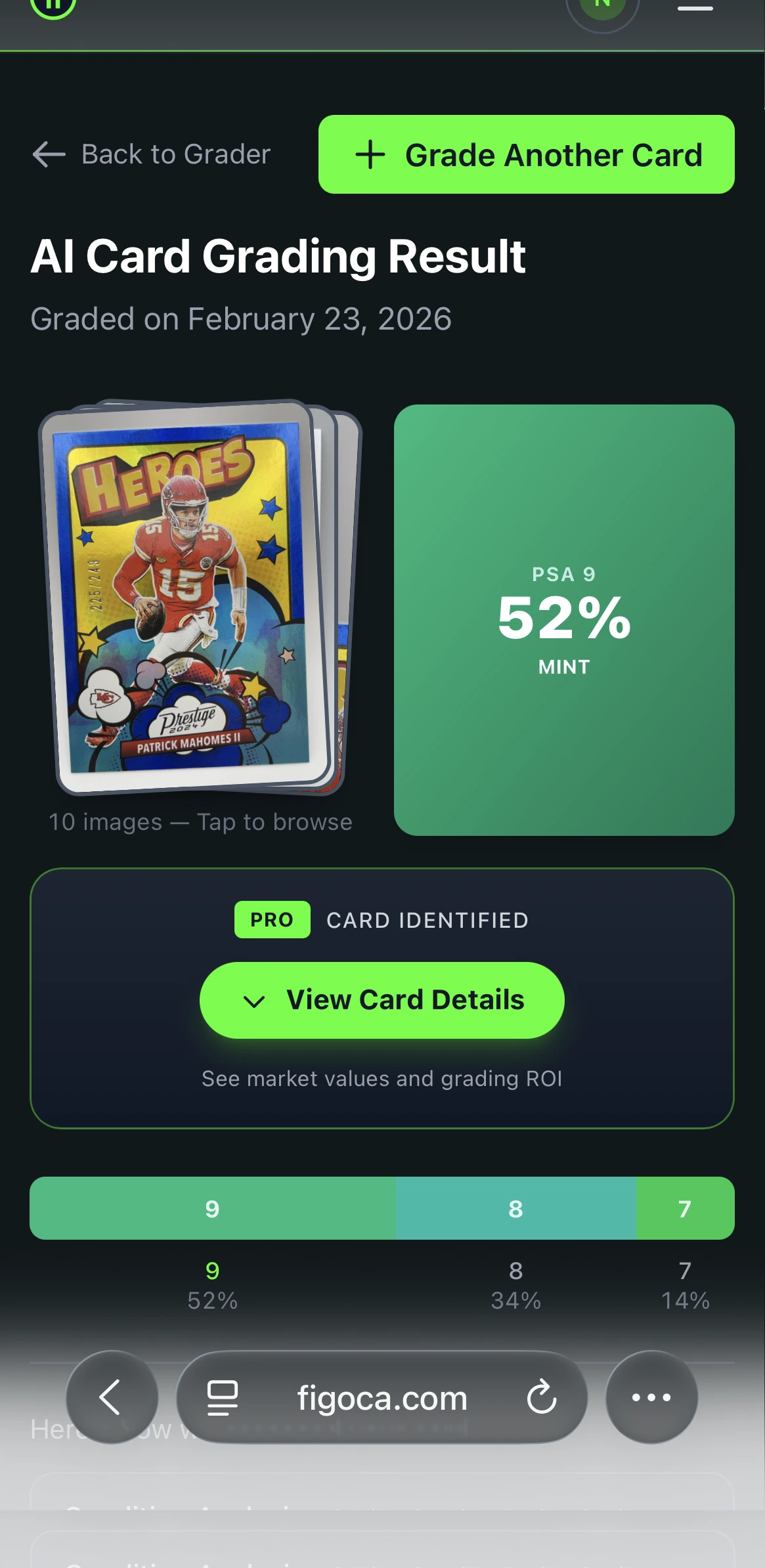
AI Card Grader
Know your card's grade before you submit
Snap a photo with your phone and get an instant AI-powered grade estimate. Check centering, corners, edges, and surface — just like the pros.
- Instant grade estimate
- Sub-grades for all 4 pillars
- Built-in ROI calculator
- Free to use
Protecting the Gold Standard: How to Ship PSA and BGS Graded Slabs Without Cracking
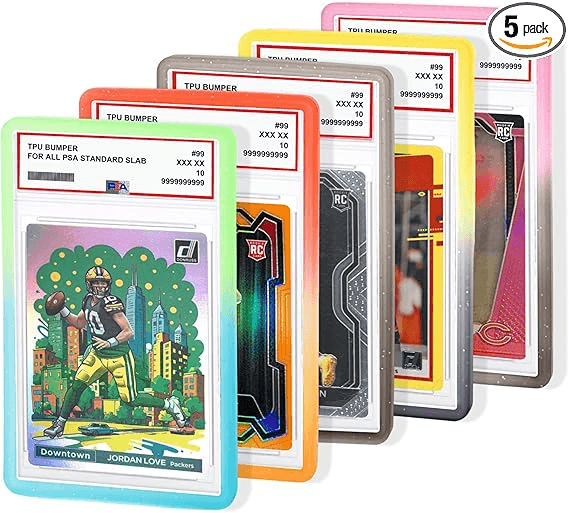
Holding a professionally graded card in a thick plastic "slab" is exciting, but that rigid armor isn't invincible. Hard plastic easily suffers scratches or cracks if shipped unprotected. The best way to mail high-value trading cards begins with preventing surface damage. Slide the case into a dedicated slab sleeve, a thin bag acting as a skin over the casing to stop scuffing, whether your card is a nostalgic Charizard or a hit from a Rookie Cards Database.
A shock-absorbent barrier prevents transit drops from shattering that plastic. Use this clear workflow for PSA graded slab shipping:
- Sleeve: Seal the case inside your clear slab sleeve.
- Cardboard: Sandwich the slab between two larger, rigid cardboard squares.
- Bubble Wrap: Wrap this bundle snugly to create an impact-absorbing "bubble cocoon."
- Mailer: Secure the cocoon inside a padded envelope.
Premium items demand extra security. The safest strategy is "double-boxing" , placing your bubble cocoon inside a small cardboard shipping box and filling empty gaps with crumpled paper so nothing shifts. This guarantees maximum crush protection against heavy sorting machinery. While building this careful armor is vital for expensive individual slabs, sending an entire base set introduces new weight and density challenges.
Bulk Shipping Secrets: Mailing 100+ Cards Without Breaking the Bank
Moving from single cards to massive stacks introduces a new challenge: weight. Hundreds of pieces of cardboard are surprisingly heavy, causing standard postage costs to skyrocket. The smartest strategy for mailing bulk trading cards uses flat rate boxes , where the price stays identical regardless of how heavy the package gets. This allows you to ship an entire, heavy Sports Card Set cross-country for one predictable, low price.
Securing that cheap shipping rate is only half the battle, because empty space inside a box acts as a silent enemy. If dense stacks of cards slide back and forth during transit, the impact will quickly crush their fragile edges. To stop this internal shifting, you must use "void fill" , a packing term for materials like crumpled newspaper or bubble wrap used to plug empty gaps. Packing your box so tightly that absolutely nothing moves when shaken is among the most essential trading card tools in your seller skillset.
Organizing these bundles properly before boxing guarantees a five-star unboxing experience for your buyer. Wrapping stacks of fifty cards tightly in everyday printer paper creates clean, secure bricks that sit safely alongside your void fill, far away from sticky tape. Once your bulk lot is packed up snugly, you must prepare for the unexpected and protect your finances against lost packages.
NAKIS PSA Slab Guard 5-Pack Multi-Color
TPU bumper guards for standard PSA graded cards. Includes 5 gradient glitter colors for added protection and display appeal.
50+ bought in past month
Insurance, Tracking, and International Logistics: Securing Your Portfolio
Even perfectly packed boxes occasionally vanish in transit. The rule is simple: if refunding the buyer would hurt your bank account, insure it. For any package valued over fifty dollars, spending a few extra dollars on standard postal insurance acts as a crucial financial safety net against lost mail.
Protecting a premium portfolio requires even stronger postal armor. When mailing extremely valuable assets, standard protection falls short and you need Registered Mail. Think of this service as a traveling vault. Postal workers lock your package in a secure cage and must legally sign a chain-of-custody log at every single stop along the route.
Crossing borders introduces the final logistics hurdle. Successfully shipping trading cards internationally with tracking requires a customs declaration, a required paper form telling foreign officials exactly what is inside your envelope and its exact monetary value. Before purchasing adequate insurance or filling out these international legal forms, you must know exactly what your cards are worth.
Leveraging Trading Card Tools: Using Apps and Market News to Verify Value Before You Ship
Figuring out if your childhood Charizard deserves a simple stamp or expensive shipping starts with knowing its true value. Instead of guessing, you can grab your smartphone and open a digital card grader app. By snapping a quick photo, an AI card grader evaluates the physical condition of your item, instantly helping you calculate a smart price-to-shipping ratio so you never accidentally spend twenty dollars mailing a five-dollar card.
After establishing the condition, running a Card Price Search reveals what buyers are actually paying today. Following recent Sales & Market News helps you anticipate sudden demand spikes, signaling which hot items require immediate "Priority" handling. If the collector jargon in those trends gets confusing, use a Trading Card Glossary to translate terms and professionalize your selling hobby with tech-driven insights. Verifying your values ensures you never overpay or under-protect your shipments.
The Final 5-Star Checklist: Ensuring a Damage-Free Delivery Every Time
You no longer have to cross your fingers and hope your cards survive the postal system. By understanding the basic layers of protection, thoughtful packaging becomes a direct investment in your reputation. A safe arrival guarantees five-star feedback and turns one-time shoppers into loyal, happy buyers.
Before dropping your next package in the mail, run through this final pre-flight check to ensure your cardboard armor is complete:
- Soft plastic sleeve applied?
- Rigid plastic case loaded?
- Tape pull-tab created?
- Cardboard sandwich secured?
- Outer envelope firmly sealed?
Start with your next sale and notice how this straightforward routine removes shipping anxiety, building your confidence as a trusted seller with every successful delivery.

Card enthusiast, figoca founder, and independent software developer
Nico is a card enthusiast who built figoca after running into the same problems many collectors face: uncertain pre-grading decisions, too much tab switching for comps, and no fast way to price cards on the go. He is also a big Kansas City Chiefs fan (❤️💛), follows the Kansas City Royals (💙), and enjoys Formula 1 and Golf.
- Sports Card enthusiast
- Founder of figoca
- Independent software developer with a TypeScript and AWS background