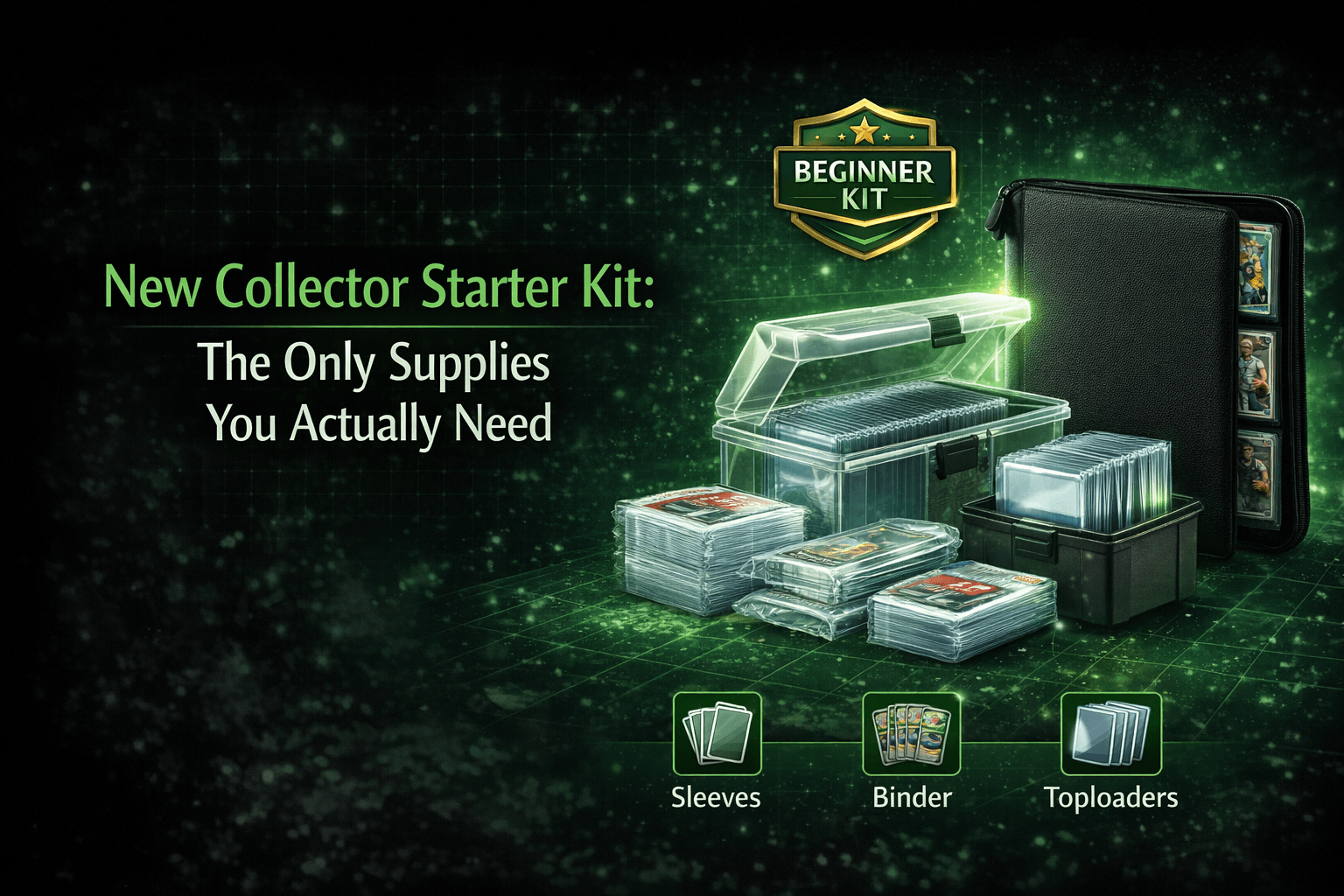
New Collector Starter Kit: The Only Supplies You Actually Need
Start your card collection with the right supplies. Discover essential tools to protect, store, and organize your cards without wasting money on extras.
You finally tracked down that vintage holographic card or rare vinyl record you've wanted since childhood, only to realize you have no idea how to keep it safe from the elements. Most beginners toss their new treasures into a shoebox or a standard desk drawer, assuming they are safe as long as they aren't being touched. However, seasoned archivists know that invisible enemies, like the natural oils on your fingertips or the acidity in standard cardboard, are actually slowly eating away at your investment from the moment you bring it home.
Think of proper preservation like using food-safe containers in your kitchen; you wouldn't throw leftovers directly onto a refrigerator shelf, so you shouldn't throw valuable paper or plastic into a chemically active environment. Industry data reveals that environmental factors like humidity and UV exposure cause significantly more depreciation to collectibles over time than accidental drops or spills. To maintain that "fresh from the pack" look, we have to move beyond simple storage and focus on archival protection, materials specifically designed to do no harm.
Fortunately, securing your collection doesn't require a museum-sized budget or a climate-controlled vault. 90% of your item's safety comes down to a few affordable supplies that cost less than a takeout lunch. A "New Collector Starter Kit" focuses strictly on the essential tools that maintain physical condition and protect your long-term resale value.
Why Your Natural Skin Oils Are a Secret Collection Killer
The most dangerous thing in your collecting room isn't humidity or sunlight, it's often your own fingertips. Our skin naturally produces sebum, a waxy oil that keeps our hands soft but acts like a slow-motion acid on collectibles. Think of it like a faint fingerprint on a window pane: harmless at first, but on a vintage comic book or a silver coin, that oil eventually turns into a permanent brown smudge or corrosion spot that cannot be cleaned off. The damage takes years to appear, but once it's there, it stays forever.
While movies always show curators wearing white cotton gloves, that is actually a risky move for beginners. Thick fabric reduces your tactile dexterity, your ability to feel the weight and texture of what you are holding, which makes it surprisingly easy to tear a page or drop a slippery trading card. For most paper and plastic items, thoroughly washed bare hands are safer than clumsy gloves. If you absolutely must wear protection for metal items (which react instantly to oils), opt for tight-fitting powder-free nitrile gloves rather than loose cotton.
Run through this zero-cost "Clean Start" protocol to ensure you don't accidentally lower an item's value:
- Strip the oils: Wash hands with standard dish soap (which cuts grease better than moisturizing hand soap) and warm water.
- Dry completely: Moisture is just as damaging as oil, so use a lint-free towel and wait thirty seconds for residual dampness to evaporate.
- Clear the landing zone: Ensure your table is clean and clear so you don't set the item down on a stray crumb or drink ring.
- Master the "Edge-Grip": Handle photos, cards, and vinyl records strictly by their outer edges, never pressing down on the face or surface.
Once your item is clean and safe, you need a storage solution that won't undo your hard work, starting with deciphering the alphabet soup of plastics.
The 'Acid-Free' Truth: Deciphering Mylar vs. Polyethylene
Remember this rule: if a plastic sleeve smells like a pool float or a new shower curtain, it will destroy your collection. That distinct chemical scent comes from PVC (polyvinyl chloride), a cheap material that degrades over time through a process called off-gassing. Essentially, the plastic releases invisible chemical vapors that turn paper yellow, melt ink, and leave a sticky "green goo" residue on coins. While PVC binders are durable for schoolwork, they are the arch-nemesis of preservation.
To keep your items safe, you need materials labeled "Archival Grade" or "PVC-Free." This ensures the plastic is chemically stable and pH neutral, meaning it won't acidicly attack the item inside. Within the safe category, you generally have two choices: Mylar (polyester) and Polypropylene. Think of Mylar as the museum-quality "bulletproof glass" of storage; it is incredibly clear, rigid, and makes colors pop, but it is expensive.
For 90% of a standard collection, Polypropylene (or Polyethylene) is the champion of value. It is softer, cheaper, and slightly less clear than Mylar, but it is chemically inert and perfectly safe for long-term storage. If you have a thousand trading cards or family photos to store, Polypropylene allows you to protect the bulk of your collection without bankrupting yourself, saving the expensive Mylar for your top-tier treasures.
Soft Sleeves and Top-Loaders: The Dynamic Duo of Preservation
The first thing to touch your collectible should be a "penny sleeve" , a limp, soft polypropylene bag named for its historically low cost. Think of this as the breathable base layer for your item. Unlike hard plastic, which can scratch delicate glossy surfaces if the item shifts inside, a soft sleeve hugs the paper gently. It creates a necessary buffer zone, preventing the collectible from sticking to outer layers while allowing just enough airflow to prevent moisture from getting trapped against the surface.
Once your item is safely in its soft sleeve, it needs structural armor. This is where the top-loader vs semi-rigid card holders debate usually begins:
- Top-loaders are rigid, hard plastic rectangles (imagine a sturdy picture frame) that provide excellent crush protection for display on a shelf or stacking in boxes.
- Semi-rigids are thinner and slightly flexible , designed to hold the item firmly in place so it doesn't slide during transit. If you are using a card grading app to prepare a submission for professional authentication, you will almost always need semi-rigids, as grading companies prefer cutting them open to safely remove the card.
To combine these layers without damaging the corners, use this "Protection Stack" technique:
- The Open: Squeeze the sides of the penny sleeve to pop the mouth open , never force the card corners against a closed opening.
- The Insertion: Slide the sleeved card halfway into the rigid holder (top-loader).
- The Tap-and-Slide: Do not push the card down with your finger, which can crimp the top edge. Instead, tap the bottom of the hard holder against a desk until the card slides down into place on its own.
While standard Trading Card Tools and supplies like these will stop physical dents and scratches, they cannot protect against the atmosphere itself. A plastic suit of armor is useless if the air in the room is attacking your collection.
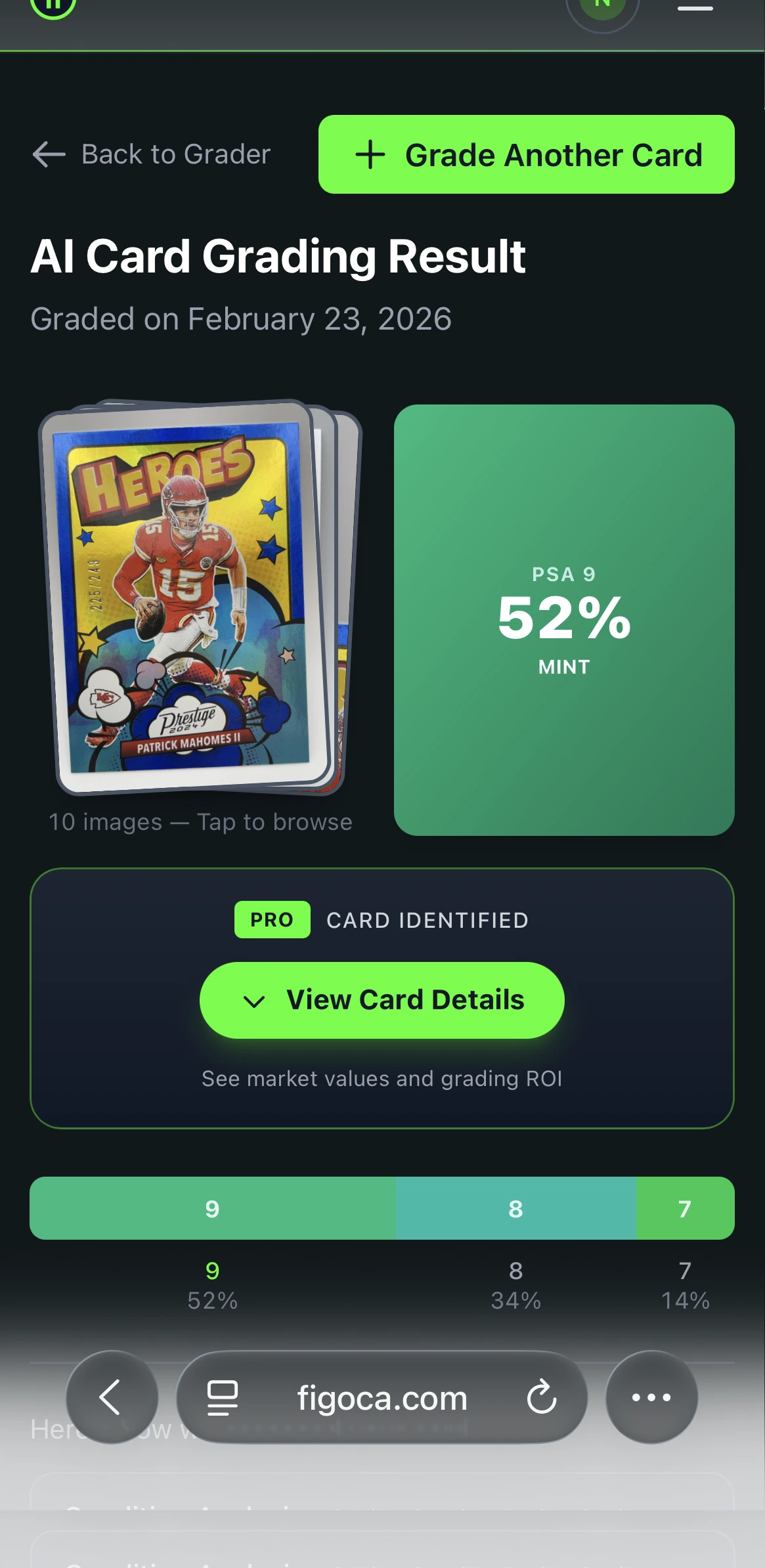
AI Card Grader
Know your card's grade before you submit
Snap a photo with your phone and get an instant AI-powered grade estimate. Check centering, corners, edges, and surface — just like the pros.
- Instant grade estimate
- Sub-grades for all 4 pillars
- Built-in ROI calculator
- Free to use
Stopping the 'Invisible Killers': Why Humidity and UV Light Ruin Investments
You might think your collection is safe once it's encased in plastic, but clear holders act like greenhouse windows for the biggest threat of all: light. UV protection for long-term preservation is critical because ultraviolet rays , found in both sunlight and standard fluorescent bulbs , act like a slow-motion sunburn on your valuables. Just like a newspaper left on a car dashboard turns yellow and brittle within days, your comics, cards, or art prints will fade irreversibly if displayed near windows. The simplest fix is the "dark storage" rule: if you aren't actively viewing an item, keep it in an opaque archival box or a closet.
Moisture is the second silent destroyer, often appearing as "foxing" , those mysterious reddish-brown spots that look like rust sprinkled over old book pages. Preventing foxing and paper yellowing requires managing the water vapor in the air. If a room feels damp or muggy to you, your paper collectibles are actively absorbing that moisture like a sponge, which eventually leads to warping, mold growth, or the dreaded foxing spots. Conversely, air that is too dry (like in a heated home during winter) can cause vintage glues to crack and paper to become fragile.
Controlling this environment doesn't require a museum budget , just simple consistency. For enclosed spaces like plastic storage bins or safes, toss in a few silica gel packets to help regulate moisture levels. Aim for these general targets to keep your items safe:
- Temperature: 65°F–72°F (Standard stable room temperature)
- Relative Humidity (RH): 45%–55% (Avoid damp basements or hot attics)
- Light: Zero direct sunlight; minimal artificial light exposure
With physical valuables in dark storage to prevent fading, modern technology helps you enjoy the collection without risking damage from constant handling.
Digital Inventory: Using AI Card Grading Apps to Organize Your Hobby
Your smartphone is one of your best preservation tools. By creating a digital twin of your collection, you can track values and show off your finds without exposing them to light. Modern digital cataloging software for hobbyists has evolved far beyond clunky spreadsheets , today, intuitive apps allow you to snap a photo and instantly populate details like release year, set name, and current market trends.
Assessing condition used to require decades of experience, but technology has leveled the playing field. An AI card grading app uses your phone's camera to scan surface imperfections and corners, providing an instant "pre-grade" estimation. While an AI card grader doesn't replace professional authentication for high-end items, finding the best card grading app for your niche serves as a crucial financial filter , it helps you decide if an item is pristine enough to warrant the high cost of professional submission, saving you from spending $30 to grade a card worth $5.
Real-time data prevents you from flying blind when buying or trading. Tools with a built-in Card Price Search or Rookie Cards Database connect you to actual sales history rather than theoretical list prices, ensuring you never overpay based on guesswork. Establish this simple digital habit for every new item you acquire:
- Scan: Photograph the front and back immediately using your app of choice.
- Verify: Check the AI condition estimate and current market average.
- Archive: Save the entry to your cloud inventory for insurance documentation.
With your digital house in order and your collection tracked, let's focus on the physical essentials you need to buy to keep those items safe.
The Minimalist Supply Checklist: Exactly What to Buy for Under $50
Great collections start with smart budgeting, not bottomless spending. A minimalist hobbyist supply checklist focuses on just two layers of protection: a soft inner "penny sleeve" to prevent surface scratches, and a rigid outer shell to stop structural bending. You can achieve museum-quality safety for your first 100 items without breaking the bank, ensuring your budget goes toward new acquisitions rather than overpriced accessories.
Once your items are sleeved, you need a home for them that isn't a loose desk drawer. Look for standard white cardboard boxes specifically designed for collectibles , unlike generic plastic bins, these offer space-saving storage box dimensions that fit perfectly on standard bookshelves while keeping your items upright and compressed to prevent warping. For home storage, stick to top-loaders for superior impact protection, reserving the thinner semi-rigids only when mailing items out for grading.
Long-Term Strategy: Keeping Your Collection Pristine for the Next Decade
You don't need a custom-built vault to secure your legacy. By simply swapping cheap plastics for archival-safe materials, you have already done more to protect collectible investments from damage than most casual hobbyists. The key now is consistency, not perfection. Set a calendar reminder for a quick "collection check-up" twice a year to ensure humidity levels haven't shifted and your storage boxes remain dry. This small habit prevents the slow creep of environmental decay that often goes unnoticed until it's too late.
Your goal is to ensure that twenty years from now, your treasures look exactly as vibrant as they do today. With these foundational supplies and a system of organized inventory management for beginners, you can finally stop worrying about fading ink or yellowing edges. You have done the hard work of preservation, so go ahead and focus entirely on the joy of the hunt.
Conclusion
To stay competitive in the hobby, keeping up with Sales & Market News is just as essential as safeguarding your cards. By monitoring trends, auction outcomes, and emerging players, collectors can make more informed choices about when to hold, sell, or upgrade their collections. Through the Figoca Blog, Nico Meyer highlights the importance of blending effective storage practices with up-to-date market insights, helping collectors protect their cards while also enhancing their long-term value in a constantly changing marketplace.

Card enthusiast, figoca founder, and independent software developer
Nico is a card enthusiast who built figoca after running into the same problems many collectors face: uncertain pre-grading decisions, too much tab switching for comps, and no fast way to price cards on the go. He is also a big Kansas City Chiefs fan (❤️💛), follows the Kansas City Royals (💙), and enjoys Formula 1 and Golf.
- Sports Card enthusiast
- Founder of figoca
- Independent software developer with a TypeScript and AWS background