What is a case hit in sports cards? Learn what it means, how odds work, and how to spot real case hits when buying boxes or breaks. Read now.
What Is a Case Hit in Sports Cards? (Simple Explanation)
If you’re opening packs or watching a break, you’ll hear “case hit” thrown around a lot. Sometimes it’s accurate. Sometimes it’s just hype.
A case hit is an insert, autograph, or special card that is expected to appear about once per sealed case of a product. It is typically rarer than a “box hit,” but it is not automatically the most valuable card in the set.
TL;DR
- A case hit is roughly one per sealed case (not one per box).
- “Case hit” depends on the product: the same insert name can be common in one release and rare in another.
- It’s about odds and packaging, not price: some case hits sell for less than big rookie autographs.
- Not guaranteed: pack odds are averages across the full print run, so a case can be “hot” or “cold.”
- Best move: verify with the odds on the box, and compare recent sold prices before you buy.
figoca extension
Get card comps on eBay in seconds
See comps directly on eBay listings and search results. Save time, avoid overpaying, and learn faster while you browse.
- Comps inline on item and search pages
- Automatic card detection and parsing
- Fast, privacy-first, and free
- Built for newcomers and hobbyists
The definition: what does “case hit” mean?
A case hit is a card that is inserted at a frequency where you would expect about one in a sealed case of that product. Collectors use the term because a sealed case is the cleanest unit for “how rare is this, really?”
In simple terms:
- Pack: the basic unit you open.
- Box: a group of packs.
- Case: multiple sealed boxes (the exact number depends on the product).
What is a case hit?
A case hit in sports cards is a special card that is expected to show up about once per sealed case of a product, based on printed pack odds or stated averages. It is usually rarer than a box hit, but it is not guaranteed, and it is not always the most expensive pull.
Case hit vs box hit vs SSP (quick comparison)
| Term | What it means | Common confusion |
|---|---|---|
| Case hit | Expected about once per sealed case | People assume it always means “huge value” |
| Box hit | Expected about once per box (or per box average) | People treat it like a guarantee |
| SSP | “Super short print,” extremely limited print run | People use SSP without knowing the odds |
| Chase insert | A popular insert people hunt | Not every chase insert is a case hit |
If you’re new to ripping sealed product, this will make everything clearer: How does a box break work?
Why case hits exist (and why collectors care)
Case hits are a design feature. They give a product:
- A big moment: something exciting that does not appear every box.
- A chase layer: collectors keep opening because the ceiling feels high.
- A pricing story: breakers and shops can market a clear “chase.”
Collectors care because case hits often have strong demand and clean branding, which can make them easier to sell than random low-demand parallels.
How odds actually work (and why “one per case” is not a promise)
Most modern products include odds or average contents on the box or manufacturer info.
Two important principles:
- Odds are averages: Panini states that collation is not perfect and odds are based on the entire production run, not the contents of any single box or case. Source: Panini customer support FAQ.
- Each pack is independent: Topps explains odds as a per-pack probability, which does not add up to a guarantee when you open more packs. Source: Topps odds explainer.
Practical takeaway:
- If the odds say a card is 1:1,000 packs, you might hit it quickly or you might never see it in a full case.
- If the product says “on average,” treat it like a long-run estimate, not a promise.
How to tell if something is really a case hit
Use this quick checklist.
- Look for printed odds or stated averages on the box (or official product info).
- Convert to case-level expectations using the case configuration (packs per box and boxes per case).
- Compare with other inserts: if multiple inserts have similar odds, they are not all “case hits.”
- Avoid relying on social media language: sellers often call anything rare-looking a case hit.
Simple “if this, then that” rules
- If the box says “1 per case,” it’s a case hit by definition.
- If the odds are printed per pack, multiply by packs per box and boxes per case to estimate case frequency.
- If the product only states “X autographs per box, on average,” do not assume a specific insert is a case hit without odds.
Worked example (simple math)
Let’s say a product has:
- 12 packs per box
- 12 boxes per case
- An insert with odds of 1:144 packs
Total packs per case = 12 x 12 = 144 packs.
That insert is about one per case (144 packs per case and odds 1:144 packs).
Common “case hit” styles you’ll see
Case hits vary by brand and sport, but they often look like one of these:
| Case hit style | What it usually is | Why it’s popular |
|---|---|---|
| Named insert set | A branded insert with consistent design | Easy to recognize, easy to list and sell |
| Ultra-rare parallel | A low-numbered or very limited variant | Low supply, collector prestige |
| SSP base variant | A rare photo or base variation | Strong set builders and player collectors |
| High-end insert in retail | A rare insert that can appear in retail formats | Creates excitement in cheaper products |
Real-world examples (what collectors often call case hits)
- Donruss Optic Downtown
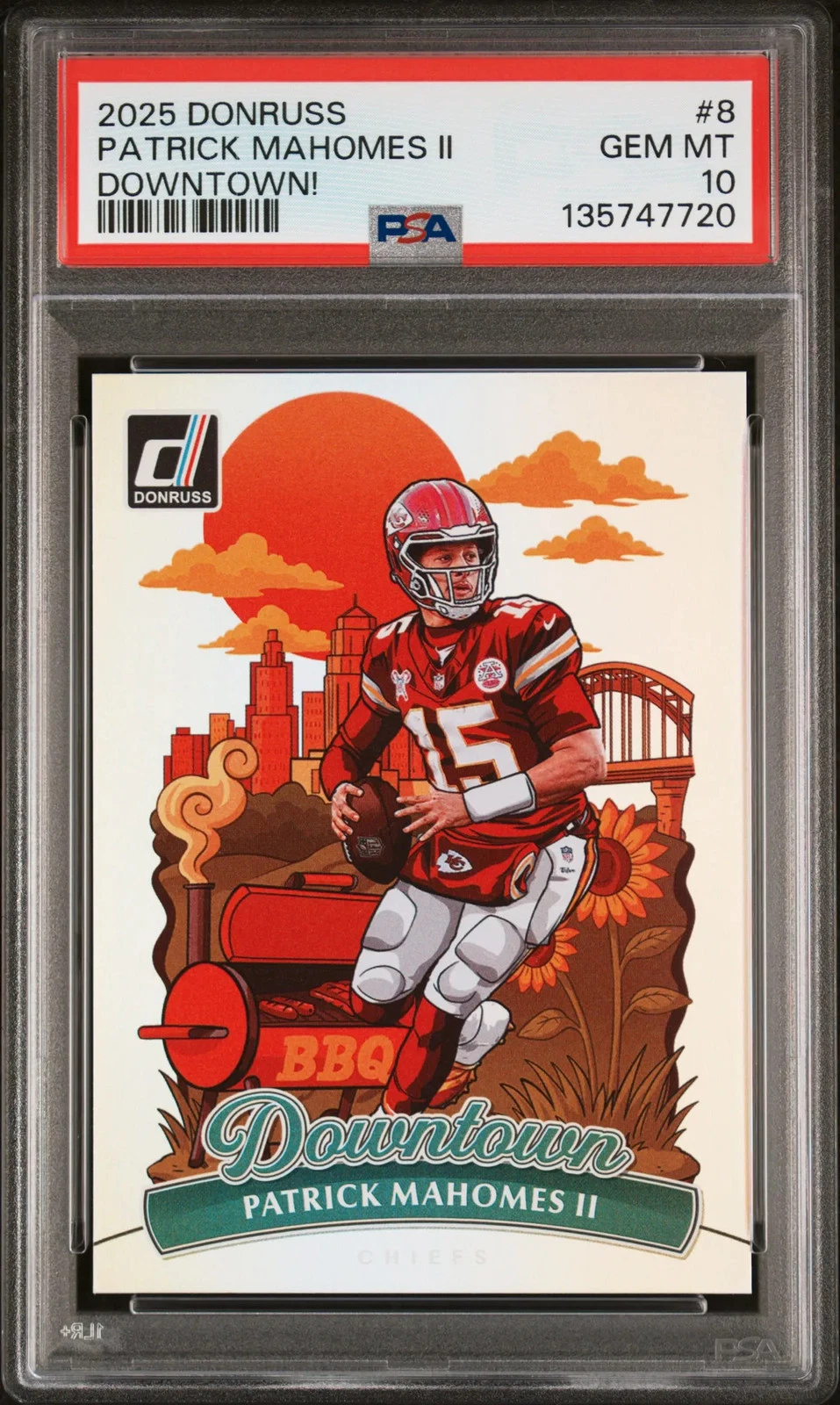
Downtown is a named chase insert that collectors recognize instantly. When sellers say “case hit,” this is one of the most common examples you’ll see in listings.
- Panini Absolute Kaboom
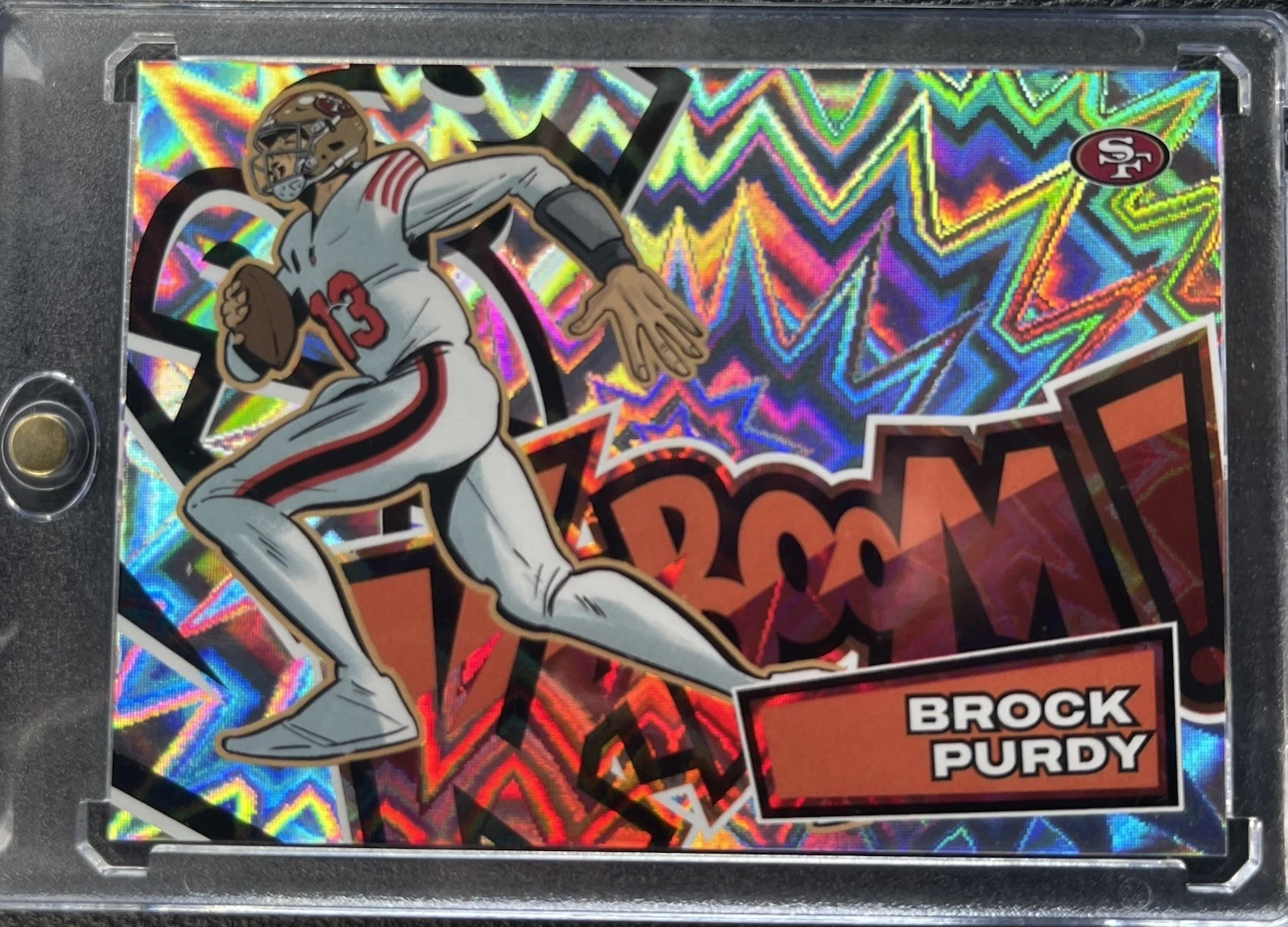
Kaboom is another widely recognized named insert. It’s a good example of why “case hit” describes expected pull frequency, not an automatic price level.
- Panini Mosaic Color Blast
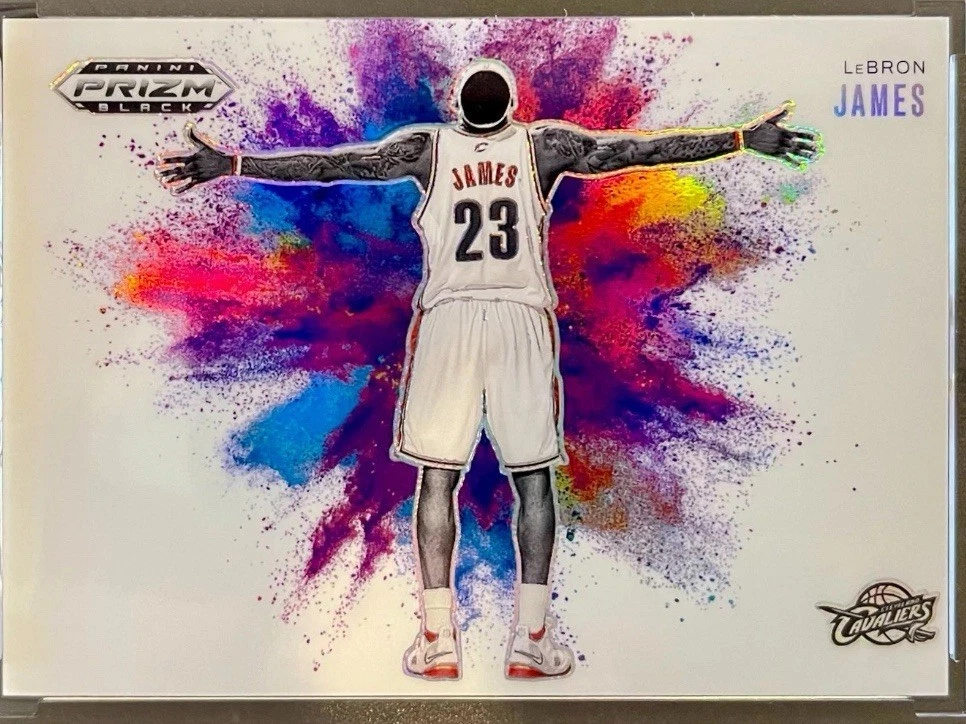
Color Blast is a clean, design-forward chase insert. Cards like this tend to be easy to identify, which helps when you’re researching sold comps.
If you’re trying to decide whether to grade a case hit, use a simple value-based framework first: Should you grade that card? The EV method
When a case hit is not the best card in the box
A case hit is about rarity in the product configuration, not guaranteed value.
Examples where a “case hit” might sell for less than other pulls:
- A case hit of a veteran when the product is all about rookies.
- A case hit insert that is easy to pull in other formats (retail vs hobby).
- A case hit with low collector demand compared to autographs or low-numbered rookie parallels.
When you are buying sealed product or a break spot, it helps to check comps first. Start here: How to buy sports cards on eBay (ultimate guide)
Buying tips: how to shop “case hit” listings without getting burned
- Ask for the exact product name and year: “case hit” is meaningless without it.
- Look up multiple recent sold listings for that exact insert and player.
- Check condition fast: surface issues and print lines matter a lot on glossy inserts.
- If it’s graded, verify the holder before assuming it’s legit: Fake PSA slabs: the 60-second check
- Do not overpay just because the words “case hit” are in the title.
If you want quicker price context while you browse, the figoca extension shows recent sales comps directly on eBay.
Quick glossary (plain English)
- Case: multiple sealed boxes from the same product.
- Hit: a desirable pull (often an autograph, memorabilia card, or rare insert).
- Insert: a card that is not part of the base set.
- Parallel: a variant of a card (different color, foil, serial numbering, and so on).
- SSP: very limited print run compared to normal base cards.
FAQ
Is a case hit guaranteed in every case?
No. Odds and averages are calculated across the full production run, so a sealed case can still be missing a specific insert.
Is every rare insert a case hit?
No. Some inserts are rare but still appear more often than once per case, and some are rarer than one per case.
Does “case hit” always mean expensive?
No. It only describes expected frequency, not the resale market.
How do I verify if a card is a case hit?
Use the odds printed on the product and convert them to a case-level expectation using packs per box and boxes per case.
What is a box hit?
A box hit is a card type that you would expect about once per box (or per box average), such as an autograph in many hobby products.
What does “on average” mean on a box?
It means the stated contents are a long-run estimate and not a guarantee for each individual box.
Why do some breakers call everything a case hit?
“Case hit” sells. It is often used as marketing language even when odds are not verified.
Can retail products have case hits?
Yes. Some retail formats have rare inserts that are still expected about once per sealed retail case.
Are case hits the same across hobby and retail?
Usually not. Hobby and retail often have different checklists, odds, and insert availability.
What is an SSP in sports cards?
SSP usually means “super short print,” a very limited version of a base card or insert compared to the standard print run.
Is a numbered card always a case hit?
No. Numbered cards can still be common if the product has many different numbered parallels.
Should I grade a case hit card?
Only if the expected graded value and liquidity justify grading fees, shipping, and risk. Use our framework: Should you grade that card? The EV method
Is a case hit better than an autograph?
Not automatically. Many autographs, especially rookie autographs or low-numbered parallels, can be more valuable than a case hit insert.
What’s the best way to price a case hit?
Use recent sold listings for the exact player and insert name, then adjust for condition and grading.
Where can I learn the basics of buying and ripping?
Start with 10 secrets every card collector needs to know and How does a box break work?.
Sources and further reading
Last updated: 2025-12-17

Card enthusiast, figoca founder, and independent software developer
Nico is a card enthusiast who built figoca after running into the same problems many collectors face: uncertain pre-grading decisions, too much tab switching for comps, and no fast way to price cards on the go. He is also a big Kansas City Chiefs fan (❤️💛), follows the Kansas City Royals (💙), and enjoys Formula 1 and Golf.
- Sports Card enthusiast
- Founder of figoca
- Independent software developer with a TypeScript and AWS background